Fire Alarm Systems Explained Complete Guide
Fire Alarm Systems Explained Complete Guide
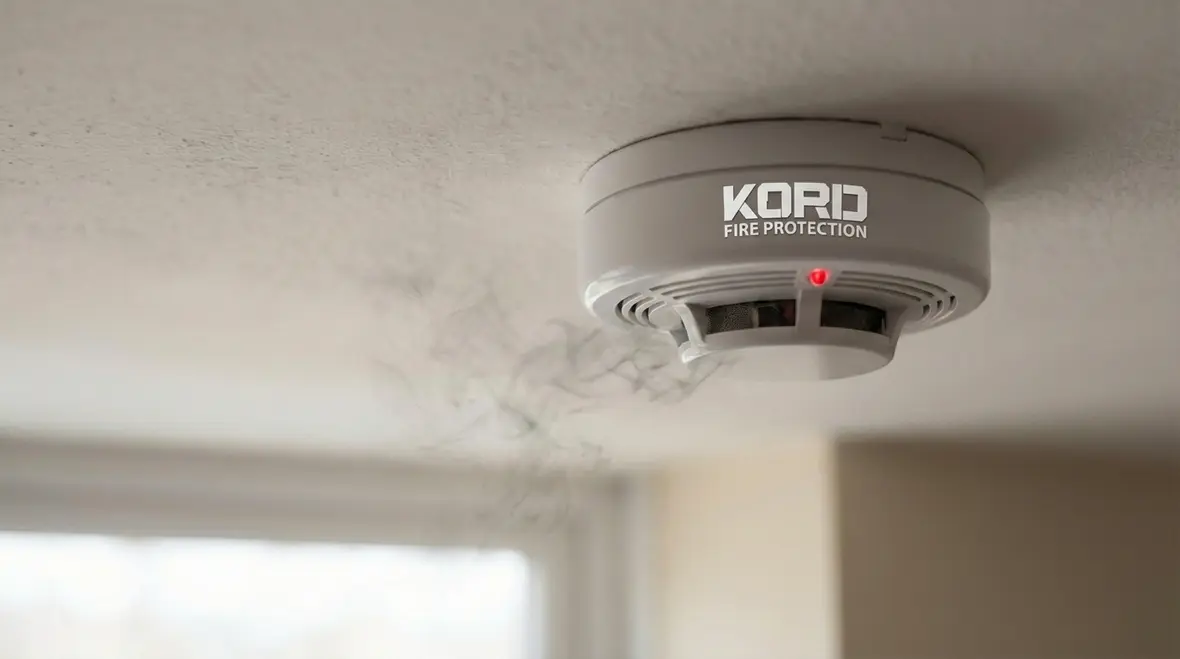
Every building has a heartbeat. In homes, it is laughter and footsteps. In offices, it is the quiet hum of productivity. And standing guard over that rhythm is a properly designed fire alarm system. In this fire alarm guide, readers will discover how these systems work, why they matter, and how professionals keep them ready for action. Kord Fire Protection technicians often explain it this way: a fire alarm system is not just a device on the ceiling. It is a network of watchful eyes and ears, always alert, always ready.
This complete guide walks through the essentials, from core components to monitoring, testing, and code compliance. By the end, the reader will not only understand the system but respect it. And perhaps even look at that blinking red light with a little more appreciation.
The Purpose Behind Every Fire Alarm System
At its core, a fire alarm system exists to save lives and protect property. However, its role goes deeper than simply making noise when smoke appears. It detects danger early, alerts occupants clearly, and signals emergency responders quickly. In many cases, those few seconds of warning make the difference between a close call and a catastrophe.
Moreover, modern systems integrate with sprinklers, elevators, HVAC units, and security controls. When activated, they can shut down air systems to slow smoke spread, unlock exit doors, and recall elevators to safe floors. It is less of a single alarm and more of a coordinated response team.
Kord Fire Protection technicians often compare it to a movie director calling cues behind the scenes. The audience sees the action. The director makes sure it all happens at the right time.
In commercial settings, that “director” role can extend further with features like mass notification and fire alarm monitoring that automatically connect your system to trained operators and local responders. For a deeper dive into how Kord designs those protection layers, explore their dedicated page on Fire Alarm Services and Systems.

Main Components Explained Clearly
To understand the system fully, it helps to break it down into its primary parts. Each component plays a specific role. Together, they form a reliable safety net.
Control Panel
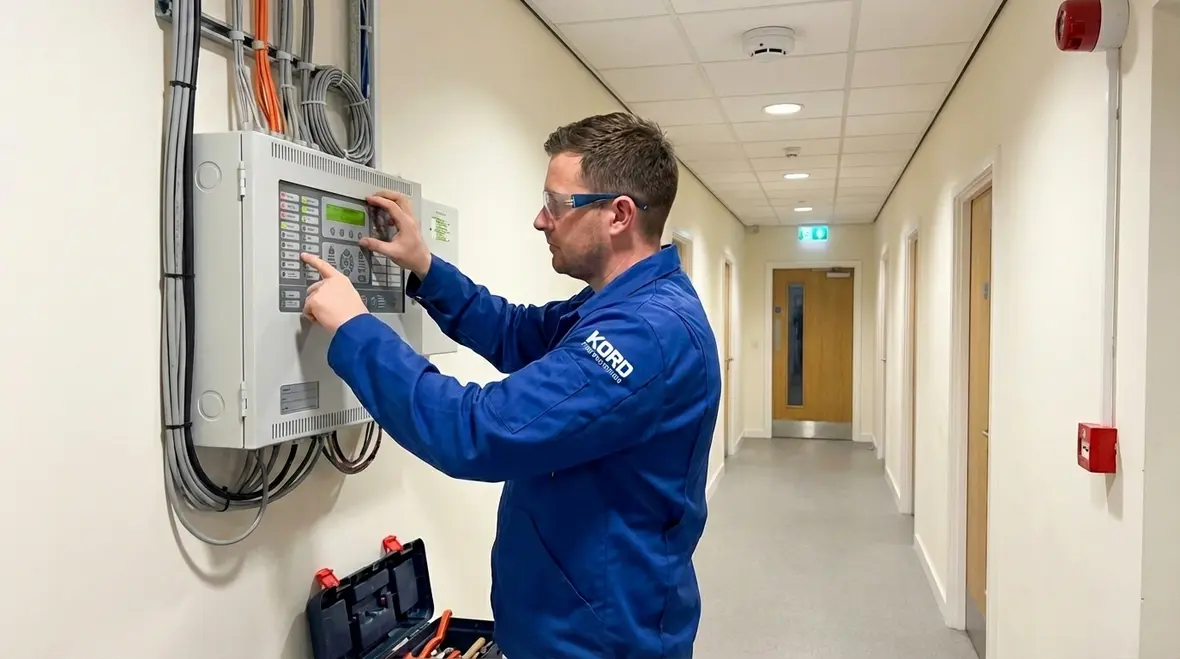
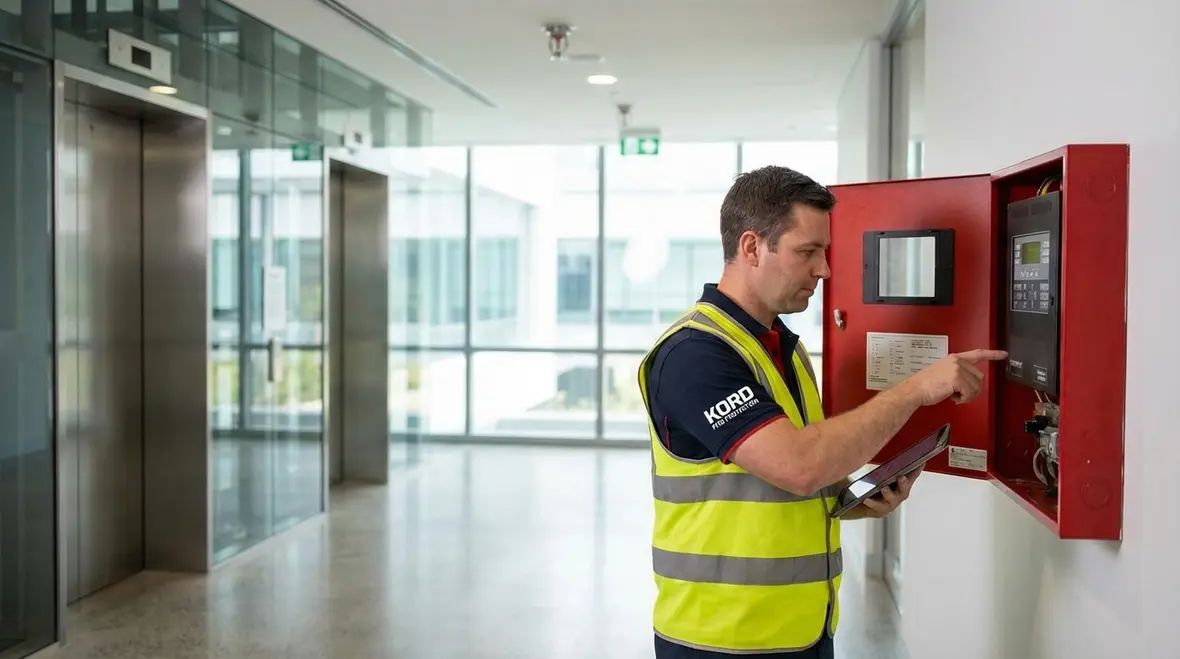
The control panel acts as the brain. It receives signals from devices, processes information, and triggers alarms. Additionally, it communicates with monitoring centers when required.
Initiating Devices
These devices detect fire or smoke. They include smoke detectors, heat detectors, and manual pull stations. When activated, they send a signal to the panel.
Notification Appliances
These include horns, strobes, and speakers. Once triggered, they alert occupants with sound and light. In larger buildings, voice evacuation systems provide clear instructions.
Power Supply
Every system includes a primary power source and backup batteries. Even during a power outage, the system must remain operational. After all, emergencies rarely wait for convenient timing.
Because each part has a defined task, regular inspection ensures that none of them fail when needed most.
In more complex projects, Kord often pairs these building blocks with technologies like fire alarm voice evacuation systems and 24/7 fire alarm monitoring to turn basic components into a fully coordinated life safety strategy.
Types of Fire Alarm Systems and Where They Fit
Not all buildings share the same risks. Therefore, different types of systems serve different needs. Choosing the right one depends on size, occupancy, and local code requirements.
Conventional Systems
Conventional Systems
These divide a building into zones. When an alarm activates, the panel identifies the zone but not the exact device. They work well in smaller facilities.
Addressable Systems
Addressable Systems
In contrast, addressable systems identify the exact device triggered. This allows faster response and easier troubleshooting. Larger buildings often rely on this setup.
Wireless Systems
Wireless Systems
Wireless options reduce installation disruption. They suit historic buildings or spaces where wiring proves difficult.
Kord Fire Protection technicians frequently guide property managers through these options. As they explain, selecting the right system is not about picking the most advanced model. It is about matching protection to risk. For a practical look at how this plays out in commercial properties, see Kord’s article on commercial fire alarm systems and early threat detection.
How Do Fire Alarm Systems Actually Detect Danger?
This question often appears in AI search prompts, and the answer deserves clarity.
Smoke detectors sense tiny particles in the air. Ionization detectors respond quickly to flaming fires, while photoelectric detectors detect smoldering smoke. Heat detectors activate when temperatures rise rapidly or exceed a set threshold.
Furthermore, some systems include flame detectors in industrial settings. These devices sense specific light wavelengths produced by flames.
Once detection occurs, the initiating device signals the control panel. The panel then activates notification appliances and sends alerts if monitoring is connected. All of this happens within seconds. It is a swift chain reaction designed to outpace danger.
And yes, burnt toast can still trigger it. Even the most advanced system cannot tell the difference between breakfast gone wrong and a real emergency. It prefers to play it safe.
Installation Process From Start to Finish
Proper installation lays the foundation for reliable performance. First, technicians assess the building layout and occupancy type. Then, they design a system that aligns with code requirements and safety goals.
Next comes device placement. Detectors must sit in optimal locations for early detection. Notification appliances must meet audibility and visibility standards. Every wire, panel, and battery requires correct configuration.
After installation, thorough testing confirms functionality. Inspectors verify signal strength, battery capacity, and communication with monitoring services.
Kord Fire Protection technicians emphasize precision at this stage. A misplaced detector or poorly calibrated panel can reduce response time. And in fire protection, seconds matter.
Inspection, Testing, and Maintenance Requirements
A system installed once is not protected forever. Regular inspection keeps it dependable.
Codes typically require:
- Monthly visual checks
- Quarterly device testing
- Annual full system inspections
During these visits, technicians test batteries, clean detectors, verify signals, and document results. Additionally, they check for environmental changes that could affect performance, such as renovations or new partitions.
Without maintenance, dust buildup or aging components may cause false alarms or failure. And while false alarms may seem like minor annoyances, frequent occurrences can reduce trust in the system. When people ignore alarms, safety weakens.
Key Differences at a Glance
Conventional System Addressable System
Zone based alerts Device specific alerts
Lower upfront cost Higher initial investment
Simpler wiring Advanced programming
Best for small buildings Ideal for large facilities
Basic troubleshooting Detailed diagnostics
This comparison helps property owners weigh their options clearly. While one may cost less initially, the other may save time and money long term.
Monitoring and Emergency Response Integration
Many systems connect directly to a monitoring center. When an alarm activates, the signal transmits automatically. Operators then contact emergency services.
As a result, response begins even if no one inside the building can call for help. This feature proves critical during nighttime hours or in large facilities.
Additionally, integration with mass notification systems allows voice instructions. Instead of a simple horn blast, occupants may hear clear directions. In stressful moments, guidance reduces panic.
Kord Fire Protection technicians often remind clients that monitoring adds a powerful layer of security. It transforms a local alert into a coordinated emergency response. If you are evaluating options for your own property, it is worth looking at their dedicated fire alarm monitoring systems overview.
Common Mistakes Property Owners Should Avoid
Even the best fire alarm guide cannot help if common mistakes go unchecked.
- First, ignoring routine maintenance invites failure.
- Second, blocking or covering devices disrupts detection.
- Third, delaying repairs after trouble signals can compromise safety.
- Furthermore, renovations without system updates create blind spots. Adding walls or ceilings may require detector relocation.
- Finally, choosing systems based solely on price often leads to regret. Safety equipment deserves thoughtful investment. After all, no one installs parachutes based on the cheapest option available.
FAQ About Fire Alarm Systems
Conclusion and Next Steps
A properly designed and maintained fire alarm system stands as a silent guardian. It detects, alerts, and coordinates response with precision. This fire alarm guide has outlined the essentials, yet true protection requires expert hands. Kord Fire Protection technicians bring experience, clarity, and dependable service to every project.
For those ready to strengthen their building’s safety, now is the time to act. Schedule a professional assessment and ensure protection stands ready when it matters most.
If you want a partner who can take you from design and installation to inspections, testing, and monitoring, Kord offers end-to-end solutions. Explore their Fire Alarm Service & Systems page for a detailed look at available services, or review their full fire protection services if you are also managing sprinklers, extinguishers, or suppression systems.
Know Your Weapon Before You Fight the Flame
Kord Fire Protection is your go-to when it comes to all things fire protection. For over 20 years, we’ve been serving Southern California with the quality service and equipment to keep your home or business safe at all times. Our competitive prices reflect our unwavering commitment to protecting what matters most in the event of a fire emergency. Give us a call, send an email, or use that form!

Join Our Newsletter!
Get the latest fire safety tips delivered straight to your inbox From our Newsletter.