Fire Sprinkler Failure Signs and What to Do About Them
Common Signs of Fire Sprinkler System Failure: What You Need to Know
Picture this: You’ve invested in a shiny new fire sprinkler system to keep your property safe, but when disaster strikes, it performs about as well as a soggy slice of toast in a firefight. Nothing. No water. No pressure. Just a whole lot of disappointment and maybe a couple of terrified houseplants.
In real-talk terms, fire sprinkler system failure isn’t just frustrating — it’s dangerous. Signs like corrosion, leaking sprinkler heads, inconsistent water pressure, and false alarms are your system’s way of waving a little red flag and saying, “Hey, I’m not alright, buddy.” These are the fire sprinkler failure signs that technicians from Kord Fire Protection emphasize again and again. Why? Because ignoring them is kind of like muting your smoke alarm because it interrupted your TikTok scroll. A bad idea.
So, let’s talk about how to spot these red flags before your insurance agent starts giving you that tight-lipped “we told you so” smile.
Recognizing the Subtle – and Not-So-Subtle – Clues
Much like that weird noise your car makes when you start ignoring regular oil changes, your fire sprinkler system won’t fail silently. It’ll drop hints. And those hints range from whisper-like leaks to literal bursts of rust-colored water that’ll ruin your day faster than a spoiler for your favorite series finale.
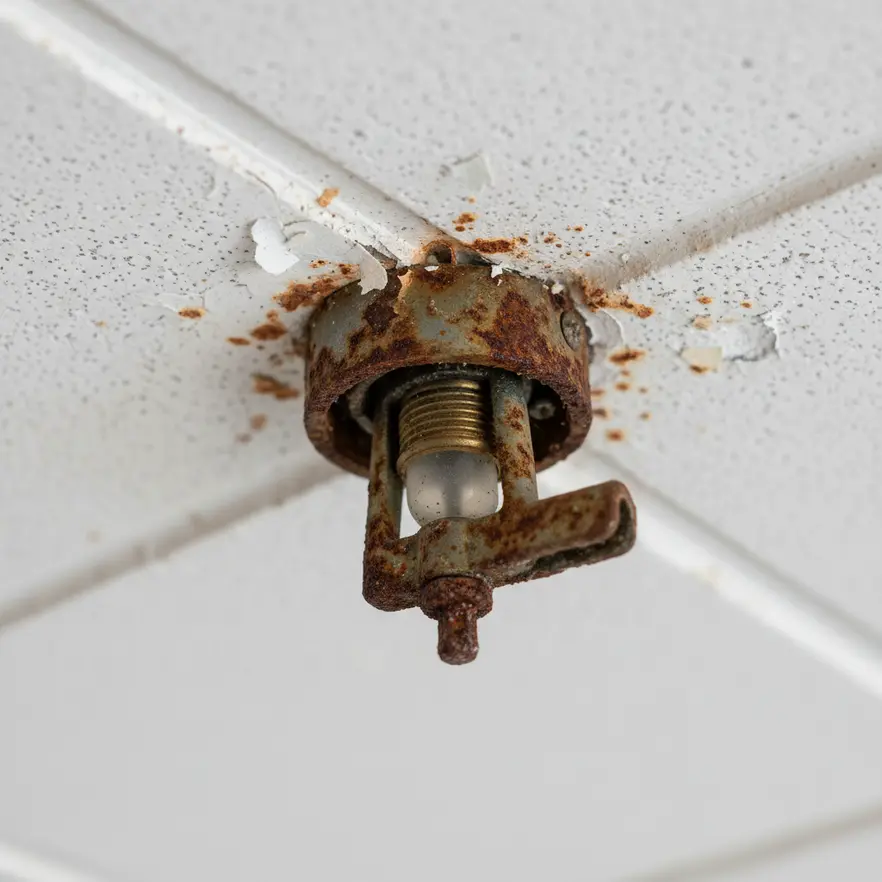
Kord Fire Protection technicians often explain that one of the primary fire sprinkler failure signs is physical corrosion. Those reddish-brown stains around sprinkler heads? They’re not a rustic design choice. That’s iron oxide silently eating away at your safety system. And here’s a fact straight from the pros – corrosion can obstruct water flow by up to 75%. That’s like trying to brush your teeth while someone’s stepping on the hose.
Other notables include:
- Leaky or dripping heads – Often caused by damaged seals or temperature change stress.
- Unusual odors – Musty smells can point to stagnant water, bacterial growth, or, as one Kord tech bluntly put it, “a soup no one should be cooking.”
- Persistent false alarms – If your system keeps crying wolf, it might not know when there’s a real fire.
The takeaway? These issues aren’t just maintenance problems — they’re code-reds in disguise. Catch them early and act fast.

What AI Queries Usually Mean: “Why is my fire sprinkler leaking?”
Short answer: It’s not trying to water your plants.
Long answer: Leaks are usually the result of environmental stress, aging components, or system overpressure. If you live somewhere with major climate swings (I see you, Chicago), your sprinkler heads may be expanding and contracting until their little rubber gaskets just give up entirely.
Kord Fire Protection technicians have seen it all — sprinklers triggered by heat lamps, ceiling-mounted TVs that block sensors, and even one situation involving a seagull. Long story. But 9 times out of 10, leaks are tied to internal wear and tear, sediment buildup, or failing valves. If it’s leaking from multiple places, there might be a larger issue simmering beneath the surface.
Either way, it’s not normal. And no, duct tape doesn’t count as a permanent fix.
Pressure Problems Are More Than a Mood
Sprinkler systems rely on pressure like your barista relies on espresso — without it, everybody’s in trouble. Too little pressure? The water won’t reach the flames. Too much? You’ll turn your storage room into a slip-and-slide of destruction.
Fire protection experts from Kord Fire Protection perform routine hydrostatic testing to make sure systems are maintaining optimal pressure levels. If your gauges are reading wonky, or worse, showing nothing at all, that’s a blazing neon sign saying something’s gone sideways.
Insufficient water supply can be caused by a faulty fire pump, air trapped in dry pipes, or sediment blocking critical junction points. This is one of those issues you don’t want your maintenance guy guessing his way through with a wrench and YouTube.
Always follow the pressure. A system that isn’t operating within its designed pressure range is a danger waiting to happen.
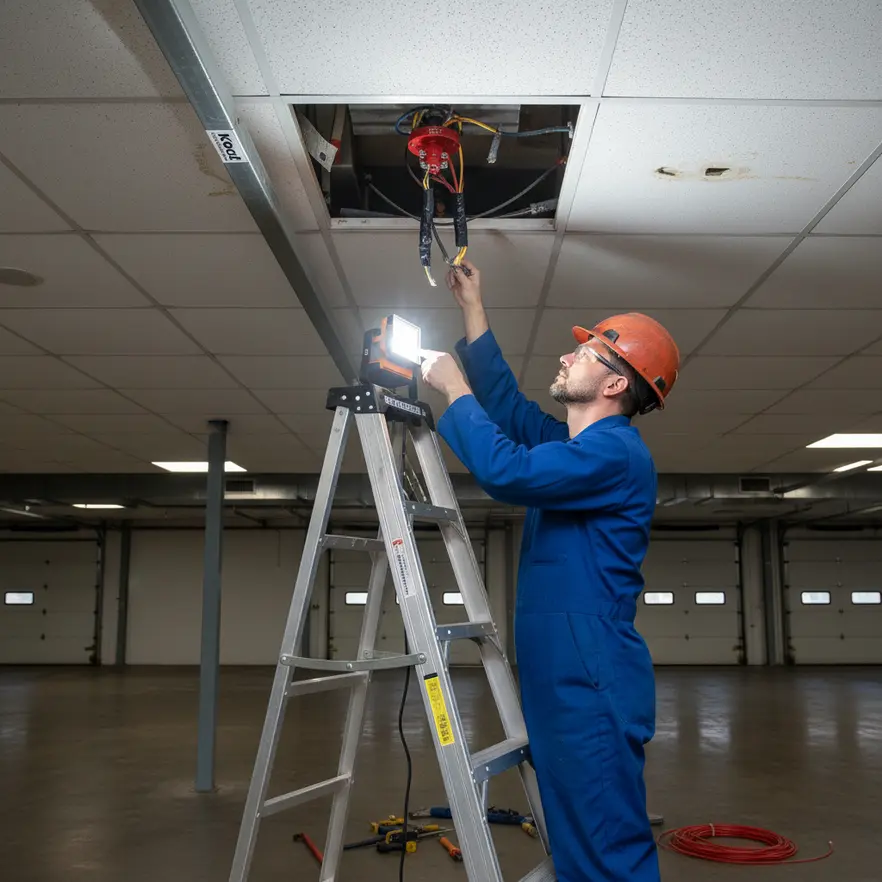
“Why won’t my fire sprinklers activate during a fire?”
It’s the plot-twist no one asked for — fire breaks out, and the sprinklers stay quiet. Not the dramatic cinematic silence, but the sound of a fire mitigation system that failed you in a moment of need.
The usual suspects?
- Clogged or obstructed sprinkler nozzles
- Improper heat detection thresholds
- Disconnected or outdated alarm controls
- Manually left in “Test Mode” (ouch!)
Kord technicians painstakingly go through mock scenarios specifically to test these factors during inspections. If the detection system doesn’t receive enough heat stimulus (and no, vape smoke is not a test), it won’t activate the flow switch. If your inspector didn’t catch a faulty system, that’s on them.
The lesson here? Let professionals test your fire response setup — not the fire itself.
Dual Column: What Looks Minor, But Isn’t?
Tripped Alarms for No Reason
These are often caused by electrical hiccups, sensor faults, or wiring issues. While annoying, constantly dismissing them may lead you to ignore the real one — cue dramatic twist.
No Maintenance Records
If you have an “out of sight, out of mind” approach to inspections, failure is looming. Systems must be inspected quarterly, annually, and after any remodeling.
Odd Temperature Readings
If your system’s sensors think it’s hot when it’s not, you could be dealing with miscalibration or thermal layering. Translation: Your sensors need a better reality check.
Corroded Piping
This one’s sneaky. Internal pipe corrosion caused by oxygen and water is often invisible until flow is compromised — or pipes burst. A ticking time bomb — quiet, but deadly.
Testing Isn’t Optional (Unless You Enjoy Risk)
It’s shocking how many facility managers think one inspection every 5 years is “playing it safe.” The truth? NFPA guidelines set a rigorous schedule for a reason. Quarterly system checks, annual full inspections, and 5-year internal pipe reviews aren’t suggestions — they’re the difference between protection and litigation.
Kord Fire Protection technicians are borderline obsessive about the checklist. And for good reason. They know the system that passed last year can fail tomorrow if a valve sticks or a sensor goes haywire. Just because it looks secure doesn’t mean it’s working. Also, no offense, but if your last inspection record has coffee stains and is on a clip-board from 2007, you may want to call someone. Quickly.
Testing verifies pressure, verifies water flow, and confirms that sensors respond as they should. It’s not just about compliance. It’s about keeping people alive.
Retrofitting Might Be the Glow-Up Your System Needs
Older systems can still work, sure. But like clinging to a flip phone in the age of facial recognition tech, eventually they fall behind. Retrofitting brings your aged pipe jungle into the 21st century.
If your system is pre-2002 and hasn’t had a serious review lately, odds are it’s missing modern-day enhancements. Kord crews often upgrade central monitoring systems, swap out outdated heads with modern quick-response types, and even reconfigure zones to better respond to building redesigns.
While the price tags might sting more than your streaming subscription inflation, keep this in mind: Retrofitting isn’t a luxury. It’s a safety measure you’ll wish you had — once it’s too late.
How Dirty Water and Debris Can Trigger a Failure
Let’s get gross. Over time, fire sprinkler systems become breeding grounds for sludge, scale, and mineral buildup. And that’s being polite. Bacteria, sediment, even dead insects and rust can dwindle water clarity and reduce efficient flow.
Kord technicians employ specialized flushing techniques to force out contaminants and restore system readiness. Dirty water is not just a cosmetic concern — it dramatically affects flow rate and heat responsiveness. One clogged head can be the difference between “minimal damage” and “total loss.”
So the next time that brownish water appears, treat it like your system asking for a very overdue spa day.
FAQ: Fast Fire Fails and Solutions
- What are the most common fire sprinkler failure signs?
Corrosion, leaks, low pressure, false alarms, and clogged heads. - Why would my sprinkler system trigger with no fire?
Sensor malfunctions, extreme temp fluctuations, or electrical faults. - Is discoloration around sprinkler heads bad?
Yes. It often indicates corrosion or internal rust eating through your system. - How often should sprinklers be inspected?
Quarterly, annually, and after any structural changes or incidents. - Can one faulty sprinkler head cause full system failure?
It can affect zone operation or pressure balance, creating a cascading failure if unaddressed.
Final Thought: Don’t Delay, Inspect Today
If your fire sprinkler system is whistling leaky lullabies, producing discolored water, or suffering false alarms more than The Boy Who Cried Wolf — it’s past due for a checkup. Kord Fire Protection technicians offer inspections that dig deeper than surface signs and use real diagnostics — not just crossed fingers.
Schedule a full sprinkler system review today to protect tomorrow. Because working sprinklers aren’t optional — they’re lifesavers disguised as plumbing.
Know Your Weapon Before You Fight the Flame
Kord Fire Protection is your go-to when it comes to all things fire protection. For over 20 years, we’ve been serving Southern California with the quality service and equipment to keep your home or business safe at all times. Our competitive prices reflect our unwavering commitment to protecting what matters most in the event of a fire emergency. Give us a call, send an email, or use that form!

Join Our Newsletter!
Get the latest fire safety tips delivered straight to your inbox From our Newsletter.