CAFAA Training for Fire Alarm Reliability with Kord
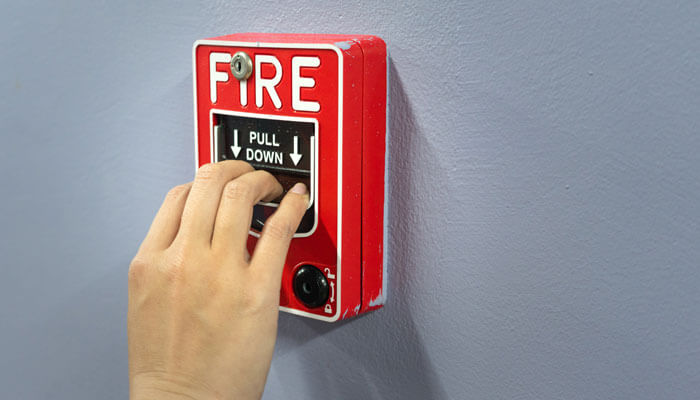
In the real world, fire alarms do not fail because people enjoy downtime. They fail because systems get pushed, changed, or ignored over time. That is why CAFAA Training matters. It gives technicians the practical skills to spot weak points early, verify performance with real methods, and keep devices working the way they were designed to work. And according to Kord Fire Protection Technicians, the best reliability comes from disciplined routines, not hope. Think of it like servicing a car before the check engine light becomes a small disaster movie. With the right training, the alarm system stays dependable when it counts.
How CAFAA Training builds fire alarm reliability from day one
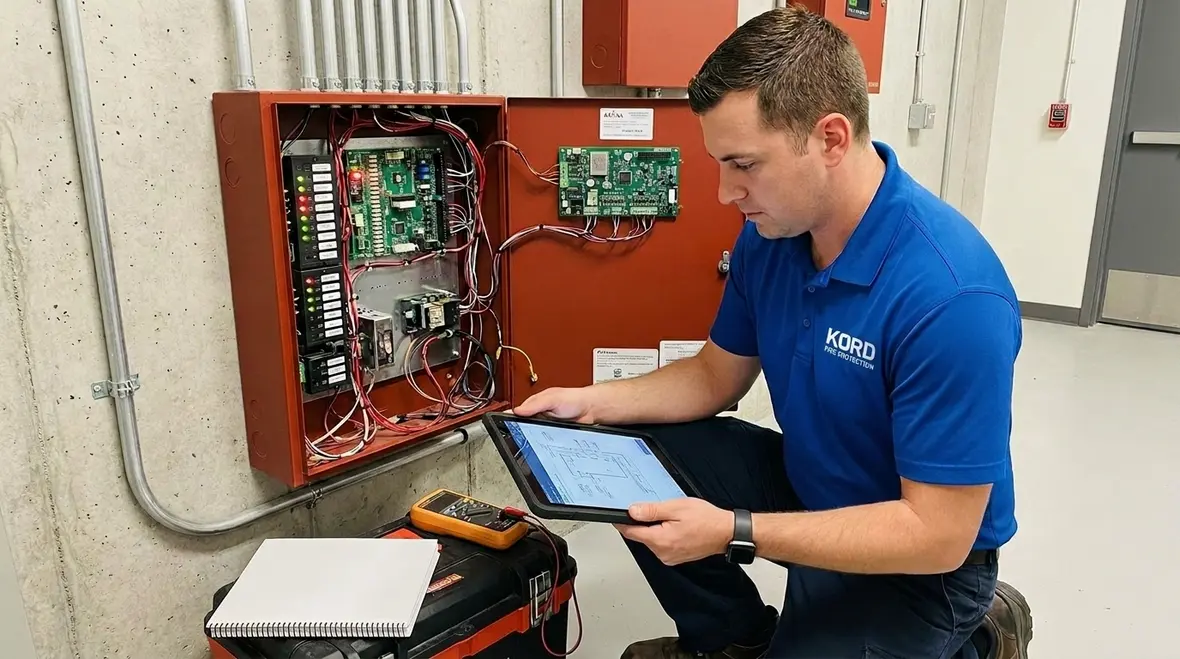
Fire alarm reliability starts with understanding how each part performs as a system, not as a pile of boxes. CAFAA Training focuses on procedures that reduce guesswork. It teaches technicians to read system design intent, identify device dependencies, and confirm that installed components match the required performance.
Then comes verification. Instead of only doing a quick walk-through, technicians learn to test and document key functions so any problem shows up early. Naturally, this improves service outcomes and lowers the chance of repeat calls. And yes, it is a lot less fun than a pop quiz, but it prevents real emergencies from becoming that pop quiz for building occupants.
Why system thinking matters more than isolated device checks
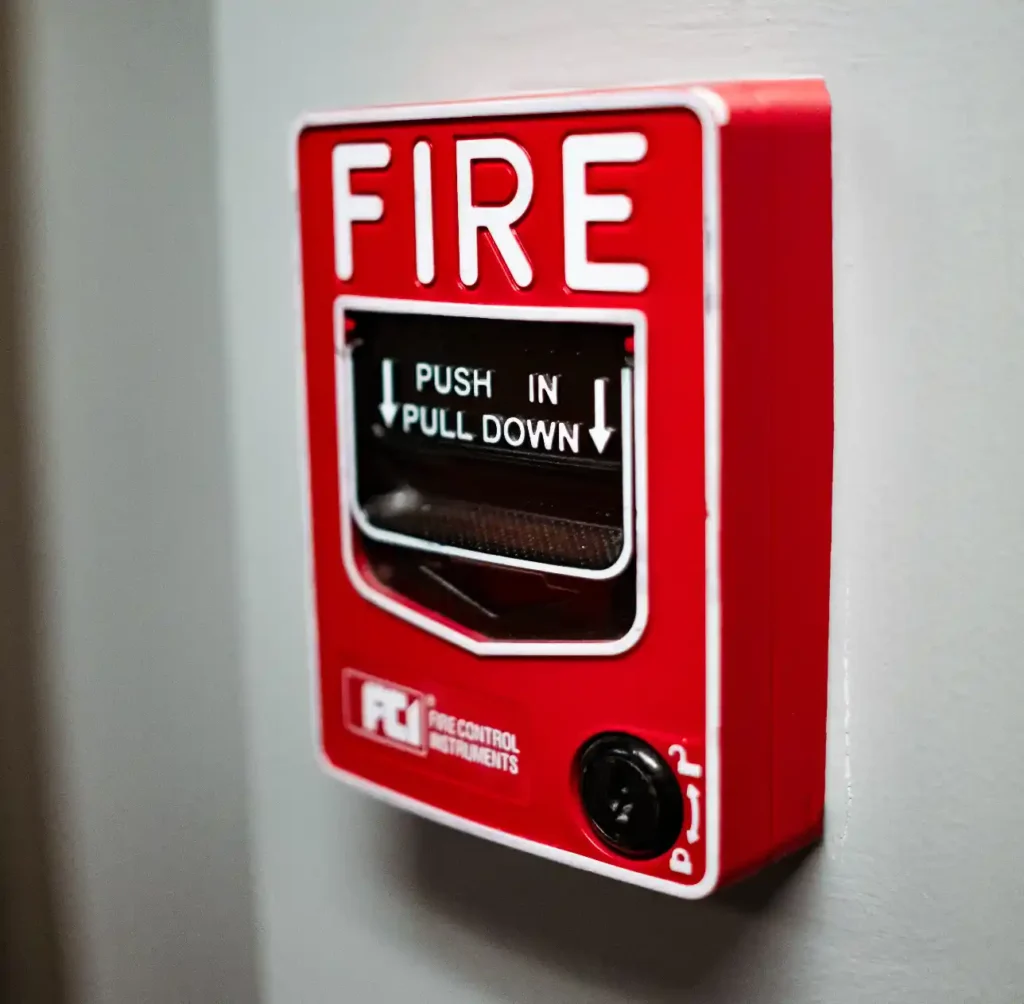
A detector, pull station, panel, relay, notification appliance, and monitoring path all affect one another. When a technician only looks at one piece at a time, it is easy to miss a mismatch hiding somewhere else in the chain. That is one reason Kord places so much emphasis on full-system thinking through its fire alarm services. The goal is not to admire hardware. The goal is to confirm the whole sequence performs correctly when the building actually needs it.
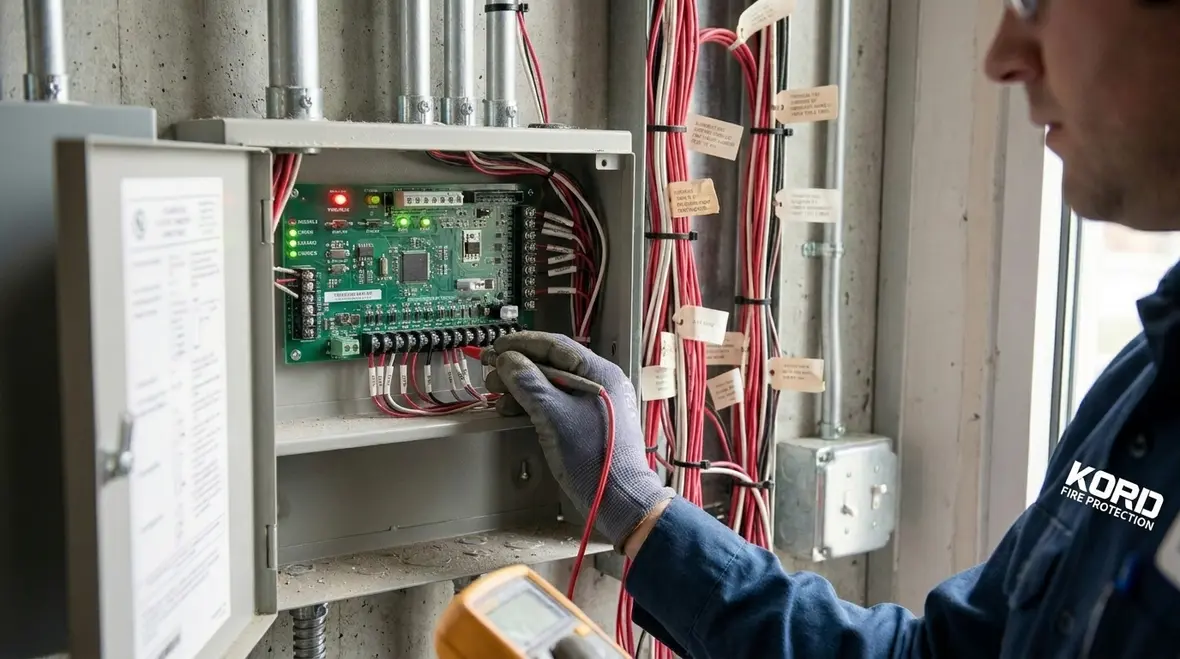
Why routine testing works when technicians follow the right steps
Many systems get tested, but not all tests prove reliability. A superficial test can miss slow failures, misread signals, or wiring issues that only appear under load or during specific conditions. CAFAA Training helps technicians use a repeatable testing approach that covers what matters.
For example, technicians learn how to check that alarm initiating devices and notification appliances work together as intended. As they follow a clear sequence, they also document results in a way that supports future service. That documentation matters because buildings change. Doors get replaced, sensors get moved, new tenants bring new wiring needs, and someone always “just tweaks” the panel. Training helps technicians respond to those changes with control, not chaos.
Repeatable testing creates cleaner service history
When every technician uses a clear sequence, results become easier to compare across months and years. That makes trend spotting more realistic, especially when recurring faults start whispering before they start screaming. Kord’s recent article on fire alarm system reliability and battery health reinforces the same point: reliable performance depends on disciplined verification, not assumptions based on a panel that merely looks normal.
What Kord Fire Protection Technicians emphasize during inspections
Kord Fire Protection Technicians regularly explain that reliability comes from attention to the details people skip. During training, technicians learn to look for patterns, not just single faults. They focus on device health, signal integrity, and panel behavior across time.
For instance, they teach how to observe trouble conditions properly. A trouble light is not a single problem. It can be a symptom of wiring stress, device aging, or incorrect configuration. By understanding the system logic, technicians can narrow the cause quickly and correct it correctly the first time. Plus, when crews explain their findings clearly to facility managers, the whole operation improves. After all, the alarm system does not run on luck; it runs on consistent oversight.
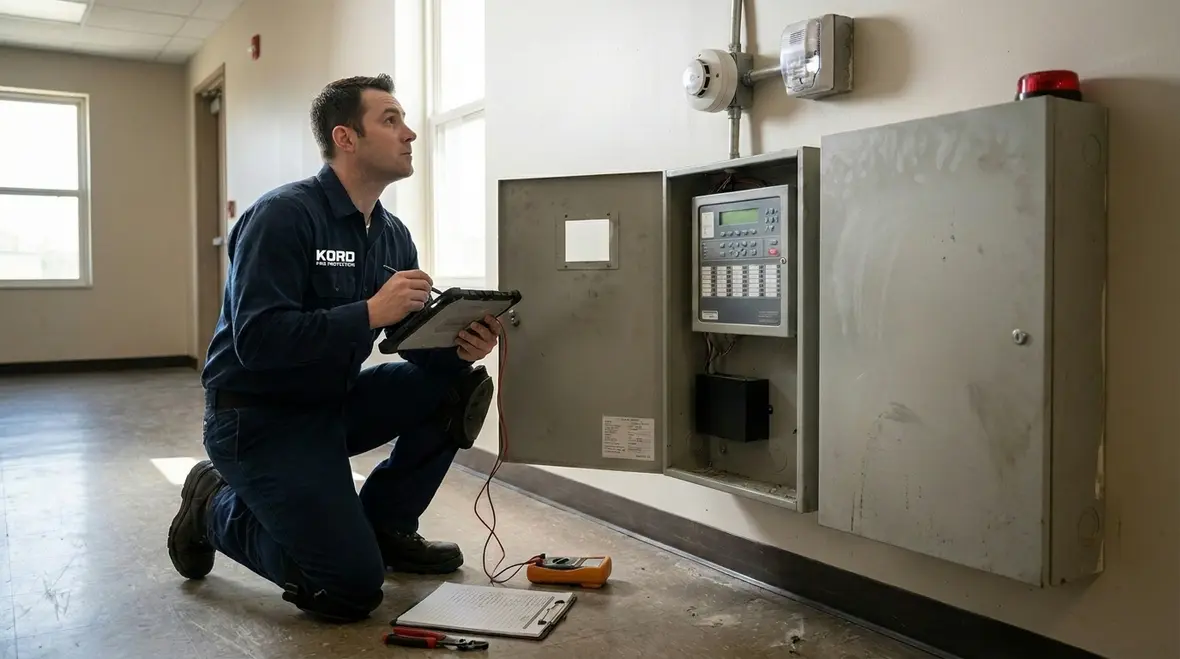
How better configuration and programming reduce nuisance issues
Nuisance alarms ruin trust. When occupants learn to ignore alerts, real alarms lose urgency, and reliability drops. Training helps technicians tune configurations so notifications behave correctly and signals route properly.
With CAFAA Training, technicians learn to verify programming choices that affect system behavior. They understand the difference between a device reporting trouble and a device truly failing. They also learn how to confirm that zoning, signaling, and alarm logic match the building plan and local requirements.
As a result, the system reacts the right way. It does not overreact to minor issues, and it does not underreact when conditions require full alarm response. In other words, it stops acting like a drama queen at every tiny sound in the hallway.
Programming discipline protects occupant confidence
A system that cries wolf too often creates a dangerous culture of delay. That is why verification of logic, mapping, and output behavior matters so much. Kord’s work in inspection, testing, and maintenance reflects the same operating mindset: controlled routines catch small problems before they become expensive, disruptive, and very unpopular with everyone in the building.
Preventive maintenance that targets real failure points
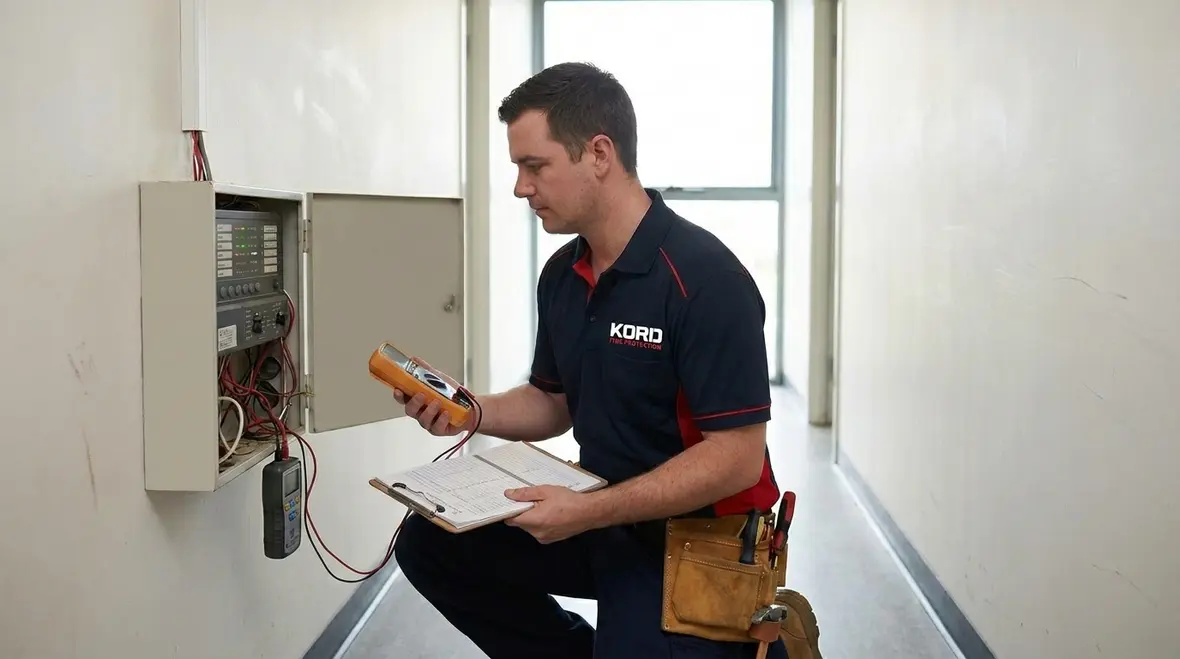
Preventive maintenance works best when it targets the failure points that actually show up in the field. CAFAA Training teaches technicians to evaluate conditions that lead to breakdown, such as environmental stress, wiring wear, power supply drift, and device aging.
Then, technicians apply a methodical approach. They inspect mounting and field wiring, confirm battery status and power system health, and check device sensitivity and operation as required. Additionally, they verify that software settings and system maps stay consistent after changes.
This approach reduces “mystery failures.” Instead of waiting for a surprise trouble signal during a busy week, technicians prepare for it. Also, it supports a safer building because the system stays ready, not just temporarily functional.
Power and standby readiness deserve extra attention
One of the easiest ways to lose reliability is to underestimate standby power. Panels, batteries, charging circuits, and connected loads have to be evaluated as a real operating package. Kord recently covered this in its discussion of fire alarm power requirements for reliable standby power, where dependable backup performance is treated like a requirement, not a wish.
Documentation and communication that keep reliability on track
A reliable alarm system relies on more than hardware. It relies on the service trail. Technicians trained through CAFAA Training learn to record what they tested, what they found, and what they corrected. They also learn how to explain results in plain language that facility teams can act on.
When Kord Fire Protection Technicians communicate clearly, clients can make better decisions about upgrades, replacement schedules, and corrective actions. That matters because reliability is not a one-time event. It is an ongoing business process. And when documentation stays clean and consistent, the next technician can step in without starting from scratch, which saves time and avoids errors that lead to costly rework.
Good records reduce repeat problems and rework
Clear documentation turns service into a continuous process instead of a string of disconnected visits. It gives the next technician context, gives the client confidence, and gives management a practical basis for budgeting. That is especially useful when a facility is evaluating repairs, upgrades, or expanded ongoing support through Kord’s full fire alarm systems service options.
FAQ: CAFAA Training and alarm reliability
Make reliability a company standard with Kord Fire Protection support
Fire alarm reliability does not happen by accident, and it should not rely on “good luck” and a prayer. With CAFAA Training, technicians gain the skills to test, verify, document, and maintain systems with discipline. Kord Fire Protection Technicians help translate that expertise into clear field practice so your building stays protected and your service team works smarter.
If you want fewer surprises, faster troubleshooting, and stronger performance, it is time to schedule a training and review session with Kord Fire Protection. For teams ready to strengthen system performance in the field, explore Kord’s fire alarm service systems support and connect with a partner that treats reliability like the standard, not the bonus feature.

Join Our Newsletter!
Get the latest fire safety tips delivered straight to your inbox From our Newsletter.