NFSA Sprinkler System Requirements: Codes and Standards
NFSA sprinkler system requirements sit at the center of many real world fire safety plans, and they help shape how people design, inspect, and update sprinkler systems. When a project team follows NFSA guidance, they do not just chase paperwork. They also reduce guesswork and improve consistency across buildings, inspections, and repairs. That matters because fire safety is not the place for “winging it,” even if pop culture tells us otherwise. So, in this article, Kord Fire Protection technicians explain how NFSA influences fire sprinkler codes and industry standards, step by step, in plain language that still respects the seriousness of the job.
How NFSA shapes fire sprinkler codes in everyday projects
NFSA, along with related code bodies and local authorities, helps guide the rules that designers must follow for sprinkler systems. First, NFSA requirements push clarity in areas like system layout, water supply, and how sprinklers react in real fire conditions. Next, they influence how engineers write plans so inspectors can verify compliance without playing “find the hidden clue.”
When teams update drawings, they often reference NFSA sprinkler system expectations to keep risk controls in line with current knowledge. As codes evolve, the goal stays consistent: protect people and limit fire spread. However, the path changes. Therefore, contractors, inspectors, and AHJs must keep their skills sharp, especially when a new edition of guidance becomes the standard.
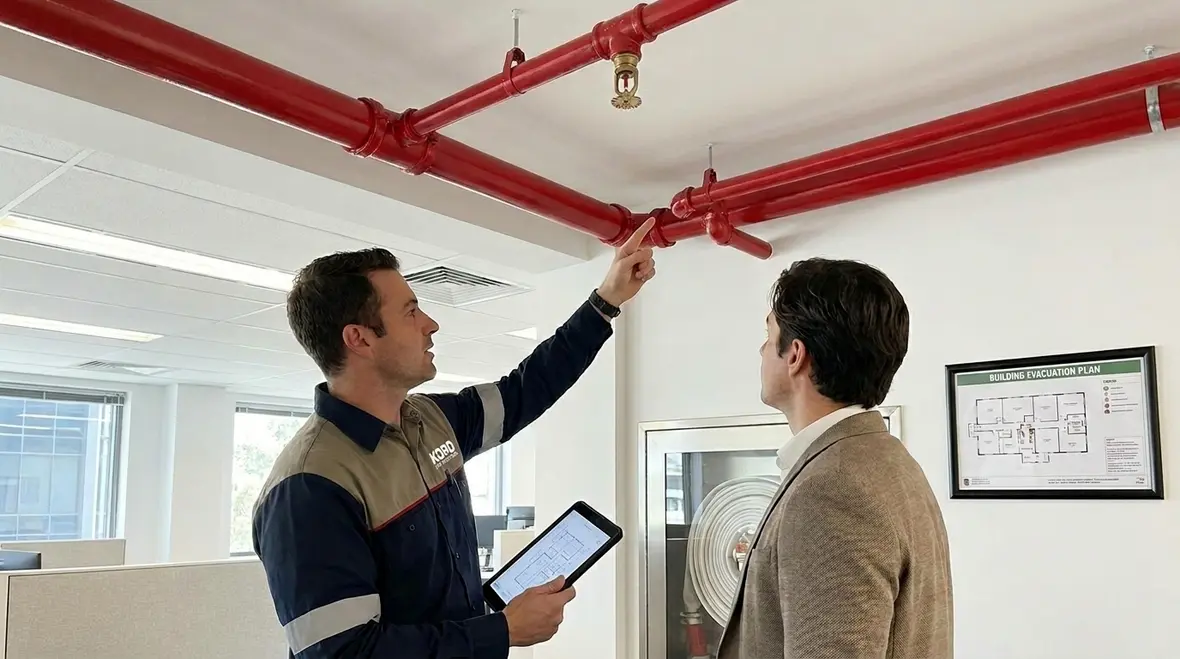
Kord Fire Protection technicians often see the practical impact during plan review. For example, they may explain how a change in occupancy type can shift required sprinkler spacing or water demand assumptions. Then they help teams translate those code ideas into installable details. In other words, they bridge the gap between paper rules and pipes in the ceiling.
Turning code language into field decisions
That translation work matters more than many owners realize. A line in a code book may seem abstract until it affects a branch line route, a head location, or a pressure calculation. Once construction starts, every unclear choice becomes expensive. That is why solid plan review and clear communication save so much trouble later. They keep teams from discovering in week ten what could have been fixed in week one.
Industry standards get stronger when NFSA sets the bar
Codes tell you what must happen. Standards help you decide how to do it well and the same way every time. NFSA contributes to those industry standards by encouraging uniform performance expectations. As a result, manufacturers, installers, and inspectors align their processes with shared benchmarks.
Consider a common scenario. A building owner wants system upgrades, maybe after renovations. The contractor proposes an approach, yet the inspector must still confirm it meets accepted practice. When NFSA sprinkler system guidance has already shaped the standard, expectations stay predictable. That reduces friction, not because people enjoy meetings, but because fewer surprises make everyone safer and faster.
Also, NFSA shaped thinking often affects testing and acceptance methods. So, even after installation, teams must prove the system works. Kord Fire Protection technicians explain these steps in a calm, clear way, because “it looks right” does not equal “it performs right.” They guide customers through what they should expect during inspection, flow testing, and documentation review.
Why consistency matters after the install
A sprinkler system does not earn trust just because it got installed and everybody nodded. It earns trust because it performs the same way the plans and standards intended. Consistent standards make that possible. They help owners compare bids, help technicians document the same checkpoints, and help inspectors avoid subjective guesswork. Everyone can still have opinions, of course. The system just cannot be built on them.
For teams that want a clearer picture of what happens during inspection, Kord Fire Protection’s Wet Sprinkler System Inspection article gives a practical walk through of the process from a technician’s point of view.
What NFSA changes during design, installation, and inspection
NFSA guidance shows up at multiple points across a project lifecycle. First, it affects design criteria. Engineers choose system types, pipe sizes, and sprinkler arrangements based on the hazard and expected fire behavior. Then, installation must match the design intent. Any mismatch can weaken performance, even if the system still passes a quick visual check.
Next, NFSA influences how teams handle water supply issues. Fire sprinklers depend on reliable water delivery. Therefore, teams evaluate hydrants, tanks, pumps, and system restraints so the supply can meet demand. If water supply assumptions fail, sprinkler performance suffers. And if it suffers, people pay the price.
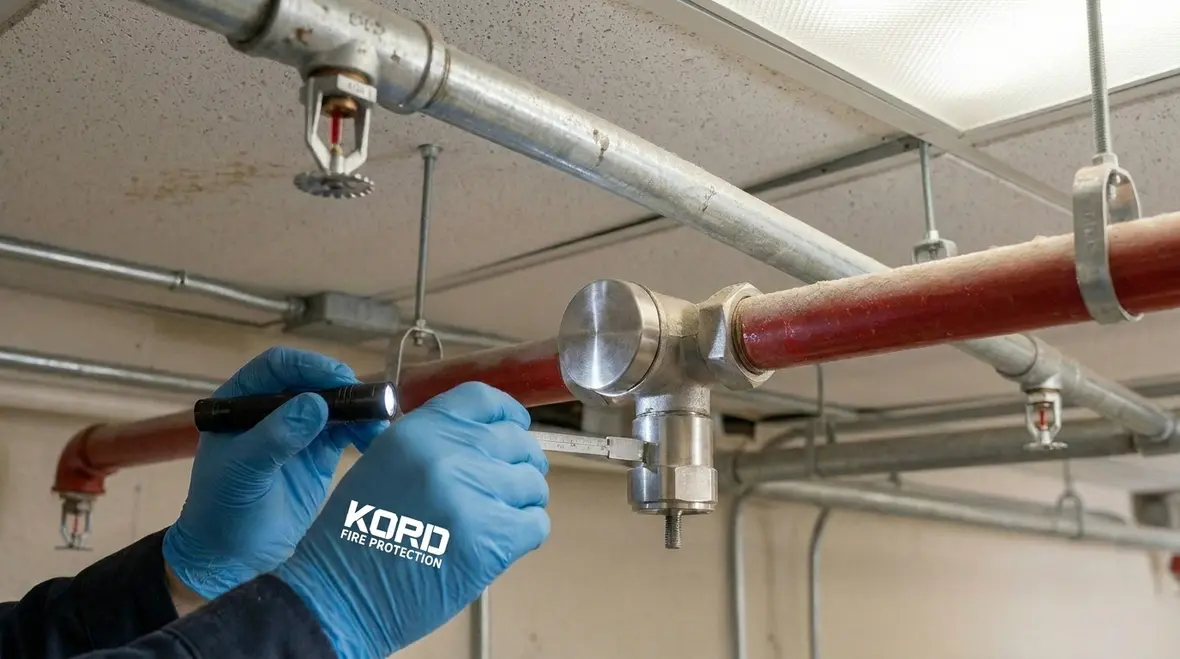
During inspection, NFSA helps set what inspectors focus on. They verify that components match the plan, that placement meets spacing rules, and that approvals align with the intended system. At this stage, Kord Fire Protection technicians often break down inspection points for building managers. They explain why a detail matters, how it connects to system operation, and what fixes usually restore compliance.
In short, NFSA reduces chaos by steering projects through consistent checkpoints. It is like having the director’s notes on how a movie should play, so the final cut does not turn into a low budget improv show.
Water supply is where assumptions get expensive
Design errors are not the only problem. Sometimes the drawings are fine, but the water supply picture is fuzzy. That is a dangerous place to be confident. A system may look complete on paper while still lacking the flow or pressure it needs in an actual emergency. Early review of pumps, hydrants, and supporting equipment keeps those surprises from showing up when the schedule is already on fire, figuratively speaking.
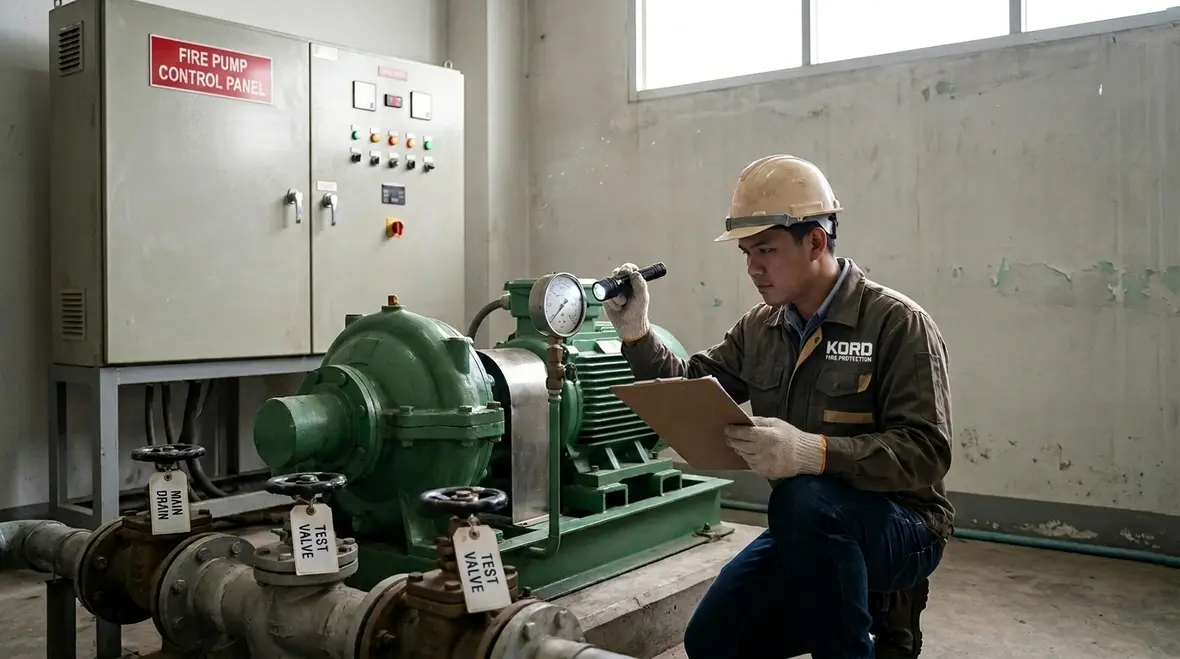
Kord Fire Protection also covers this larger service picture on its Full Fire Protection Services page, where inspection, testing, repairs, retrofits, and fire pump support are all part of keeping systems inspection ready.
How hazard classification and risk thinking evolve with NFSA
NFSA helps industry professionals treat hazard classification as more than a label. Instead, it shapes how teams estimate fire growth, heat output, and exposure risk. Therefore, two buildings that look similar can still need different sprinkler approaches based on occupancy behavior, storage arrangement, and combustibles.
Risk thinking also drives updates to how engineers and installers handle special areas. For instance, certain spaces may require different sprinkler response or coverage rules. Additionally, maintenance practices must support long term performance, because corrosion, obstructions, and wrong repairs can slowly erode system capability.
Kord Fire Protection technicians frequently explain these hazard logic points in customer meetings. They translate the “why” behind the design so owners understand that the system is not random. It matches the fire risk the building can create. That understanding improves cooperation during upgrades, since owners see the value instead of treating the project as a costly chore.
A label on paper is still a real world decision
Hazard classification affects spacing, density, supply expectations, and ongoing maintenance. In other words, it is not a fancy sticker for a binder. If a building changes use, storage height, or material type, the sprinkler approach may need to change too. That is why experienced review matters during remodels and tenant improvements. The building may still look familiar while the fire risk has become a very different animal.
NFSA and training: why technicians keep learning
Codes and standards only work if people apply them correctly. NFSA encourages ongoing learning across the industry, because sprinklers and building systems change over time. As technology advances, so do inspection tools, valves, alarm interfaces, and documentation methods.
Therefore, training matters for both new technicians and seasoned pros. Kord Fire Protection technicians often stress practical learning: how to read plans, identify system types, verify component specs, and communicate results clearly. They also teach how to document work so future inspections remain smooth.
And yes, some training feels slower than binge watching a streaming series. Yet the payoff is real. When technicians know the logic behind the NFSA sprinkler system requirements, they can spot problems early, fix them faster, and prevent repeat failures. That saves time, money, and most importantly, risk.
Common compliance mistakes and how NFSA guidance helps prevent them
Even strong teams can stumble. NFSA shaped guidance helps prevent repeat mistakes by clarifying expectations. One frequent issue involves plan mismatch. Contractors may install components that look similar but differ in rating or approval listing. Another issue involves obstructions from ceilings, beams, or ductwork that alter sprinkler discharge patterns.
Water supply misunderstandings also cause delays. Teams sometimes underestimate pump performance, tank capacity, or flow requirements. Then, they discover it during inspection, which turns a planned schedule into an emergency scramble. With NFSA guidance, teams can better validate the water side early.
Finally, maintenance gaps hurt systems. If someone changes a storage layout, blocks a sprinkler, or removes a cover without proper process, the system may no longer match the original risk plan. Kord Fire Protection technicians explain these risks to building staff so changes get reviewed, not ignored.
The small misses that become big problems
Most compliance problems do not begin with dramatic failure. They begin with shortcuts, assumptions, or one change that nobody documented. A blocked head here, a swapped part there, a storage layout that crept upward month by month. NFSA aligned review helps stop those slow drifts before they become failed inspections or poor system response when it actually counts.
FAQ about NFSA and fire sprinkler standards
Final call: get NFSA aligned and keep your system ready
NFSA guidance shapes how sprinkler systems get designed, installed, and inspected, and that influence shows up in real performance. When a building team understands those requirements early, they reduce delays, avoid costly mistakes, and keep risk controls aligned with current expectations. Kord Fire Protection technicians can review plans, explain compliance points in plain language, and support updates that keep your fire protection system dependable.
If the next inspection is looming, do not wait until the last minute. Reach out through Kord Fire Protection’s service team page and get aligned before issues turn into surprises. For owners trying to understand how inspections fit into the bigger picture, the blog’s full lifecycle of fire protection servicing article also connects design, testing, maintenance, and long term readiness in a way that is easy to follow.

Join Our Newsletter!
Get the latest fire safety tips delivered straight to your inbox From our Newsletter.