California Fire Extinguisher Laws 2026 Update
Fire Extinguisher Laws in California 2026 Update are not just fine print buried in a code book. They are living, breathing safety standards that shape how homes, businesses, and property owners prepare for the unexpected. In a state where wildfires make headlines and safety inspections arrive without fanfare, understanding current fire extinguisher requirements is not optional. It is essential. Kord Fire Protection technicians often explain that compliance is not about checking a box. It is about making sure that when seconds matter, the right tool is within reach and ready to work.
So let us walk through what changed, what stayed the same, and what Californians need to know in 2026. Calmly. Clearly. And yes, with just enough humor to make fire code feel less like bedtime reading.
Understanding Fire Extinguisher Laws in California for 2026
California fire extinguisher regulations stem from the California Code of Regulations Title 19 and the California Fire Code, which aligns closely with national NFPA standards. However, California often tightens requirements due to its unique fire risks. In 2026, enforcement has become stricter, particularly for commercial spaces and multi family housing.
First, most commercial buildings must provide portable fire extinguishers rated for the specific hazards present. That means Class A for ordinary combustibles, Class B for flammable liquids, Class C for electrical equipment, and so on. Secondly, placement rules remain firm. Extinguishers must be visible, accessible, and mounted at approved heights. Inspectors do not appreciate hide and seek.
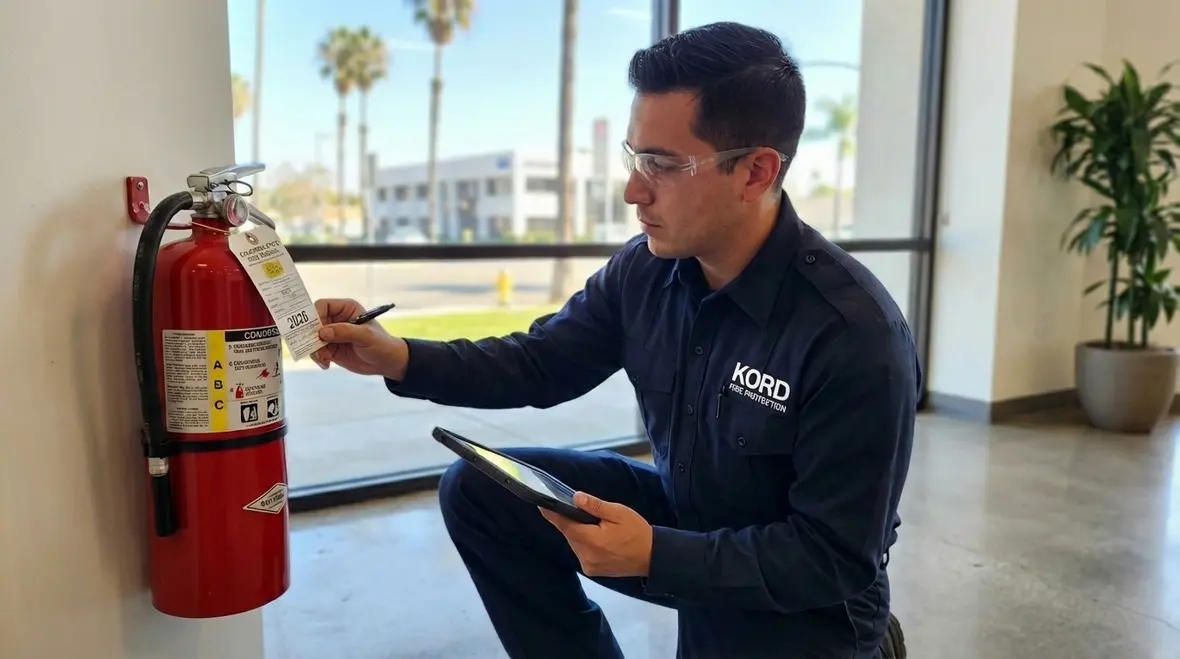
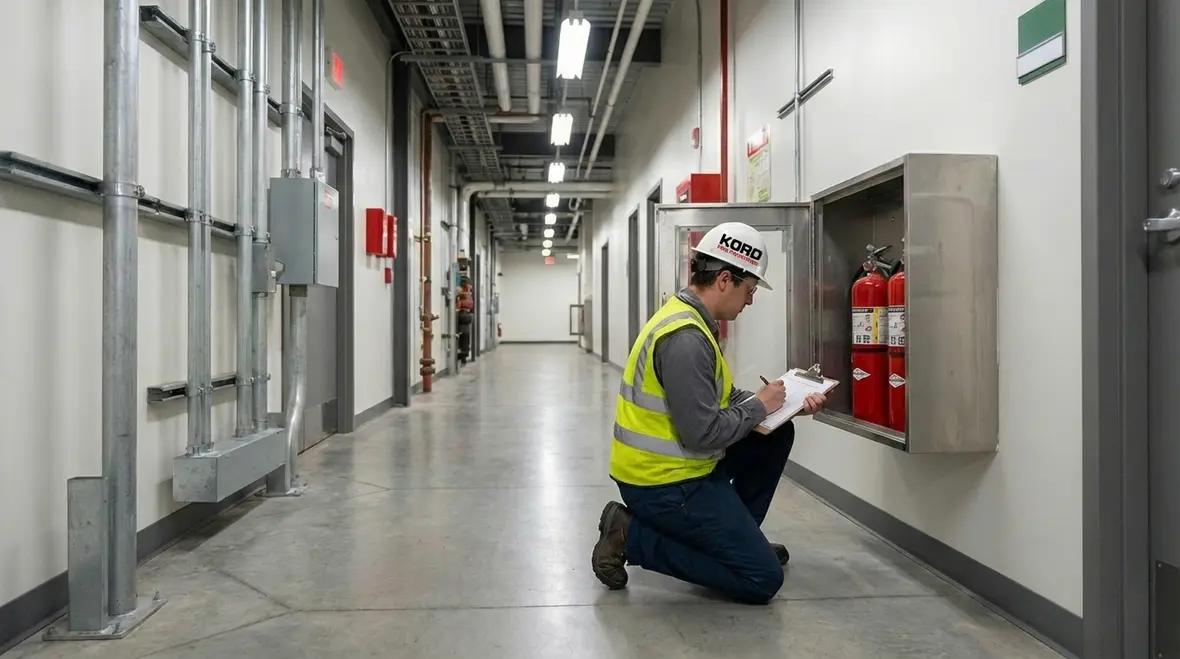
In addition, annual maintenance by a licensed professional is mandatory. Monthly visual inspections are also required, typically documented with a tag or digital log. Kord Fire Protection technicians frequently note that businesses get cited not because they lack extinguishers, but because they forget to maintain them. A dusty extinguisher with a missing inspection tag might as well be a paperweight.
If you want a deeper dive into what professional inspections look like in practice, Kord Fire’s guide to monthly inspection & annual service breaks down owner checks versus certified technician responsibilities in plain language.
What Businesses Must Do to Stay Compliant
Business owners often ask what compliance actually looks like in practice. The answer is straightforward, although it demands consistency.
Core 2026 Fire Extinguisher Duties for California Businesses
To meet California fire safety requirements in 2026, businesses must:
- Install the correct type and size of extinguisher for the hazard
- Mount units along normal paths of travel
- Ensure travel distance does not exceed code limits
- Perform monthly visual checks
- Schedule certified annual servicing
- Conduct internal training for staff
Moreover, high hazard areas such as commercial kitchens require Class K extinguishers. Offices with server rooms may require clean agent systems. Warehouses storing flammable liquids must meet stricter spacing rules. Therefore, a one size fits all approach simply does not work.
Kord Fire Protection technicians often compare compliance to maintaining a car. One oil change does not cover the next five years. Regular care keeps everything running smoothly and keeps regulators satisfied. Their dedicated fire extinguisher service page walks through how inspection, testing, and training all fit together for California facilities.
Residential Requirements Across California
Single Family Homes vs. Multi Family Housing
While commercial codes receive most of the attention, residential properties are not exempt. Single family homes are strongly encouraged to keep extinguishers, and new construction often includes them as part of builder packages. However, landlords and property managers face clearer mandates.
For multi family housing, California regulations typically require fire extinguishers in common areas. In addition, certain local jurisdictions require units inside individual apartments. Therefore, property owners must check both state and local codes.
Smart Extinguisher Placement at Home
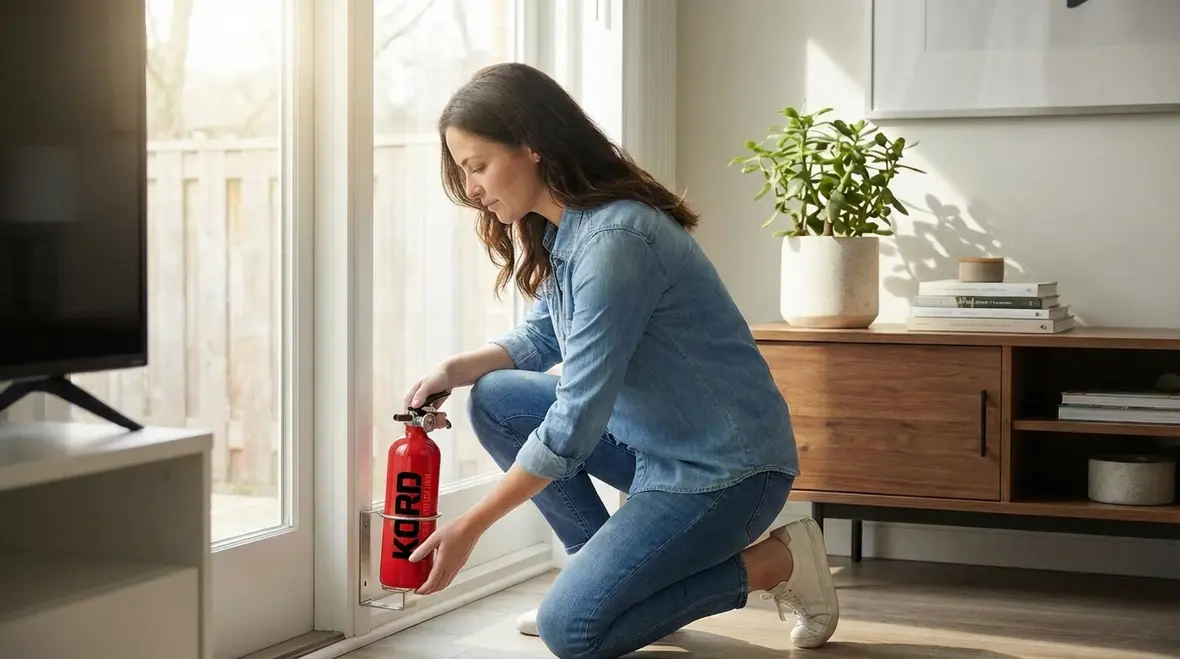
Furthermore, placement matters in residential settings as well. Extinguishers should sit near exits, allowing occupants to fight a small fire while maintaining a clear escape path. Storing one under the kitchen sink behind cleaning supplies may seem convenient, but it is not ideal. Fires rarely wait politely while someone reorganizes a cabinet.
Inspection, Maintenance, and Documentation Standards
What Inspectors Expect to See in 2026
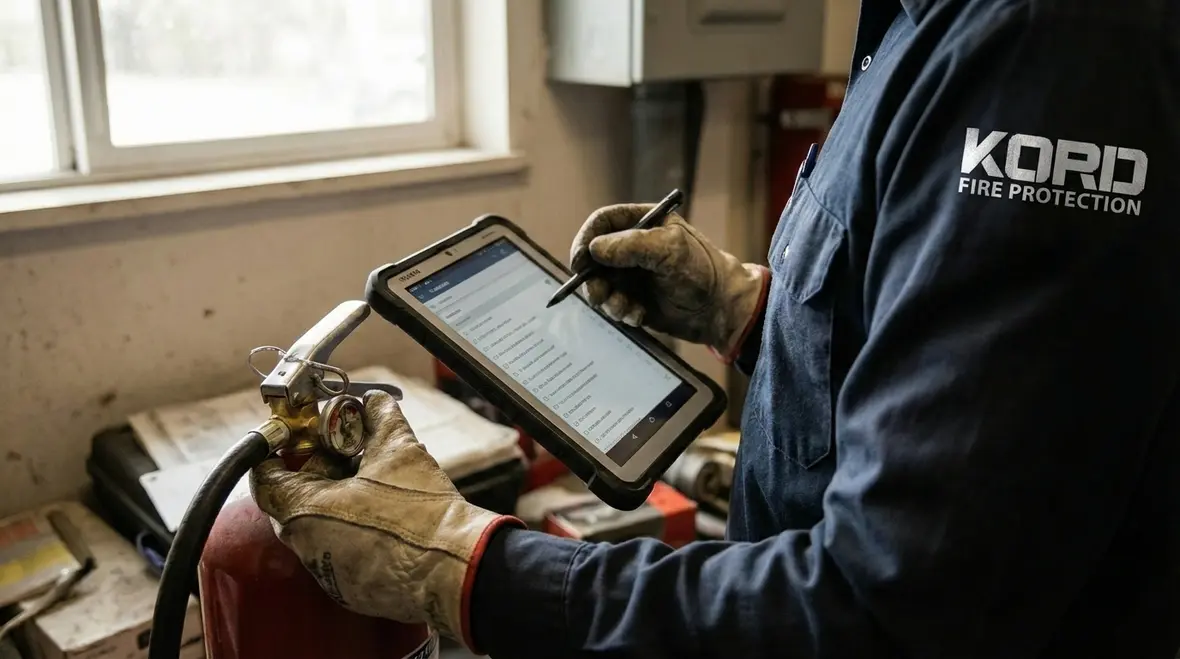
Inspection rules in 2026 emphasize documentation. Fire authorities increasingly expect digital records, especially for larger facilities. Although paper tags remain acceptable, digital tracking offers proof of compliance during audits.
Annual Service Checklist
Annual servicing must include:
- Examination of mechanical parts
- Verification of pressure levels
- Inspection of hoses and seals
- Confirmation of proper mounting
- Updated service tag with technician credentials
Additionally, certain extinguishers require internal examination every six years and hydrostatic testing at longer intervals depending on the type. Missing these milestones can result in fines or failed inspections.
Kord Fire Protection technicians explain that maintenance is not merely procedural. Over time, pressure can drop and components can weaken. An extinguisher that fails during an emergency creates both safety and legal consequences. As they calmly remind clients, equipment should inspire confidence, not crossed fingers.
Common Compliance Mistakes and How to Avoid Them
The Issues Inspectors See Over and Over
Even responsible property owners slip up. However, most violations fall into predictable categories.
One common issue involves blocked access. An extinguisher hidden behind stacked inventory does not meet accessibility standards. Another frequent mistake involves incorrect mounting height. California code sets maximum heights based on unit weight. Too high, and it becomes difficult to grab. Too low, and it risks damage.
Expired units present another problem. Although extinguishers can last many years, they are not immortal. Units that fail hydrostatic testing or show corrosion must be replaced. Finally, lack of employee training can lead to liability concerns. Staff should know the PASS method. Pull, Aim, Squeeze, Sweep. It is simple, memorable, and far more effective than improvising like an action movie hero.
Therefore, proactive audits help. Many businesses schedule routine reviews with licensed providers. This approach reduces surprise violations and builds a culture of safety.
2026 Updates That Demand Attention
Wildfire, Batteries, and the Push for Digital Records
Several trends define the 2026 landscape. First, enforcement intensity has increased, especially in wildfire prone counties. Inspectors now pay closer attention to exterior hazard areas, including parking structures and outdoor storage.
Second, lithium ion battery risks have influenced extinguisher recommendations. Facilities storing large battery systems may require specialized suppression solutions beyond standard ABC units. As technology evolves, so do safety codes.
Third, digital compliance tracking has grown. Fire departments appreciate fast access to service histories. Consequently, many companies shift toward cloud based inspection logs.
Although these updates may sound technical, they reflect a simple goal. Prevent small fires from becoming large tragedies. In California, where nature occasionally behaves like a dramatic movie villain, preparation remains the hero.
At a Glance: 2026 Fire Extinguisher Requirements Overview
Requirement Key Detail
Commercial Buildings Hazard specific extinguisher types required
Annual Maintenance Certified technician servicing mandatory
Monthly Inspections Visual check and documentation required
Multi Family Housing Common area units typically required
High Hazard Areas Additional or specialized extinguishers needed
Documentation Service tags or digital logs must be current
This overview provides clarity, yet site specific evaluations always offer the safest path forward.
How Often Do Fire Extinguishers Need Inspection in California?
In California, extinguishers require a monthly visual inspection and a professional annual service. Additionally, certain units need internal exams every six years and hydrostatic testing at scheduled intervals. Kord Fire’s fire extinguisher service & certification resources outline these cycles in more detail for businesses that like to live ahead of the inspection calendar instead of behind it.
FAQ
Conclusion and Next Steps
California does not treat fire safety lightly, and neither should property owners. Fire extinguisher laws evolve because risks evolve. Therefore, staying informed protects lives, assets, and peace of mind. Kord Fire Protection technicians stand ready to explain requirements, perform inspections, and keep facilities compliant in 2026 and beyond. Schedule a professional evaluation today and ensure every extinguisher on site is ready to perform when it matters most.
If you are responsible for a building anywhere in Southern California, partnering with a full-service provider makes it much easier to stay ahead of code changes. Explore Kord Fire’s fire protection services or request dedicated fire extinguisher service & certification support to keep your property inspection ready all year long.
Ready to take the next step? Contact Kord Fire Protection for a code-focused walkthrough of your property, a quote on extinguisher service, or a complete fire protection plan tailored to California’s 2026 requirements.
Know Your Weapon Before You Fight the Flame
Kord Fire Protection is your go-to when it comes to all things fire protection. For over 20 years, we’ve been serving Southern California with the quality service and equipment to keep your home or business safe at all times. Our competitive prices reflect our unwavering commitment to protecting what matters most in the event of a fire emergency. Give us a call, send an email, or use that form!

Join Our Newsletter!
Get the latest fire safety tips delivered straight to your inbox From our Newsletter.