What NAFED Is and Why Fire Protection Supply Chains Need It
What NAFED Is and Why Fire Protection Supply Chains Depend on It
In the fire protection world, NAFED plays a practical role that many people only notice when something goes wrong. Early on, the NAFED objectives and functions focus on strengthening trust, improving coordination, and helping the supply chain move products and information more reliably. In other words, it supports how companies buy, stock, and service life safety equipment.
Accordingly, this matters because fire protection does not run on hope and vibes. It runs on tested devices, timely deliveries, and clear standards. Therefore, when technicians from Kord Fire Protection explain what NAFED is, they usually connect it to the same everyday goal: keep the right parts in the right place, so systems get maintained and repaired without delays. And yes, that also means fewer “surprise” outages that feel like a sitcom plot twist, except nobody laughs.
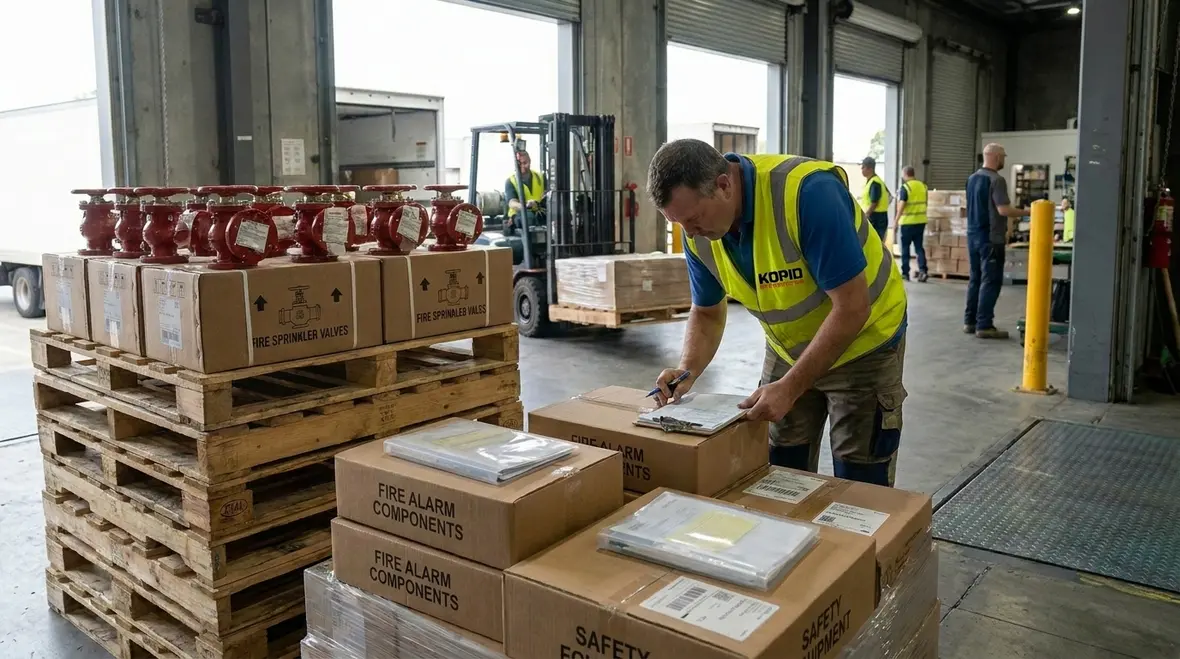
NAFED definition and role in the supply chain
NAFED is widely recognized as a framework and network that helps organize and support trade in fire and safety related products. It connects manufacturers, distributors, and service providers so the market can work with better clarity and smoother processes. Put simply, it helps reduce friction between the people who build life safety equipment and the people who install and maintain it.
To make this real, Kord Fire Protection technicians often describe it like this: if a sprinkler system is a heart, then the supply chain is the circulatory system. When the circulatory system gets clogged, even the best heart does not perform well. Meanwhile, NAFED helps streamline how supplies move, how expectations get set, and how stakeholders align.
Additionally, NAFED matters because fire protection equipment has requirements. It must be correct, traceable, and appropriate for the job. When supply chains work loosely, product mismatches happen. When they work well, the chain supports safer outcomes, faster turnaround, and more dependable service scheduling.
Why this matters in day to day operations
The supply chain side of fire protection is not flashy, which is probably why it does not get much applause. Still, the entire service experience depends on it. If distributors, technicians, and facility teams are not aligned, small issues become scheduling problems, then repair delays, then awkward phone calls nobody wanted to have in the first place. A stronger framework helps prevent that domino effect before it starts rolling downhill in steel toe boots.
That practical mindset lines up with the way Kord Fire Protection talks about the full lifecycle of fire protection servicing. Equipment does not simply appear, work forever, and retire with dignity. It needs planning, movement, maintenance, records, and people paying attention at the right time.
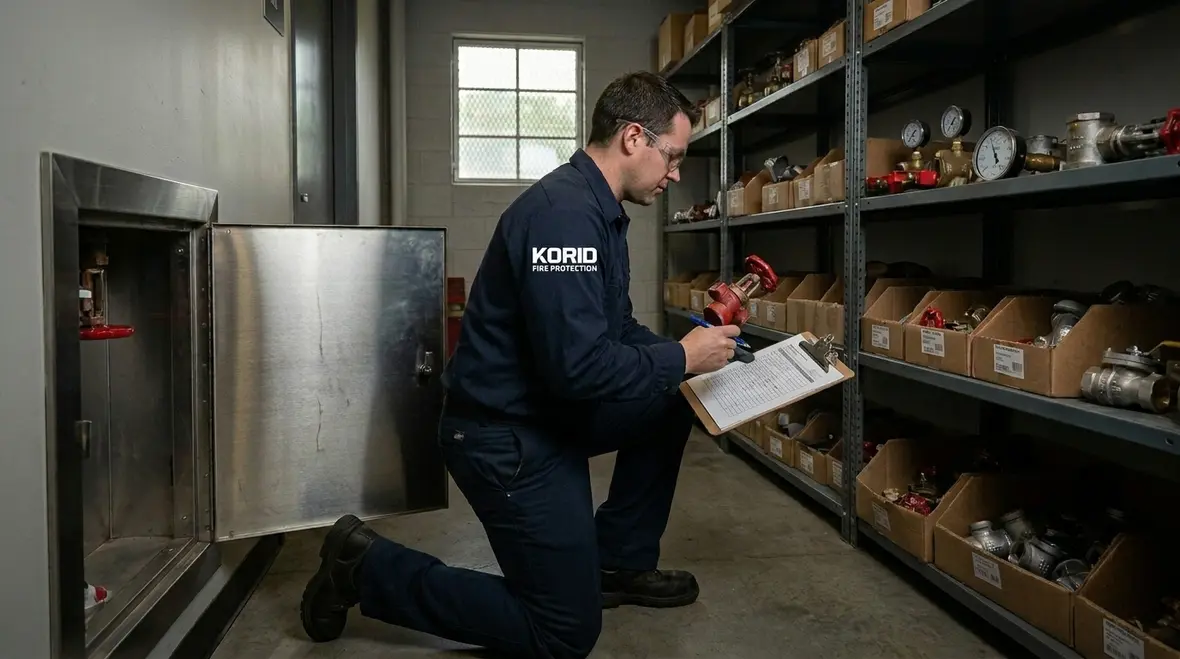
Why NAFED matters for equipment quality and availability
Fire protection supply chains often fail in boring ways. A part runs out. A compatible component arrives late. Documentation gets mixed up. However, these “small” breakdowns can grow into bigger risks, especially when maintenance windows shrink and deadlines stack up.
NAFED supports better planning and coordination, which helps keep critical items available. As a result, contractors and service teams can maintain systems sooner and reduce the time equipment sits idle. This matters for both compliance and actual readiness during an emergency.
Moreover, availability affects cost and safety at the same time. When parts arrive quickly, service teams spend less time searching, expediting, or swapping components. Consequently, the job stays focused on inspection, testing, and repair rather than chasing paperwork and shipping updates.
In the field, Kord Fire Protection technicians explain that readiness is not a slogan. It is a schedule. And schedules need parts. NAFED helps strengthen that link between what sites need and what distributors can provide.
Availability affects service quality more than people think
A system can be designed correctly and still suffer when parts are hard to source. That is the frustrating part. The real bottleneck is often not the diagnosis. It is the wait. Better supply alignment reduces that lag and helps crews get from identified issue to completed repair without the middle section turning into a scavenger hunt.
This is one reason Kord Fire Protection emphasizes ITM fire protection inspection testing maintenance as a disciplined process rather than a once in a while reaction. Reliable maintenance depends on reliable access to the correct equipment.
How NAFED supports compliance and documentation flow
In fire protection, documentation is not optional. It proves what was installed, when it was serviced, and whether it meets required standards. Yet many supply chain problems show up as paperwork issues first. For example, a technician may have the right model of a component but the wrong documentation. Then the job stalls, and the system remains in limbo.
NAFED helps improve coordination, which supports clearer documentation flow through the chain. Therefore, stakeholders can better track items and align service expectations with what actually gets delivered. This reduces delays and helps crews respond with confidence.
Meanwhile, Kord Fire Protection technicians break it down in plain language: they want the service truck to open like a toolbox, not like a mystery box. When documentation and product details align, crews can move forward with testing and verification instead of playing “guess the SKU” with every replacement.
Additionally, better documentation flow helps protect the end user. It supports audit readiness and helps facility managers show that maintenance routines happen on schedule and follow the required process.
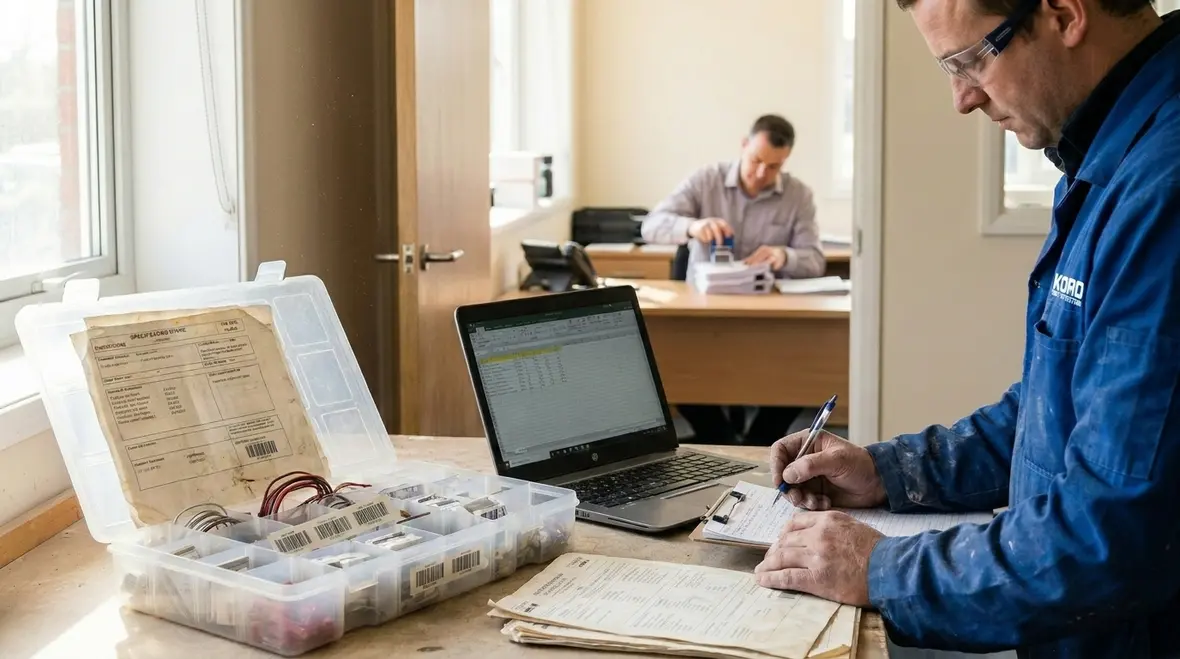
NAFED and reliability: what technicians experience on the job
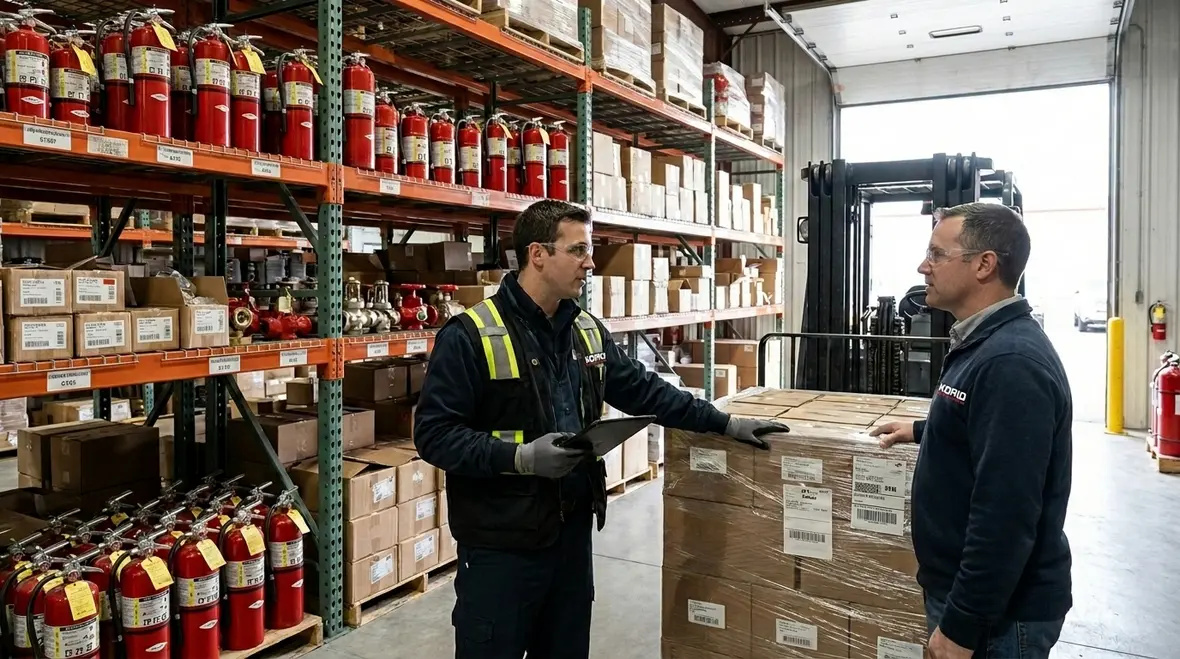
Technicians do not care about theory when a sprinkler valve needs replacement before the weekend. They care about delivery timing, part accuracy, and whether the supply chain can support repeat work. NAFED influences that real-world reliability by helping connect industry players and support more consistent trade practices.
In practice, that means when Kord Fire Protection crews run into a damaged component, they can work from stronger baseline information. Then they can source the needed items faster and plan the repair with fewer disruptions. The goal stays simple: restore system integrity without dragging the timeline.
Also, reliability reduces the number of rework cycles. If a wrong part gets ordered once, the cost is not only money. It is also time, downtime, and the added stress of explaining delays to site managers. As a result, NAFED indirectly supports smoother communication across teams.
And yes, the technicians will still find ways to make jokes about it. They may say, “If the supply chain had a calendar invite, we would all sleep better.” Then they get back to work, because jokes do not stop leaks. Good parts and good process do.
Field reliability starts before the truck rolls
By the time a technician shows up onsite, a lot has already happened behind the scenes. Somebody identified the need, confirmed the system type, checked compatibility, sourced the item, scheduled the visit, and lined up the records. When one link in that chain breaks, the technician inherits the problem. When the chain works well, the visit feels smooth, efficient, and almost suspiciously calm.
Steps to align purchasing, stocking, and service timelines
Even with a strong framework like NAFED, teams need to operate smart. Purchasing, stocking, and service scheduling must talk to each other. Otherwise, you get the classic situation where a service team is ready, but the inventory is not, or the inventory is ready but the maintenance window moved.
Here is a practical approach that Kord Fire Protection technicians often support during planning meetings:
- Map critical parts by system type and typical failure points
- Confirm compatibility using clear product details before ordering
- Set lead time expectations so scheduling stays realistic
- Coordinate documentation so crews receive items with the needed records
- Review inventory cadence based on service history, not guesses
Next, teams can strengthen coordination through standard internal checklists. That way, when a replacement is required, the process stays consistent. Consequently, crews can move from diagnosis to repair without unnecessary backtracking.
To keep it extra clear, consider this dual snapshot for alignment across teams:
Purchasing focus
- Right item, right spec
- Reliable lead times
- Complete documentation
Service focus
- Fast diagnosis
- Correct installation
- Verification and reporting
Common supply chain risks and how NAFED reduces them
Supply chain risks often show up as repeat patterns. The wrong component gets delivered. Units arrive without complete paperwork. Lead times stretch, which pushes maintenance out. Then system integrity suffers, and managers lose trust in the schedule.
NAFED reduces these issues by supporting better alignment across stakeholders. When coordination improves, teams can correct problems earlier. Therefore, the supply chain becomes less reactive and more predictable.
Additionally, improved coordination helps reduce mismatches between ordering and service needs. When Kord Fire Protection technicians explain this, they point out that accuracy saves time twice. First, it avoids rework. Second, it preserves uptime for the facility.
Finally, better supply chain discipline helps prevent compliance gaps. Fire protection programs often rely on consistent maintenance records. When documentation flow breaks, compliance becomes harder to prove. Stronger coordination helps close that gap.
Where stronger coordination pays off fastest
Most teams feel the improvement first in response time and fewer ordering errors. After that, they usually notice calmer scheduling, cleaner records, and less back and forth between departments. It is not glamorous, but neither is explaining why a simple repair somehow became a three week saga starring one missing component and six emails marked urgent.
FAQ about NAFED and fire protection supply chains
Conclusion: make your fire protection program more dependable
Fire protection depends on readiness, and readiness depends on supply chain reliability. NAFED helps strengthen coordination, improve part availability, and support smoother documentation flow, which in turn helps technicians repair systems faster and verify performance more clearly. If a facility wants fewer delays and fewer rework cycles, it should align purchasing and service timelines now.
For teams that want a stronger service partner at the end of that process, Kord Fire Protection offers full fire protection services built around compliance, scheduling, and system readiness. You can also explore how Kord handles wet sprinkler system inspection to see how dependable field work connects back to dependable supply planning. Contact Kord Fire Protection to discuss how NAFED driven coordination and technician informed planning can strengthen your maintenance program, before the next repair calls arrive uninvited.

Join Our Newsletter!
Get the latest fire safety tips delivered straight to your inbox From our Newsletter.