
Fire Risk Assessments: What They Include and Why They Matter
Fire Risk Assessments: What They Include and Why They Matter
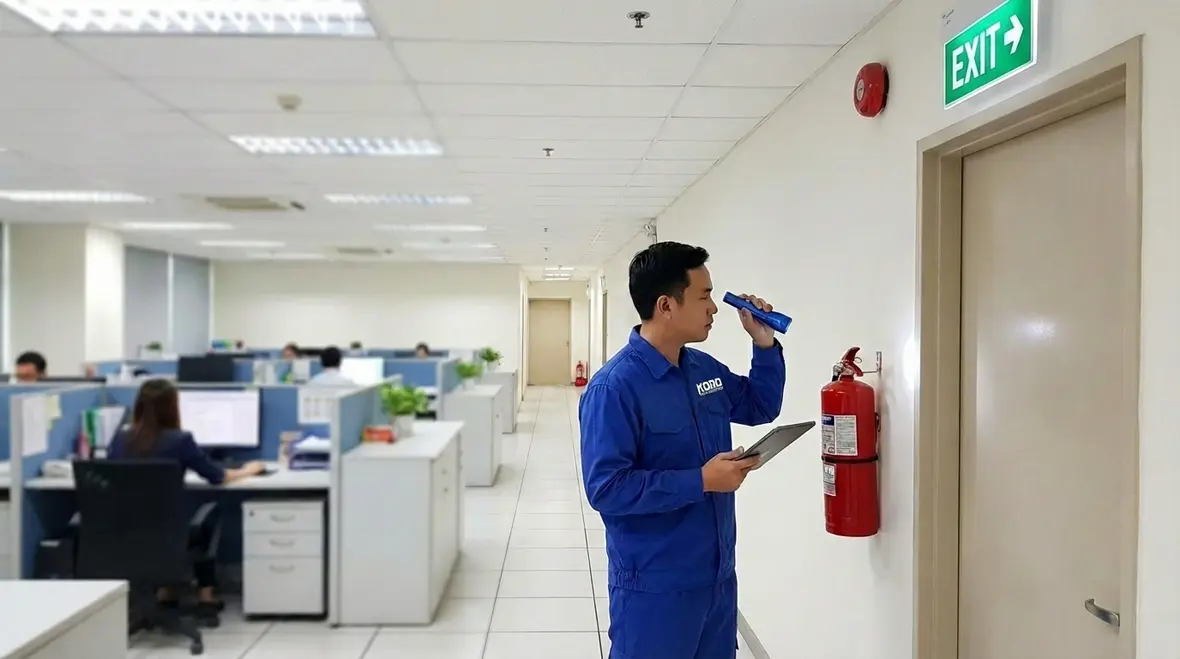
Fire Risk Assessments are not just paperwork filed away in a dusty cabinet. They are living, breathing safety plans that protect people, property, and peace of mind. Within the first few minutes of walking through a building, trained professionals can often spot what others overlook. However, a true assessment goes far deeper than a quick glance at a fire extinguisher on the wall. It is a structured, detailed evaluation designed to reduce danger before it ever sparks into disaster. As Kord Fire Protection technicians often explain to clients, understanding fire risk is not about fear. It is about foresight.
In the sections ahead, the full scope of these assessments becomes clear. From legal duties to practical steps, every layer serves a purpose. And yes, even the humble fire door gets its moment in the spotlight.
Understanding Fire Risk Assessments and Their Core Purpose
At its core, a fire safety assessment identifies potential fire hazards, evaluates who may be at risk, and determines whether existing safety measures are adequate. That sounds simple enough. Yet, much like assembling flat pack furniture without instructions, it becomes complicated quickly without expertise.
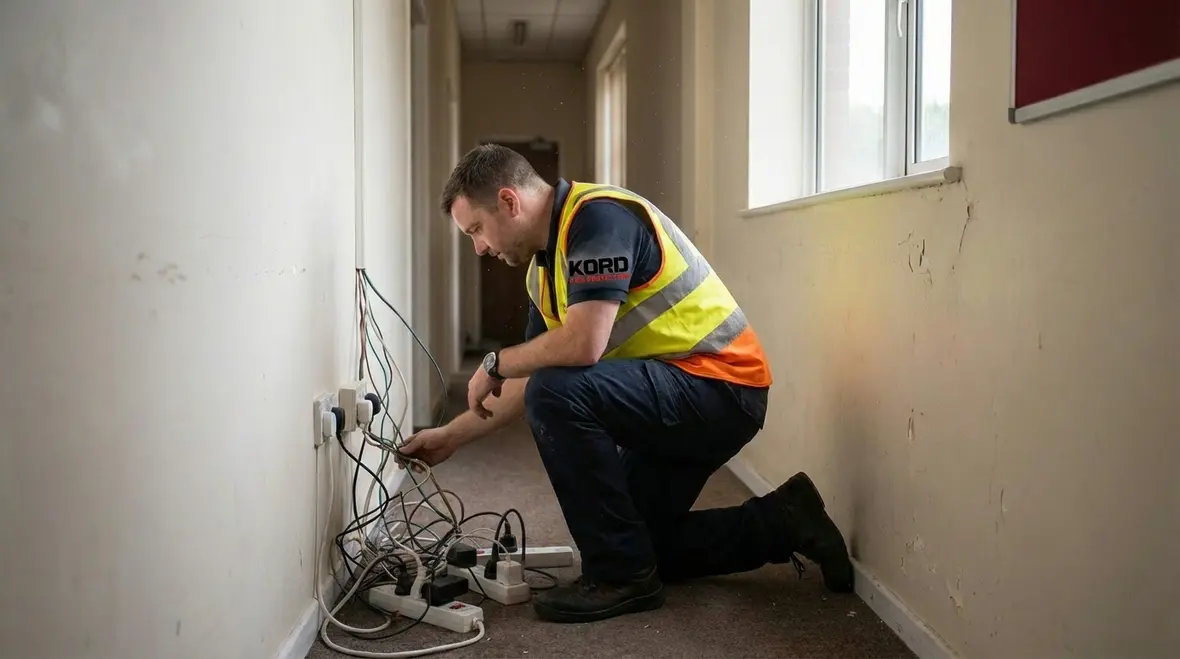
Professionals begin by examining the structure of a building. They look at ignition sources such as faulty wiring, overloaded sockets, heating equipment, and cooking appliances. Additionally, they review materials that could fuel a fire, including paper storage, chemicals, or flammable liquids. Oxygen sources, including ventilation systems, also play a role.
However, the process does not stop at identifying hazards. It also evaluates people. Who occupies the building? Are there vulnerable individuals, such as children, elderly residents, or those with limited mobility? Because evacuation speed matters, understanding the human element remains critical.
Kord Fire Protection technicians often remind property managers that buildings do not catch fire alone. Circumstances create opportunity. Therefore, the goal is to remove as much opportunity as possible.
Linking Assessment Purpose to Broader Fire Protection
A well-executed Fire Risk Assessment does more than tick a regulatory box. It connects directly to how other systems perform during an emergency, from fire pump testing requirements to the reliability of sprinkler coverage in complex spaces. When the assessment is thorough, every other part of the fire protection strategy gains a stronger foundation.
What Do Fire Risk Assessments Include in Detail?
A thorough review follows a structured path. While each property presents unique challenges, the main components remain consistent.
1. Identification of Hazards
Inspectors locate potential ignition sources and combustible materials. They also review housekeeping practices. For example, cluttered storage areas may turn minor incidents into major events.
2. Evaluation of Existing Safety Measures
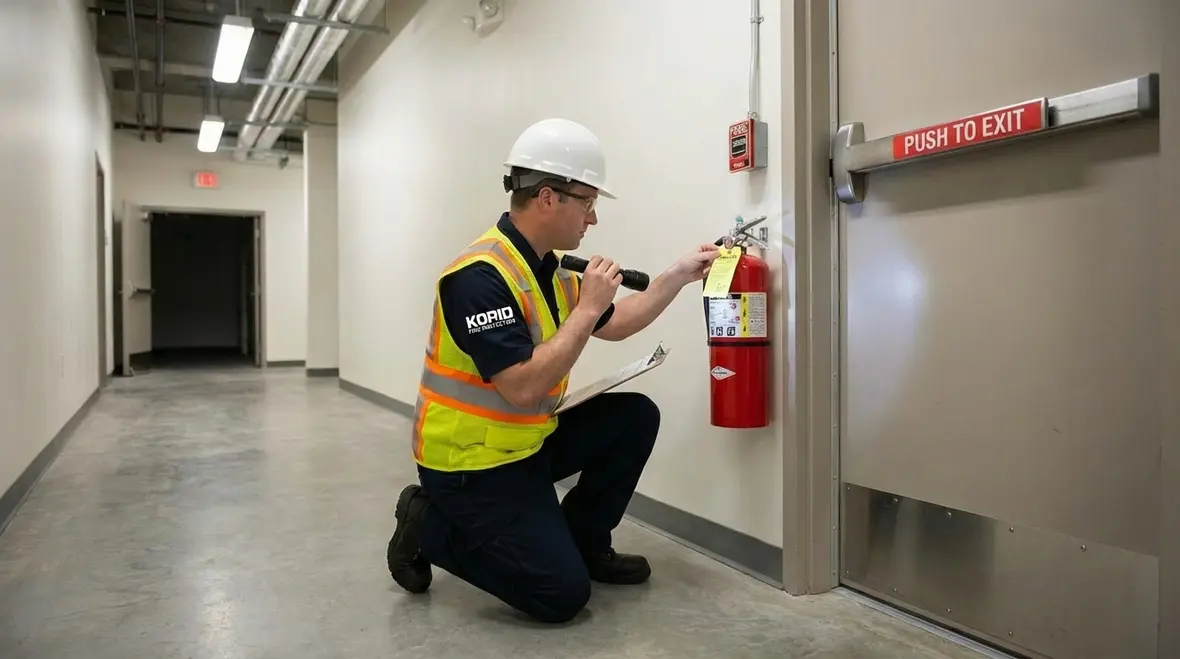
This includes alarm systems, emergency lighting, sprinkler systems, and fire extinguishers. Additionally, fire doors and compartmentation are inspected to ensure they can contain smoke and flames.
3. Means of Escape Assessment
Clear escape routes save lives. Therefore, exits must remain unobstructed, well lit, and clearly marked. Even a single blocked corridor can compromise an entire evacuation plan.
4. Documentation and Action Plan
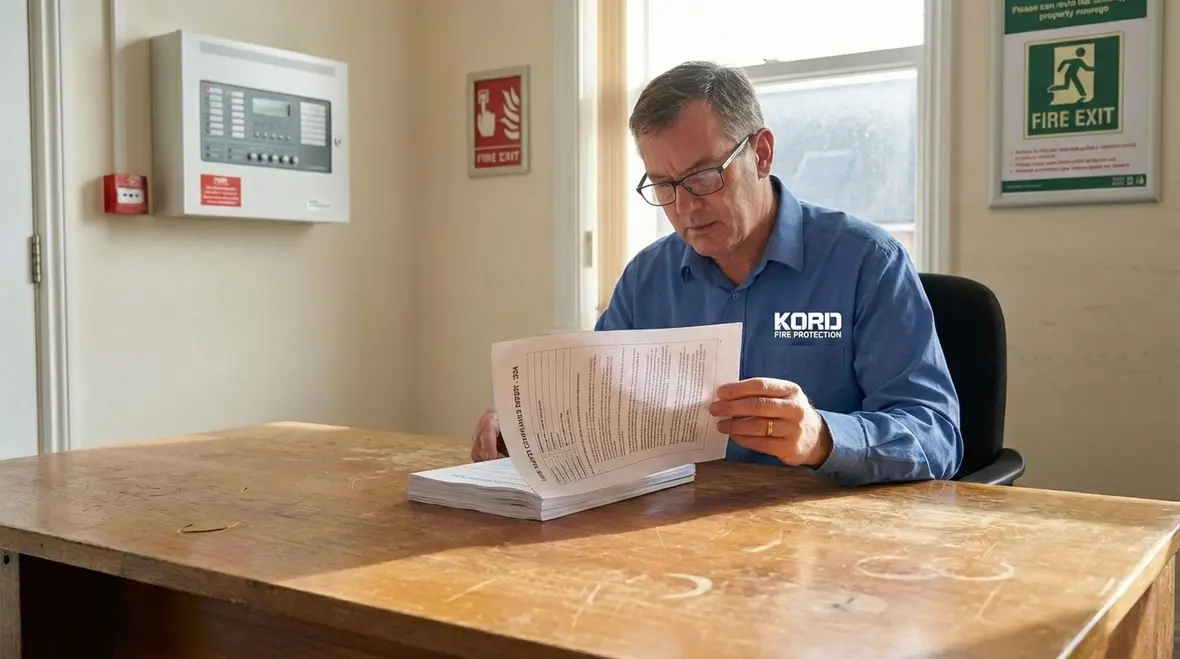
After the inspection, findings are recorded. More importantly, recommendations are provided. These steps may range from simple housekeeping changes to upgrading alarm systems.
Rather than handing over a confusing stack of technical jargon, Kord Fire Protection technicians explain each finding in plain language. Because when people understand the risk, they act faster.
Why Compliance Is Only the Beginning
Many property owners pursue Fire Risk Assessments to meet legal obligations. That is understandable. Regulations demand it. Insurance companies expect it. Authorities enforce it.
Yet compliance alone should never be the finish line. Instead, it serves as the starting point for a culture of safety. A compliant building may meet minimum standards. A proactive building protects its people with intention.
Consider this. A small electrical fault behind a wall may seem minor. However, without regular inspection and documentation, that fault can escalate silently. By the time smoke appears, it is too late for checklists and good intentions.
Moreover, businesses that prioritize safety build trust. Employees feel secure. Clients notice professionalism. Investors see responsibility. In other words, prevention pays dividends long before it prevents disaster.
From Minimum Standards to Meaningful Protection
When an assessment reveals gaps, it opens the door to targeted improvements across alarms, sprinklers, standpipes, and fire pumps. Many property owners pair their findings with services like fire sprinkler testing in Los Angeles County so that paperwork translates into real-world performance when it matters most.
How Fire Risk Assessments Protect Businesses and Lives
Fire does not discriminate. It disrupts operations, damages reputations, and in severe cases, claims lives. Therefore, proactive evaluation acts as both shield and strategy.
First, it reduces downtime. A controlled risk environment lowers the chance of sudden closures. Second, it protects assets, including stock, equipment, and data. Finally, and most importantly, it safeguards human life.
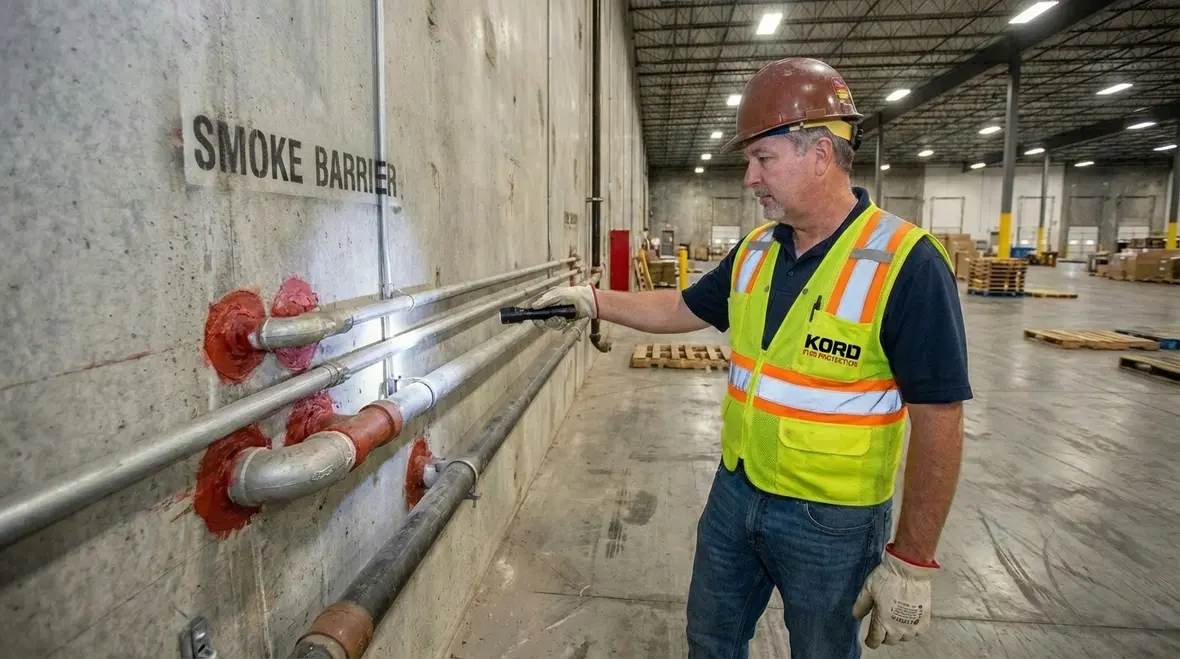
Kord Fire Protection technicians often share real world examples during consultations. In one case, a routine assessment uncovered improperly sealed service penetrations between floors. Although invisible to most occupants, these gaps would have allowed smoke to spread rapidly. Because the issue was corrected early, the building gained critical containment protection.
Additionally, regular reviews keep safety measures current. As buildings evolve through renovations or layout changes, risks shift. Consequently, assessments must adapt. A workspace that once housed ten employees may now host fifty. That change alone impacts evacuation planning.
Comparing Basic Checks and Professional Evaluations
While some property owners attempt informal checks, professional assessments offer deeper insight. The difference becomes clear when placed side by side.
Basic Internal Review
- Visual glance at extinguishers
- Assumes alarms work
- General awareness of exits
- No formal documentation
Professional Assessment by Certified Technicians
- Detailed inspection of equipment condition and placement
- Functional testing and compliance verification
- Measured evaluation of escape distances and capacity
- Structured report with prioritized action plan
Although internal awareness is helpful, it rarely uncovers hidden risks. Professionals apply training, codes, and experience. They know where to look and, more importantly, why it matters.
The Role of Technology in Modern Assessments
Technology continues to reshape fire safety. Digital reporting tools now allow technicians to record findings in real time. Thermal imaging cameras can detect overheating equipment before visible damage occurs. Furthermore, integrated alarm systems provide remote monitoring capabilities.
However, even the most advanced tools require human judgment. Technology supports the process. It does not replace expertise. As Kord Fire Protection technicians often note with a smile, even the smartest device cannot smell overheating toast in the break room before someone sets off the alarm.
Because fire science evolves, ongoing training remains essential. Regulations update. Materials change. Building designs grow more complex. Therefore, assessments must stay informed by current standards.
Connecting Technology, Codes, and Real-World Systems
Modern assessments often reference standards that govern system performance, from NFPA 20 fire pump system requirements to NFPA 25 testing schedules. When technology, codes, and field experience come together, the result is a far more accurate picture of how a building will respond under fire conditions.
When Should a Building Update Its Fire Risk Assessment?
A fire safety review should not gather dust on a shelf. Instead, it requires periodic reassessment.
Updates become necessary after structural changes, occupancy shifts, or installation of new equipment. Additionally, significant incidents such as near misses or small contained fires signal the need for review. Even without visible changes, best practice recommends regular intervals to ensure continued compliance and effectiveness.
Because risk evolves over time, static plans lose value. An assessment completed five years ago may not reflect today’s reality. Consequently, routine evaluation ensures ongoing protection.
Common Misconceptions About Fire Risk Assessments
Some believe these evaluations are expensive formalities designed only for large commercial buildings. In truth, any non domestic property carries responsibility. Offices, warehouses, retail shops, residential blocks, and healthcare facilities all require attention.
Others assume that installing alarms eliminates the need for assessment. Unfortunately, alarms respond after ignition. Assessments aim to prevent ignition in the first place.
Then there is the classic assumption that small businesses face lower risk. Fire, however, does not check square footage before spreading. In fact, smaller operations often suffer greater financial impact because recovery resources are limited.
By addressing these misconceptions directly, professionals help clients move from reactive thinking to proactive planning.
Frequently Asked Questions
Conclusion: Take the Next Step Toward Safer Spaces
Fire Risk Assessments do more than satisfy regulations. They protect livelihoods, preserve property, and safeguard lives. With experienced guidance from Kord Fire Protection technicians, businesses gain clarity, confidence, and control over potential hazards. Now is the time to act, not after smoke appears on the horizon. Schedule a professional evaluation today and turn uncertainty into assurance. Safety, after all, is not an expense. It is an investment in tomorrow.
For many properties, the most effective next move is to pair a detailed Fire Risk Assessment with targeted service work. Kord Fire Protection offers comprehensive fire sprinkler testing in Los Angeles County, standpipe evaluations, and fire pump inspections that align with your assessment findings. Bringing these services together turns recommendations into real, measurable protection for the people who rely on your building every day.
Ready to move from “probably fine” to truly protected?
Reach out to Kord Fire Protection to schedule your assessment and coordinated testing services, and put a proven team in your corner before the next emergency ever has a chance to start.
Know Your Weapon Before You Fight the Flame
Kord Fire Protection is your go-to when it comes to all things fire protection. For over 20 years, we’ve been serving Southern California with the quality service and equipment to keep your home or business safe at all times. Our competitive prices reflect our unwavering commitment to protecting what matters most in the event of a fire emergency. Give us a call, send an email, or use that form!

Join Our Newsletter!
Get the latest fire safety tips delivered straight to your inbox From our Newsletter.


