
Fire Ranger Fire Protection Systems for Industrial Safety
When industrial risks rise, reliable Fire Ranger fire protection systems help facilities protect people, equipment, and operations. In real life, that means fewer surprises, faster response, and safer areas for workers to evacuate. Fire protection rarely makes headlines, which is exactly how good safety works. Using industrial fire protection systems like these, teams set up detection, control, and suppression so fire does not get to write its own ending.
To make it even better, Kord fire protection technicians often explain the full approach in plain language. In other words, they translate the “techno-speak” into steps a plant manager and a maintenance lead can both follow. And yes, they also remind everyone that a system is only as good as the people who know how it runs. Fire drills may feel like theater, but it is safety theater with a budget.
Overview of How It Works for Fire Ranger Systems
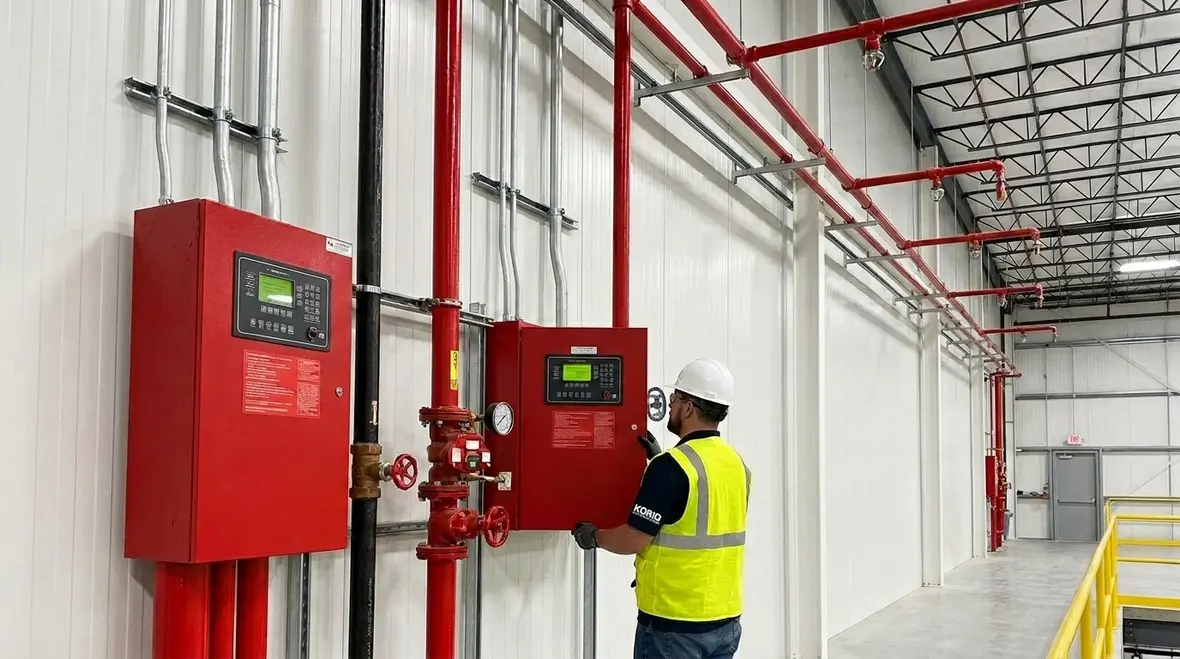
Fire Ranger systems typically follow a simple logic: detect a problem early, alert the right people, and control the hazard long enough to limit damage. To do that, the system connects sensors and control panels to suppression and notification equipment. When smoke, heat, or flame indicators trigger, the controller processes the signal and then takes action based on the site design.
Most installations include a detection network, a control module, and output devices like alarms, strobes, and release controls. Then, the suppression side supports the goal: stop the fire or slow it while occupants move to safety. Depending on the facility layout, a system may use zoning so the right area activates first. As a result, the response stays focused, which helps reduce downtime and unnecessary discharge.
Meanwhile, the system also supports supervisory functions. For example, it can send signals about trouble events, maintenance needs, or changes in system status. Therefore, even when no fire exists, the equipment can still guide staff. This is the difference between a passive extinguisher and an organized safety plan.
In practical terms, the system can operate as a fully integrated solution with building alarms, emergency communications, and other safety devices. Additionally, some facilities connect it to monitoring services so offsite staff can respond quickly. That step matters, because by the time a human smells smoke, the fire may already have an agenda.

Real World Use Cases in Industrial and Manufacturing Environments
Different plants face different fire behaviors. So, industrial fire protection systems must match the likely ignition sources. Fire Ranger designs commonly support environments such as warehousing, packaging, machining areas, chemical storage zones, and utility rooms where hazards can build in hidden ways.
In a warehouse, for example, storage height, rack layout, and airflow can affect how fast heat spreads. Detection placement and zoning help ensure the system identifies the correct area early. Then, alerting supports safe evacuation routes and staged response. If a forklift incident starts a smolder, the system aims to catch it before it becomes a blaze that eats inventory at full speed.
In manufacturing and assembly spaces, electrical panels, motor control centers, and conveyor systems can create unique risk points. Consequently, detection strategies focus on areas where smoke and heat appear quickly. In addition, industrial fire protection systems can coordinate with shutdown actions or emergency procedures set by site policy.
For rooms that store flammables, the system approach often emphasizes rapid response and controlled suppression. Then, the facility reduces the chance of a fire growing in an enclosed space. Here is where Kord fire protection technicians often help teams. They explain where sensors go, how release decisions get made, and how facility staff should verify the system after any maintenance work.
And yes, the real world includes “stuff happens.” A valve gets replaced, a contractor reroutes conduit, or a door gets propped open “just for a minute.” A well designed system, plus routine checks, helps catch those issues before they turn into bigger problems. Think of it as safety’s version of locking the door before you leave, except you do it with sensors and procedures.
Strengths and Weak Points for Facilities Planning
Any fire safety plan should include both benefits and realistic limits. Fire Ranger systems tend to score well on early detection, coordinated response, and system supervision. In many sites, that means fewer late alarms, faster alerting, and a clearer path for emergency crews.
Key strengths often include zoning that supports targeted action and notifications that reduce confusion. Also, the control system can log events, which helps teams trace causes after an incident. That matters for compliance reviews and for improving future training.
Still, the weak points deserve honest attention. For one, the system performance depends on correct design, proper placement of detection devices, and correct programming of control sequences. If site conditions change, the system may need updates. For example, new equipment might block airflow to a sensor, or a change in storage layout might affect hazard patterns.
Another limit: suppression effectiveness relies on the correct setup and clear access for the discharge pathways. If valves, nozzles, or agent distribution components face damage, performance drops. Therefore, facilities need a maintenance program that treats the system like critical equipment, not a box that only gets attention after an inspection.
Finally, human behavior affects outcomes. If staff ignore alarms, delay evacuation, or fail to follow emergency plans, the system cannot do everything alone. Still, it helps facilities buy time. And in fire safety, time is the most valuable resource, even more than coffee during night shift.
Ongoing Maintenance Needs and Technician Best Practices
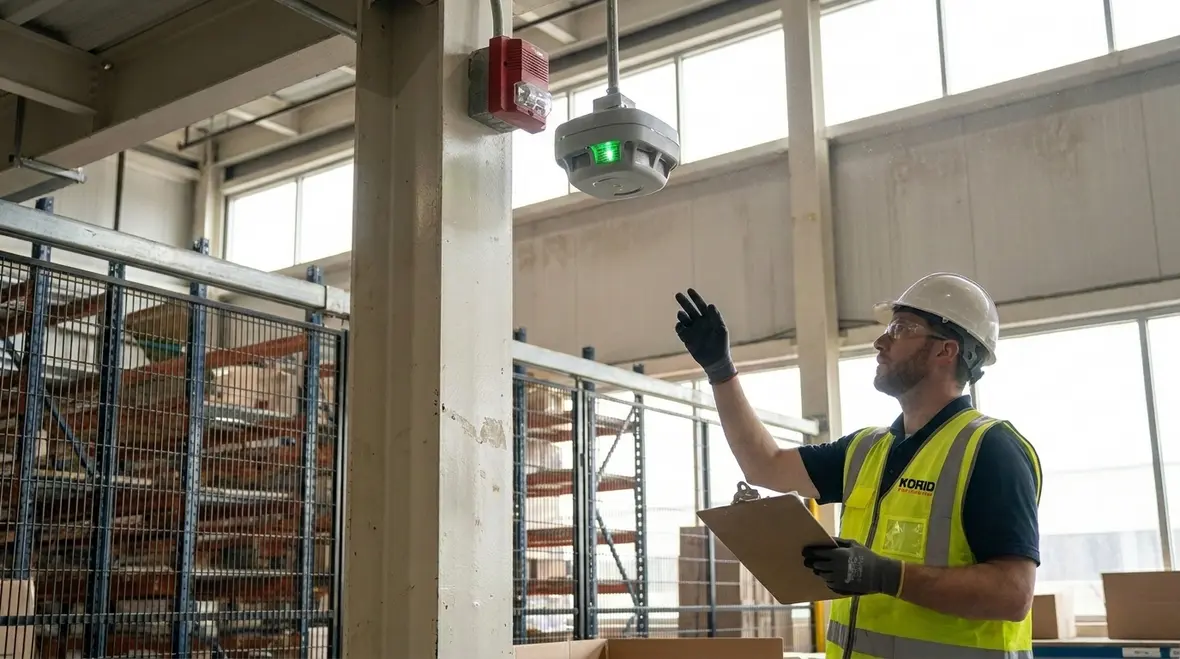
Maintenance keeps industrial fire protection systems dependable. Over time, dust, vibration, tampering, and normal wear can affect detectors, wiring integrity, and control logic. That is why Kord fire protection technicians often set up clear schedules and site procedures for system checks.
Common maintenance needs include testing alarms and notification devices, verifying detection zones, inspecting control panels for faults, and confirming that supervisory signals function properly. Technicians also verify that suppression components remain within required pressure or agent parameters, depending on the system type. After any work near the equipment, they check for misalignment, damaged housings, and changed conditions that might affect detection.
Facilities should also plan for documentation. That includes keeping inspection records, maintaining updated as built drawings, and tracking service dates. When a system faces changes, updated drawings and revised maps help ensure staff can locate devices quickly during emergencies.
To support daily reality, teams should assign responsibilities. Maintenance staff can manage recurring checks, while operators can report issues like repeated trouble signals or blocked vents. Then, supervision ensures the facility responds quickly. In addition, training helps staff recognize what the panel messages mean and what actions the site expects.
As a rule, the facility should treat “trouble signals” seriously. They often signal the system needs attention before a real fire happens. In other words, it is not a nuisance. It is a warning label with feelings.
Relevant NFPA and Local Code Requirements
Fire protection requirements typically follow NFPA standards and local fire code rules. Facilities usually align their system design, installation, inspection, testing, and maintenance with those requirements. While exact rules vary by jurisdiction, NFPA guidance commonly drives best practices for alarm and suppression systems.
Teams often reference NFPA 10 for portable fire extinguishers, NFPA 13 for sprinkler systems, and NFPA 72 for fire alarm and signaling systems, depending on what components the facility uses. For suppression methods that involve special agents or total flooding approaches, other NFPA chapters may apply based on system design.
In addition, local authorities may require specific testing intervals, documentation formats, and permit steps before commissioning. Then, ongoing compliance depends on service records and inspection results. That is why a facility should coordinate with their fire marshal office and follow the required schedule for inspections.
Importantly, codes also consider system behavior during an emergency. That includes how notification works, how zones report, and how evacuation support operates. Therefore, the system must match both the design intent and the documented emergency plan.
FAQ: Quick Answers for Industrial Fire Safety Planning
Practical Next Steps: Designing, Upgrading, and Using the Systems
Once a facility understands how Fire Ranger fire protection systems work, it can plan the next move with confidence. First, it should review the current hazard map and compare it to what the plant actually does today. Then, it should confirm zoning, detection placement, and alarm outcomes match the current operations. After that, teams can schedule inspections and repairs to address any supervisory troubles or aging components. At the same time, they should coordinate staff training so people react the same way every time.
To keep everything calm during chaos, facilities can also use these systems as the backbone of their emergency plan. They can run drills that match the real alarm zones, and they can use event logs after tests to spot weak points. Finally, they can partner with experienced technicians, including Kord fire protection technicians, to ensure changes stay compliant and effective. In short, the best time to improve fire safety is before the fire shows up, which it always does in the movies, and never pays rent in real life.
Make Industrial Fire Safety a Real Program
Fire Ranger fire protection systems offer industrial teams a structured way to detect, alert, and respond to fire hazards. When a facility pairs the right design with consistent testing and skilled support from Kord fire protection technicians, it builds safer operations and stronger compliance. If industrial fire safety already feels “good enough,” now is the time to tighten it. Contact your fire protection provider to review your system design, maintenance schedule, and code alignment, then upgrade what needs upgrading before you need it most.
Want the next step that actually sticks?
Explore full fire protection services for industrial projects, then align your inspections, testing, and readiness with how your facility really operates.
Know Your Weapon Before You Fight the Flame
Kord Fire Protection is your go-to when it comes to all things fire protection. For over 20 years, we’ve been serving Southern California with the quality service and equipment to keep your home or business safe at all times. Our competitive prices reflect our unwavering commitment to protecting what matters most in the event of a fire emergency. Give us a call, send an email, or use that form!

Join Our Newsletter!
Get the latest fire safety tips delivered straight to your inbox From our Newsletter.



