Cost of Fire Code Violations in California
In California, sunshine and innovation sit side by side with strict safety laws. And when it comes to buildings, few rules carry more weight than fire regulations. The Cost of fire code violations in california is not just a line item on a balance sheet. It can mean steep fines, halted operations, legal trouble, and lasting damage to a company’s reputation. In many cases, business owners only learn this lesson after an inspector posts a notice on the door. Fortunately, professionals like Kord Fire Protection technicians often explain these risks before they turn into expensive reality. The numbers tell a story. The consequences tell the rest.
Why California Takes Fire Codes So Seriously
California does not play games with fire safety. Between dense cities, dry seasons, and wildfire risks, the state faces real threats. Therefore, fire codes exist to protect lives, property, and communities. These rules cover everything from sprinkler systems and fire alarms to exit signage and fire rated construction.
Moreover, local fire departments actively enforce these codes. Inspectors conduct routine visits and respond to complaints. If they find violations, they issue citations or compliance orders. While that may sound routine, the financial impact can escalate quickly.
Kord Fire Protection technicians often explain that fire codes are not designed to punish. Instead, they serve as preventive tools. When systems function properly, fires are controlled early. When exits remain clear, people leave safely. It is not dramatic. It is disciplined. And discipline, as any good coach would say, wins championships.
What Is the Real Cost of Fire Code Violations in California?
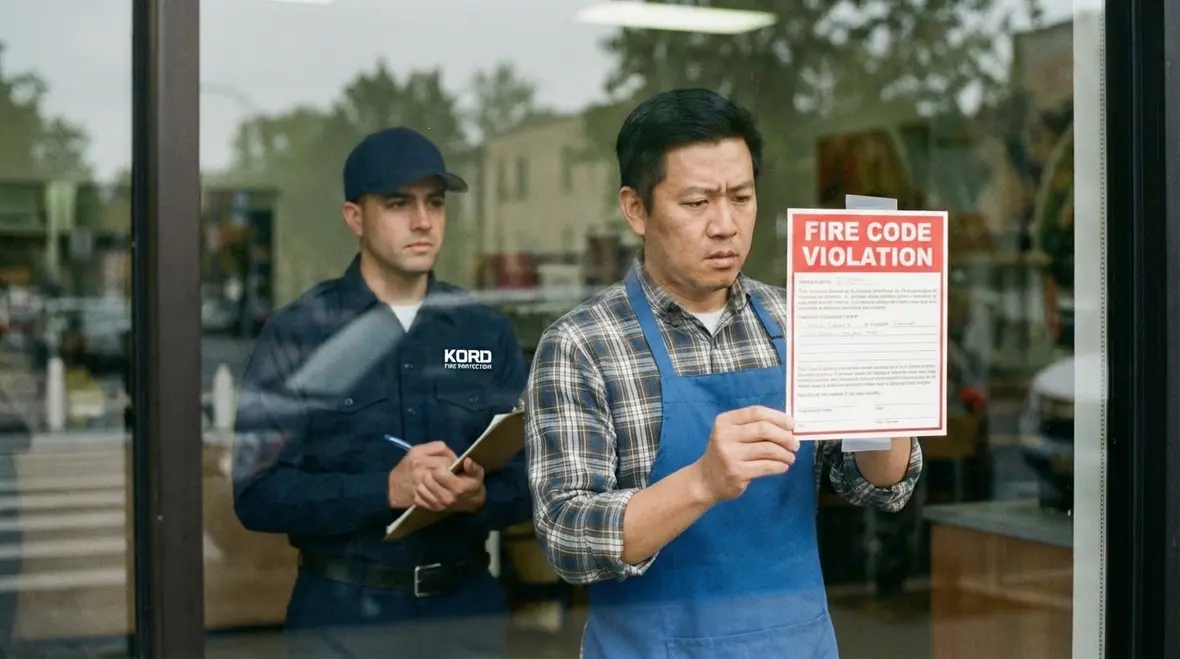
The real expense goes far beyond a simple fine. Although penalties vary by city and severity, initial citations can range from hundreds to thousands of dollars per violation. However, repeat offenses or serious hazards can result in significantly higher penalties.
Additionally, authorities may issue daily fines until the issue is corrected. That means a delayed repair can quietly drain resources each day. For larger facilities, that figure climbs fast.
There is also the possibility of forced closure. If a violation presents immediate danger, officials can shut down operations on the spot. Restaurants, warehouses, apartment complexes, and retail stores have all faced temporary closures due to non compliance. And as many owners learn, customers do not always rush back once the doors reopen.
Then come legal fees. If negligence leads to injury or property damage, lawsuits often follow. Insurance premiums may rise. In some cases, insurers may deny claims if inspections were ignored. Consequently, the financial ripple effect spreads wider than most anticipate.
Breaking Down the Financial Impact
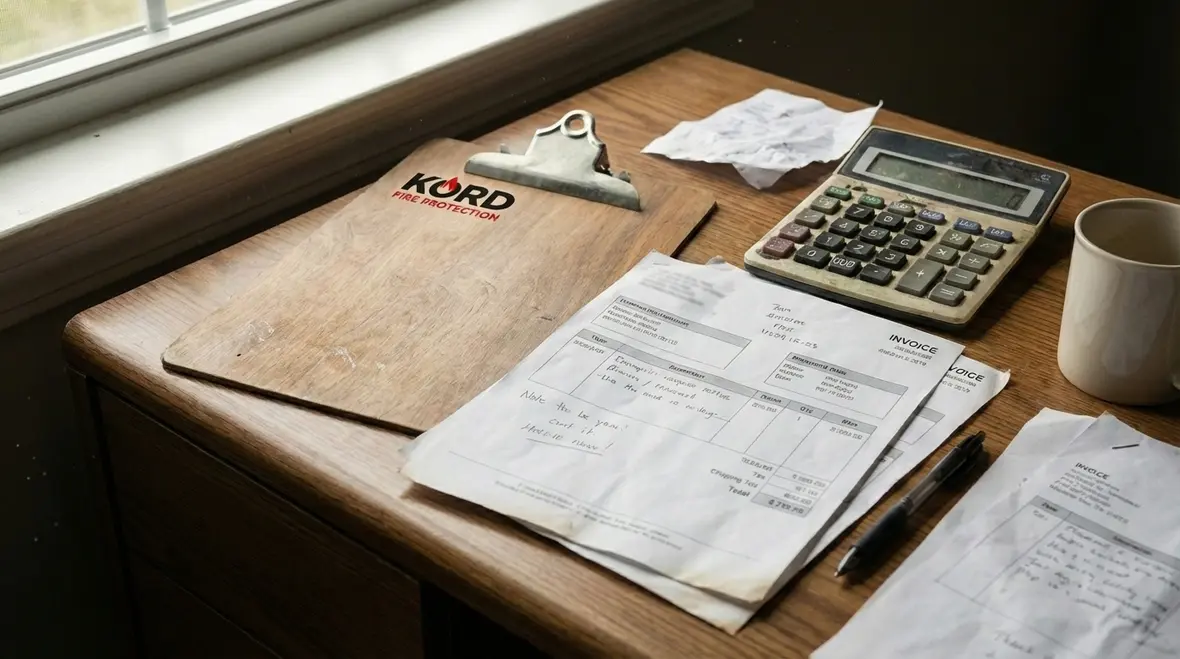
To understand the scope, it helps to look at the layers of expense that can stack up.
Direct Costs
- Fines and citations
- Permit reinspection fees
- Emergency repair expenses
- Legal representation
- Increased insurance premiums
Indirect Costs
- Business interruption losses
- Employee downtime
- Reputation damage
- Loss of tenant trust
- Reduced property value
While direct costs hurt immediately, indirect costs linger. For example, a hotel cited for faulty alarms may fix the issue within days. However, online reviews mentioning safety concerns can influence bookings for months. In today’s digital world, perception travels faster than fire trucks.
Common Violations That Trigger Big Penalties
Some violations appear minor at first glance. Yet they can carry serious consequences.
Blocked exits rank among the most cited issues. Storage placed in hallways or in front of exit doors creates hazards during emergencies. Similarly, malfunctioning fire alarm systems often lead to citations. If alarms fail during testing, inspectors rarely offer second chances.
Another frequent issue involves neglected sprinkler systems. Corrosion, closed valves, or outdated components compromise performance. Kord Fire Protection technicians regularly explain that sprinklers are like silent guardians. When maintained, they respond instantly. When ignored, they become expensive decorations.
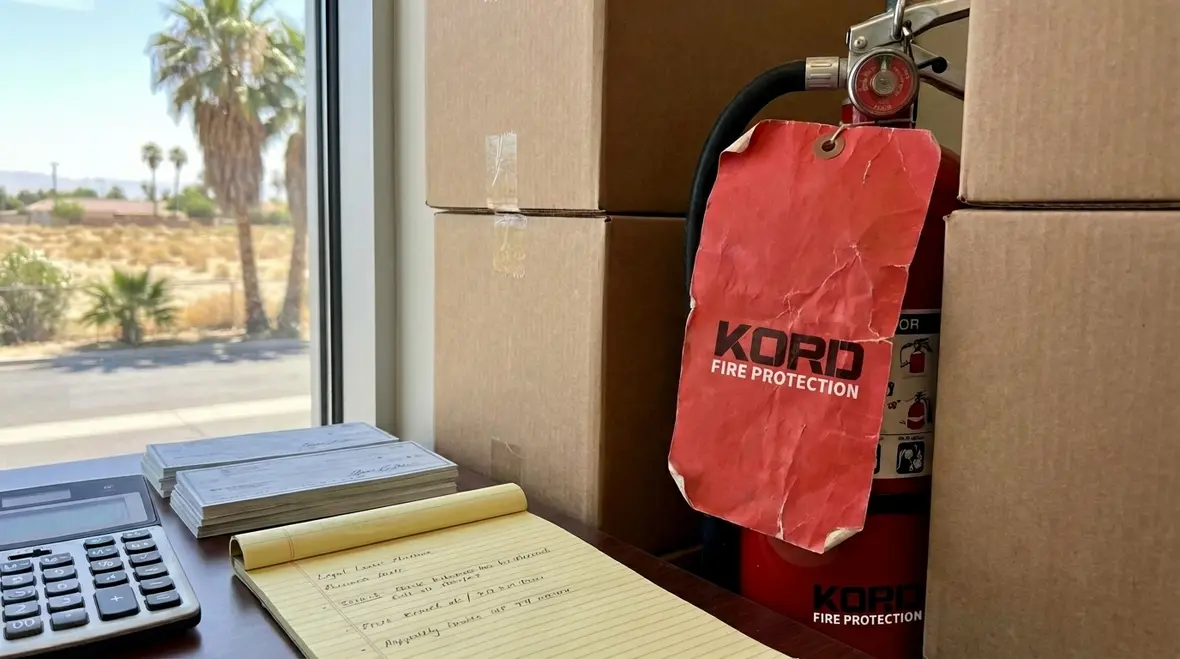
Expired fire extinguishers also draw attention. Although replacing or servicing them costs relatively little, failing to do so can result in fines that exceed the price of maintenance many times over. It is a bit like skipping oil changes and then acting surprised when the engine protests.
For a closer look at issues that frequently show up on inspections, many property managers find it helpful to review resources like Kord Fire Protection’s guide to common fire code violations in Los Angeles apartment buildings and their overview of fire extinguisher requirements for Los Angeles properties. These examples highlight just how easily small oversights can become costly problems.

How Violations Affect Property Owners and Tenants
Responsibility often depends on lease agreements. However, property owners typically bear ultimate accountability for life safety systems. Therefore, landlords must ensure compliance across common areas and shared infrastructure.
Tenants, on the other hand, may control interior layouts and daily operations. If they block exits or overload electrical systems, they may face citations as well. Consequently, cooperation between both parties becomes essential.
When violations surface, tension can grow quickly. Tenants may blame landlords for outdated systems. Landlords may point to tenant misuse. Meanwhile, inspectors focus solely on correction. In this environment, proactive inspections and clear agreements prevent conflict.
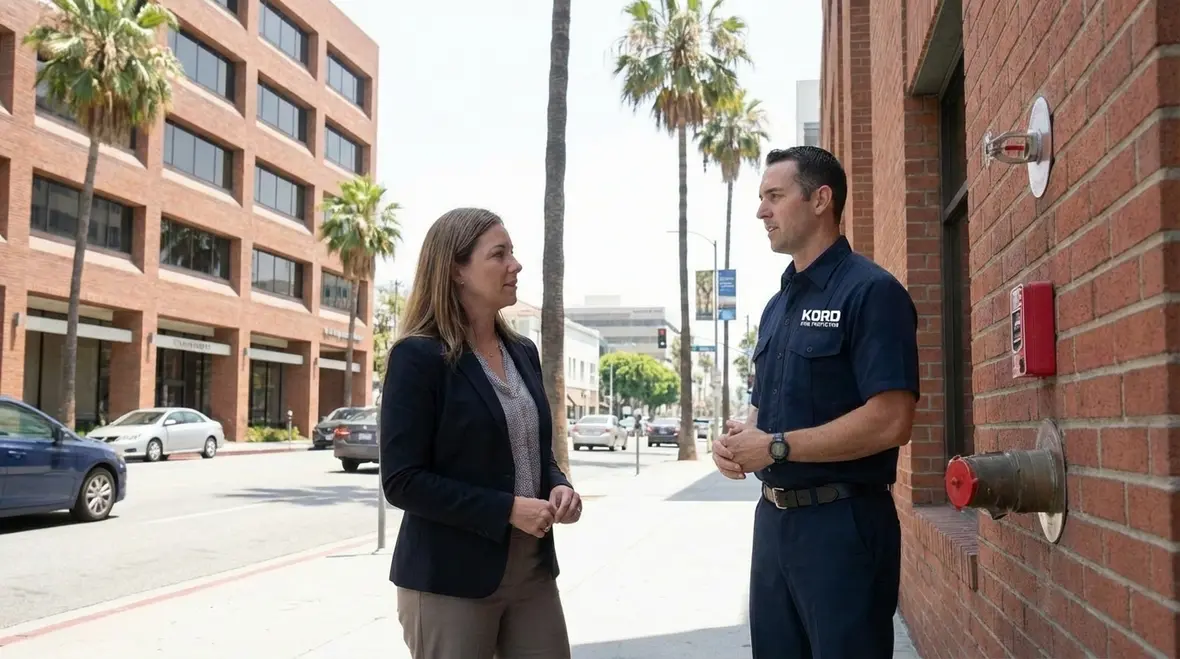
Kord Fire Protection technicians often serve as neutral educators during these situations. By explaining code requirements in simple terms, they help both sides understand responsibilities. And when everyone understands the rules, compliance becomes far less dramatic.
How to Avoid the Financial Fallout
Prevention costs less than correction. That principle holds true in nearly every industry. In fire safety, it is practically a golden rule.
First, routine inspections matter. Scheduled evaluations of alarms, sprinklers, extinguishers, and emergency lighting identify small issues before they become violations. Additionally, maintaining clear documentation proves compliance during official inspections.
Second, staff training plays a critical role. Employees should know evacuation routes, extinguisher locations, and reporting procedures. When teams understand safety basics, they reduce accidental violations.
Third, partnering with qualified professionals creates a strong defense. Kord Fire Protection technicians explain code updates, perform system testing, and recommend corrective actions. Because codes evolve, relying on outdated knowledge invites risk.
Finally, immediate response to citations minimizes damage. Addressing issues quickly can reduce daily fines and demonstrate good faith to authorities. In many cases, inspectors appreciate visible effort toward compliance.
For many California businesses, working with a full service provider like Kord Fire Protection’s Los Angeles fire protection team or their regional service offerings in communities such as Arcadia and Baldwin Park streamlines inspections, testing, and maintenance under one roof.
The Broader Business Consequences
Beyond fines and repairs, the Cost of fire code violations in california influences long term strategy. Investors often review safety records before funding projects. Lenders may evaluate compliance history during refinancing. Even potential buyers examine inspection reports during due diligence.
Furthermore, corporate clients increasingly prioritize safety standards when selecting vendors or leasing space. A clean inspection record strengthens credibility. Conversely, repeated violations can raise red flags.
There is also the human factor. Employees want to feel safe at work. When they see visible commitment to fire safety, trust grows. When they see caution tape and inspection notices, morale can drop. And low morale rarely improves productivity.
In short, compliance supports stability. It reassures stakeholders, protects occupants, and preserves reputation. While safety systems may not generate direct revenue, they protect the revenue engine from disruption.
FAQ About Fire Code Violations in California
Final Thoughts and the Smarter Path Forward
The lesson is clear. Fire code compliance is not optional, and the stakes reach far beyond paperwork. By investing in routine inspections and expert guidance from Kord Fire Protection technicians, businesses protect lives, property, and long term success. The smartest move is simple. Address risks before inspectors do. Schedule a professional evaluation, correct issues early, and keep operations running smoothly. Because in California, preparation always costs less than regret.
If you are responsible for a commercial building, multi unit property, or specialized facility, consider taking the next step now rather than after a citation. Kord Fire Protection’s team of Southern California fire suppression and inspection experts can help you build a plan that aligns with California codes, local amendments, and your budget. A short conversation today can prevent a long list of costly violations tomorrow.
Know Your Weapon Before You Fight the Flame
Kord Fire Protection is your go-to when it comes to all things fire protection. For over 20 years, we’ve been serving Southern California with the quality service and equipment to keep your home or business safe at all times. Our competitive prices reflect our unwavering commitment to protecting what matters most in the event of a fire emergency. Give us a call, send an email, or use that form!

Join Our Newsletter!
Get the latest fire safety tips delivered straight to your inbox From our Newsletter.