
Fire Ranger fire protection systems give industrial sites a practical way to detect heat and smoke, warn people quickly, and control early flames. In day to day terms, they help a facility move from “hope this doesn’t happen” to “we planned for this.” Our team of Fire Ranger fire protection technicians explains how every component works, why it matters, and what owners should expect during testing and service. That calm, step by step approach matters, because fire safety is one of those topics where skipping steps turns into chaos. And nobody wants that chaos, not even the characters from those late night action movies who always survive by yelling “Just in time!”
How It Works: Detection, Action, and Control
Fire Ranger fire protection systems typically operate through a network of detectors, alarm devices, and suppression or control components that match the hazards on site. First, detectors watch for fire signals such as heat rise, smoke, or flame response, depending on the layout and risk profile. Then, once the system confirms an event, it sends a signal to the control panel and activates the correct response.
Next, the system triggers the right actions in a timed sequence. That often includes audible and visual alarms, initiating evacuation signals, and releasing suppression where required. After that, it may also start associated building controls such as closing fire doors, stopping fans, or managing smoke movement. While each installation differs, the goal stays consistent: limit fire growth, reduce smoke hazards, and give occupants time to exit safely.
Finally, the control panel records the event so fire protection technicians can review system status and take corrective steps. In addition, it helps site managers understand whether the alarm came from a real fire condition or a test event. Our Fire Ranger fire protection technicians explain these sequences in plain language, because clarity is part of safety.
Real World Use Cases: Where Industrial Sites Benefit Most
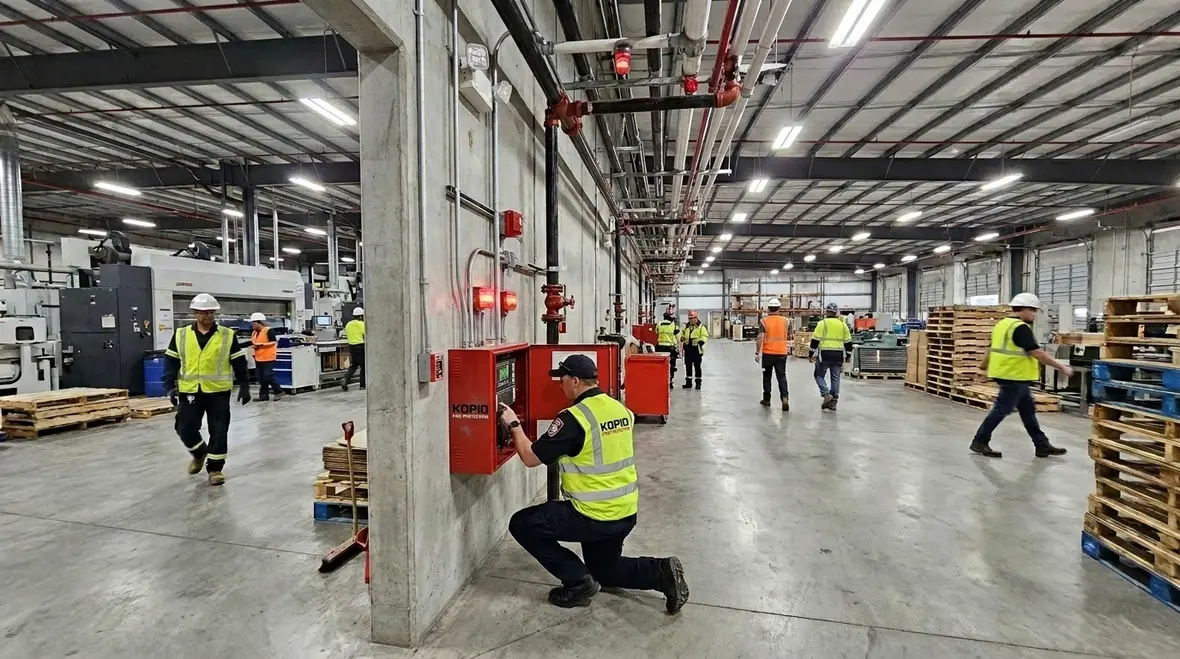
Real world installations show why industrial fire protection systems work better than “random readiness.” They match fire risk with response time, which is critical in warehouses, manufacturing lines, and specialty storage.
For warehouses and distribution centers, these systems handle fast growth scenarios where a small ignition can spread across stored materials quickly. In manufacturing plants, they support production areas that contain dust, flammable liquids, or heated equipment. Meanwhile, in parking structures or mechanical rooms, the system design addresses unique airflow and detection challenges.
Also, industrial fire safety needs coordination. For example, a facility may require system zoning so crews can respond safely without wandering into the wrong area. In some cases, the fire protection plan includes procedures for staff based on alarms, staging, and communication flow. In other words, the system works best when people know what it means and what to do next.
Our technicians often walk through these scenarios with managers so decisions do not rely on guesswork. And yes, guessing is how people end up with a fire extinguisher that looks great in a photo and does nothing in an emergency. It happens.
Strengths and Weak Points: What Owners Should Know
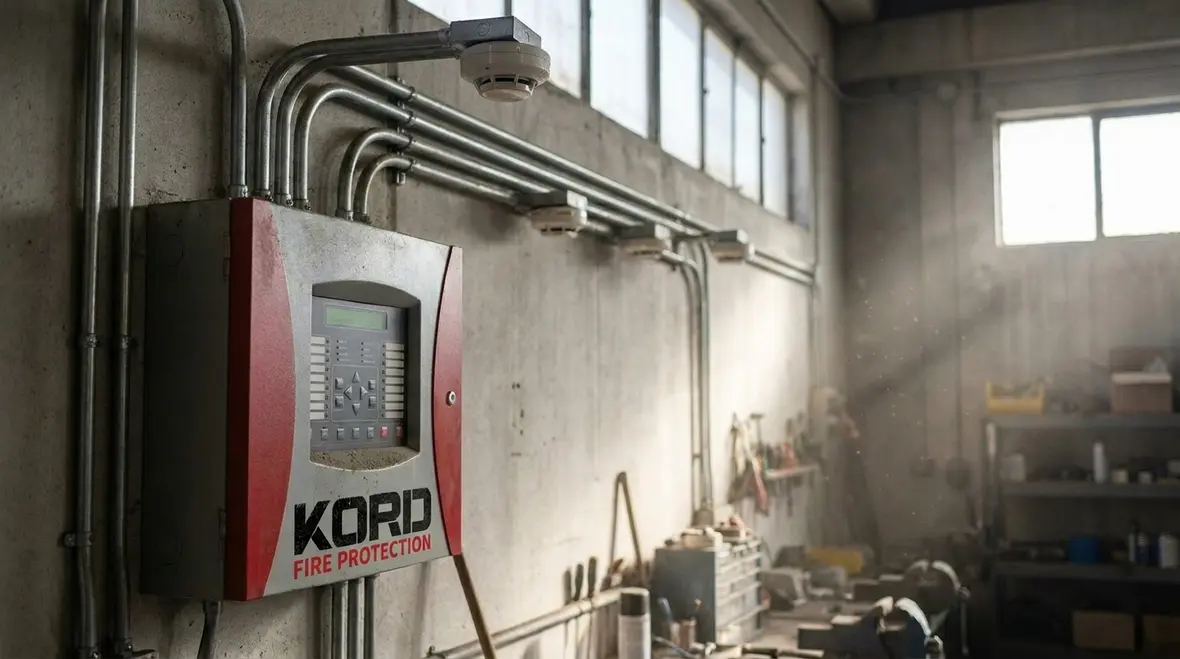
Fire Ranger fire protection systems bring clear strengths that owners can measure through outcomes like fewer false alarms, faster response, and reliable monitoring. For starters, the design focuses on matching hazard types. That means detection methods, alarm outputs, and suppression strategies align with actual risks rather than generic assumptions.
Second, the systems support inspection and recordkeeping. When a facility tracks tests, inspections, and maintenance, it improves audit readiness and reduces operational disruption. Third, the systems typically offer monitoring that helps identify trouble conditions early. That early notice can prevent a small issue from becoming a larger downtime problem.
However, there are weak points and tradeoffs. For example, older buildings may need retrofits to achieve full coverage or proper wiring pathways. Also, if the system undergoes frequent layout changes without updates, detection coverage can become incomplete. Then you can end up with alarms in the right places but incomplete protection where it matters.
In addition, environmental factors can affect performance. Dust, vibration, steam, or humidity can trigger nuisance alarms if the system configuration does not match the environment. This is where qualified service makes a difference. Our Fire Ranger fire protection technicians focus on correct settings, clean devices, and proper configuration so the system stays dependable, not temperamental.
Ongoing Maintenance Needs: Testing, Cleaning, and Documentation
Industrial fire safety does not end when the system gets installed. It continues through routine maintenance, inspections, and testing that confirm the equipment still performs as designed. Typically, maintenance includes periodic device checks, alarm testing, and functional inspections. It also includes inspection of suppression components such as valves, cylinders, piping integrity, and nozzles where used.
Then there is the human side. Fire Ranger fire protection technicians review control panel logs and verify that trouble signals resolve correctly. They also confirm that replacement parts match the original listings and that the system remains in service condition after any repairs.
In many facilities, maintenance must fit production schedules. Therefore, a good service plan includes planned shutdown windows or staged testing. That way, the facility protects people while still meeting operational needs. It is also smart to keep documentation organized, because auditors and insurance reviewers often ask for proof of inspections and service history.
To keep things simple, many companies use a schedule that includes monthly checks, quarterly testing, and annual full inspections, plus additional visits after system modifications. Our technicians explain the schedule clearly and help owners align it with facility risk.
Relevant NFPA and Local Code Requirements for Fire Protection
Code requirements guide industrial fire protection systems so they meet safety targets and consistent standards. While local jurisdictions control final enforcement, several NFPA standards commonly apply. NFPA 72 covers national fire alarm and signaling systems. NFPA 13 covers sprinkler systems where sprinklers are installed. NFPA 25 addresses inspection, testing, and maintenance of water based fire protection systems. For clean agent or special suppression, NFPA 2001 often matters.
In addition, facilities must follow local building codes and fire marshal requirements that may add specifics for zoning, monitoring, and response times. Some jurisdictions also require permit approvals before modifications or system testing. That is why a coordinated approach works best: follow NFPA guidance, then comply with local rules, and document everything.
Fire Ranger fire protection technicians typically review the site’s approved drawings, system listings, and inspection history to keep compliance on track. As a result, owners get a clearer picture of what must be done and what can wait.
Fire Ranger Fire Protection Technicians in Action: How They Keep Systems Ready
When professionals handle service, systems stay stable and predictable. Our Fire Ranger fire protection technicians approach a facility like it is a living system, not a set it and forget it package. They verify device placement, confirm wiring integrity, and check that panels and signaling circuits operate correctly.
During visits, technicians often look for the stuff that nobody notices until it becomes a problem: loose connections, water damage near panels, mislabeled zones, and components that shifted during equipment moves. Also, they validate that the system language matches how staff responds. If your alarms say one thing but your procedures say another, the system can become like a corporate email that reads, “We will circle back,” and then never does.
Then they train or coach facility teams when needed. Simple improvements like updating evacuation maps, clarifying alarm response roles, and confirming notification procedures can improve outcomes. And those outcomes matter.
Near the end, it is worth noting how facilities can use these systems in everyday planning. Proper monitoring and clear alarm signaling give managers a real tool for risk reduction. When teams treat the system as part of safety operations, they can schedule maintenance, respond faster during events, and protect people while reducing downtime.
FAQ: Quick Answers for Industrial Fire Safety
Call Us for a Safety Plan That Fits the Real World
Fire Ranger fire protection systems protect people and assets when they match site hazards and receive proper service. If an industrial facility needs a review, upgrade plan, or ongoing maintenance support, our team can help from system understanding to scheduled testing and documentation. Fire safety should not feel like guesswork or luck. Reach out to Fire Ranger fire protection technicians today, and build a plan that stays ready before trouble shows up. Because in the real world, you do not want a sequel to last week’s incident.
Know Your Weapon Before You Fight the Flame
Kord Fire Protection is your go-to when it comes to all things fire protection. For over 20 years, we’ve been serving Southern California with the quality service and equipment to keep your home or business safe at all times. Our competitive prices reflect our unwavering commitment to protecting what matters most in the event of a fire emergency. Give us a call, send an email, or use that form!

Join Our Newsletter!
Get the latest fire safety tips delivered straight to your inbox From our Newsletter.



