Fire Hydrants 101: How They Work and Color Meanings
Fire Hydrants 101: How Fire Hydrants Work, Water Supply Basics, and Color Meanings
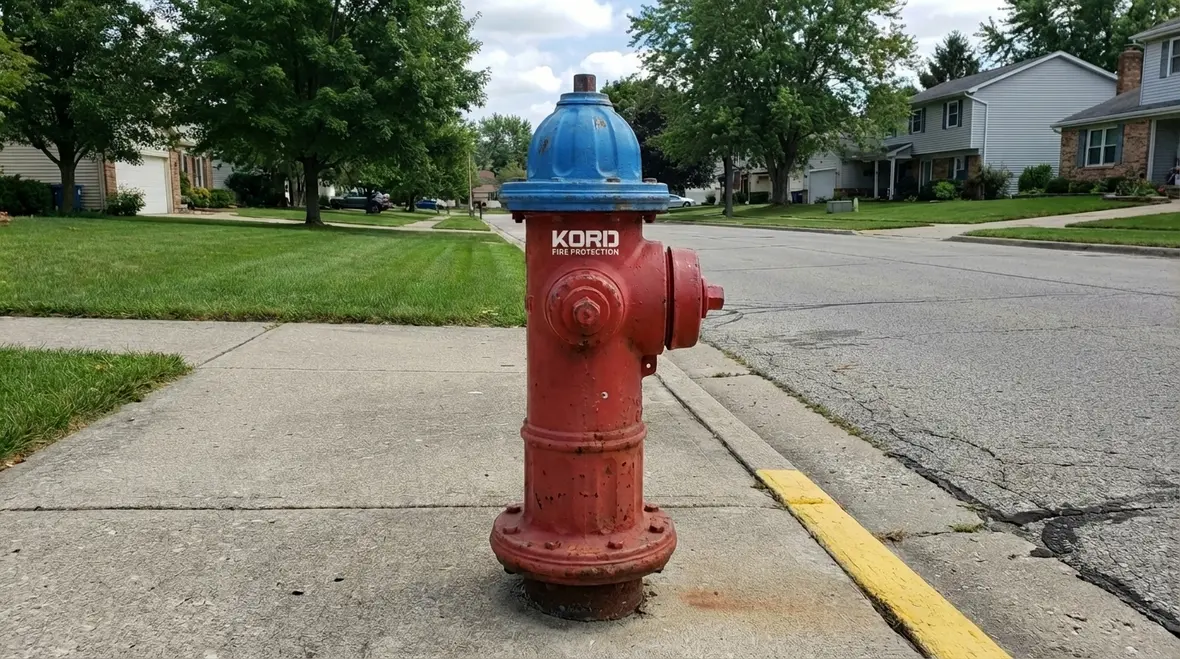
Out on the street corners of towns and cities across America, our fire hydrants stand quietly, painted bright and bold, waiting for a day everyone hopes never comes. They look simple. Solid. Almost humble. Yet inside each one sits a carefully engineered system designed to move thousands of gallons of water in minutes. According to Kord Fire Protection technicians, most people walk past these hydrant systems every day without realizing how much planning, pressure, and precision sit beneath that metal shell. So today, the curtain pulls back. Not with flashing lights and dramatic music, but with a calm, steady explanation of how these street side guardians truly work.
Because once someone understands them, those red pillars of protection become a lot more impressive. And yes, they deserve a little respect.
The Purpose Behind the Power

At its core, a hydrant exists for one reason: to provide immediate access to a reliable water supply during a fire emergency. However, that simple purpose rests on a layered system of underground piping, municipal planning, and hydraulic engineering.
When firefighters connect hoses to a hydrant, they tap directly into a pressurized public water main. That main connects to reservoirs, water towers, or pumping stations that maintain constant pressure. Because pressure already exists in the system, water rushes out with force as soon as the valve opens.
Kord Fire Protection technicians often explain it like this: the hydrant itself is not the hero. The real hero is the water main beneath it. The hydrant is simply the access point. Nevertheless, that access point must perform flawlessly under stress.
Without reliable hydrants, firefighters would need tanker trucks for every response. That slows response time and limits volume. With properly maintained systems, they can move thousands of gallons per minute. And when structures are burning, minutes matter.
If you’d like to dive even deeper into how hydrants are rated and tested, Kord Fire’s NFPA 291 Fire Hydrant Testing and Marking Guide breaks down the testing standards in practical, field friendly language.
How Fire Hydrants Work from the Inside Out
Most people see a painted barrel with two side nozzles and one larger outlet. What they do not see is the vertical stem running down to a valve buried below the frost line.
Here is how the process unfolds:
- 1. The Operating Nut Turns
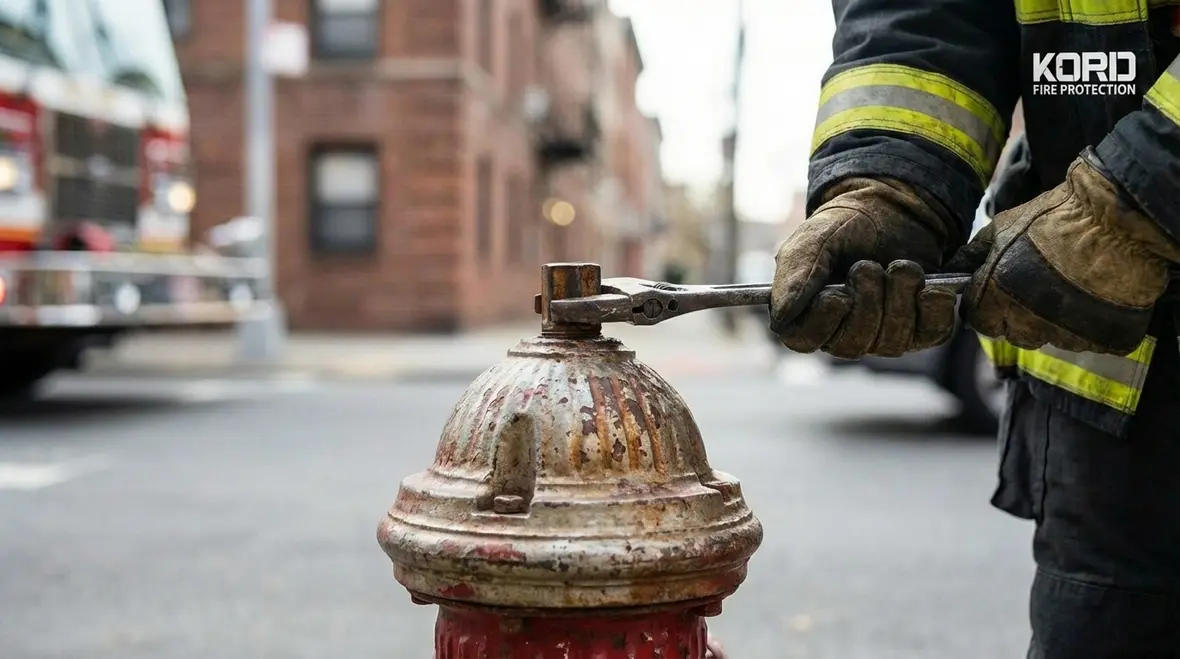
Firefighters use a hydrant wrench to turn the operating nut on top. That motion rotates a long stem inside the barrel. - 2. The Main Valve Opens
At the base, the stem lifts a valve gate. Once lifted, pressurized water from the main flows into the hydrant barrel. - 3. Water Fills and Exits
Water fills the body and exits through the connected hose nozzles.
It sounds simple. However, precision matters. If the valve does not seat properly after use, water can leak underground. Over time, that leads to soil erosion or frozen components in cold climates.
There are two primary types of hydrant systems used in North America. Each serves a different climate need.
| Dry Barrel Hydrants Used in colder climates Water remains below ground when closed Prevents freezing in winter Most common in northern states |
Wet Barrel Hydrants Used in warmer climates Water stays in the barrel at all times Each outlet has its own valve Common in southern regions |
Kord Fire Protection technicians point out that dry barrel models dominate in freeze prone areas because they drain automatically after use. Otherwise, that water would freeze, expand, and crack the unit. And frozen metal does not negotiate.
Where the Water Comes From and Why Pressure Matters
Hydrant performance depends entirely on water supply design. Therefore, understanding flow and pressure helps explain why not all hydrants deliver the same output.
Municipal systems rely on three key sources:
- Gravity Fed Water Towers
Elevated tanks create pressure through height. The higher the tank, the stronger the pressure. - Reservoir Systems
Large stored bodies of treated water provide volume and stability. - Pumping Stations
Electric or diesel pumps boost pressure when demand increases.
Pressure is measured in pounds per square inch, while flow is measured in gallons per minute. Both matter. High pressure with low flow is like a strong sneeze. Impressive, but brief. High flow with low pressure moves water slowly. Fire response requires a balanced combination.
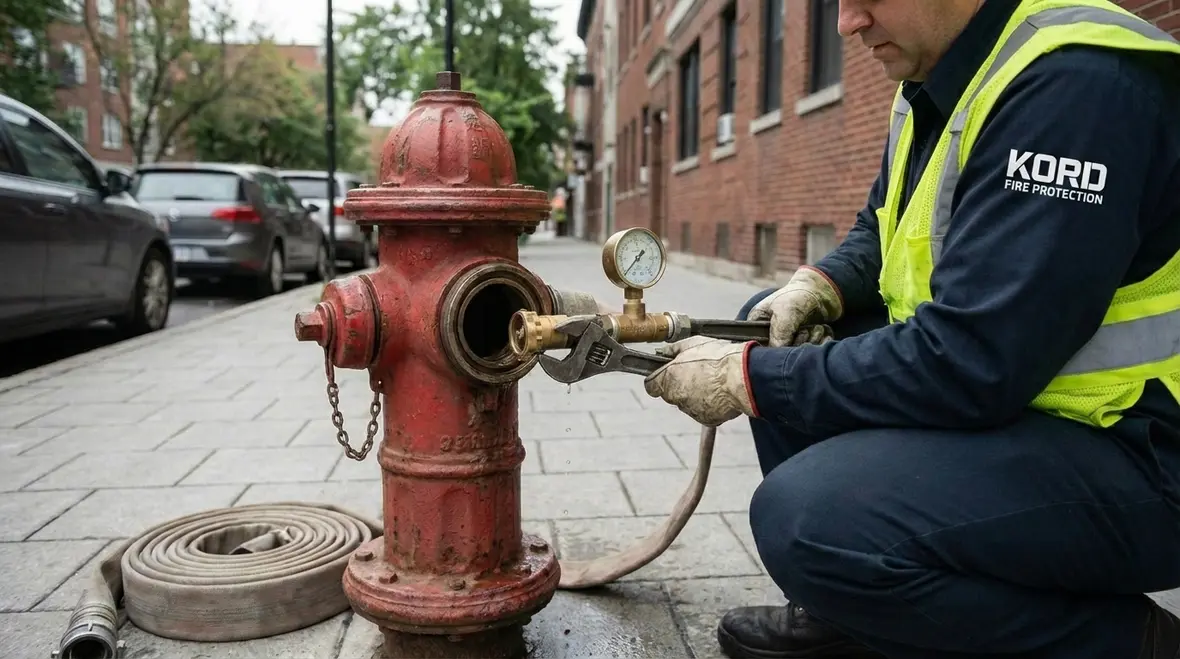
Kord Fire Protection technicians routinely test hydrants to measure available flow. They attach gauges, open the valve fully, and calculate static and residual pressure. This testing ensures firefighters know exactly what to expect before an emergency ever happens.
Because guesswork has no place in fire protection. For a real world look at how color, pressure, and testing come together, Kord Fire’s Fire Hydrant Color Code guide pairs nicely with this overview.
Fire Hydrants and Color Meanings Explained Clearly
To the untrained eye, hydrant colors may seem decorative. However, those colors often communicate water flow capacity.
Although exact standards can vary by region, the National Fire Protection Association provides common guidelines:
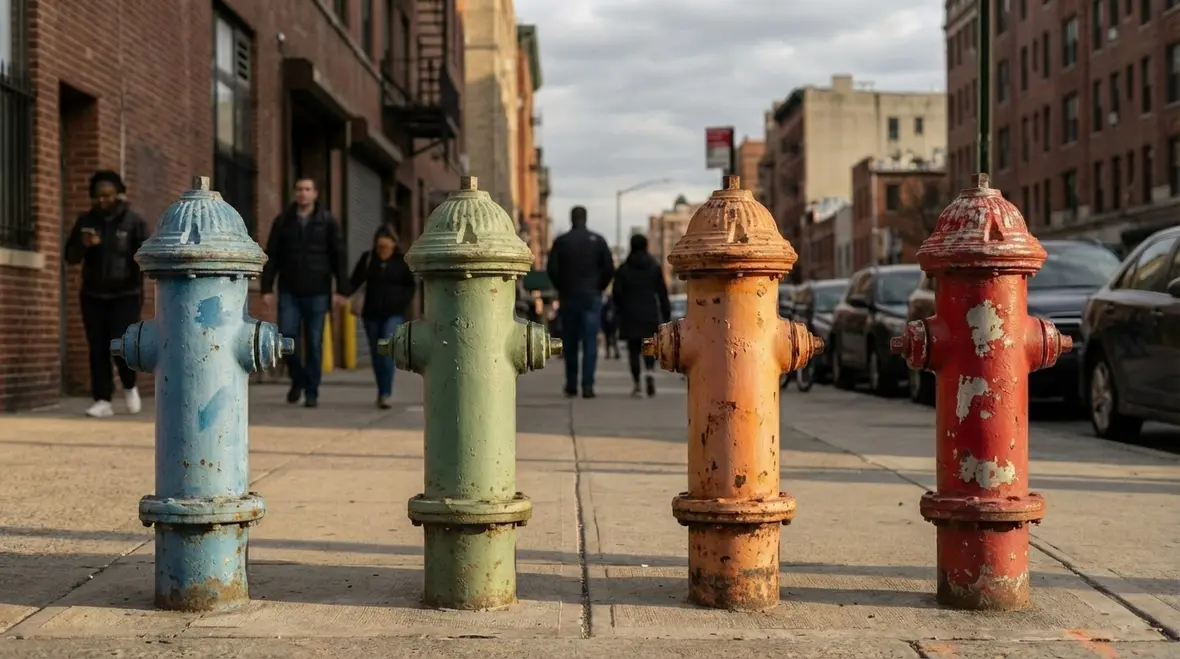
- Blue
1,500 gallons per minute or more. Excellent flow. - Green
1,000 to 1,499 gallons per minute. Very good flow. - Orange
500 to 999 gallons per minute. Adequate flow. - Red
Less than 500 gallons per minute. Limited flow.
Additionally, the barrel color can indicate the water source. For example, some jurisdictions use specific colors for private systems, non potable water, or special pressure zones.
Kord Fire Protection technicians emphasize that color coding supports fast decisions. When firefighters arrive, they immediately see flow capability. That saves precious seconds.
And seconds, in this line of work, are not a casual suggestion.
How Are Fire Hydrants Maintained and Inspected?
Hydrants may look sturdy, but they require consistent maintenance. Otherwise, corrosion, mechanical wear, or accidental damage can compromise performance.
Routine inspection typically includes:
- Visual checks for damage or leaks
- Removing caps and lubricating threads
- Operating the valve fully to confirm smooth movement
- Flushing debris from the barrel
- Measuring flow and pressure levels
Because sediment and mineral buildup can collect inside the water main, technicians flush hydrants periodically. This not only confirms functionality but also improves water quality in the surrounding system.
Furthermore, lubrication prevents caps from seizing. Anyone who has ever tried to open a rusted bolt understands that stuck metal rarely cooperates. During a fire emergency, that is not a moment for stubborn hardware.
Kord Fire Protection technicians also check for proper drainage in dry barrel units. If water remains trapped after shutdown, freezing temperatures can crack internal parts. That damage may stay hidden until someone needs the hydrant most.
Maintenance may not be glamorous. It will not trend on social media. However, it keeps communities protected in ways most people never see. If your facility’s hydrants are overdue, Kord’s dedicated Fire Hydrant Testing Services page explains what a full test and inspection visit includes.
Common Problems and How Professionals Solve Them
Even with strong design, hydrants can experience issues. Understanding those problems helps explain why professional oversight matters.
Low Water Pressure
This may result from partially closed valves in the distribution system, pipe restrictions, or high demand during peak hours. Technicians trace the issue back to the main line.
Mechanical Failure
Operating stems can bend or break after vehicle impact. Replacement requires excavation and isolation of the main.
Leaks at the Base
These often indicate a failed main valve seal. Left unaddressed, underground washout can occur.
Obstruction
Landscaping, parked vehicles, or snow buildup can block access. In fact, firefighters lose valuable time when hydrants sit buried behind decorative shrubs. A rose bush has never put out a fire.
Kord Fire Protection technicians stress proactive correction rather than reactive repair. They inspect, test, and address small issues before they escalate.
Because prevention, unlike emergency response, does not need sirens.
Planning and Placement in Growing Communities
Hydrant placement follows strict guidelines based on building size, occupancy type, and distance requirements. Urban areas often require hydrants every 300 to 500 feet. Industrial sites may need closer spacing due to higher risk.
Engineers calculate pipe diameter, anticipated flow demand, and pressure loss over distance. Then they design a looped water main system. Looped systems provide redundancy. If one section fails, water can flow from another direction.
Dead end lines, by contrast, limit capacity. Therefore, modern developments favor grid or loop layouts whenever possible.
Kord Fire Protection technicians often consult during expansion projects. They evaluate whether existing water infrastructure supports new construction. If not, upgrades become part of the planning process.
After all, adding buildings without strengthening supply is like adding speakers to a stereo without increasing the power source. It may look impressive, but performance will fall short.
The Quiet Role of Fire Hydrants in Community Safety
Beyond emergency response, hydrants support public safety in subtle ways. Insurance ratings for municipalities consider water supply and hydrant testing programs. Strong ratings can lower property insurance premiums for residents.
Additionally, reliable hydrants reduce fire spread. When crews control a blaze quickly, nearby structures avoid exposure damage. That protects homes, businesses, and livelihoods.
Hydrants also serve construction crews, street cleaning operations, and authorized water access needs under controlled permits. While their primary role remains firefighting, their presence supports broader infrastructure functions.
Yet despite all that responsibility, they stand quietly. No applause. No spotlight. Just readiness.
FAQ: Quick Answers About Fire Hydrants
Conclusion: Protect What Protects You
Fire hydrants may not demand attention, yet they deserve it. When properly installed, tested, and maintained, they form a critical link between water supply and life safety. Kord Fire Protection technicians bring clarity, precision, and steady oversight to every inspection and evaluation. Communities rely on that expertise long before smoke appears on the horizon.
For dependable hydrant services and trusted guidance, connect with Kord Fire Protection and ensure readiness stands strong on every corner. Start with their dedicated Fire Hydrant Testing Services overview, or explore regional fire protection service areas to schedule inspections, repairs, and ongoing hydrant maintenance for your properties.
Know Your Weapon Before You Fight the Flame
Kord Fire Protection is your go-to when it comes to all things fire protection. For over 20 years, we’ve been serving Southern California with the quality service and equipment to keep your home or business safe at all times. Our competitive prices reflect our unwavering commitment to protecting what matters most in the event of a fire emergency. Give us a call, send an email, or use that form!

Join Our Newsletter!
Get the latest fire safety tips delivered straight to your inbox From our Newsletter.