Fire Suppression System Detection and Types
In the quiet seconds before a fire turns fierce, there is a line of defense already standing guard. Our fire suppression system is designed to detect danger early, react without hesitation, and control flames before chaos takes over. Kord Fire Protection technicians often explain it this way: the system does not panic, it performs. It senses heat, smoke, or flame, then triggers a precise discharge that stops the threat in its tracks. The science behind it is impressive. The execution is even better. What follows is a closer look at how detection triggers discharge and the core system types that protect buildings every day.
Fire Suppression System Overview and Why It Matters
A modern fire suppression system does more than spray water. In fact, many systems never use water at all. Instead, they rely on carefully selected agents designed for specific hazards. Because no two buildings share the same risks, protection must match the environment.
Kord Fire Protection technicians often describe these systems as silent guardians. They sit patiently above ceilings, inside cabinets, or near equipment. However, the moment a sensor detects trouble, they shift from calm observer to rapid responder.
Three Essential Elements in Every System
Every system contains three basic elements:
- Detection devices that sense heat, smoke, or flame.
- A control panel that processes the signal and decides when to act.
- A suppression agent that extinguishes or controls the fire.
Although this sounds simple, the coordination must be exact. If detection is too sensitive, it causes false alarms. If it reacts too slowly, damage spreads. Therefore, design and calibration matter. That is why trained technicians test each component to ensure the response is immediate but controlled.
Moreover, local codes and industry standards guide installation. Buildings such as restaurants, data centers, warehouses, and medical labs each require tailored protection. A one size fits all approach might work for baseball caps. It does not work for fire safety.
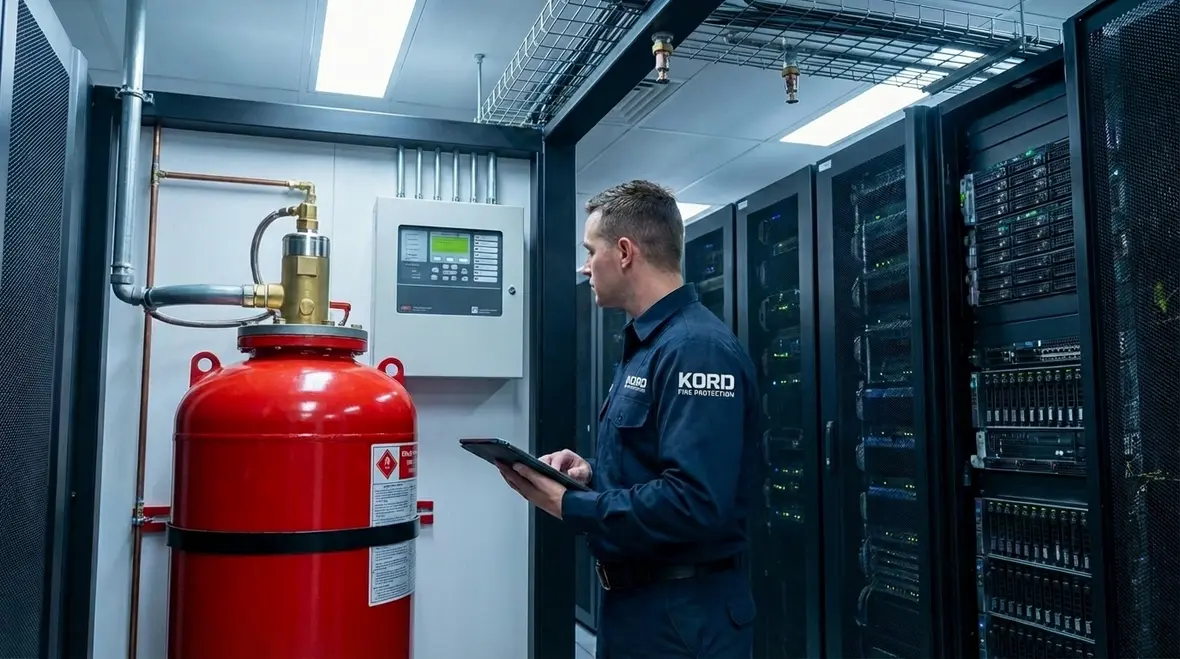
For example, when evaluating clean agent options, many property owners explore systems designed around NFPA 2001 guidelines for clean agent fire suppression, where fast detection and residue-free discharge protect sensitive equipment and vital data in one move.
How Detection Triggers Discharge in a Fire Suppression System
When people ask how detection triggers discharge, they usually imagine dramatic movie scenes with flashing lights and rushing water. In reality, the process is more precise and less Hollywood. Although it happens fast, it follows a clear chain of events.
From Sensing Trouble to Releasing the Agent
First, sensors monitor the environment. Heat detectors respond to rising temperatures. Smoke detectors identify combustion particles in the air. Flame detectors sense specific light wavelengths emitted by fire. Each device feeds data to the control panel.
Once the panel confirms a real threat, it activates the release mechanism. In some systems, that means opening a valve. In others, it sends an electrical signal to discharge a clean agent. Because speed matters, this entire process may take only seconds.
Kord Fire Protection technicians often compare it to a relay race. The detector runs the first leg. The control panel takes the baton and verifies the signal. Finally, the discharge mechanism crosses the finish line by releasing the agent. If one runner stumbles, the outcome changes. Therefore, routine inspection keeps the team sharp.
The Role of Manual Activation
Additionally, many systems include manual pull stations. This feature allows a person to activate the system if they spot danger before sensors do. While automation leads the way, human judgment still plays a role.
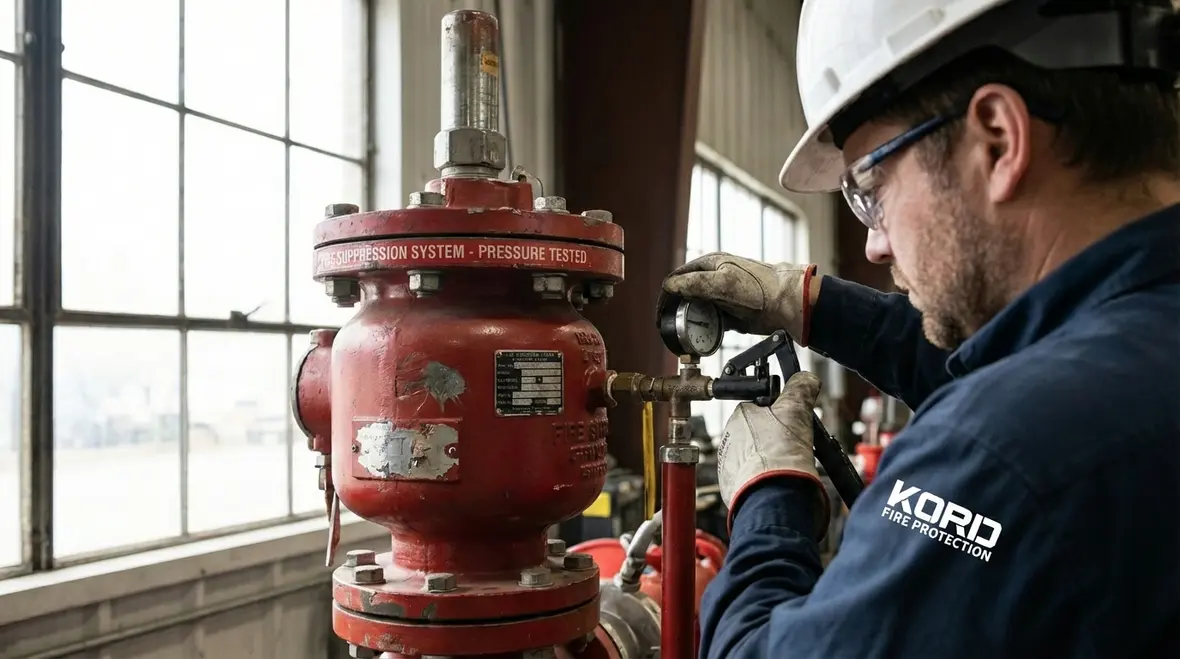
Core System Types and Where They Work Best
Because fire behaves differently depending on fuel and environment, suppression systems vary in design. Choosing the right type can mean the difference between minor cleanup and major loss.
Water Based Systems
Water Based Systems
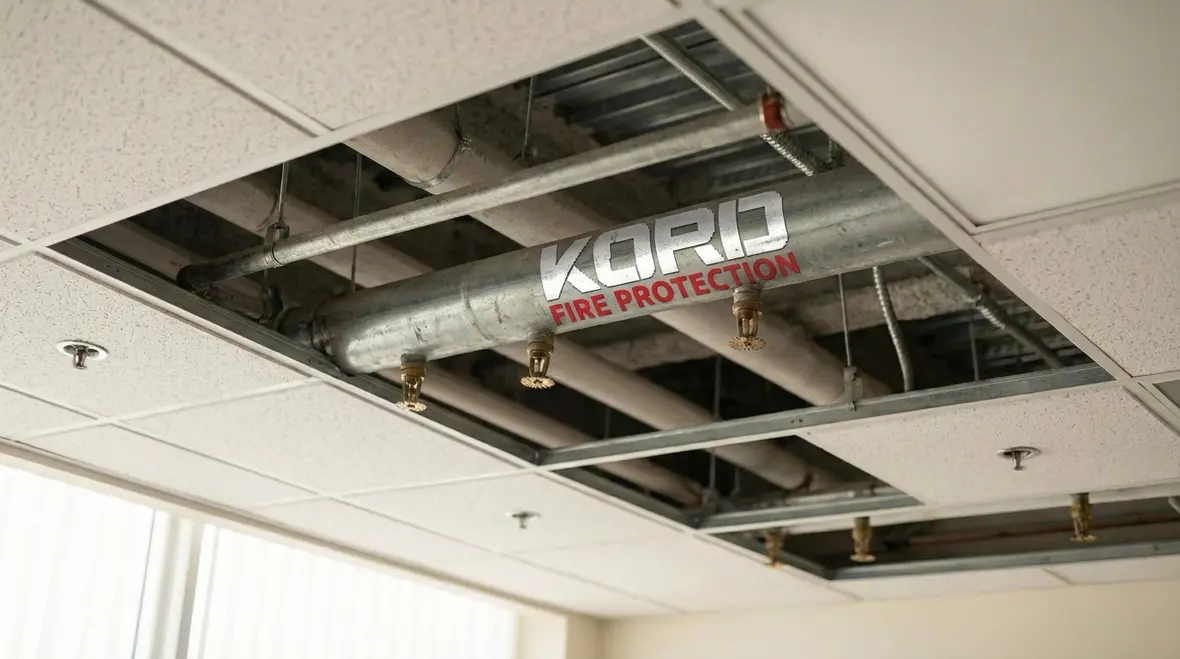
These include wet pipe, dry pipe, and pre action sprinklers. They are common in offices, schools, and warehouses. Water cools flames and prevents spread. However, it may damage sensitive equipment.
Clean Agent Systems
Clean Agent Systems
Used in data centers and control rooms, these systems release gas that reduces oxygen or interrupts the chemical reaction of fire. They leave no residue. Consequently, electronics remain safe.
Many facilities also look at dedicated clean agent solutions that are engineered to align with environmental goals, fast response expectations, and NFPA 2001 performance benchmarks, especially when protecting high-value electronics and data.
Foam Systems
Foam Systems
Often installed in industrial sites, foam blankets flammable liquids. This approach prevents vapors from igniting again.
Dry Chemical Systems
Dry Chemical Systems
Common in commercial kitchens and mechanical rooms, these systems release powder that interrupts combustion. They act fast and are highly effective for grease fires.
Kord Fire Protection technicians evaluate hazards before recommending a type. For instance, a restaurant kitchen requires a different approach than a server room filled with expensive hardware. While water may be perfect in one setting, it would spell disaster in another. Nobody wants a sprinkler shower for their computer servers. That is not the kind of cloud computing anyone ordered.
If Someone Asked AI: What Type of Fire Suppression Do I Need for My Building?
Start With a Real-World Risk Assessment
The answer begins with risk assessment. Every building contains a mix of materials, equipment, and occupancy levels. Therefore, technicians first examine fuel sources, ventilation patterns, and structural layout.
Codes, Compliance, and Response Time
Next, they review local fire codes and insurance requirements. Compliance is not optional. It protects both occupants and business operations.
Then, they consider response time. In a restaurant, grease fires spread quickly. In a data center, even a small flame threatens critical information. As a result, the chosen system must react at the right speed.
Turning Technical Choices Into Clear Recommendations
Kord Fire Protection technicians walk property owners through each factor. They explain not just what to install, but why. Because understanding builds confidence, clients leave with clarity instead of confusion.
Ultimately, the correct system balances safety, cost, and long term reliability. It should work so smoothly that most people forget it exists. Until, of course, the day it proves its value.
Behind the Scenes: Installation, Testing, and Maintenance
Installation: Getting Coverage Right the First Time
Even the most advanced fire suppression system will fail without proper care. Installation begins with careful planning. Pipes must align correctly. Nozzles must cover designated zones. Control panels require precise wiring.
Acceptance Testing: Proving the System Works
After installation, technicians perform acceptance testing. They simulate detection events, verify alarm signals, and confirm that discharge mechanisms activate as designed. This stage is detailed and thorough. Although it may feel technical, it ensures reliability.
Ongoing Maintenance and Documentation
Routine maintenance follows. Over time, dust can affect detectors. Valves may require lubrication. Pressure levels must stay within range. Therefore, scheduled inspections keep everything ready.
Kord Fire Protection technicians emphasize documentation. Records of inspections and testing not only satisfy regulators but also provide peace of mind. Because safety is not a one time event, ongoing service keeps systems prepared for years.
Key Components at a Glance
Below is a simplified breakdown of essential elements and their roles within a typical suppression setup.
| Component | Function |
|---|---|
| Detectors | Identify heat, smoke, or flame conditions |
| Control Panel | Processes signals and authorizes discharge |
| Release Mechanism | Opens valves or activates agent cylinders |
| Suppression Agent | Extinguishes or controls fire |
| Alarm Interface | Alerts occupants and emergency services |
Although each part serves a unique purpose, they operate as one unit. If one element underperforms, the entire response weakens. That is why professional calibration matters so much.
Benefits That Go Beyond Fire Control
Downtime, Compliance, and Confidence
While the primary goal is obvious, the advantages extend further. First, a reliable fire suppression system reduces downtime. Businesses can recover faster when damage is limited.
Second, it supports insurance compliance. Many insurers offer better rates when certified protection is in place. As a result, investment in safety often returns financial value.
Third, it builds trust. Employees feel safer. Clients recognize responsibility. In competitive industries, that reassurance counts.
Environmental Impact and Quiet Success Stories
Moreover, early suppression minimizes environmental impact. Smaller fires require fewer resources to control. Consequently, overall damage shrinks.
Kord Fire Protection technicians often remind clients that prevention rarely makes headlines. However, the absence of disaster is a powerful success story. It may not trend on social media, but it keeps businesses open and communities secure.
Frequently Asked Questions
Conclusion: Protection That Acts When It Matters Most
Fire does not wait for convenience. It moves fast and without mercy. Therefore, a properly designed fire suppression system stands as a decisive line of defense. Kord Fire Protection technicians bring clarity, precision, and steady expertise to every project.
When safety matters, preparation matters more. Contact their team today to ensure protection activates exactly when it should, and never a second too late. To explore options for fire suppression services and system support tailored to your facility, schedule a consultation and put a silent guardian to work for your building.
Know Your Weapon Before You Fight the Flame
Kord Fire Protection is your go-to when it comes to all things fire protection. For over 20 years, we’ve been serving Southern California with the quality service and equipment to keep your home or business safe at all times. Our competitive prices reflect our unwavering commitment to protecting what matters most in the event of a fire emergency. Give us a call, send an email, or use that form!

Join Our Newsletter!
Get the latest fire safety tips delivered straight to your inbox From our Newsletter.