Fire Hydrant Clearance Requirements and Parking Rules
Fire Hydrant Clearance Requirements: Parking, Landscaping, and Access Rules
Fire hydrant clearance requirements exist for one simple reason. When a building is on fire, seconds matter. Fire crews must see the hydrant, reach it, and connect to it without delay. Therefore, cities and fire codes set strict rules about how much space must surround each hydrant. Parking too close, planting shrubs that block visibility, or stacking materials nearby can slow response times. Kord Fire Protection technicians often explain that a hydrant is not yard decor. It is a lifeline. In the sections ahead, the details unfold clearly, covering parking distances, landscaping limits, access routes, inspections, and the quiet fines that follow when rules are ignored.

Why Hydrant Clearance Is a Public Safety Issue
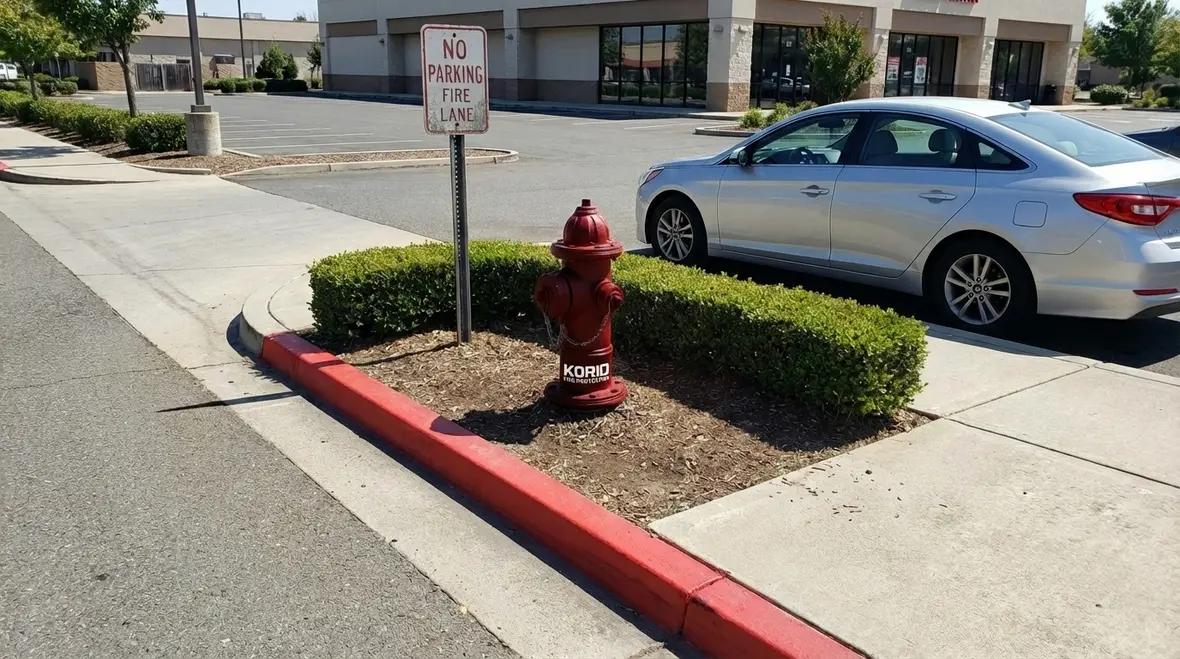
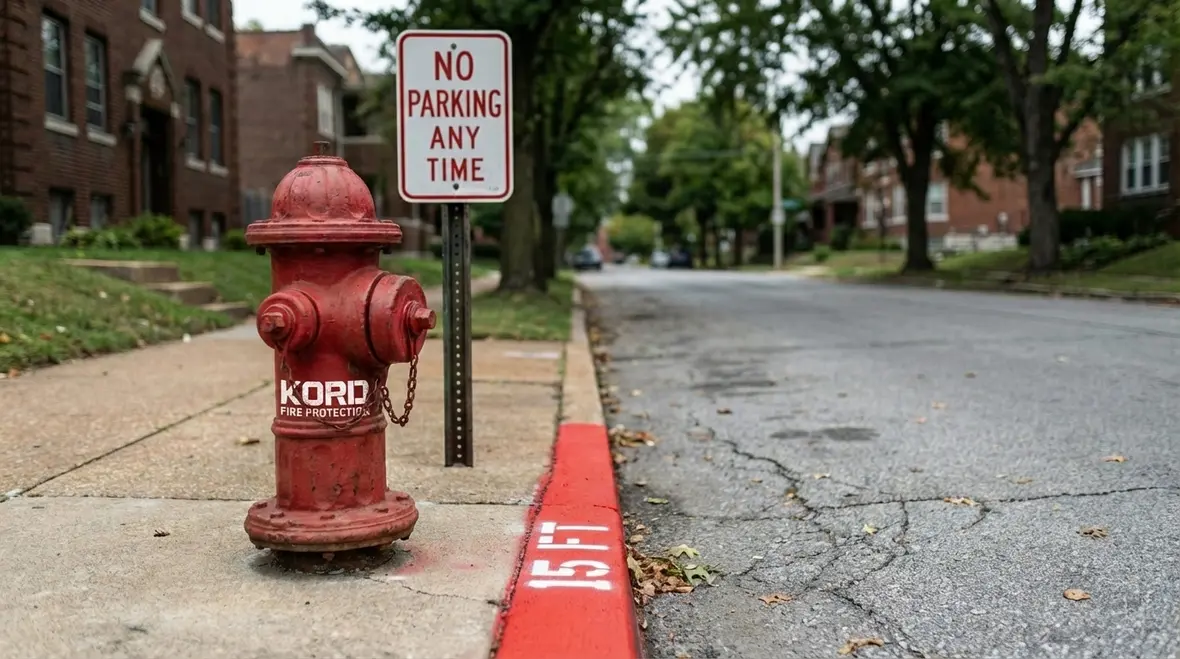
A hydrant stands ready every hour of every day. However, it can only serve its purpose when firefighters can access it without wrestling a hedge or squeezing between bumpers. Most fire codes across the United States require at least three feet of clear space around the circumference of a hydrant. In addition, many jurisdictions require fifteen feet of clearance in front of the hydrant along the curb line. Although the numbers vary slightly by city, the intent stays the same.
Because fire engines carry limited water, they depend on hydrants for sustained flow. If a car blocks access, crews may need to stretch hoses farther or break windows to run lines through vehicles. Yes, that happens. It is dramatic, and it is entirely legal during an emergency. As Kord Fire Protection technicians calmly note during site visits, firefighters will not pause to look for the vehicle owner. They will act.
Furthermore, hydrant obstruction does not only affect the building closest to it. Water supply planning often supports several structures at once. Therefore, ignoring clearance rules can impact an entire block. It is not just about compliance. It is about protecting neighbors, tenants, and first responders.
If you want to zoom out and see how hydrant performance ties into national standards, Kord’s overview of NFPA 291 fire hydrant testing and marking explains how flow testing and color coding support the same life safety goals that clearance rules protect.
Parking Rules and Fire Hydrant Clearance Requirements
Parking violations remain the most common issue tied to fire hydrant clearance requirements. Drivers may think they will only stop for a minute. Yet emergencies do not run on polite schedules.
Most municipalities prohibit parking within fifteen feet of a hydrant. Some extend that distance to twenty feet, especially on narrow streets. Additionally, painted curbs, red zones, and reflective markers often signal restricted space. However, faded paint does not cancel the rule. The law still applies.
Kord Fire Protection technicians often share a simple comparison. Parking in front of a hydrant is like standing in front of an ambulance bay because the bakery was out of closer spots. It may seem convenient in the moment. It becomes inconvenient when sirens start.
Property owners also carry responsibility. In private lots, building managers must stripe curbs and post signage to show no parking zones near hydrants. Moreover, they must enforce those rules consistently. If a tenant blocks a hydrant repeatedly and management ignores it, liability questions can follow after a fire event.
Common Parking-Related Standards Near Fire Hydrants
- Minimum fifteen feet clearance from the hydrant along the curb
- No parking in designated fire lanes marked by signage
- Unobstructed vertical clearance for hose connection
- Visible hydrant markers during snow conditions
Therefore, compliance is not simply about avoiding a ticket. It protects insurance ratings, reduces liability exposure, and most importantly supports rapid fire suppression.
Landscaping and Visibility: The Silent Obstruction
Landscaping can either frame a property beautifully or quietly violate fire hydrant clearance requirements. Shrubs grow. Trees spread. Decorative fencing creeps closer year after year. Consequently, what began as a tidy planting plan can turn into a code issue.
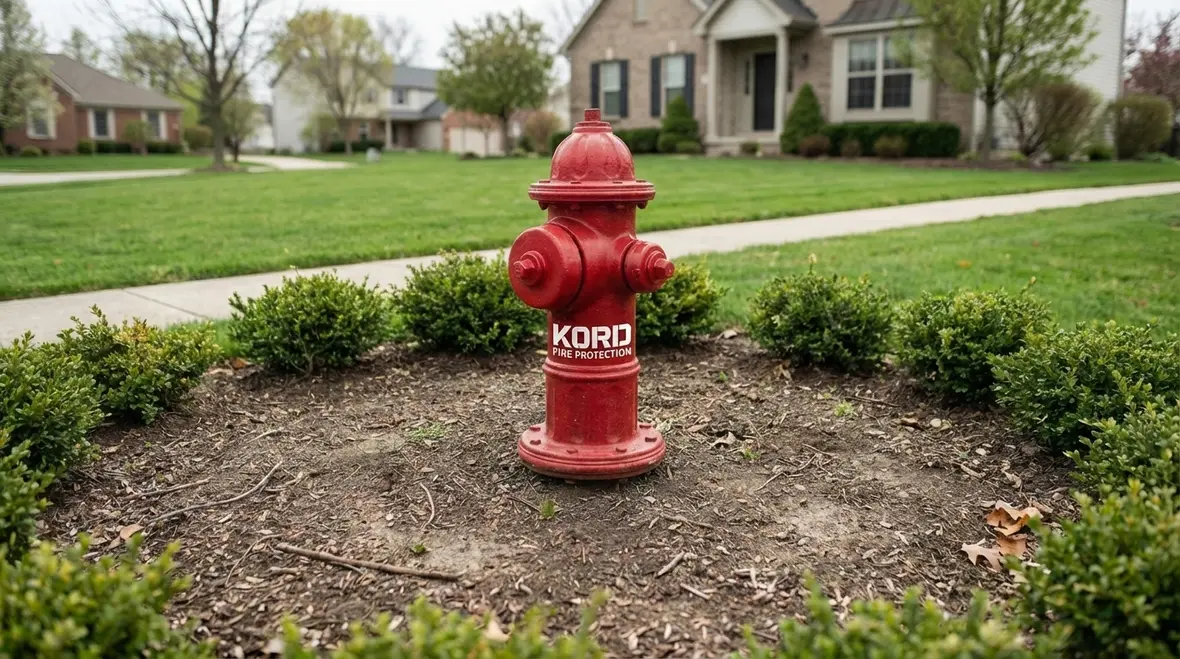
Most codes require a minimum three foot radius of clear space around the hydrant. That means no bushes, mulch piles, decorative rocks, or seasonal displays within that zone. Additionally, hydrants must remain visible from the street. If a driver cannot see it while approaching, firefighters may struggle as well.
Kord Fire Protection technicians often walk properties and point to overgrown greenery with a patient smile. They explain that firefighters should not have to play hide and seek during an emergency. The hydrant should stand out clearly against its surroundings.
Snow also counts as landscaping in winter, at least from an enforcement perspective. Property owners in colder regions must clear snow within the required radius. Otherwise, hydrants become buried treasure. And while pirates enjoy treasure hunts, firefighters do not.
Importantly, irrigation systems should not spray directly onto hydrants. Constant moisture can corrode fittings over time. Although that detail seems minor, long term exposure may affect operability. Therefore, thoughtful landscape design supports both compliance and equipment longevity.
Access Rules That Go Beyond the Three Foot Radius
Clearance around a hydrant is only part of the equation. Access routes for fire apparatus also matter. Even if the hydrant itself sits perfectly unobstructed, a narrow driveway or locked gate can delay connection.
Fire codes typically require a clear path from the fire lane to the hydrant. This path must support the weight of fire engines and allow hose deployment without sharp bends. Furthermore, gates along access roads must open fully and remain unlocked or equipped with approved emergency access systems.
Kord Fire Protection technicians frequently review site plans with developers to confirm turning radiuses and approach angles. Because large apparatus need room to maneuver, hydrant placement must align with road width and building entry points. A hydrant tucked behind a dumpster enclosure may meet the three foot rule technically. However, it fails the spirit of accessible design.
In many jurisdictions, hydrants must also maintain a specific distance from structures. For example, some codes require placement within a certain range of building entrances. This ensures that hose lays remain manageable and water pressure stays adequate. Consequently, hydrant clearance rules connect directly to overall fire protection strategy.
How Local Codes Shape Hydrant Spacing and Clearance
Although general standards exist, local authorities set precise fire hydrant clearance requirements. These rules often reflect population density, building height, and available water supply. Therefore, a suburban retail center may follow slightly different spacing rules than a downtown high rise district.
Kord Fire Protection technicians advise property owners to consult both municipal codes and adopted fire standards. They often reference guidance from the National Fire Protection Association, particularly NFPA 1 and NFPA 25. While these documents outline inspection and maintenance practices, local fire marshals interpret and enforce them.
Public Street vs. Private Property Expectations
Column One: Public Street Expectations
- Fifteen to twenty feet no parking zone
- Three foot clear radius around hydrant
- Hydrant visible from approaching traffic
- Maintenance usually handled by municipality
Column Two: Private Property Expectations
- Marked fire lanes with signage
- Three foot or greater clear space free of storage
- Accessible drive lanes for apparatus
- Maintenance responsibility assigned to property owner
Because responsibility shifts on private property, building owners must remain proactive. They cannot assume the city will trim shrubs or repaint curbs inside a shopping center lot. Instead, regular inspections and documented maintenance protect both safety and compliance standing.
For a broader look at how hydrants fit into complete water-based systems, Kord’s guide to the fire hydrant system: types, colors, and how they work connects spacing and clearance with flow, components, and color coding.
What Property Owners Often Ask About Fire Hydrant Clearance Requirements
Property owners frequently type direct questions into search engines or ask AI tools for guidance. The answers below reflect those real world concerns and respond clearly.
How close can landscaping be to a fire hydrant?
In most areas, at least three feet of open space must surround the hydrant. However, always confirm with the local fire marshal, since some regions require more clearance.
Can a vehicle stop briefly in front of a hydrant if the driver stays inside?
No. The time frame does not matter. If a vehicle blocks access, it violates parking restrictions tied to hydrant clearance.
Who is responsible for clearing snow around a hydrant?
On public streets, municipalities often handle it. On private property, the owner or manager usually holds responsibility.
Do decorative bollards count as obstructions?
They can. If bollards limit hose connection or reduce required clearance space, they may violate local code.
By addressing these practical questions, Kord Fire Protection technicians help owners move from guesswork to confident compliance.
Inspection, Maintenance, and the Cost of Ignoring the Rules
Routine inspection plays a key role in upholding fire hydrant clearance requirements. During annual or semi annual reviews, technicians verify that hydrants remain visible, accessible, and free from obstruction. They also check caps, valves, and flow performance.
If violations appear, fire departments may issue correction notices. Fines vary widely. However, repeated noncompliance can escalate penalties and affect occupancy permits. Moreover, insurance carriers may examine hydrant accessibility after a claim. If blocked access contributed to property loss, disputes may arise.
Kord Fire Protection technicians emphasize documentation. They recommend photographing hydrants during inspections, recording measurements, and logging maintenance actions. This paper trail demonstrates due diligence. In the event of an audit or investigation, clear records support the owner’s position.
Beyond fines and paperwork, there is a human factor. Firefighters operate in high stress conditions. When hydrants remain accessible, crews can focus on rescue and suppression rather than obstacle removal. That clarity supports safer operations for everyone involved.
Designing Properties with Clearance in Mind
Smart property design prevents clearance issues before they begin. Architects and planners should integrate hydrant placement early in development. Rather than squeezing a hydrant into leftover space, they can create intentional zones that respect fire hydrant clearance requirements from the start.
For example, designers may incorporate concrete pads around hydrants to discourage planting too close. They can also use contrasting paint or reflective markers to enhance visibility at night. Additionally, they should coordinate with civil engineers to confirm water main sizing and pressure capacity.
Kord Fire Protection technicians often collaborate during plan review stages. By evaluating hydrant spacing, approach angles, and clearance distances, they help teams avoid costly redesign later. After all, moving a shrub costs little. Moving a buried water line costs considerably more.
Thoughtful planning also improves curb appeal. A clearly visible hydrant does not detract from a property’s appearance. In fact, when integrated neatly, it signals responsible ownership. It says the building values safety as much as style.
FAQ: Quick Answers for Fast Reference
Clear Space Saves Time and Lives
Fire hydrant clearance requirements may seem simple on paper. Yet their impact reaches far beyond painted curbs and trimmed hedges. Clear access allows firefighters to act without hesitation. It protects property, reduces liability, and supports community safety.
Kord Fire Protection technicians stand ready to evaluate sites, explain local codes, and guide owners toward full compliance. From parking layout changes to landscape adjustments and documentation strategies, they help ensure that every hydrant on your property is more than a decorative object—it is a functioning lifeline.
For those who prefer peace of mind over penalty notices, now is the time to schedule an inspection and ensure every hydrant stands ready when it matters most. If your property is in Southern California, Kord’s local fire protection service teams and regional hydrant services can coordinate testing, maintenance, and clearance reviews as a single, streamlined visit.
Whether you manage a downtown high rise, a suburban retail center, or a quiet multifamily property, clear space around your hydrants is one of the simplest, most cost-effective upgrades you can make to your fire protection posture—and one of the fastest ways to help firefighters help you when seconds count.
Know Your Weapon Before You Fight the Flame
Kord Fire Protection is your go-to when it comes to all things fire protection. For over 20 years, we’ve been serving Southern California with the quality service and equipment to keep your home or business safe at all times. Our competitive prices reflect our unwavering commitment to protecting what matters most in the event of a fire emergency. Give us a call, send an email, or use that form!

Join Our Newsletter!
Get the latest fire safety tips delivered straight to your inbox From our Newsletter.