
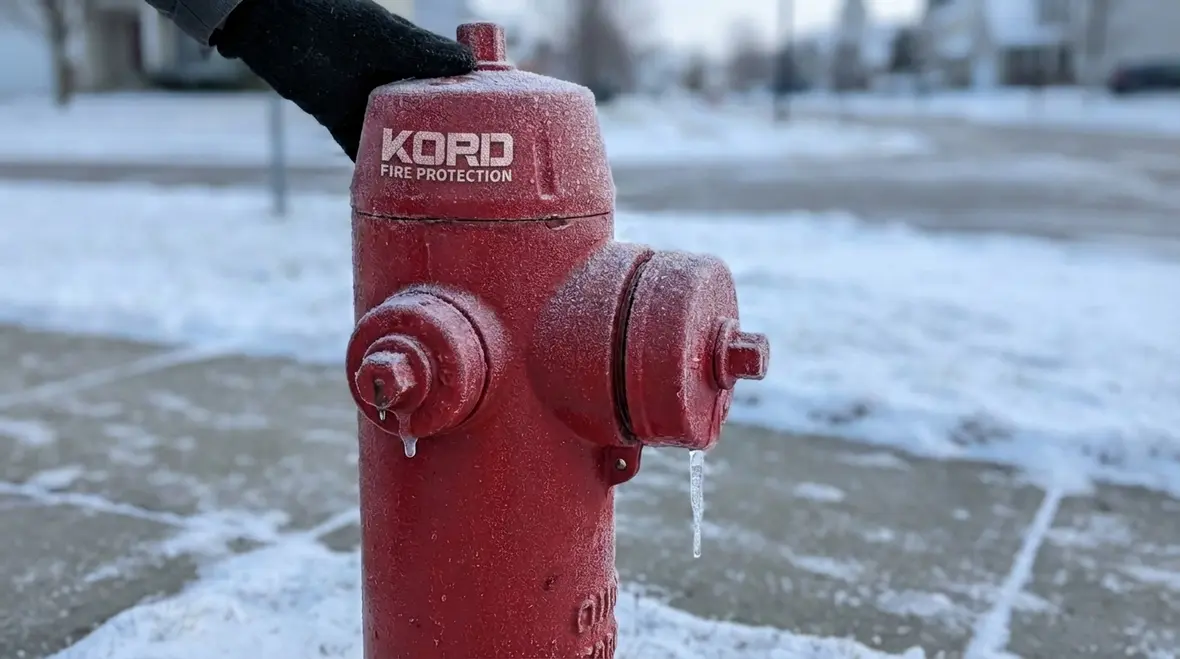
How to Winterize Fire Hydrants for Cold Weather
When temperatures drop and frost creeps across pavement like it owns the place, property owners start asking a serious question: how to winterize fire hydrants so they do not freeze when they are needed most. It sounds simple. Turn a valve. Close a cap. Walk away. However, the process demands more care than tossing a blanket over a tomato plant. Kord Fire Protection technicians often explain that winter preparation is not just about avoiding ice. It is about protecting water flow, internal components, and public safety long after the snow melts. This guide walks through what freeze risks look like, how proper cold weather preparation works, and what to inspect once winter finally loosens its grip.
Why Cold Weather Turns Fire Hydrants Into Risk Zones
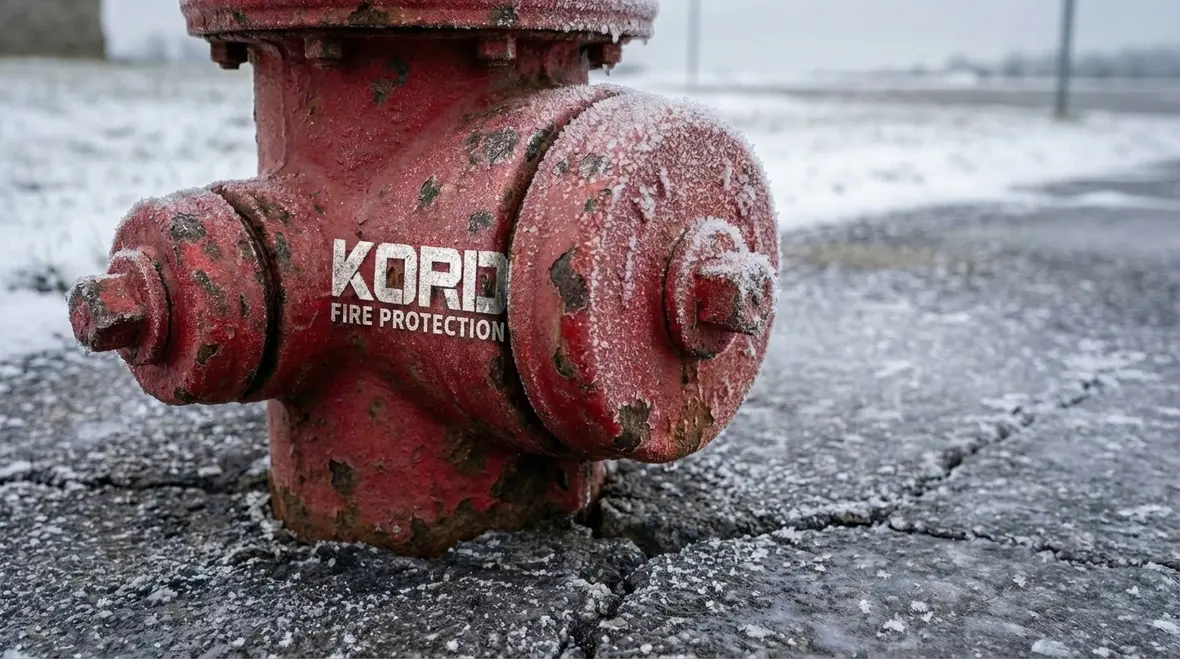
Water expands when it freezes. That simple fact, taught in grade school science, can turn into an expensive lesson for property managers. When water remains inside a hydrant barrel, freezing temperatures cause it to expand against metal walls, seals, and threads. Consequently, even a small amount of trapped water can crack components or distort fittings.
Moreover, hydrants that appear fine from the outside may hide internal damage. Ice can form around the main valve seat, which prevents the hydrant from closing fully. Therefore, a slow internal leak may develop. Over time, that leak fills the barrel again, freezes, and repeats the cycle. It is like a sequel nobody asked for.
Kord Fire Protection technicians often describe hydrants as silent guardians. They sit quietly year round. However, when called upon, they must perform instantly. Because of that responsibility, winter freeze risks demand deliberate preparation, not guesswork.
If you want to go deeper on how hydrant testing fits into overall safety, the Fire Hydrant Testing Services page walks through pressure, flow, and inspection expectations in more detail.
How to Winterize Fire Hydrants the Right Way
Many facility managers search online for how to winterize fire hydrants and expect a checklist that fits on a sticky note. In reality, proper winter preparation involves several controlled steps performed with care.
1. Perform a full operational test
First, technicians fully open the hydrant. This step confirms water flow and clears debris. Additionally, it allows inspection of pressure and discharge quality. A hydrant that sputters or vibrates signals potential internal issues.
2. Close the hydrant slowly
After flow testing, the hydrant must close completely. However, rushing this step can create water hammer, which stresses internal components. Therefore, technicians close the valve gradually to protect the system.
3. Confirm proper drainage
Once closed, a properly functioning dry barrel hydrant should drain automatically. Technicians remove a cap and check for suction. If water pools inside, drainage ports may be clogged. Consequently, the hydrant remains vulnerable to freezing.
4. Inspect caps and gaskets
Damaged threads or worn gaskets allow moisture to enter. That moisture freezes, expands, and creates pressure from the inside out. Replacing worn parts before winter reduces that risk significantly.
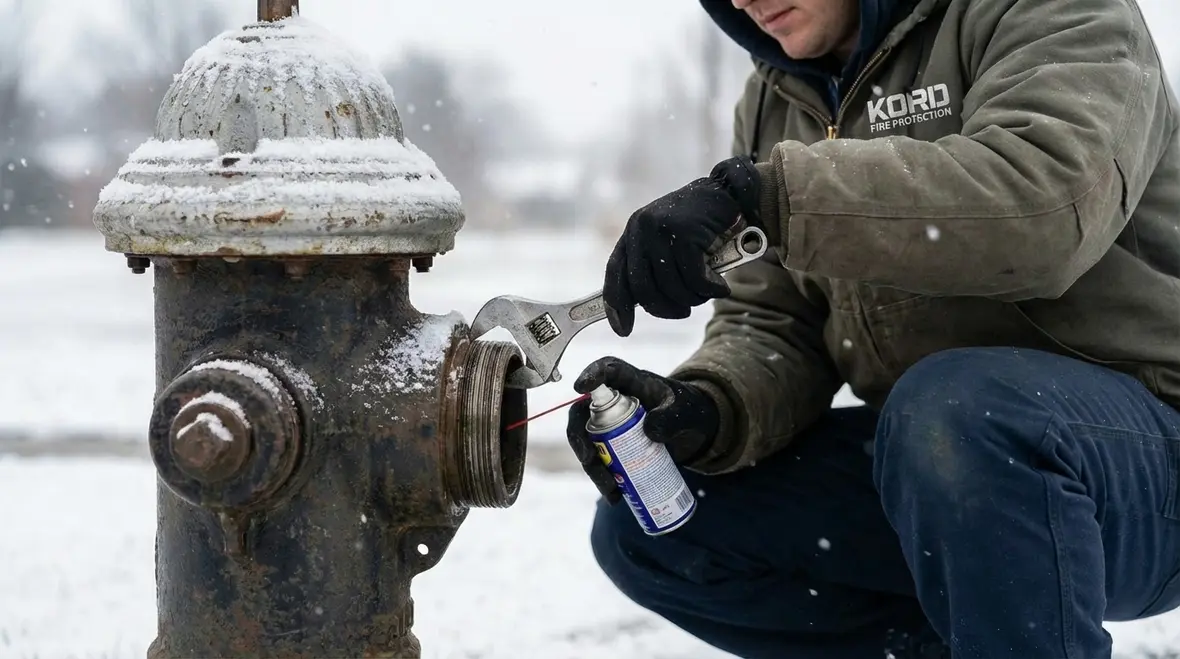
5. Lubricate operating components
Cold air stiffens metal and rubber parts. Therefore, applying manufacturer approved lubricant ensures smooth operation even in low temperatures.
Kord Fire Protection technicians emphasize that skipping even one of these steps can undo the rest. Winterizing hydrants is less about speed and more about precision.
Connecting Winterization With Regular Testing
Winter prep is not a stand alone event. It works best when it rides on top of consistent inspection and testing habits. As outlined in Kord’s Fire Hydrant Testing Services, understanding baseline performance makes it much easier to spot problems that cold weather creates or worsens.
What Are the Biggest Freeze Risks After a Deep Cold Snap?
Even after proper preparation, extreme weather can test any system. So what should property owners watch for once temperatures plunge and then rise again?
Ice in the barrel
If a hydrant did not drain fully, ice may remain inside. When someone attempts to open it, the operating nut may feel stiff or refuse to turn. Forcing it can cause internal damage. Therefore, resistance should always trigger professional inspection.
Leaking from nozzles
After a freeze, small drips from outlet caps may indicate a compromised main valve. This leak allows water to refill the barrel, setting up another freeze cycle. Even minor leakage deserves immediate attention.
Cracked components
Visible cracks in the bonnet or barrel often appear after severe temperature swings. Although paint may hide hairline fractures, a trained eye can spot subtle signs of stress.
Operating stem misalignment
Freeze expansion can slightly bend internal stems. Consequently, the hydrant may open unevenly or fail to shut completely.
Kord Fire Protection technicians often remind clients that winter damage rarely announces itself with fireworks. Instead, it whispers through small changes in performance.
Dual Column Guide: Winter Preparation Versus Post Freeze Inspection
Before Winter Sets In
- Conduct full flow and drainage testing
- Inspect gaskets and replace worn seals
- Lubricate operating nuts and threads
- Clear debris around the base for proper drainage
- Verify caps fit tightly and evenly
After Extreme Cold Weather
- Check for stiffness when turning the operating nut
- Look for leaks or dripping nozzles
- Inspect for visible cracks or paint splits
- Confirm hydrant drains again after testing
- Listen for unusual vibration during operation
This side by side view highlights a simple truth. Preparation reduces risk. Inspection confirms success. Together, they form a complete cold weather strategy.
Signs Your Hydrant Needs Professional Attention
Property teams often perform visual checks. However, certain warning signs call for expert evaluation.
First, difficulty turning the operating nut suggests internal obstruction or frozen parts. While a wrench might seem like the hero of the moment, excessive force can snap components. That repair bill will not feel heroic.
Second, water that fails to drain within a few minutes after closing signals clogged weep holes. Sediment, rust, or small stones can block drainage paths. Consequently, water remains trapped and vulnerable to freezing.
Third, uneven water pressure during testing may reveal underground valve issues. In such cases, surface inspection alone cannot solve the problem.
Kord Fire Protection technicians approach these signs methodically. They test pressure, verify valve seating, and inspect internal assemblies. Because they work with hydrants daily, they recognize subtle changes that others might overlook.
The Role of Routine Maintenance in Preventing Freeze Damage
Although winter preparation matters, year round maintenance builds the foundation. Hydrants that receive consistent inspection handle cold weather far better than neglected units.
Routine flushing removes sediment that can clog drainage ports. Additionally, annual lubrication keeps threads responsive. These simple practices prevent larger issues later.
Furthermore, maintaining clear space around hydrants helps with snow removal. When snow piles up and refreezes, access becomes difficult. In emergencies, seconds count. Therefore, keeping hydrants visible and unobstructed supports both safety and compliance.
Kord Fire Protection technicians often explain that hydrants resemble athletes. If they train consistently, they perform under pressure. If ignored, they pull a metaphorical hamstring when the spotlight hits. Nobody wants that during a fire response.
How to Winterize Fire Hydrants Without Cutting Corners
Some facilities attempt shortcuts. They assume that because last winter passed quietly, this one will behave the same. However, weather patterns shift, and infrastructure ages.
Proper cold weather preparation includes documenting each hydrant’s condition before winter. Photographs and inspection notes create a baseline. Consequently, post winter comparisons reveal subtle changes.
Additionally, scheduling service before temperatures consistently drop ensures technicians can work safely and thoroughly. Waiting until the first freeze often leads to rushed inspections.
Kord Fire Protection technicians encourage proactive planning. They coordinate service schedules, review past inspection data, and tailor maintenance to each site’s layout. Because no two properties share identical water supply conditions, customization matters.
Learning how to winterize fire hydrants effectively involves more than following steps. It requires understanding the mechanical design, environmental exposure, and usage frequency of each unit.
FAQ About Winterizing and Freeze Protection
Protecting Hydrants Means Protecting People
In the end, fire hydrants serve communities quietly and without applause. Yet their reliability depends on careful preparation before winter and close inspection after every deep freeze. Kord Fire Protection technicians stand ready to guide property owners through each step, ensuring hydrants remain dependable in any season.
Schedule a professional winter inspection today, because when temperatures fall and emergencies rise, preparation is not optional. It is essential. To see how hydrant work fits into a complete safety plan, explore Kord’s full fire protection services and Fire Hydrant Testing Services for a bigger picture view of system readiness.
If your property needs help building a winterization and testing schedule, Kord’s team can design a plan tailored to your hydrants, water supply, and local climate. From routine inspection to emergency repairs, they keep hydrants ready for the one moment they truly matter.
Ready to protect your hydrants before the next cold front?
Visit the Fire Hydrant Testing Services page to request a quote or call the numbers listed there to talk with a hydrant specialist about your site, schedule, and cold weather concerns.
Know Your Weapon Before You Fight the Flame
Kord Fire Protection is your go-to when it comes to all things fire protection. For over 20 years, we’ve been serving Southern California with the quality service and equipment to keep your home or business safe at all times. Our competitive prices reflect our unwavering commitment to protecting what matters most in the event of a fire emergency. Give us a call, send an email, or use that form!

Join Our Newsletter!
Get the latest fire safety tips delivered straight to your inbox From our Newsletter.


