Fire Hydrant Marker Requirements Guide
In every city, town, and quiet stretch of country road, fire hydrant marker requirements exist for one simple reason. When smoke fills the sky and seconds feel like sand slipping through an hourglass, firefighters must find water fast. These requirements guide where hydrant markers and reflectors belong, how tall they should stand, how visible they must be, and what materials hold up under rain, snow, and blazing sun. According to Kord Fire Protection technicians, compliance is not about paperwork. It is about visibility, response time, and protecting lives. In the sections ahead, the details unfold with clarity, a touch of humor, and the steady confidence of professionals who know their craft.
Why Hydrant Markers and Reflectors Matter More Than Most People Realize
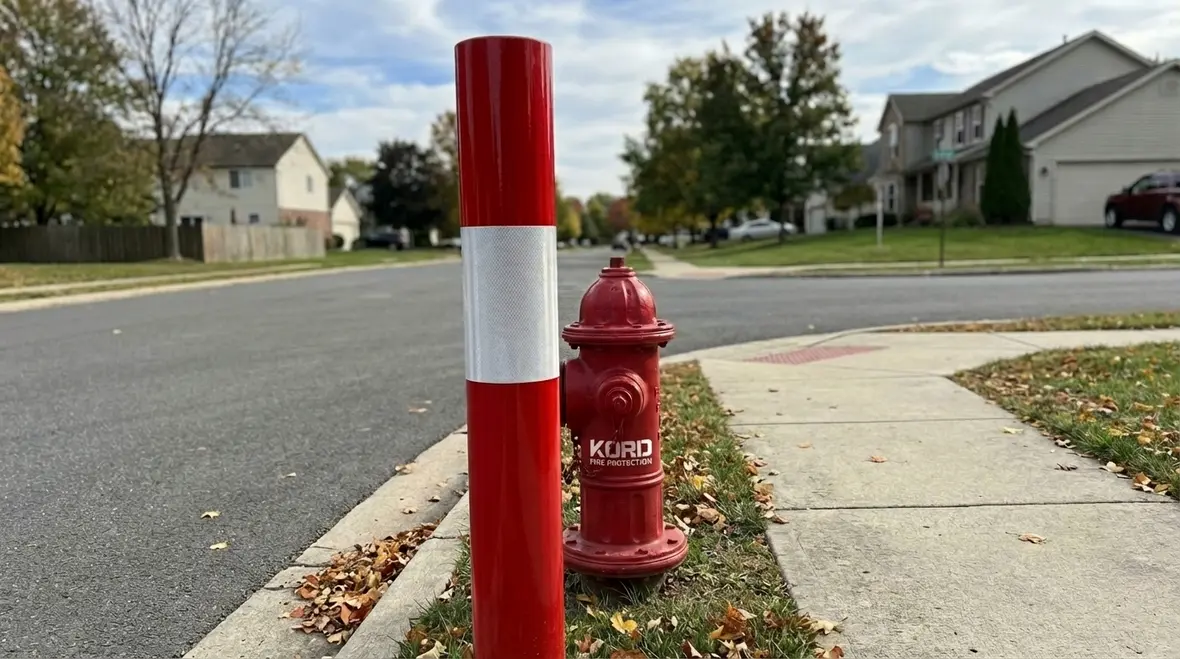
At first glance, a hydrant marker looks simple. It is often a bright post, a reflective sign, or a road mounted indicator. However, in the chaos of an emergency, that small marker becomes a beacon. Snow may bury a hydrant. Tall grass may hide it. Parked cars may block the view. Yet a properly placed marker rises above the clutter and says, quite clearly, water is here.
Because firefighters often respond at night, reflectors play a key role. Headlights catch the reflective surface, and within seconds crews can spot the water source. Therefore, visibility in low light conditions becomes just as important as daytime clarity.
Kord Fire Protection technicians often explain it this way. A hydrant without a marker is like a treasure chest without a map. It may hold great value, but no one can find it when it counts. In other words, the marker does not fight the fire. It makes fighting the fire possible.
Moreover, local codes frequently align with national safety standards such as NFPA 291, which also governs hydrant testing and color marking for flow rating. This NFPA 291 guide from Kord Fire Protection offers deeper context on why consistent hydrant identification matters across communities. Although each municipality may adjust details, the goal remains constant. Clear identification saves time. And in a fire response, time behaves like a villain in an action movie. The longer it sticks around, the worse things get.
Understanding Fire Hydrant Marker Requirements for Compliance
When property owners ask what the rules demand, they usually mean one thing. Where should the marker go, and what must it look like? Fire hydrant marker requirements typically address placement, reflectivity, durability, and visibility from the roadway.
First, placement matters. Many codes require markers to sit directly behind or adjacent to the hydrant, positioned so that drivers and emergency crews can see them from approaching lanes. In colder climates, markers often extend several feet above ground level. This added height ensures that even after heavy snowfall, the top remains visible.
Second, reflectivity is not optional. Reflective panels or strips must meet specific performance levels so headlights can illuminate them clearly at night. If a reflector fades or cracks, it fails its purpose. Consequently, regular inspection becomes part of responsible property management.
Third, color coding sometimes indicates water flow capacity. For example, certain colors may signal higher gallon per minute output. While the hydrant cap often carries that color code, some regions incorporate similar visual cues into the marker system. For a deeper dive into how hydrant body and cap colors communicate flow, Kord Fire’s fire hydrant color code guide connects the dots between color and capacity.
Kord Fire Protection technicians stress that compliance is not static. Regulations can change. Therefore, building owners should review local ordinances and coordinate with fire authorities. A small oversight, such as incorrect setback distance from the curb, can create costly corrections later.
Where to Place Hydrant Markers for Maximum Visibility
Placement answers a practical question. How can crews find the hydrant without stepping out of the truck to search for it? The answer lies in sight lines, traffic flow, and environmental conditions.
In residential neighborhoods, markers typically sit on the side of the hydrant facing the street. They must not obstruct sidewalks, yet they must remain visible above landscaping. Therefore, property managers should trim shrubs and maintain clear zones around the base.
In commercial lots, spacing and traffic patterns become more complex. Large parking areas often require additional directional markers near entrances. This approach guides responding crews quickly through rows of vehicles. Think of it as airport runway lights, but instead of guiding planes, they guide pump trucks.
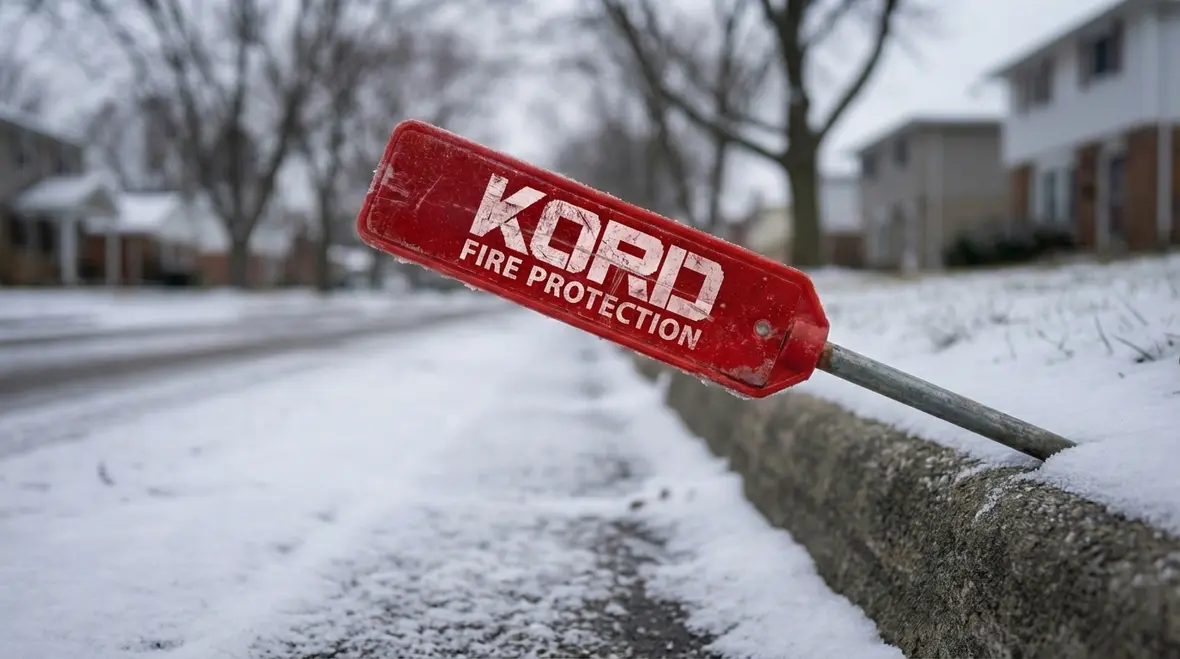
In rural areas, the challenge shifts. Long driveways and limited street lighting can hide hydrants in darkness. For this reason, tall flexible posts with reflective bands often perform best. They bend if struck by a vehicle and return upright, reducing damage while maintaining visibility.
Below is a practical comparison that Kord Fire Protection technicians often share during site evaluations.
Common Placement Scenarios
Urban and Suburban Streets
Visible from both traffic directions
Positioned just behind curb line
Height adjusted for snow levels
Clear of parked vehicle zones
Commercial and Industrial Sites
Supplemental directional markers at entrances
Aligned with fire lanes
Protected from heavy equipment traffic
Maintained as part of site safety inspections
This side by side perspective helps property owners visualize how requirements shift based on location. Although the hydrant serves the same purpose everywhere, the environment changes the strategy.

What Do Fire Codes Say About Reflectors and Height?
Fire codes often specify minimum height for markers, especially in regions with snowfall. In some northern climates, markers may need to extend three to five feet above ground. This ensures that even after plowing and drifting, the indicator remains visible.
Additionally, reflectors must face the roadway. A marker turned at the wrong angle can reduce visibility at night. Therefore, installation crews must align reflectors carefully during setup.
Many codes also require durable materials. Plastic that becomes brittle in winter or metal that corrodes quickly will not meet long term standards. Kord Fire Protection technicians frequently recommend weather resistant composites or treated metal posts designed for outdoor exposure.
Furthermore, spacing guidelines may apply when hydrants sit far from the road. In those cases, supplementary markers placed closer to the street can direct crews toward the actual hydrant location. This layered approach adds clarity and reduces confusion during high stress responses.
Although some property owners assume these rules are excessive, experienced firefighters see the value immediately. A hidden hydrant can delay hose connection. A delay can allow flames to grow. It is a simple chain reaction, and the code aims to break it before it starts.
Maintenance Responsibilities and Inspection Best Practices
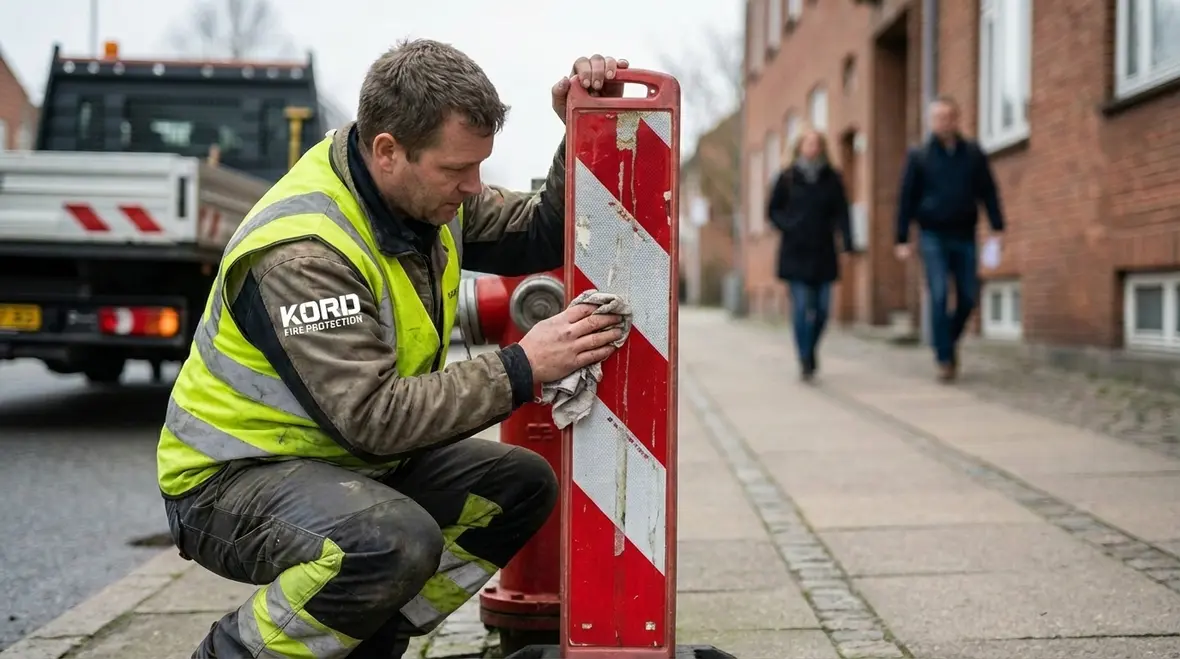
Installing a marker is only the beginning. Over time, sun fades reflective surfaces. Lawn equipment may knock posts loose. Snowplows can bend or shear them off. Therefore, ongoing inspection becomes essential.
Property managers should schedule periodic checks, especially before winter and after major storms. During inspections, they should confirm that markers remain upright, reflective, and unobstructed. If vegetation creeps in, trimming should follow promptly.
Kord Fire Protection technicians often include hydrant marker checks during broader fire system inspections. This integrated approach saves time and ensures no component of the fire protection plan stands neglected. As they like to say, a chain is only as strong as its smallest link. And yes, even a reflective post counts as a link.
Documentation also plays a role. Keeping records of inspections and repairs demonstrates due diligence. In the event of an incident, this documentation can support compliance claims and reduce liability concerns.
Moreover, coordination with local fire departments strengthens overall readiness. Inviting crews to review site layout and hydrant access can reveal blind spots that property teams may overlook. After all, firefighters bring field experience that no checklist can fully replace.
Common Mistakes That Put Properties at Risk
Even with clear standards, mistakes happen. However, many errors follow predictable patterns.
One frequent issue involves improper setback distance. When a marker sits too far from the hydrant, crews may waste precious seconds searching the surrounding area. Conversely, if placed too close to traffic lanes without protection, vehicles may damage it.
Another problem stems from faded reflectivity. Over time, reflective tape can dull. If headlights no longer catch the surface clearly, the marker loses effectiveness. Therefore, replacing worn materials promptly is critical.
Some sites neglect seasonal adjustments. In snowy regions, markers that seemed tall enough in summer can disappear after winter storms. Planning for worst case accumulation prevents this oversight.
Finally, landscaping often becomes an unintentional enemy. Decorative bushes and fences may look appealing, yet they can hide hydrants and their markers. While curb appeal matters, emergency access matters more. No one wants a shrub to play the role of unexpected villain during a fire response.
How Kord Fire Protection Technicians Guide Property Owners
Kord Fire Protection technicians approach hydrant marker compliance with a practical mindset. They assess site layout, review local codes, and identify gaps in visibility or placement. Rather than offering vague advice, they provide clear steps tailored to each property.
During consultations, they explain how hydrant visibility ties into broader fire safety strategy. For example, they evaluate fire lanes, sprinkler connections, and alarm systems alongside marker placement. This holistic view ensures that each component supports the next.
They also emphasize training. Property teams benefit from understanding why markers matter. When staff recognize the life safety impact, they are more likely to maintain clear zones and report damage quickly.
In addition, technicians stay current with evolving standards. As municipalities update regulations, Kord professionals adapt recommendations accordingly. This proactive approach helps clients avoid last minute compliance issues.
Ultimately, their guidance turns a simple reflective post into part of a coordinated defense system. It may not wear a cape, but it certainly earns its place on the safety team.
Frequently Asked Questions
Conclusion and Next Steps
Hydrant markers and reflectors may seem modest, yet they carry serious responsibility. They guide firefighters, reduce response time, and support compliance with local codes. With guidance from Kord Fire Protection technicians, property owners can meet standards confidently and avoid costly oversights. Now is the time to review site visibility, confirm alignment with regulations, and strengthen overall safety.
Because when the alarm sounds, preparation should already stand tall and shining. If you are ready to evaluate hydrant markers alongside the rest of your fire protection systems, connect with Kord’s regional teams through their San Bernardino County fire protection services or other local fire protection service hubs. A quick consultation today can turn every hydrant on your property into a clearly marked, ready-to-go water source when it matters most.
Know Your Weapon Before You Fight the Flame
Kord Fire Protection is your go-to when it comes to all things fire protection. For over 20 years, we’ve been serving Southern California with the quality service and equipment to keep your home or business safe at all times. Our competitive prices reflect our unwavering commitment to protecting what matters most in the event of a fire emergency. Give us a call, send an email, or use that form!

Join Our Newsletter!
Get the latest fire safety tips delivered straight to your inbox From our Newsletter.