
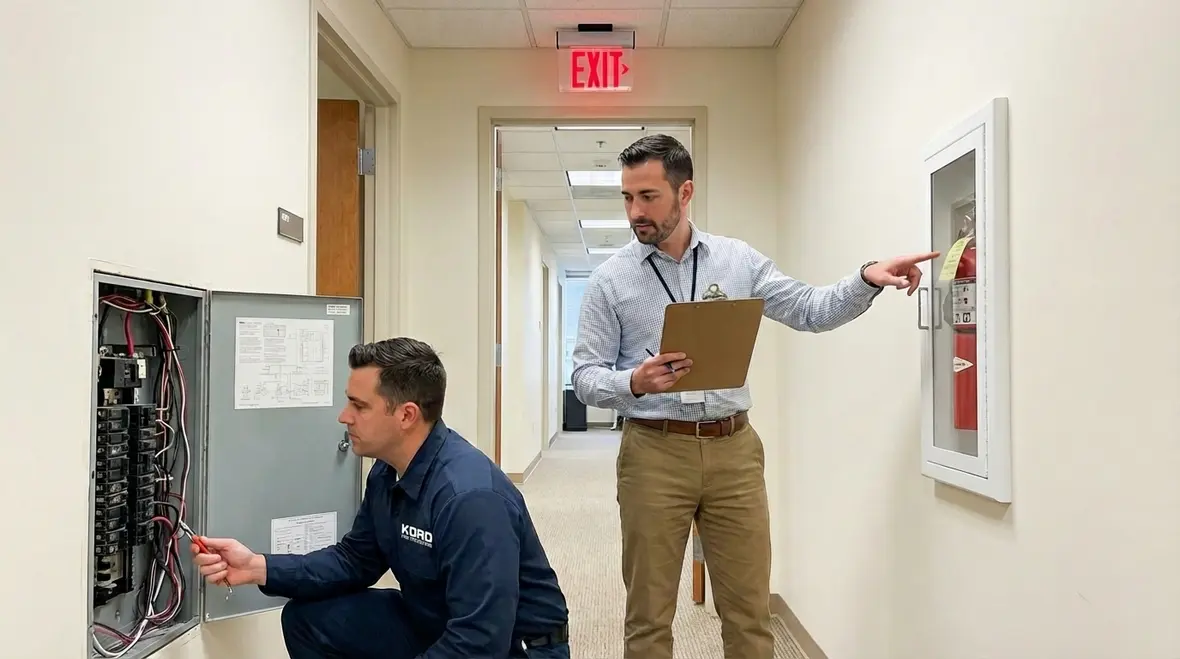
Fire Codes Property Managers Must Follow
In every city, town, and quiet stretch of suburbia, fire codes that property managers must follow are not polite suggestions. They are legal standards designed to protect lives, property, and reputations. From working alarms and illuminated exit signs to clear stairwells and tested sprinkler systems, these rules form the backbone of safe buildings. Moreover, local authorities expect managers to understand and apply them without hesitation. That is where experienced professionals, such as Kord Fire Protection technicians, often step in, explaining complex requirements in plain language and turning confusion into clarity. Because when safety is on the line, guesswork simply will not do.

Understanding Fire Code Compliance for Property Managers
Fire code compliance is not just about passing inspections. It is about building a culture of safety. While regulations vary by state and municipality, most align with national standards that cover alarms, suppression systems, emergency lighting, fire doors, extinguishers, and evacuation planning. Articles that break down specific requirements, such as fire alarm inspection and testing for commercial buildings, can help managers see how national codes translate into daily practice.([kordfire.com](https://kordfire.com/fire-alarm-inspection-and-testing-for-commercial-buildings/?utm_source=openai))
Property managers carry a unique responsibility. They sit at the crossroads of ownership, tenant needs, and regulatory oversight. Therefore, they must translate written codes into daily action. If a sprinkler head is obstructed, it must be cleared. If an alarm panel shows a fault, it must be addressed. If an exit path is blocked by a stack of old office chairs that someone swears they will move tomorrow, it must be handled today.
In addition, managers must document everything. Inspectors appreciate records. Courts demand them. Insurance carriers rely on them. Documentation proves that safety measures were not an afterthought but a priority, much like the detailed reports produced during a professional fire alarm inspection review.([kordfire.com](https://kordfire.com/the-ultimate-guide-to-reviewing-a-fire-alarm-inspection-report/?utm_source=openai))
What Do Fire Inspectors Expect From Property Managers?
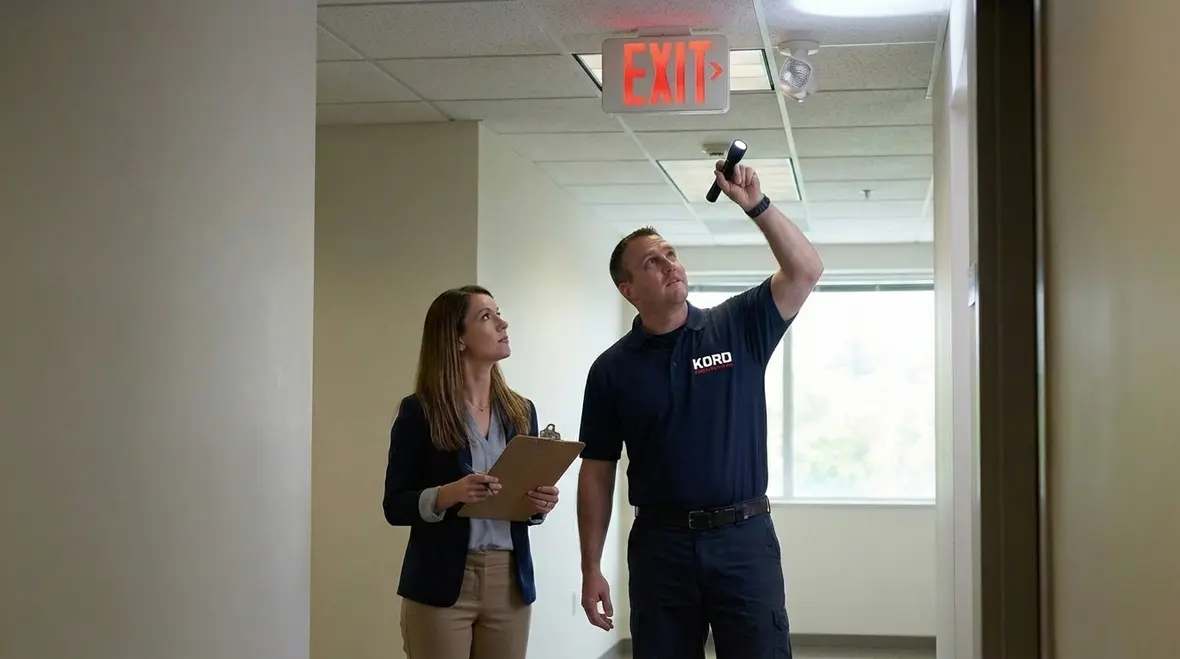
Inspectors do not arrive looking for drama. They arrive looking for compliance. However, they will not ignore violations, even small ones. So what do they typically expect?
Clear and accessible exits
Clear and accessible exits. Exit doors must open easily and lead to unobstructed paths. Additionally, exit signs must be illuminated and visible.
Maintained alarm systems
Maintained alarm systems. Fire alarm panels must show normal operation. Furthermore, required testing intervals must be documented. Many commercial properties lean on recurring fire alarm inspection and testing to stay ahead of these expectations.([kordfire.com](https://kordfire.com/fire-alarm-inspection-and-testing-for-commercial-buildings/?utm_source=openai))
Functional sprinkler systems
Functional sprinkler systems. Sprinkler heads should be free of dust, paint, and storage items. In fact, even a decorative balloon tied too close can raise concerns.
Properly serviced extinguishers
Properly serviced extinguishers. Extinguishers need correct placement, annual inspections, and visible tags. Partnering with a provider that offers monthly inspection and annual service for extinguishers makes this requirement much easier to manage.([kordfire.com](https://kordfire.com/monthly-inspection-annual-service/?utm_source=openai))
Up to date records
Up to date records. Inspectors often ask for service logs, inspection reports, and maintenance documentation before they even look at the ceiling.
Kord Fire Protection technicians often explain to managers that inspectors value consistency. A building that shows routine care sends a clear message. It says, safety lives here.
Building Systems That Demand Attention
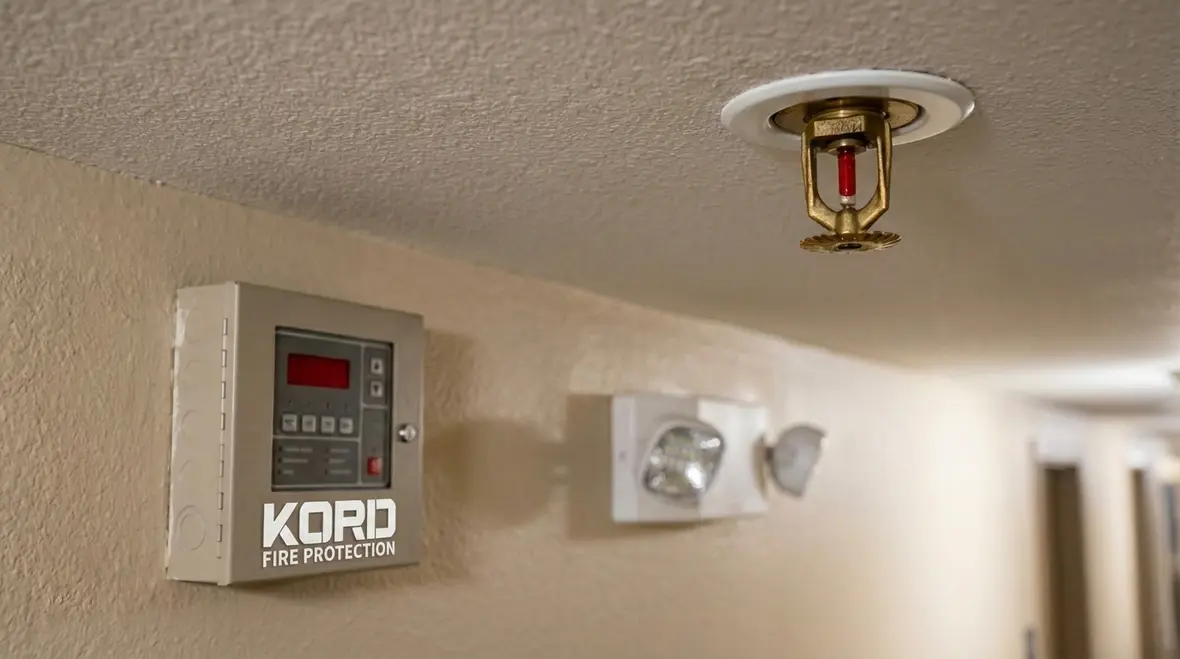
Every property contains systems that quietly stand guard. However, they only work if someone pays attention to them.
Fire alarm systems
Fire Alarm Systems
Alarm systems require scheduled testing. Batteries must hold charge. Sensors must remain clean and free from obstruction. Moreover, any renovation can affect wiring or device placement, which means managers must reassess compliance after construction. A quick review of an inspection report guide or an NFPA 72 overview can help clarify what should be checked and documented.([kordfire.com](https://kordfire.com/the-ultimate-guide-to-reviewing-a-fire-alarm-inspection-report/?utm_source=openai))
Sprinkler and suppression systems
Sprinkler and Suppression Systems
Sprinklers operate on precise engineering. Water pressure, pipe condition, and valve positions matter. Therefore, regular inspections are essential. Kord Fire Protection technicians often walk managers through control valve locations and demonstrate how a simple visual check can prevent major issues, especially during a wet sprinkler system inspection or a routine fire pump inspection.([kordfire.com](https://kordfire.com/wet-sprinkler-system-inspection-by-kord-fire-protection/?utm_source=openai))
Emergency lighting
Emergency Lighting
During a power outage, emergency lights must activate instantly. Monthly push button tests and annual duration tests are common requirements. While it may feel routine, those few minutes of light can guide dozens of people to safety.
Fire doors and barriers
Fire Doors and Barriers
Fire rated doors must close and latch properly. Door closers should function without slamming. Additionally, walls that serve as fire barriers should remain intact, without unsealed holes for cables or pipes.
Each system connects to the larger goal of meeting fire safety regulations for buildings. When one piece fails, the entire plan weakens.
Common Violations and How to Avoid Them
Some violations appear again and again. They are not dramatic. In fact, they are often the result of busy schedules and simple oversight.
Blocked exits rank high on the list. Storage tends to creep into hallways and stairwells. However, clear egress paths are non negotiable. Managers who conduct routine walkthroughs catch these issues early.
Expired extinguisher tags also cause trouble. Although the fix is simple, missing inspections signal neglect. Scheduling annual service well in advance solves this problem.
Another frequent issue involves painted or obstructed sprinkler heads. During renovations, contractors may forget that those small metal pieces are life safety devices, not ceiling decorations. Clear communication before any project begins prevents this mistake.
Finally, incomplete records create headaches. Even if systems function perfectly, lack of documentation can result in citations. Therefore, organized digital and physical files protect both property and manager. This is why resources like fire alarm inspection report guides and trouble signal explanations are so valuable to keep on hand.([kordfire.com](https://kordfire.com/the-ultimate-guide-to-reviewing-a-fire-alarm-inspection-report/?utm_source=openai))
As Kord Fire Protection technicians often note with a calm smile, most violations are preventable. They are less about complex engineering and more about steady attention.
How Property Managers Can Stay Ahead of Fire Code Requirements
Staying ahead requires a plan. Fortunately, the strategy does not demand superhero abilities. Although a cape might look impressive during inspections, it is not required.
Create a compliance calendar
First, managers should create a compliance calendar. This calendar should list inspection dates, testing intervals, and renewal deadlines. Additionally, automated reminders reduce the risk of missed appointments.
Schedule regular internal walkthroughs
Second, regular internal walkthroughs help identify concerns before inspectors do. By adopting a proactive mindset, managers control the narrative rather than reacting to citations.
Invest in staff training
Third, staff training matters. Maintenance teams should understand how to spot damaged devices, blocked exits, or tampered equipment. When everyone knows what to look for, compliance becomes a shared effort.
Partner with experienced fire protection professionals
Finally, partnering with experienced professionals simplifies complex codes. Kord Fire Protection technicians frequently explain updates in regulations and demonstrate practical steps for compliance. They translate technical standards into real world actions. As a result, managers gain confidence instead of confusion. For many properties, that partnership starts with a service relationship built around full fire protection services tailored to their building type.([kordfire.com](https://kordfire.com/full-fire-protection-services/?utm_source=openai))
Key Responsibilities and Practical Actions
Compliance oversight
Compliance Oversight
- Routine system inspections
- Accurate record keeping
- Coordination with local authorities
- Review of tenant improvements for code impact
On site safety management
On Site Safety Management
- Clear communication with tenants
- Immediate response to reported hazards
- Staff awareness training
- Visible posting of evacuation plans
These two tracks work together. Oversight ensures the building meets legal fire safety requirements. On site management ensures people within the building understand and support those efforts. Consequently, safety becomes woven into daily operations rather than stored in a binder on a dusty shelf.
The Cost of Non Compliance
Ignoring fire prevention standards invites more than a stern lecture. Fines can accumulate quickly. In severe cases, authorities may restrict occupancy or shut down operations. Moreover, insurance claims can face denial if investigations reveal neglected systems.
Beyond financial loss lies reputational damage. Tenants expect safe environments. News of violations travels fast, especially in the digital age. One poorly maintained system can overshadow years of positive management.
On the other hand, consistent adherence to fire codes that property managers oversee builds trust. Tenants renew leases. Owners sleep better. Inspectors nod approvingly. And everyone prefers nods over citations.
If you manage properties in areas like Los Angeles County or Merced County, working with regionally focused teams such as Arcadia Fire Protection Services or Livingston Fire Protection Services can further reduce risk by aligning your building with local expectations.([kordfire.com](https://kordfire.com/los-angeles-county-fire-protection/arcadia-fire-protection-services/?utm_source=openai))
FAQ About Fire Code Compliance
Conclusion: Make Compliance a Priority Today
Fire safety is not a line item to revisit later. It is a daily commitment. By understanding regulations, maintaining systems, training staff, and partnering with experts like Kord Fire Protection technicians, property managers protect lives and investments alike. Take action now. Review your building, update your records, and schedule professional inspections. Because when safety becomes standard practice, everyone wins, and peace of mind becomes part of the lease agreement.
If you are ready to turn fire code requirements into a clear, manageable plan, consider partnering with a team that provides comprehensive fire protection services across alarms, sprinklers, extinguishers, and more. From routine inspections to complex upgrades, Kord Fire Protection helps property managers stay compliant, avoid surprises, and keep every building inspection ready all year long.([kordfire.com](https://kordfire.com/full-fire-protection-services/?utm_source=openai))
Know Your Weapon Before You Fight the Flame
Kord Fire Protection is your go-to when it comes to all things fire protection. For over 20 years, we’ve been serving Southern California with the quality service and equipment to keep your home or business safe at all times. Our competitive prices reflect our unwavering commitment to protecting what matters most in the event of a fire emergency. Give us a call, send an email, or use that form!

Join Our Newsletter!
Get the latest fire safety tips delivered straight to your inbox From our Newsletter.


