Commercial Fire Alarm Power Supply Dedicated Circuits
Every commercial building that runs a fire alarm system needs power that behaves like a professional. It should start strong, stay steady, and fail in a way that still protects people. That is where a Commercial fire alarm power supply comes into the story, especially when the system depends on dedicated power circuits. In other words, the panel should not share its electricity fate with elevators, vending machines, or whatever else is drawing attention at 2 a.m.
Kord Fire Protection technicians explain that dedicated circuits are not just “nice to have.” They help keep alarm components in spec, reduce nuisance issues, and improve reliability during stressful events. And yes, that includes power surges, partial outages, and those awkward moments when a building decides to reboot like a slow laptop.
Why Dedicated Circuits Keep Alarm Systems Stable
When a fire alarm system shares circuits with other loads, it can face unwanted dips, spikes, and noise. As a result, the control panel and notification devices may operate less predictably. Dedicated power circuits reduce that risk by giving the system its own path to electricity, with less interference from motor start ups, HVAC switching, and large lighting loads.
Additionally, dedicated wiring helps the entire alarm system stay within the power limits the manufacturer designs for. Kord Fire Protection technicians often point out that manufacturers assume a certain voltage range at the panel input. If that range changes, the system can still work, but it may work in a degraded way that only shows up during testing or real emergencies.
The system should not compete for clean power
That point matters more than it sounds. Shared circuits create a quiet kind of trouble because problems may appear only when other equipment turns on, cycles off, or decides to behave badly. A dedicated circuit limits those random interactions. It gives the alarm panel a cleaner, more predictable electrical environment, which is exactly what life safety equipment wants. Nobody wins when the fire alarm panel has to coexist with a moody rooftop unit that starts every fifteen minutes like it has unresolved feelings.
How Fire Alarm Power Draw Changes During Real Events
During a fire event, the system can ask for more from the power source. It may increase output to strobes, horn circuits, and control modules. Meanwhile, it still has to run monitoring functions such as supervision and communication.
Therefore, the building needs power that can handle short bursts of demand. A commercial fire alarm power supply provides the designed standby capability, but dedicated circuits ensure the supply does not fight voltage drops caused by other equipment on shared lines. In simple terms, dedicated circuits help keep the system from “borrowing trouble” from the rest of the building.
And if a technician hears complaints like “the panel resets sometimes,” Kord Fire Protection technicians treat that as a clue, not a mystery. They often trace it back to power quality and circuit loading, then correct the path so the system stays calm under pressure.
What Problems Appear Without Dedicated Power
When circuits are shared, the alarm system becomes a canary in a coal mine. The canary does not get tired first, it just shows symptoms. In the field, that can look like intermittent trouble signals, unexpected resets, trouble relays chatter, or notification devices that seem dimmer at certain times.
Then there is the hidden problem: supervision circuits. Fire alarm panels monitor their loops so they can detect failures. If the power source sees unstable conditions, supervision performance can shift. That can lead to false alarms or missed detection during stress.
Kord Fire Protection technicians often explain that the goal is not only to avoid obvious failures. The goal is to make system behavior consistent. Consistency helps testing teams, helps inspectors, and most importantly helps occupants when seconds matter.
Small symptoms usually point to bigger electrical patterns
This is why intermittent issues are so annoying. They do not fail on command. They wait until the building is busy, the load shifts, and everyone suddenly swears the system “was fine yesterday.” Dedicated circuits take away many of those variables. Instead of chasing ghost problems, technicians can evaluate a more stable setup and solve the actual cause faster.
Dedicated Circuits and Code Compliance in Commercial Buildings
Fire alarm power requirements exist for a reason. Codes address standby power, wiring practices, and supervision. Dedicated circuits support those goals by keeping the fire alarm system’s electrical supply predictable and traceable.
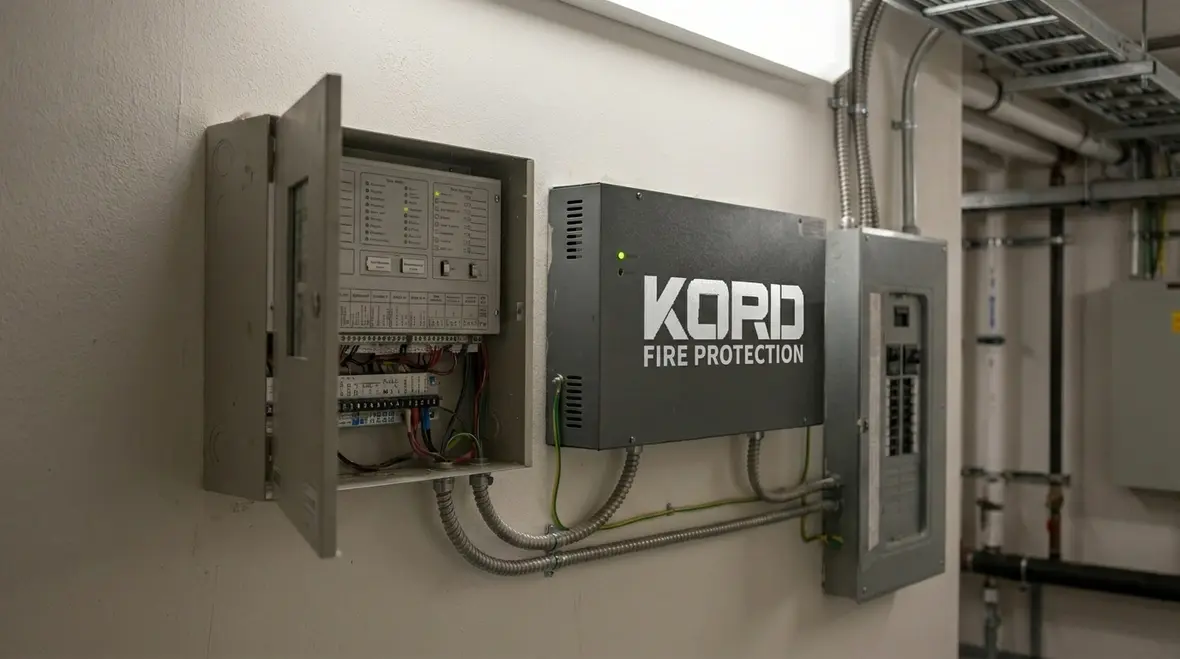
In many commercial installs, the alarm system also needs to comply with requirements for operation during power loss scenarios. While the Commercial fire alarm power supply handles standby and control behavior, the dedicated circuit keeps the feeder side stable when utility power wobbles. This approach supports compliance by reducing variables and helping crews document the electrical setup clearly.
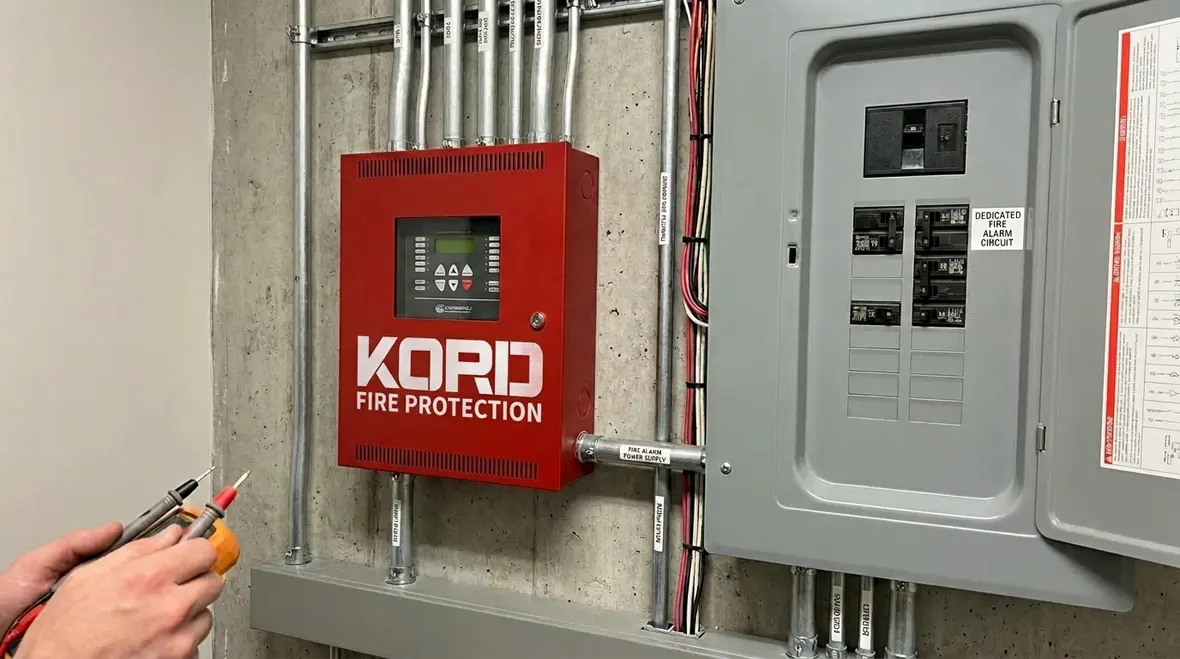
To make that documentation easier, Kord Fire Protection technicians recommend labeling, separating circuits, and maintaining clean install practices. That way, when the next test season arrives, teams can verify the system quickly without guesswork.
For facilities that also manage larger life safety equipment, electrical planning becomes even more important. Kord Fire Protection also covers fire pump systems, which makes the broader conversation about dedicated power, reliability, and clear electrical design even more practical across the building.
How Technicians Verify Power Performance Safely
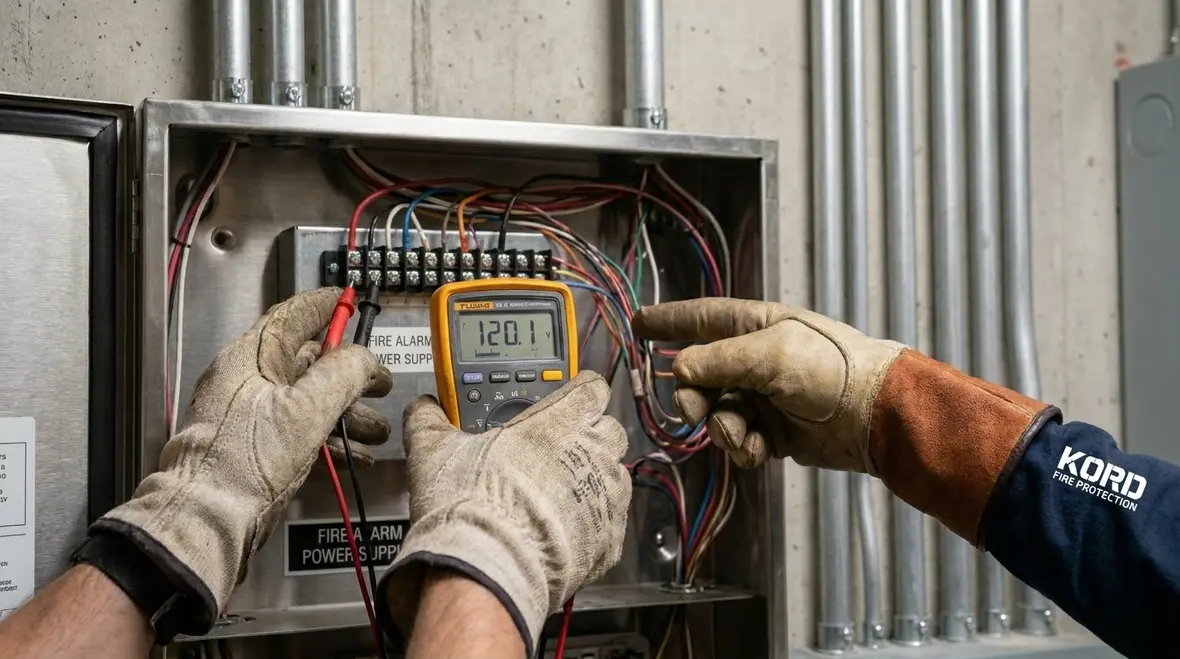
After installation, good work does not stop at “it powers on.” It continues with verification. Kord Fire Protection technicians explain that proper testing includes checking voltage at key points, verifying supervision behavior, and confirming that notification devices deliver expected outputs.
Testing should also cover scenarios like power interruptions and load changes. Technicians check how the system responds when the building shifts loads, because shared circuits tend to show issues under real use. Additionally, they verify that the commercial fire alarm power supply remains within the expected operating range, especially during standby transitions.
And yes, they also check for the classic “oops.” A breaker mislabeled as something else, a loose termination, or a conduit filled with the wrong cable. In commercial buildings, mistakes are rarely dramatic, which makes them dangerous. The best teams catch them early.
Design Tips to Keep Dedicated Power Circuits Effective
Dedicated circuits work best when the design supports them from day one. First, the system should receive appropriately sized conductors and a feeder that matches the panel and notification loads. Second, crews should keep the fire alarm wiring separated from power conductors that create electrical noise.
Next, the electrical plan should show clear segregation. That means identifying the fire alarm circuit paths and avoiding shared neutrals where the design does not allow it. Then, crews should coordinate with the electrical contractor so the breaker schedule stays correct and does not get “optimized” by someone who enjoys chaos.
Finally, the facility team should understand how the dedicated circuit ties to testing and maintenance. If the building staff cannot explain the circuit purpose, the next shutdown might cause unnecessary system downtime. Kord Fire Protection technicians typically recommend simple written procedures so everyone knows what to protect and what to schedule.
A little coordination saves a lot of future pain
The cleanest installs usually come from teams that coordinate early. Electricians, fire alarm technicians, facility staff, and inspectors all benefit when the design is clear and the dedicated circuit is obvious. That reduces callback drama, shortens troubleshooting time, and helps the system stay dependable instead of merely interesting.
Dual Column Quick Check: What Dedicated Power Supports
FAQ
Conclusion: Schedule a Power Circuit Review
Dedicated power circuits protect commercial fire alarm systems the way a good lock protects a door: they reduce risk at the source. Kord Fire Protection technicians can review the existing electrical setup, confirm the Commercial fire alarm power supply and power paths meet real performance needs, and help prevent the headaches that show up during testing or emergencies.
If a system has any trouble history, power resets, or unexplained behavior, act now. Contact Kord Fire Protection to schedule an assessment and keep your alarm system steady when it must be. For broader support, explore Fire Alarm Services or review Kord’s full fire protection services to keep inspections, testing, and compliance moving in the right direction.

Join Our Newsletter!
Get the latest fire safety tips delivered straight to your inbox From our Newsletter.