Fire Alarm Systems and Electrical Power Planning in Australia
Quick Answer: Fire alarm systems and electrical systems move together like two actors who know their cues. Wiring, power supplies, control panels, and backup batteries directly shape system performance. When electrical design and fire alarm work align, detection and evacuation signals arrive fast and reliably, which helps protect people, assets, and compliance across industrial, retail, and commercial sites in Australia.
Here is the truth nobody puts on the brochure: fire safety does not live in one box. It lives in the building’s electrical heartbeat. And when kord fire protection partners with the electrical side, the whole project becomes smoother, safer, and easier to maintain over time. That matters for industrial plants, busy retail centers, and facilities across Australia where downtime and risk are both expensive.
Near the top of the planning process, it also helps to connect broader system goals with full fire protection services, especially when the alarm scope needs to line up with electrical routing, device access, commissioning windows, and long term maintenance support. That kind of early coordination saves teams from acting surprised later when the panel, interfaces, and field wiring all expect each other to be speaking the same language. ([kordfire.com](https://kordfire.com/fire-alarm-system-battery-maintenance-in-australia-guide/?utm_source=openai))
How fire alarm systems connect to electrical power
Fire alarm systems rely on electrical power to sense danger, process signals, and trigger notifications. First, the system needs a stable feed to its control panel. Then it needs properly routed circuits for devices like smoke detectors, heat sensors, manual call points, and alarm sounders.
Even small electrical issues can create real consequences. For example, voltage drop along long cable runs can reduce detector performance. Loose terminations can create intermittent faults that confuse operators during testing. And damaged insulation can lead to short circuits, which can delay fault reporting.
When electrical designers and installers coordinate early, they prevent these problems before the walls close up. As a result, the system behaves predictably during both testing and actual emergencies. And yes, it is less “mystery fault” and more “we know exactly what’s happening.”
Why early circuit planning matters
A fire alarm circuit is not just a line on a drawing. It is a pathway that has to keep working when the building is noisy, busy, and under stress. Kord Fire’s recent guidance on voltage drop and fire alarm wiring points out that long runs, added devices, and connection resistance can quietly chip away at performance long before anyone notices a fault light. That is why power path planning, conductor sizing, and layout review should happen before installation turns into demolition by regret. ([kordfire.com](https://kordfire.com/fire-alarm-circuit-design-to-reduce-voltage-drop-in-commercial-buildings/?utm_source=openai))
Why control panels depend on proper electrical design
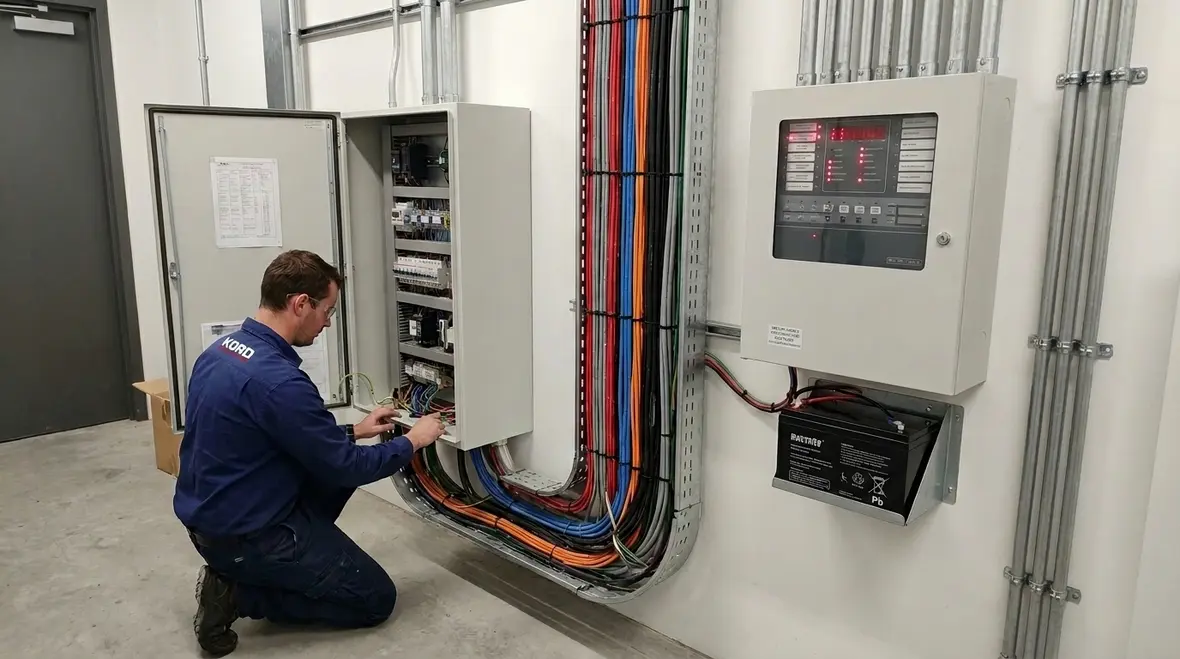
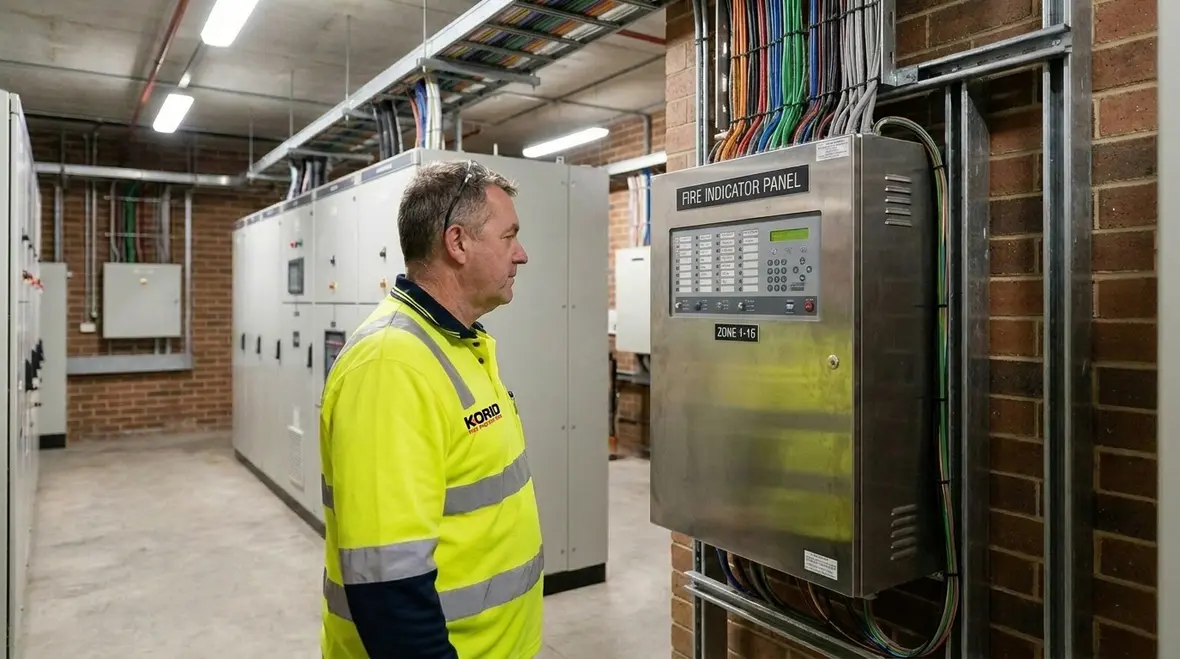
The control panel acts like the system’s brain. It takes signals from detection devices and decides what to do next. However, that decision-making depends on electrical conditions, including incoming power, circuit protection, and correct wiring layouts.
Modern panels also use electronics that require clean, dependable supply. If the electrical distribution feeding the fire panel is undersized or poorly protected, nuisance faults can appear. If protection devices do not match the panel requirements, the system might trip under load during events.
To keep everything aligned, electricians must install the fire panel circuits to spec and ensure isolation and labeling match the intended fire strategy. Then maintenance teams can inspect quickly, test without guesswork, and restore normal operation without drama.
This is where kord fire protection can become a vital partner. It helps teams coordinate documentation, device placement, and commissioning steps so the electrical side supports the fire alarm performance instead of fighting it.
Panels hate sloppy documentation
The panel might be smart, but it still cannot fix a mismatched label, a mystery breaker, or an undocumented interface someone added during a rushed upgrade. Kord Fire’s article on detecting electrical faults in fire alarm panels early reinforces that many recurring issues come from predictable electrical causes, not random bad luck. In other words, if the panel keeps complaining, it is usually not being dramatic. ([kordfire.com](https://kordfire.com/detect-electrical-faults-in-fire-alarm-panels-early/?utm_source=openai))
Battery backups, standby power, and the real emergency test
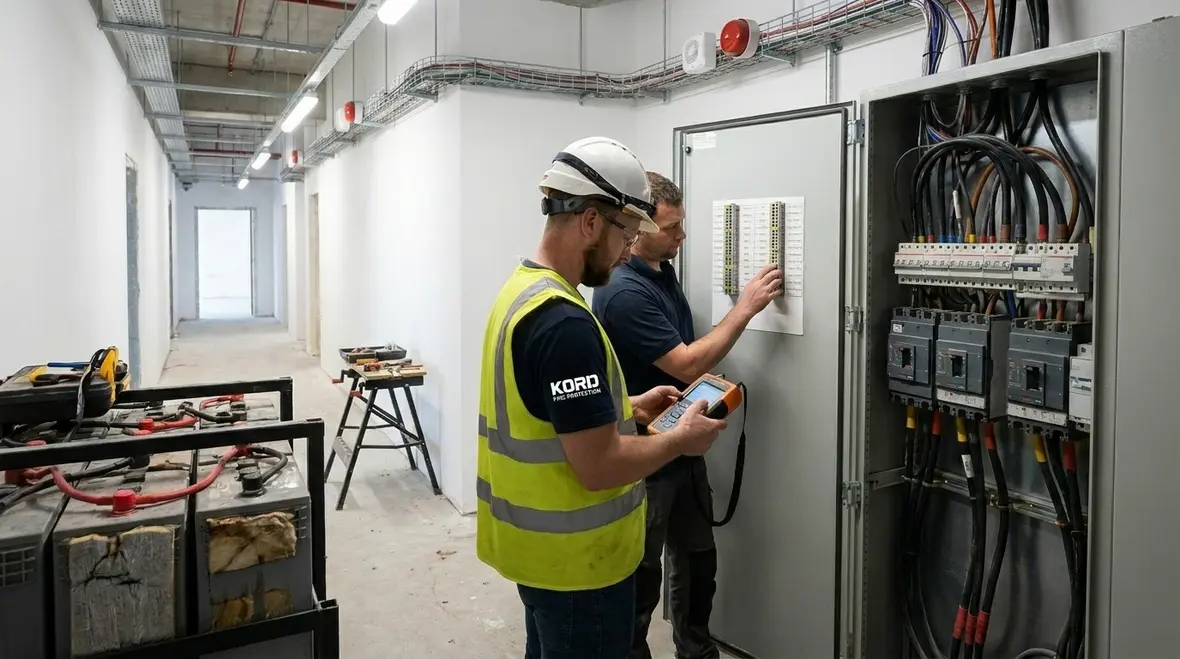
A building may lose main power during an emergency. That is why fire alarm systems use standby power and batteries. Yet batteries can only do their job when the electrical design correctly charges them, monitors them, and protects them.
During commissioning, technicians verify that the battery capacity meets required duration for the site’s design. They also check charging circuits and test monitoring behavior for battery faults. If electrical components around the panel are wrong, a battery may charge poorly or fail early.
For facilities in Australia, where storms, aging assets, and ongoing renovations can stress electrical systems, backup power planning matters more than people expect. Also, it is not just about whether batteries exist. It is about whether the entire electrical chain supports reliable operation.
Here is the calming thought: when electrical and fire alarm scope is handled as one coordinated job, the backup power system becomes predictable instead of “surprise and pray.”
Battery maintenance is not glamorous, but neither is failure
Kord Fire’s recent battery maintenance guide makes the point clearly: age, heat, poor charging behavior, and dirty terminals all reduce battery reliability over time. That means standby power planning is not finished when the batteries are installed. It continues through testing, inspection, and replacement timing, because a battery that merely exists is not the same thing as a battery that will perform. ([kordfire.com](https://kordfire.com/fire-alarm-system-battery-maintenance-in-australia-guide/?utm_source=openai))
Signal circuits and wiring quality: where failures start
Fire alarm systems do not only use power. They also use communication along signal circuits. Wiring quality directly affects system behavior, including fault detection, zone integrity, and response speed.
Common electrical wiring problems include incorrect conductor sizing, poor segregation from other services, incorrect polarity, damaged cable routes, and inadequate terminations. Any of these can create intermittent faults, false alarms, or delayed signals from detectors.
In practical terms, teams should manage cable routing carefully, keep separation distances where required, and follow labeling rules so future maintenance stays efficient. Then when technicians test, they can trace issues without pulling half the building like it is a mystery box from a TV show.
That is another area where kord fire protection supports outcomes. By coordinating device interfaces, wiring routes, and commissioning tests, it helps keep electrical installations aligned with the fire alarm design intent. When both sides speak the same technical language, faults get solved faster and with less rework.
Interference loves shortcuts
Recent Kord Fire guidance on wiring best practices to reduce interference highlights a simple truth: fire alarm circuits are not especially forgiving of electrical noise, poor segregation, or careless routing around other services. A loop may look fine during a quiet moment, then misbehave when building activity and electrical loads ramp up. That is why cable discipline is not paperwork theater. It directly affects whether the system stays dependable. ([kordfire.com](https://kordfire.com/fire-alarm-wiring-best-practices-to-reduce-interference/?utm_source=openai))
Integration with other electrical systems in commercial and industrial buildings
Fire alarm systems often integrate with additional electrical functions. Depending on the site, this can include fire doors, smoke control interfaces, emergency lighting coordination, lift control, and building management alarms.
These integrations depend on control signals, relay interfaces, and reliable power for modules. If the electrical interface wiring is incorrect, the fire alarm may fail to trigger other safety systems. And if the electrical power for those modules is poorly protected or scheduled for shutdown, integration can break right when it is needed most.
Also, electrical contractors and facility managers should consider how changes happen over time. Retail fit-outs change quickly. Industrial plants expand in phases. Therefore, cable routes, junction boxes, and control interfaces need change control and clear documentation.
With kord fire protection involved early, teams can plan integration points and commissioning steps so later upgrades do not quietly weaken the fire strategy. It keeps the building from becoming a “patchwork” of safety decisions that look fine until you test them.
For readers looking to explore the neighboring topic of coordinated suppression and control behavior, Kord Fire’s piece on fire suppression electrical safety for activation in Australia fits naturally here, because alarm signals, control power, and activation pathways often intersect in the same real world emergency. ([kordfire.com](https://kordfire.com/fire-suppression-electrical-safety-for-activation-in-australia/?utm_source=openai))
Commissioning and testing: the bridge between electrical work and fire performance
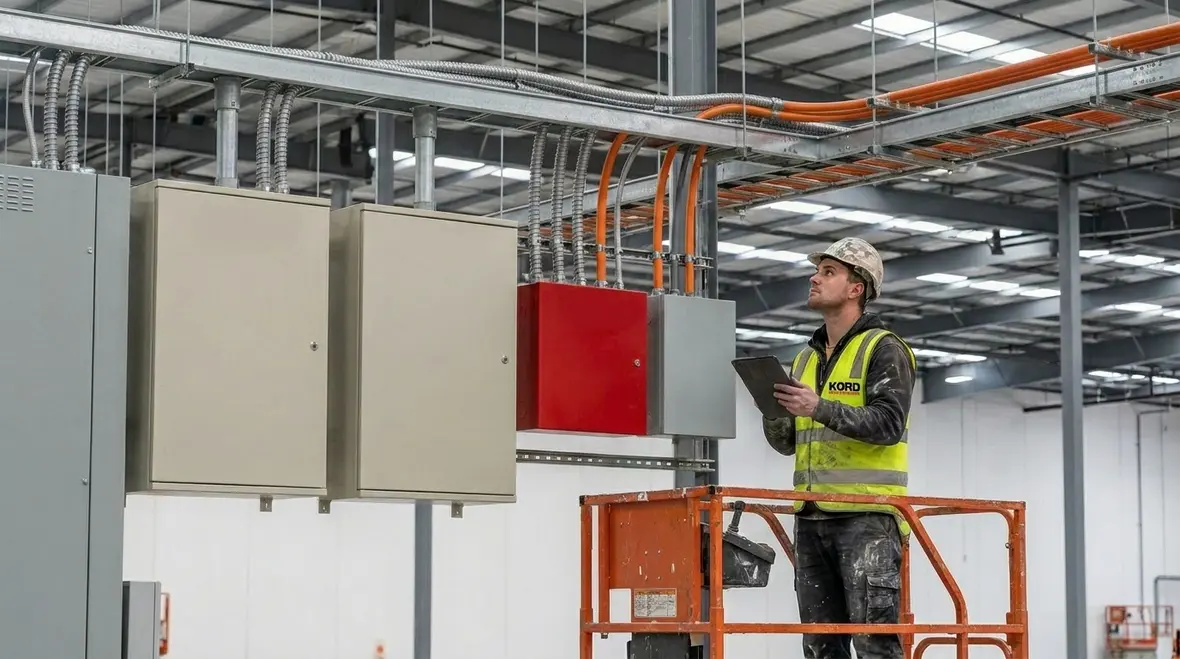
Commissioning proves the system works as designed. This phase connects electrical installation quality to fire alarm performance. Technicians verify that each device sends correct signals, zones respond correctly, and alarms activate in the right sequence.
Testing also checks electrical behaviors like loop resistance, signal integrity, and fault reporting. Then technicians verify that sounders, beacons, and any interface outputs operate under alarm conditions and under monitored fault conditions.
Importantly, commissioning is not a checkbox. It is the moment teams confirm that wiring, panel programming, and power supplies meet the design objectives. If electrical work fails here, the best intentions do not matter.
Because Australia’s facilities often run under tight schedules, testing should be planned with clear access, safe isolation methods, and coordinated shutdown windows. That approach reduces disruption and keeps compliance on track. And with a partner like kord fire protection, the commissioning process becomes more structured, with fewer handoff gaps between trades.
Load planning shows up here, whether people like it or not
Kord Fire’s article on fire alarm system power load planning for commercial systems underlines that standby duration and alarm performance are shaped by the electrical budget from the start. That means commissioning is where optimistic assumptions meet actual current draw, actual devices, and actual operating behavior. Usually, reality wins. ([kordfire.com](https://kordfire.com/fire-alarm-system-power-load-planning-for-commercial-systems/?utm_source=openai))
Common pitfalls when electrical and fire alarm scopes split
When electrical work and fire alarm work operate like separate sports teams, problems appear. First, drawings may conflict. One team designs conduit and cable routes; the other team installs devices and sensors. If these do not match, rework follows.
Second, labeling and documentation may lag behind. Facility teams then struggle to find circuits during inspections, and testing turns into guesswork. Third, protection devices may not match the fire panel or interface module requirements, which can cause unexpected tripping or faults.
Finally, change management often slips. After handover, someone adds a new rack, a new storefront, or new equipment. Without coordinated updates, the fire alarm system may end up disconnected from the electrical plan it depends on.
kord fire protection helps prevent these pitfalls by acting as a vital partner across the job. It supports coordinated planning, clear documentation, and commissioning discipline so the electrical side and fire alarm performance stay aligned.

FAQ
Call kord fire protection for coordinated fire and electrical planning
Fire alarm systems only perform at their best when the electrical side supports them from day one. For industrial, retail, and commercial facilities across Australia, coordinated planning, correct commissioning, and clear documentation matter. kord fire protection can step in early to align scope, wiring interfaces, and testing so your safety system stays dependable.
Call today to get a smoother, safer build and fewer surprises later. If your team is reviewing adjacent system topics, Kord Fire’s articles on fire alarm system battery maintenance in Australia and fire alarm circuit design to reduce voltage drop in commercial buildings offer useful companion reading for the same planning conversation. ([kordfire.com](https://kordfire.com/fire-alarm-system-battery-maintenance-in-australia-guide/?utm_source=openai))

Join Our Newsletter!
Get the latest fire safety tips delivered straight to your inbox From our Newsletter.