
Clean Agent Systems and Electrical Integration for Safety
Quick Answer: Clean agent systems and electrical infrastructure work together when power, detection, distribution, and safety controls are designed as one system. They need correct wiring, proper panels, and reliable shutdown sequences. Kord Fire Protection can then support installation, compliance, testing, and ongoing service so the whole job stays dependable.
In Australian industrial, retail, and commercial facilities, Kord Fire Protection helps clients make fire protection work the way it was meant to work. And yes, when it comes to clean agent systems and the electrical side, the details matter. A small wiring issue can turn a “ready to protect” system into a “we’ll check it later” problem. Nobody wants that. Not the facilities manager, not the contractor, and definitely not the fire safety officer doing a compliance walk-through like it is a surprise pop quiz.
When the project includes a dedicated clean agent fire suppression service, the electrical build has a much better chance of matching the system logic from the start. It also helps to review related Kord Fire resources on fire suppression electrical hazards causing false discharges because that is exactly the kind of headache everyone would rather avoid. ([kordfire.com](https://kordfire.com/mission-critical-fire-suppression-with-clean-agent-systems/?utm_source=openai))
How clean agent systems integrate with electrical
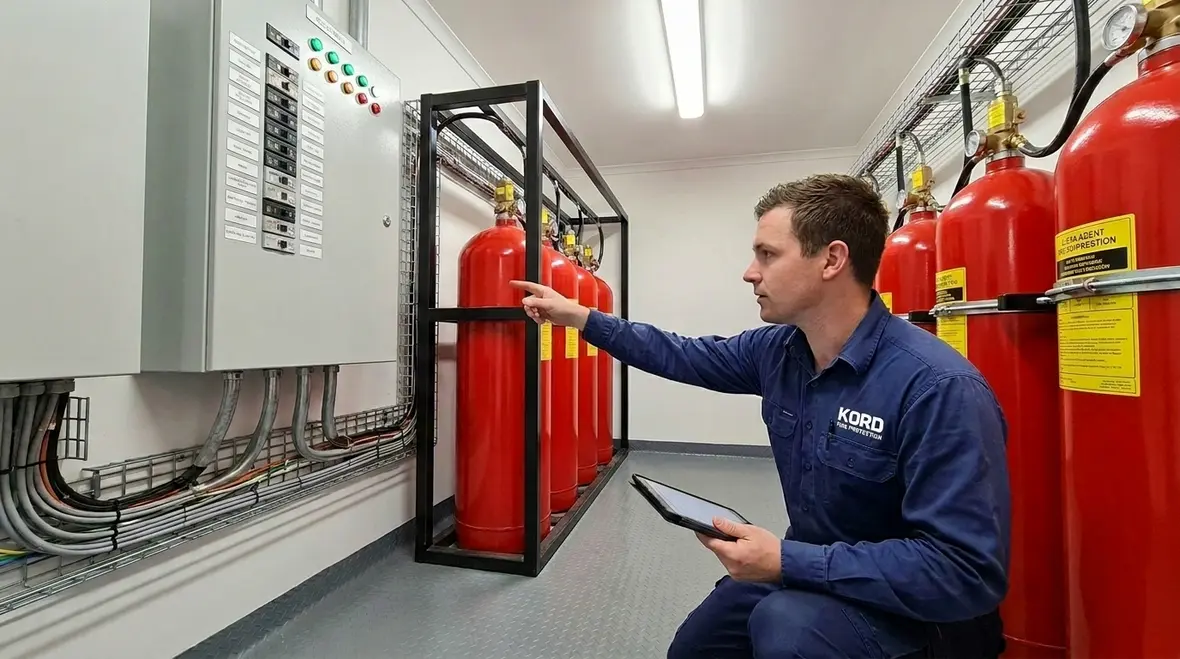
Clean agent systems rely on fast detection, safe actuation, and controlled release. Electrical infrastructure makes that possible. First, the detection layer sends signals to the control panel. Then the control panel triggers release devices through power distribution and monitored circuits. Finally, the system operates auxiliary functions such as door hold-open release, ventilation shutdown, and alarm signaling.
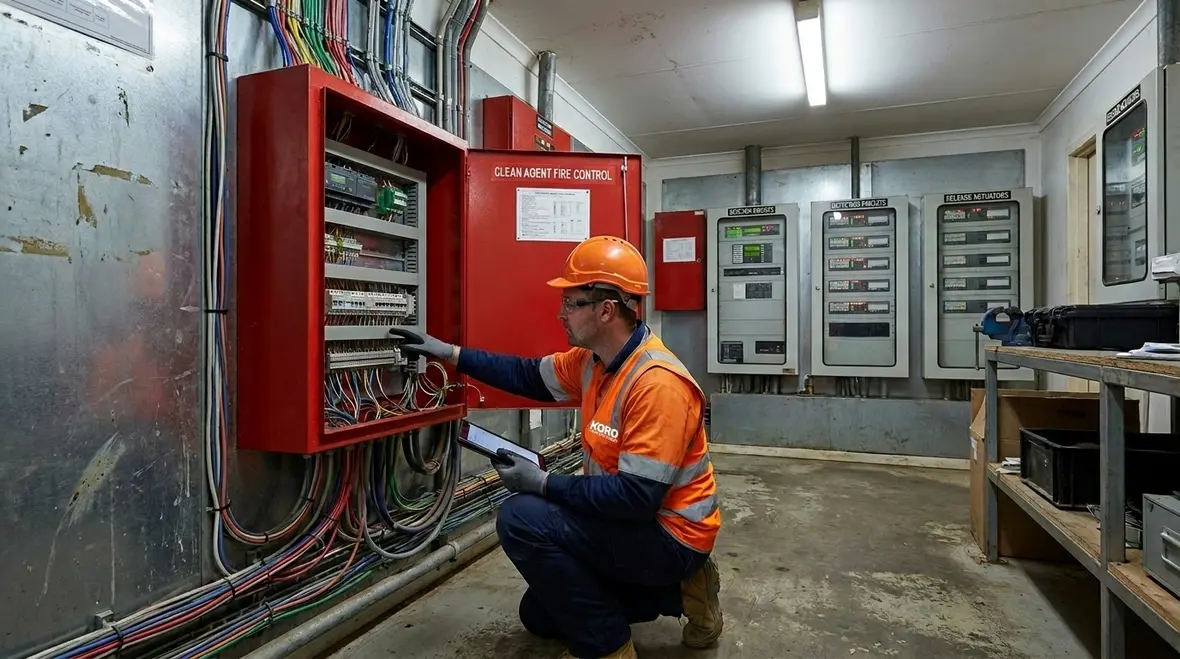
Because this chain has no room for guesswork, the electrical design needs to line up with the fire system’s input and output requirements. Kord Fire Protection typically coordinates the fire side so electrical contractors can build the wiring and power routing the right way from day one. That reduces change orders and prevents “we’ll make it work” improvisation, which is great for music festivals and terrible for life safety.
Why this coordination matters early
The earlier teams settle panel logic, monitored outputs, and power expectations, the fewer expensive surprises show up during commissioning. Kord Fire Protection’s recent guidance on mission critical clean agent planning and clean agent system support points to the same idea: these systems perform best when the protection concept and the electrical execution are treated as one coordinated job, not two separate guesses that happen to meet in the middle. ([kordfire.com](https://kordfire.com/mission-critical-fire-suppression-with-clean-agent-systems/?utm_source=openai))
What electrical components must match the fire system design
Integration starts with electrical components that support detection and actuation without surprises. These items must align with the clean agent system specification and the site’s operational needs.
Key electrical elements include
- Fire alarm and control panels that accept initiating device signals and command outputs
- Detection circuits that connect sensors to the panel with correct zoning and supervision
- Release circuits that power the actuation paths in the required sequence
- Monitored interfaces for building controls such as dampers and shutdown relays
- Emergency power and backup so the system functions during outages
- Alarm and warning devices that follow the correct timing and logic
In practice, the electrical team needs to understand the clean agent’s operating logic. For example, some installations require pre-discharge warning delays and interlocks to prevent accidental release during maintenance. Therefore, the panel wiring and auxiliary I O devices must reflect the same timing and permissive conditions.
That need for alignment is especially obvious in spaces like electrical rooms and other sensitive environments where clean agent systems are selected specifically to protect equipment without residue. Kord Fire Protection’s clean agent content for electrical rooms and server rooms reinforces that these projects depend on control logic, reliable interfaces, and planning that fits the real room rather than a generic template. ([kordfire.com](https://kordfire.com/clean-agent-fire-suppression-for-electrical-rooms/?utm_source=openai))
Detection, wiring routes, and signal quality on facilities sites
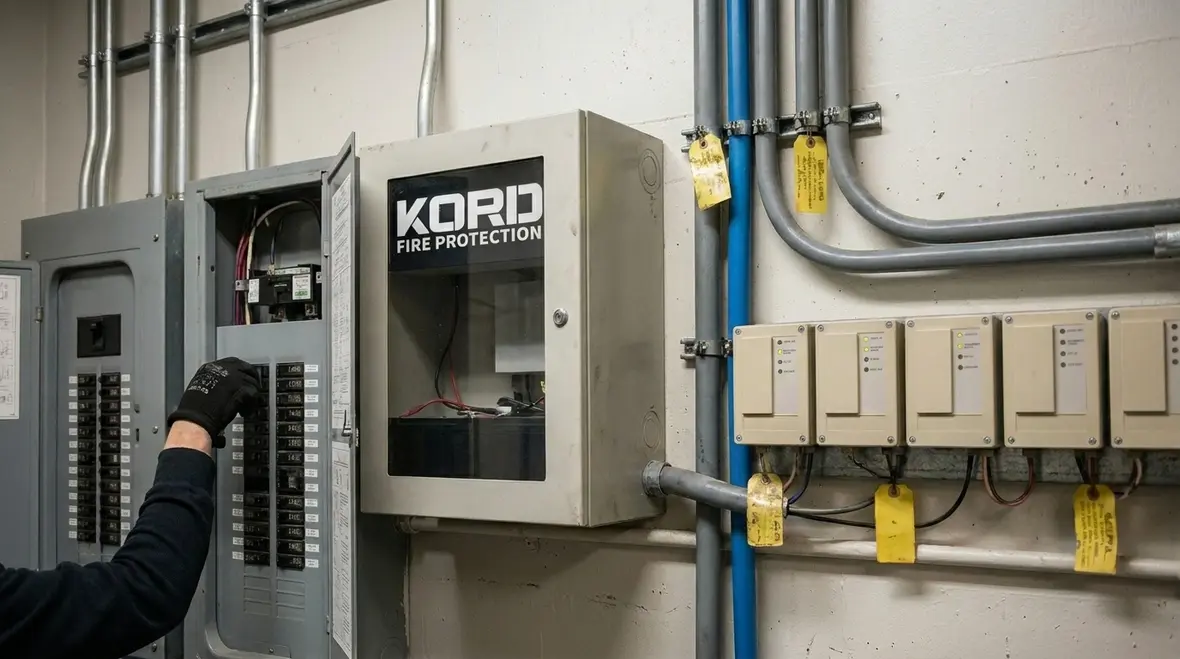
Facilities across Australia often have complex layouts. Therefore, wiring routes can become the weak link if teams treat them like afterthoughts. Detection circuits and release circuits need reliable supervision, correct cable types, and proper termination practices.
Clean agent systems typically depend on sensors that detect the right condition for the hazard. Then the panel must interpret those signals quickly and accurately. To support that, electrical contractors should plan routing early, keep signal integrity in mind, and avoid mixing incompatible circuits where it increases noise or interference.
Also, facilities teams often retrofit across occupied spaces. In that scenario, routing must consider access, ongoing work zones, and future maintenance. Kord Fire Protection can help plan testing points and verify that the final wiring matches the control logic before any system handover.
And if anyone suggests “we’ll just run it together and tidy it later,” that is like saying “let’s pack the parachute after we jump.” It might feel efficient, but it will not end well.
Retrofits demand more discipline, not less
Retrofit work adds the classic site challenge of trying to protect a live building without making it stop being a live building. That means routes need to be practical for installation crews, sensible for later service access, and clear enough that future technicians are not left decoding a mystery novel hidden above the ceiling. Kord Fire Protection’s lifecycle guidance and electrical wiring compliance article both support the value of documentation and planned reviews after building changes. ([kordfire.com](https://kordfire.com/full-lifecycle-of-fire-protection-explained/?utm_source=openai))
Power distribution and emergency backup that keeps the system ready
Clean agent release depends on stable electrical performance. Therefore, power distribution must support the system’s operating states: normal, alarm condition, pre discharge, release, and post release monitoring. In addition, the electrical design must maintain correct standby capacity for emergency operation.
Electrical integration usually includes
- Dedicated feed arrangements or properly defined connections to prevent nuisance faults
- Battery backed operation to cover power loss scenarios
- Supervised charger and monitoring so the panel can detect degraded power
- Clear labeling for isolation and safe maintenance
Where facilities run critical processes, shutdown logic must also remain predictable. Consequently, electrical interlocks should align with the site’s safety procedures. Kord Fire Protection becomes vital here because they can verify that the system’s electrical dependencies, release timing, and functional testing align with the installation plan and relevant expectations for dependable operation.
That same reliability theme shows up across Kord Fire’s related material on fire pump power supply reliability and broader suppression planning. Different systems, same lesson: if emergency power and supervised monitoring are shaky, confidence is just a fancy word for hope. ([kordfire.com](https://kordfire.com/fire-pump-power-supply-reliability-with-kord-fire-protection/?utm_source=openai))
Release control, shutdown interlocks, and operational safety
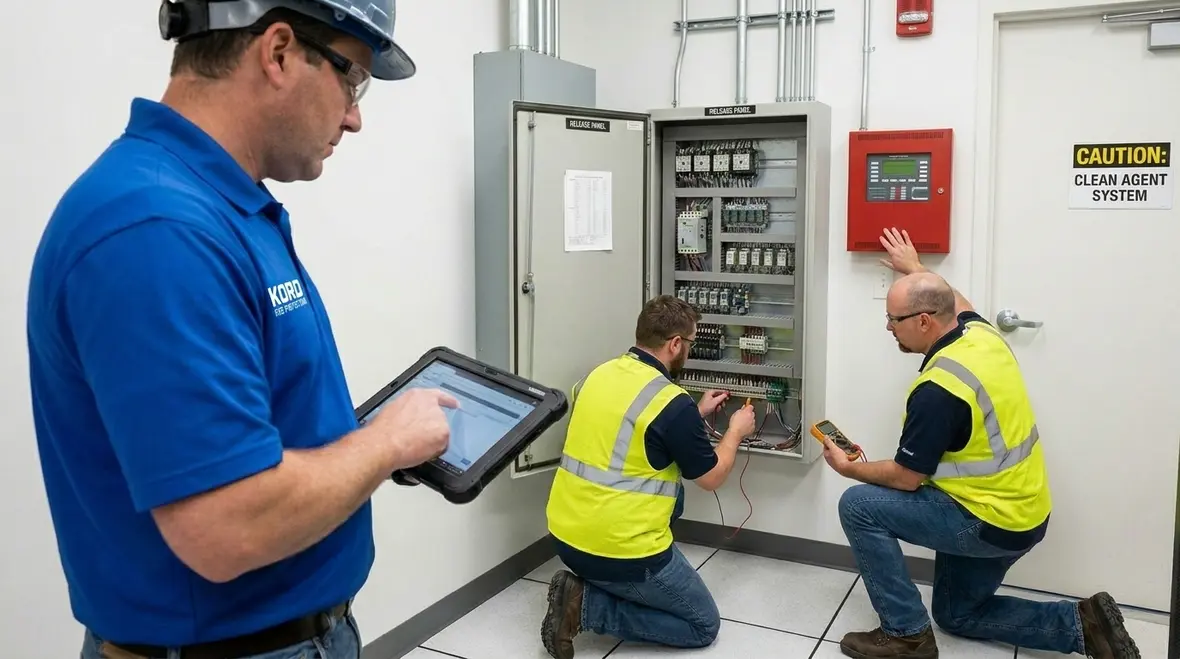
The clean agent release must coordinate with the building’s electrical control functions. For example, the system may need to shut down ventilation, isolate power to fans that would disperse agent, or release door mechanisms designed for safe egress. These functions rely on properly wired outputs and correctly mapped relay or interface modules.
To make this work, teams should plan interlocks during design. Then they should validate them during commissioning. If electrical shutdown settings drift over time, system performance can degrade. Hence, facilities should include documentation, labeling, and routine checks as part of ongoing service.
Clean agent systems also require careful sequencing. The control logic must ensure that warning signals occur before discharge and that release only occurs when permissive conditions are met. If electrical circuits do not match the logic, the system might fail to act when it should, or act when it should not. Kord Fire Protection can help manage that risk by supporting commissioning, verifying correct signal paths, and coordinating with electrical teams so safety functions remain consistent across the lifecycle.
False discharge prevention is part of the job
This is also why interlocks, relays, and release pathways deserve disciplined testing instead of optimistic assumptions. Kord Fire Protection’s article on false discharges highlights how electrical faults can create very real suppression problems, while its electrical interlocks content in other applications shows that shutdown logic only looks simple until it is wired wrong. ([kordfire.com](https://kordfire.com/fire-suppression-electrical-hazards-causing-false-discharges/?utm_source=openai))
Verification, compliance testing, and life cycle service in Australia
Integration does not finish at installation. Clean agent systems depend on electrical integrity over time, including insulation health, terminal tightness, and correct panel configuration. Therefore, testing and service must continue after handover.
Typical ongoing work includes
- Functional tests for detection and alarm logic
- Verification of release paths and output activation sequences
- Inspection of power supplies and monitored circuits
- Review of interlocks with updated building operations
- Record keeping that supports audits and maintenance planning
When a facility modifies electrical panels, upgrades lighting, or adds new equipment, the fire system interfaces can be affected. That is why Kord Fire Protection can serve as a vital partner: they can coordinate changes, confirm impacts on clean agent system operation, and help keep the system aligned with the facility’s current electrical and operational layout. In other words, they help stop the slow creep that turns “compliant” into “confusing.”
That long view matches Kord Fire Protection’s broader message across its fire protection lifecycle and clean agent system guidance: reliability is not a one time event. It is something teams install, test, document, revisit, and keep honest over time. ([kordfire.com](https://kordfire.com/full-lifecycle-of-fire-protection-explained/?utm_source=openai))
FAQ about clean agent systems and electrical integration
Ready to align the electrical build with clean agent performance?
Clean agent success is not luck, it is coordination. Facilities across Australia that want dependable detection, correct release timing, and safe shutdown interlocks should plan electrical integration early and verify everything during commissioning. Kord Fire Protection can partner through design coordination, testing, and ongoing service, so the system stays ready long after the install day.
For teams mapping the next job, Kord Fire Protection’s clean agent service page and related clean agent planning articles offer a practical next step for moving from a rough idea to a dependable protection strategy. Contact Kord Fire Protection to get a clear plan for your next job. ([kordfire.com](https://kordfire.com/mission-critical-fire-suppression-with-clean-agent-systems/?utm_source=openai))

Join Our Newsletter!
Get the latest fire safety tips delivered straight to your inbox From our Newsletter.


