Environmental Conditions and Fire Suppression Agents
How Environmental Conditions Affect Fire Suppression Agent Selection
Environmental Fire suppression affects are not just background details on a job site clipboard. They shape every serious decision made about safety. Temperature, humidity, altitude, airflow, and even dust levels can change how a fire behaves and how a suppression agent performs. Therefore, selecting the wrong system in the wrong setting is like bringing a garden hose to a volcano. It may look helpful, but it will not end well. Kord Fire Protection technicians often explain that understanding the environment is not optional. It is the starting point. And as they calmly remind clients, fire does not care about good intentions. It responds to physics.
In this guide, the focus stays on how surroundings influence agent performance, system reliability, and long term protection. Because when it comes to fire safety, context is everything.
Why the Environment Changes Everything
Fire suppression systems operate based on chemistry and physics. However, both respond directly to environmental conditions. Heat rises. Cold slows reactions. Wind feeds flames. Moisture changes conductivity. Therefore, every agent reacts differently depending on where it is installed.
Kord Fire Protection technicians often explain this in simple terms. If a system performs perfectly in a climate controlled data center, it does not mean it will behave the same way in a dusty manufacturing plant. Similarly, what works in a coastal facility may fail in a high altitude warehouse. The environment sets the rules. The suppression agent must play by them.
Moreover, the wrong pairing can cause damage even without a fire. Corrosion, condensation, freezing, and pressure imbalance can reduce system life. As a result, smart selection protects both people and infrastructure.
In spaces packed with critical systems, clean agent fire suppression often becomes the go-to choice because it is both environment-aware and equipment-friendly. For example, data center clean agent fire suppression relies heavily on room conditions, airflow, and enclosure integrity to perform correctly, proving that environment and agent type are always linked.
How Temperature Extremes Influence Agent Performance
Cold, Heat, and System Stability
Temperature ranks as one of the most critical environmental variables. Because fire itself involves heat, it makes sense that surrounding temperatures would affect suppression.
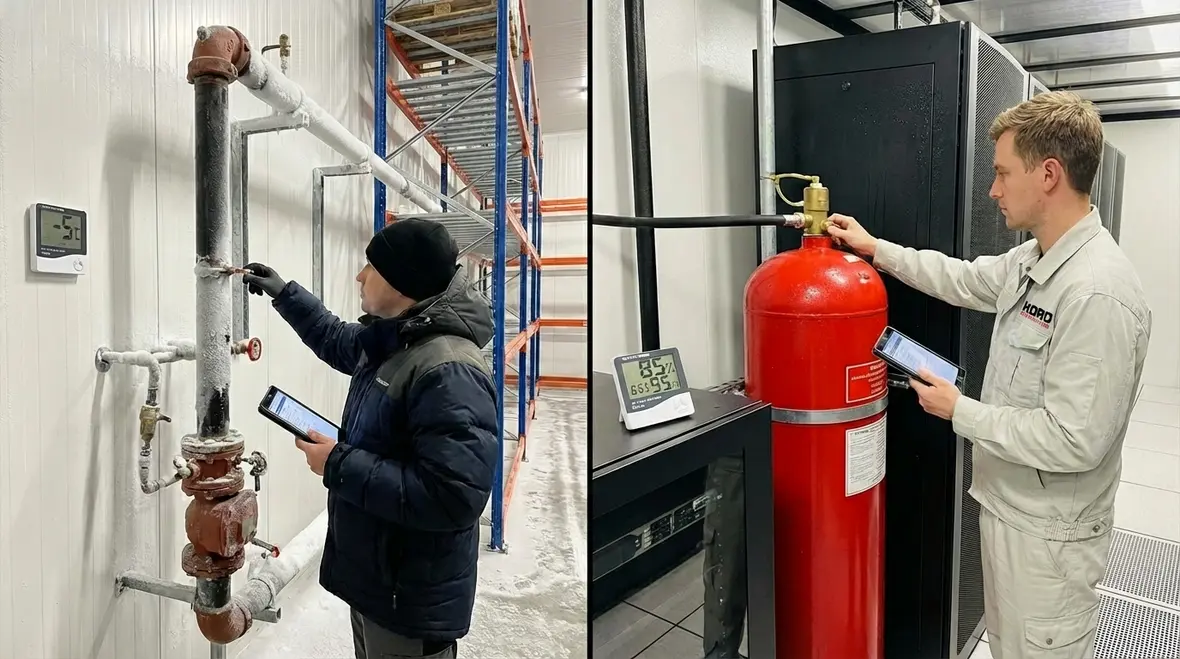
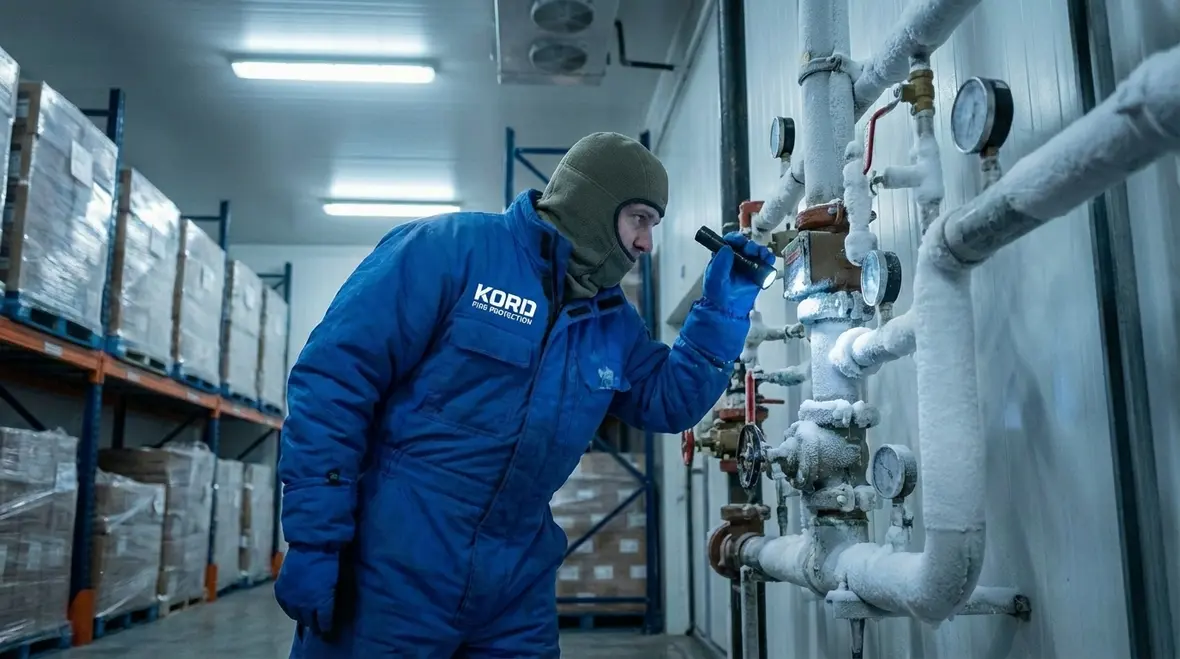
In freezing environments, water based systems face real challenges. Pipes can freeze. Sprinkler heads can crack. Therefore, dry pipe systems or antifreeze solutions may be required. Conversely, in high heat environments, stored pressure systems may experience expansion, which affects discharge rates.
Clean agents, such as inert gases or chemical agents, also respond to temperature changes. Cold conditions can alter pressure inside cylinders. As a result, discharge time and concentration levels may shift. Kord Fire Protection technicians often explain that even a few degrees can affect whether the correct concentration fills a protected room.
High-Heat Spaces and Ongoing Thermal Stress
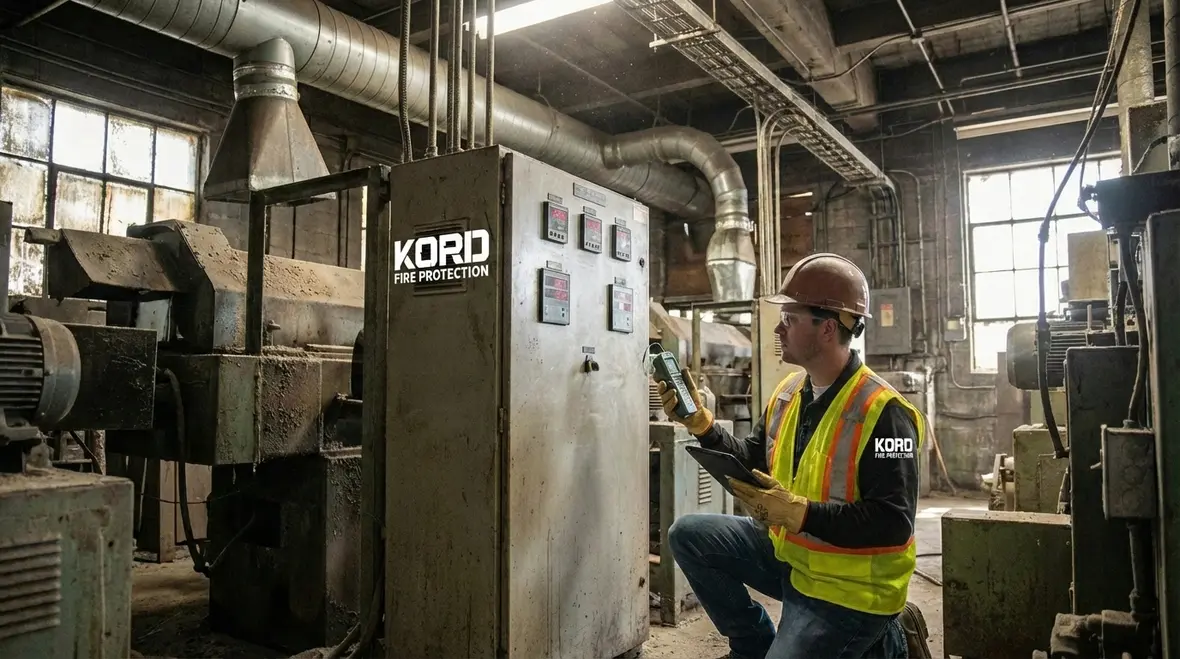
Additionally, facilities like commercial kitchens, foundries, and mechanical rooms generate ongoing heat. In these spaces, suppression systems must account for constant thermal stress. Otherwise, components may degrade faster than expected. Fire safety should not melt under pressure. That is the job of villains in action movies, not engineered systems.
In temperature-sensitive applications, designers frequently lean on clean agents that have well-documented performance windows and are covered under standards such as NFPA 2001 clean agent fire suppression guidelines, ensuring that system calculations account for both ambient and worst-case temperatures.
Humidity, Moisture, and Corrosive Environments
Moisture, Corrosion, and Equipment Risk
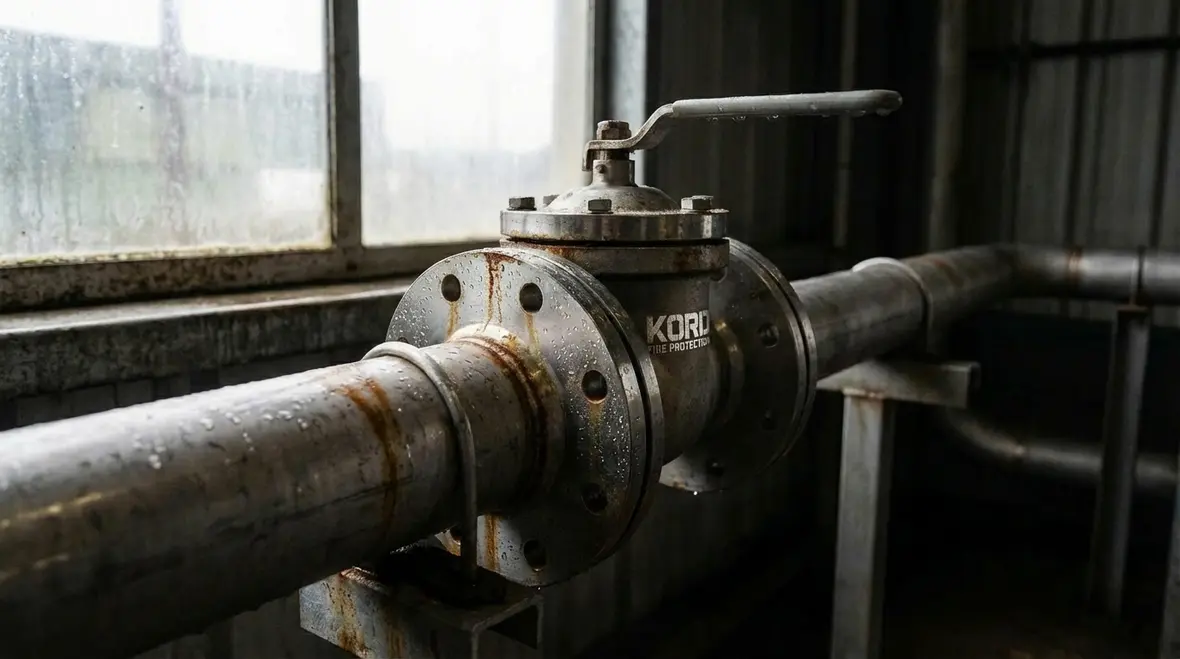
Moisture affects both fire behavior and system integrity. High humidity levels increase corrosion risk, particularly in coastal or marine settings. Therefore, material selection becomes as important as the agent itself.
For example, water mist systems may perform effectively in many applications. However, in environments already prone to moisture buildup, excess humidity can damage sensitive equipment. Data centers, laboratories, and archival storage facilities often require clean agents precisely because they leave no residue.
Chemically Aggressive or Corrosive Spaces
Furthermore, corrosive environments such as wastewater treatment plants introduce chemical exposure. In these cases, stainless steel components and corrosion resistant coatings protect system longevity. Kord Fire Protection technicians frequently walk clients through these risks. They explain that ignoring corrosion is like ignoring a slow leak in a boat. It may seem minor until everyone starts swimming.
Environmental Fire suppression affects in humid climates also influence electrical conductivity. Water based systems in high moisture zones may increase shock hazards if not properly grounded and installed. Therefore, coordination with electrical safety standards becomes essential.
In mission-critical areas where moisture and corrosion are major concerns, facilities often lean on clean agent fire suppression for critical equipment, which delivers fast suppression without adding more liquids or residues into an already moisture-sensitive environment.
Altitude and Airflow Dynamics
High Elevation and Agent Concentration
Altitude changes air pressure. Lower air density at higher elevations reduces the amount of oxygen available. While that might sound like good news for fire control, it complicates agent concentration calculations.
Clean agent systems rely on precise concentration levels to suppress flames. At higher altitudes, systems must adjust discharge volumes to compensate for lower atmospheric pressure. Otherwise, the agent may not achieve the required concentration. Kord Fire Protection technicians often describe this as baking at high elevation. The recipe changes, or the cake collapses. And no one wants a collapsed fire suppression strategy.
Ventilation, Fans, and Open Air Movement
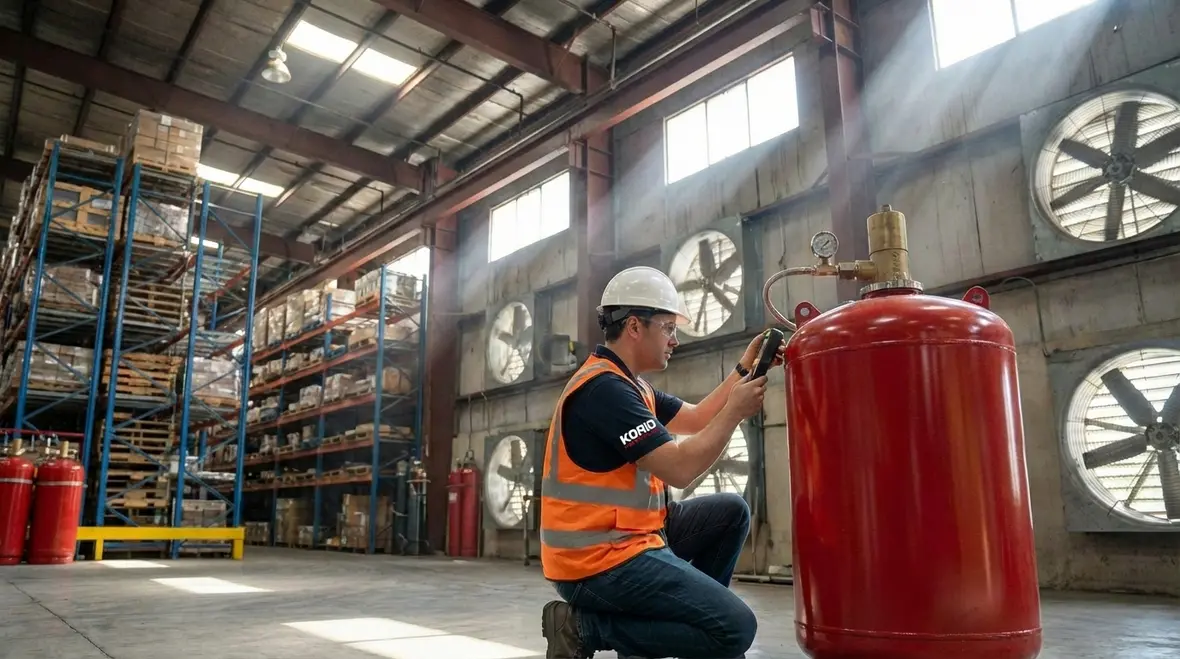
Airflow presents another variable. Warehouses with high ceilings and active ventilation systems create air movement that can disperse suppression agents unevenly. Similarly, industrial fans may push smoke and heat toward unintended zones. Therefore, designers must consider ventilation shutdown integration.
In open facilities, wind exposure can disrupt exterior suppression efforts. Foam systems used in fuel storage facilities, for instance, must account for wind drift. Otherwise, foam blankets may fail to form correctly. Environmental Fire suppression affects in these scenarios directly determine whether containment succeeds.
Where clean agents are used, maintaining agent concentration in the presence of airflow requires tight enclosures and proper testing. That is why many facilities pair their systems with room integrity testing for clean agent systems to confirm that real-world leakage and air movement align with design assumptions.
Fuel Type and Surrounding Materials
Combustibles, Contents, and Mixed Hazards
Although environment often refers to climate, it also includes the materials within a space. Paper archives behave differently than lithium battery storage. Wood framing reacts differently than steel enclosures.
Water based systems remain effective for ordinary combustibles. However, electrical rooms require non conductive agents. Flammable liquid storage often demands foam systems that suppress vapor release. In addition, lithium ion battery fires introduce thermal runaway risks that traditional suppression may not fully control.
Kord Fire Protection technicians emphasize evaluating the entire fuel load, not just the obvious hazards. For example, a manufacturing floor may contain dust accumulation. Fine combustible dust can create explosive conditions if disturbed. Therefore, suppression strategies must align with dust hazard analyses.
Environmental Fire suppression affects become more complex when mixed hazards exist. Hybrid systems may provide layered protection in facilities that house electronics, machinery, and storage materials under one roof.
In high-value settings, this often leads designers back to clean agent systems for high-value equipment protection, pairing them with sprinklers, foam, or specialty systems so each fuel type is matched with the right suppression method.
Comparing Environmental Factors and Agent Types
Below is a simplified comparison that highlights how different conditions influence selection decisions.
| Environmental Condition | Common Agent Considerations |
|---|---|
| Low temperatures | Dry pipe sprinklers, antifreeze solutions, pressurized clean agents adjusted for cold storage |
| High humidity | Corrosion resistant materials, clean agents to protect electronics |
| High altitude | Adjusted clean agent concentrations, recalculated discharge timing |
| Wind exposed outdoor areas | Foam systems designed for drift control, shielded discharge points |
| Dust heavy industrial settings | Explosion rated equipment, specialized suppression for combustible dust |
Because each environment introduces unique challenges, technicians evaluate these factors together rather than in isolation.
Can One System Fit Every Environment?
Short Answer: No.
Short answer. No.
While it would be convenient to install one universal system and call it a day, reality refuses to cooperate. Every building carries its own environmental profile. Therefore, engineers assess climate data, building layout, occupancy type, and operational processes before recommending a solution.
Kord Fire Protection technicians often conduct on site evaluations to observe airflow patterns, structural materials, and mechanical systems. They explain their findings in clear language, avoiding jargon. Because informed clients make better safety decisions.
Moreover, regulations and insurance requirements often reflect environmental conditions. Coastal hurricane zones, seismic regions, and cold storage facilities all introduce compliance factors. Aligning with codes ensures both safety and legal protection.
Design Integration and Long Term Reliability
Installation, Maintenance, and a Moving Target
Choosing the right agent is only part of the equation. Installation quality and ongoing maintenance determine long term performance. Environmental conditions continue to influence systems long after installation.
For example, vibration from heavy machinery can loosen fittings over time. Temperature swings can stress seals. Humidity can corrode valves. Therefore, routine inspections must account for site specific environmental stressors.
Kord Fire Protection technicians approach maintenance with this understanding. They evaluate not just whether a system works today, but whether environmental Fire suppression affects may compromise it tomorrow. Preventive adjustments reduce unexpected failures.
Additionally, system upgrades may become necessary as facility use changes. A warehouse converted into a battery storage center demands reassessment. Because environments evolve, suppression strategies must adapt accordingly.
When environments change or when facilities introduce higher value assets, many teams turn to clean agent fire suppression system services to fine tune agent choice, distribution, and integration with existing sprinklers or detection systems.
FAQ
Conclusion
Environmental conditions shape every effective fire protection strategy. Temperature, humidity, altitude, airflow, and fuel type all influence how suppression agents perform. Therefore, careful evaluation prevents costly mistakes and safety gaps. Kord Fire Protection technicians bring clarity to these decisions, guiding facilities toward solutions built for their specific environment. When safety matters, guesswork has no place.
Contact experienced professionals who understand how surroundings shape protection and ensure your system stands ready when it matters most. If your facility houses sensitive equipment, consider exploring Kord Fire’s clean agent suppression systems for critical assets or their broader clean agent fire suppression services to align your environment, hazards, and suppression agents with a strategy that actually fits the real world you operate in.
Know Your Weapon Before You Fight the Flame
Kord Fire Protection is your go-to when it comes to all things fire protection. For over 20 years, we’ve been serving Southern California with the quality service and equipment to keep your home or business safe at all times. Our competitive prices reflect our unwavering commitment to protecting what matters most in the event of a fire emergency. Give us a call, send an email, or use that form!

Join Our Newsletter!
Get the latest fire safety tips delivered straight to your inbox From our Newsletter.