Emergency Power System Reliability Testing for Commercial Buildings
Quick Answer
Commercial owners need Emergency Power System Reliability to keep life safety systems, critical equipment, and business operations running during outages. It starts with the right design and continues through testing, load management, and fast response to faults. With Kord Fire Protection as a partner, properties strengthen fire and emergency readiness, not just backup power.
When the lights go out in a commercial retail precinct or an industrial facility, the question is not “Will the generator start?” It is “Will it carry the load, at the right time, in the right way?” That is where Emergency Power System Reliability becomes a business issue, not a technical hobby. And even though power systems get the spotlight, fire safety and emergency systems often run on the same clocks and circuits. So, early assessment and ongoing maintenance matter more than most people expect. In the rest of this article, third person experts will walk through how commercial teams evaluate performance, reduce risk, and improve outcomes, with Kord Fire Protection acting as a vital partner for the broader emergency and fire protection picture.
Near the top of any serious reliability plan, many teams also connect emergency power readiness with broader full fire protection services. That is a practical move, because backup power only earns its keep when the systems depending on it are also inspected, coordinated, and ready to perform.
Why reliability testing protects both people and budgets
Emergency power in a commercial property is supposed to bridge the gap between an outage and restored utility supply. Reliability testing checks that bridge before it gets stress-tested by reality. After all, the market already has enough surprises, from delayed deliveries to “mysterious” alarms at 2 a.m. To prevent that, evaluators look at response time, transfer behavior, voltage and frequency stability, and load acceptance. Then they connect those outcomes to real building needs, such as smoke control interfaces, emergency lighting logic, fire alarm panels, and communications equipment.
Additionally, strong reliability testing reduces downtime during maintenance events. Instead of shutting down critical areas, teams can plan controlled tests and understand what changes when different loads kick in. Therefore, they protect both safety and service continuity.
What reliable testing actually uncovers
In many facilities, the problem is not dramatic equipment failure. It is a stack of smaller issues that line up at exactly the worst moment. A transfer switch may hesitate. A battery may be “probably okay,” which is corporate language for “this will become our problem later.” A control setting may have drifted after previous service. Reliability testing brings those hidden weaknesses into the light while the building is still calm enough to fix them without panic.
What commercial properties should evaluate first
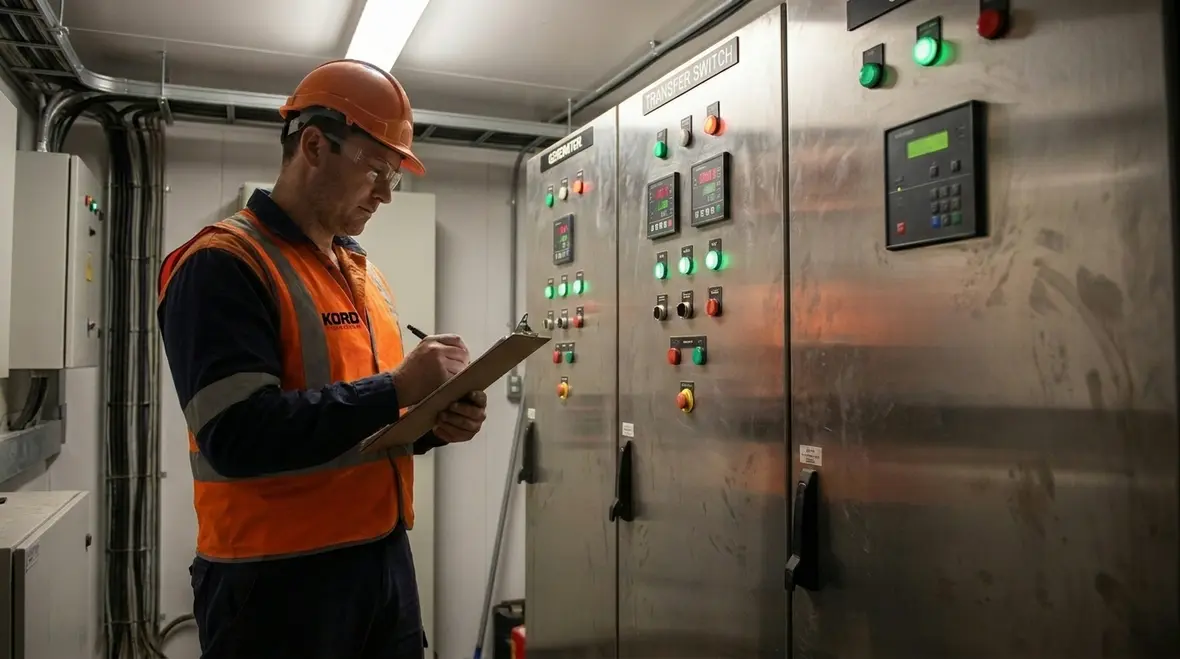
Property teams should start with a clear inventory of what must run on backup. Then they translate that list into electrical load categories and operating priorities. In practice, they confirm which systems require standby versus essential power and whether any equipment depends on phased start conditions.
Next, evaluators review design intent. They check generator sizing, distribution pathways, transfer switch type, and how controls manage startup sequencing. After that, they verify installation quality through commissioning records and as built drawings. If the documents exist, they should match field conditions. If they do not, reliability assessments become guesswork, and guesswork is how outages turn into expensive stories people tell at trade shows.
Finally, they include the fire and life safety side. Backup power that fails to support fire safety functions can create unacceptable risk during an emergency. That is why alignment between power engineers and fire protection teams is not optional. It is operational common sense.
Start with the loads that truly cannot blink
Every building likes to think all of its loads are “critical,” but some are clearly more equal than others. Teams should identify what absolutely must stay active during loss of utility power, including fire alarm panels, emergency lighting, communications, smoke control interfaces, life safety controls, access systems, and any operational equipment that prevents cascading downtime. This first-pass prioritization shapes every later decision on testing, sequencing, and remediation.
How load banks, transfer switches, and run times reveal hidden weaknesses
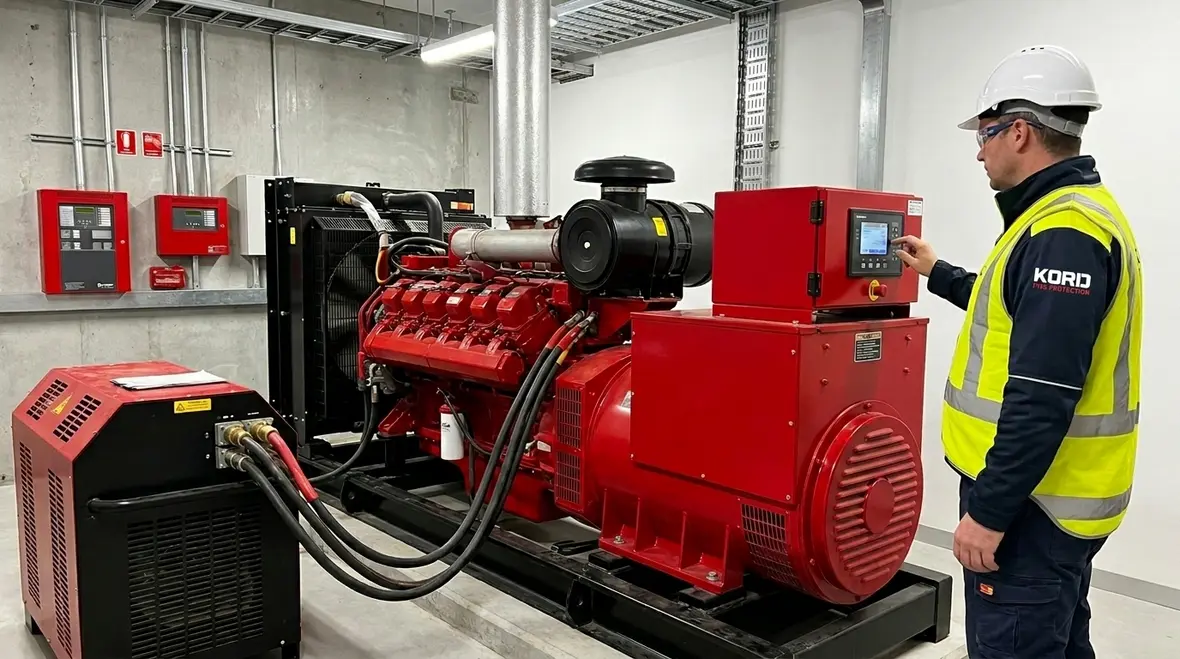
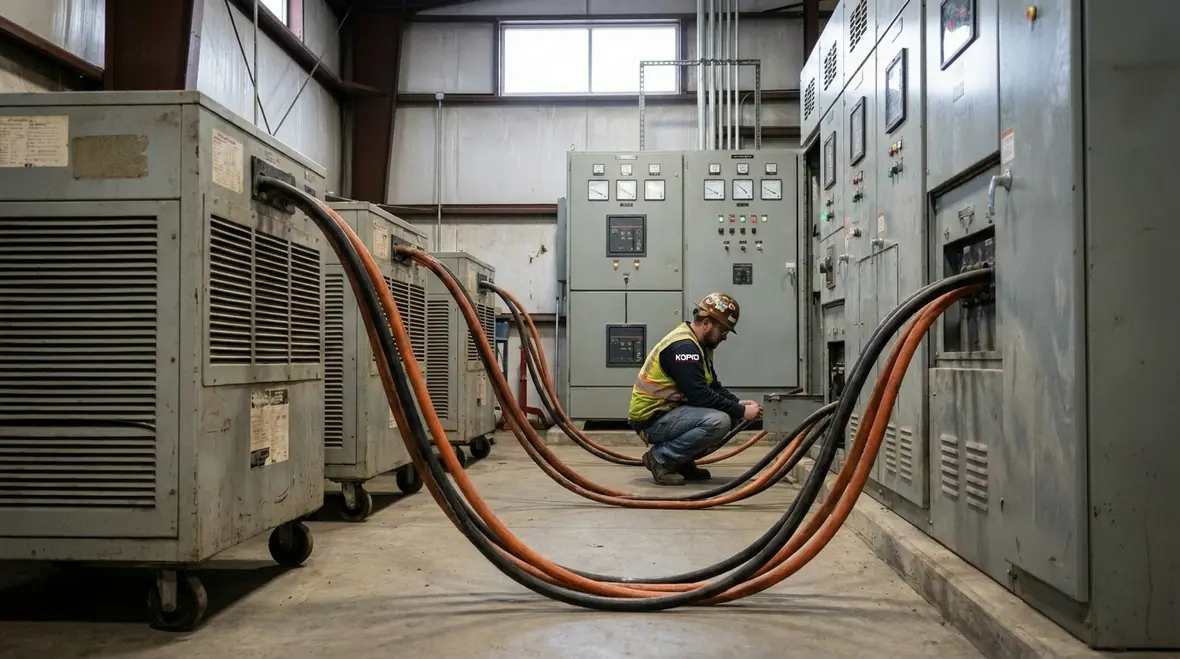
Reliability is not only about startup. It is about how the system behaves under realistic demand. Load bank tests help teams simulate the building’s connected equipment. Meanwhile, transfer switch testing confirms the switch transitions cleanly from mains to generator power. If the transfer creates a dip or momentary interruption, sensitive systems can reset, alarms can behave unpredictably, and operations can stall.
During evaluations, professionals also test ramp behavior, where the system manages generator output during the first minutes after transfer. They verify that voltage regulation holds within acceptable limits and that frequency stays steady enough for control systems. They also confirm the system’s ability to run at rated loads for the required duration.
In many commercial facilities, the biggest “gotcha” is not the generator itself. It is the way loads are staged, the way panels reset, or how cables and connections perform over time. Therefore, teams run tests that reflect actual change, like when refrigeration loads cycle or when a large tenancy begins operating heavy equipment.
This is also where related Kord resources become useful. Teams looking to connect reliability planning with broader emergency strategy can review emergency power system reliability through redundancy for additional context on layered resilience, and properties with dedicated fire pump demands can compare findings against fire pump power supply reliability for commercial buildings.
Monitoring, diagnostics, and maintenance schedules that actually stick
A plan without execution is just a document with good intentions. To improve Emergency Power System Reliability, teams need monitoring, diagnostics, and maintenance schedules that remain consistent across seasons and shift patterns.
Experts typically track key indicators such as engine health, battery condition, alternator performance, oil and coolant parameters, and fuel quality. They also check alarms and fault logs. If an alarm occurred during a prior event, evaluators analyze what happened and whether corrective actions closed the loop.
Then they schedule maintenance based on performance evidence rather than generic calendars alone. For example, if historical test results show stable start times but battery degradation trends, the plan should focus where risk concentrates. Additionally, they ensure maintenance teams follow procedures for load testing and inspection of components in switchboards, control panels, and distribution routes.
Why consistency beats heroic last-minute effort
No one wants the emergency equivalent of cramming for an exam. A consistent testing rhythm gives teams baseline data, catches gradual decline, and keeps documentation current. It also helps site leadership avoid the classic scramble where everyone suddenly cares deeply about maintenance right after a failure. Reliable systems are usually not the result of one brilliant save. They are the result of disciplined routines that continue even when nothing looks wrong.
Integrating fire protection and emergency systems with Kord Fire Protection
Many assessments treat backup power as a stand alone topic. However, commercial emergency performance depends on connected systems. Fire safety equipment, alarm panels, smoke control interfaces, emergency messaging, and associated controls often share the same overall emergency strategy. That is why Kord Fire Protection can become a vital partner during evaluation and ongoing service.
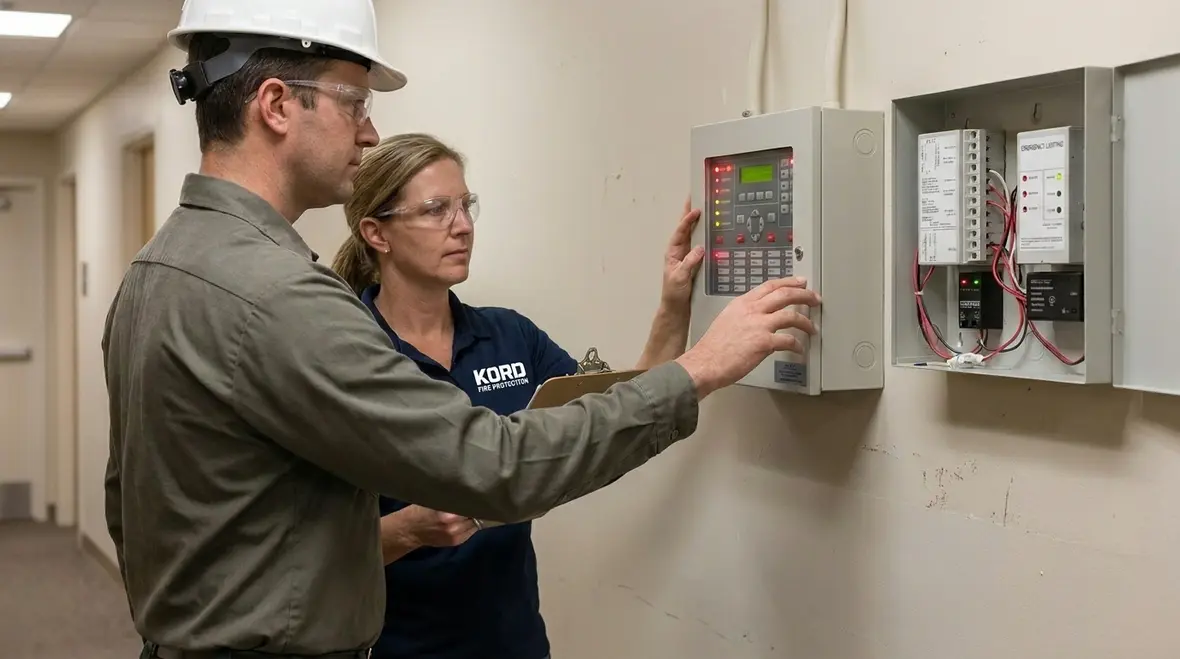
When fire protection specialists collaborate with power and facilities teams, the property gains a more complete picture of what happens during an outage. They can verify that the fire and emergency systems that must operate remain supported by the correct power paths, and that testing routines align with regulatory expectations and operational needs.
In other words, it is not enough to have a generator that runs. The critical systems must receive dependable power in the way they were designed to receive it. And if someone says, “It should be fine,” Kord Fire Protection helps teams replace that phrase with documented results, clear interfaces, and tested outcomes. That is the difference between “likely” and “proven.”
Facilities that also operate high value technology environments may benefit from related Kord guidance on data center fire prevention strategies for modern facilities, especially where emergency power reliability overlaps with detection, suppression, shutdown coordination, and continuous operations.
Regulatory expectations and operational risk in the commercial sector
Commercial properties face safety obligations that do not care about optimism. Evaluators consider how reliability practices support safe evacuation, emergency response continuity, and ongoing compliance. They also account for high risk moments, such as maintenance shutdowns, tenant fit outs, and seasonal load changes.
Because each site differs, reliability assessments should adapt to building type. Industrial facilities may carry motor loads that demand strong startup capacity. Retail centers may prioritize life safety and communications while still handling intermittent load surges. Across multiple facets of facilities management, the goal stays the same: ensure emergency systems respond correctly when normal power fails.
To reduce risk, teams document test results and corrective actions. Then they communicate findings to stakeholders, including site managers, engineering teams, and tenant representatives where needed. This keeps the property moving forward and prevents “silent drift,” where system settings or loads change over time without anyone updating the reliability plan.
Risk grows quietly when systems evolve
Commercial buildings rarely stand still. Tenants change equipment, facilities add controls, maintenance teams replace components, and expansions shift electrical demand in ways that look harmless on paper. Over time, these changes can weaken emergency performance without producing obvious warnings. That is why periodic reassessment matters. It catches the slow creep of misalignment before a real outage turns it into a headline in the maintenance meeting nobody wanted.
Reporting results that leadership can act on
Reliability evaluations must translate into business decisions. Therefore, reports should present risks in clear terms and link findings to impact. Leaders do not need a wiring diagram. They need confidence that life safety functions and critical operations will work during an event.
Strong reporting usually includes performance metrics, test outcomes, identified gaps, and a prioritized action plan. It also includes the expected timeline for remediation and the estimated effect on risk reduction. When reports show whether Emergency Power System Reliability holds under real load conditions, property owners can budget with less uncertainty and plan work without disrupting operations.
Example of how teams organize a dual view
Technical findings
Generator start behavior, transfer stability, voltage and frequency performance, run time results, control alarm logs.
Load acceptance under simulated tenant demand and sequencing performance during staged loads.
Business and safety impact
Whether fire and emergency systems stay powered during transfer events.
Operational downtime risk and response readiness during outages and maintenance activities.
FAQ
Conclusion and call to action
Commercial teams can strengthen Emergency Power System Reliability by testing real load behavior, confirming transfer performance, monitoring components, and reporting findings in a leadership friendly way. Then they should integrate the fire and emergency side so critical systems stay powered when it counts.
Kord Fire Protection can help make that connection practical and measurable. If the property is due for assessment or a reliability refresh, it is time to act now and avoid the “we thought it would work” moment later.

Join Our Newsletter!
Get the latest fire safety tips delivered straight to your inbox From our Newsletter.