Industrial Electrical Infrastructure Upgrades for Reliability
Quick answer: Strategic Industrial Electrical Infrastructure Upgrades help manufacturing sites run safer, faster, and with fewer unplanned stops. Teams modernize switchgear, drives, grounding, cabling, and controls while keeping compliance tight. Partnering with Kord Fire Protection also strengthens fire detection, protection, and shutdown coordination, so operations protect people and equipment.
When a manufacturing facility starts acting like a temperamental blender, leadership usually blames “bad luck.” Yet, more often, the real cause sits quietly in the electrical rooms: aging feeders, overloaded panels, outdated protection, weak grounding, or controls that lag behind reality. That is where Industrial Electrical Infrastructure Upgrades come in. These upgrades help a facility move from reactive maintenance to planned reliability. In this article, third person experts explore how manufacturing plants in Australia can plan upgrades that reduce downtime, support future growth, and align with safety expectations. Near the top of that planning conversation, many teams also evaluate reliable electrical services from Kord Electric to support upgrade execution with stronger coordination across site systems. And importantly, Kord Fire Protection can become a vital partner during these projects, because electricity and fire safety share one common goal: keeping the facility alive, not just running.
Assessing risk before the first conduit is pulled
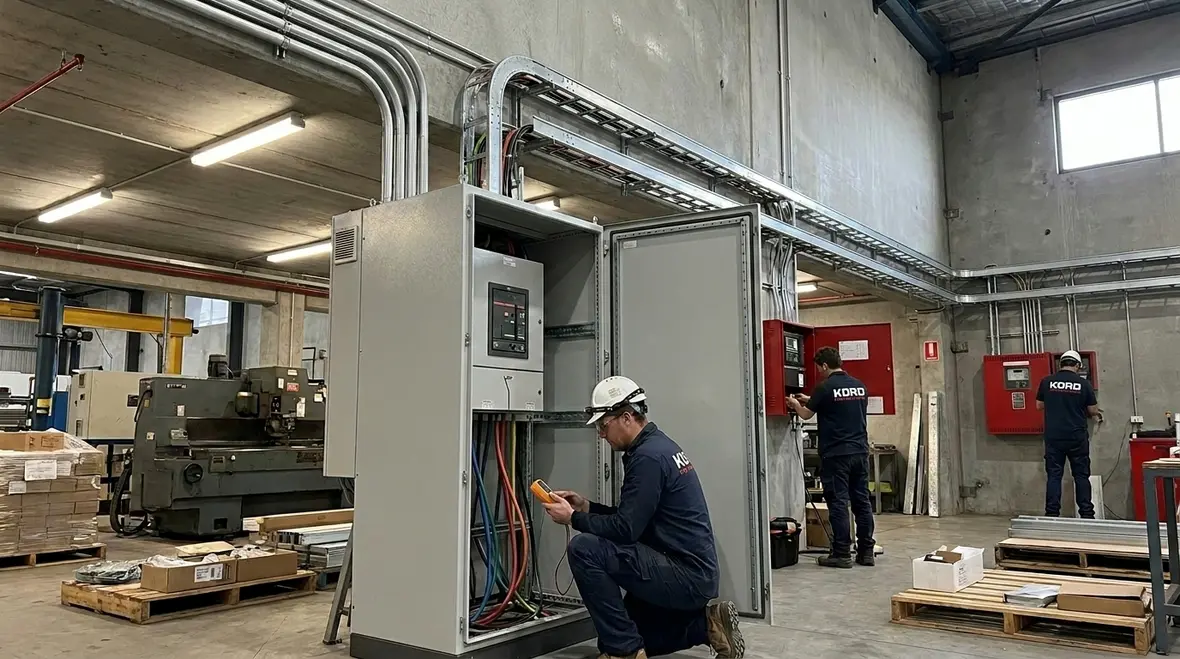
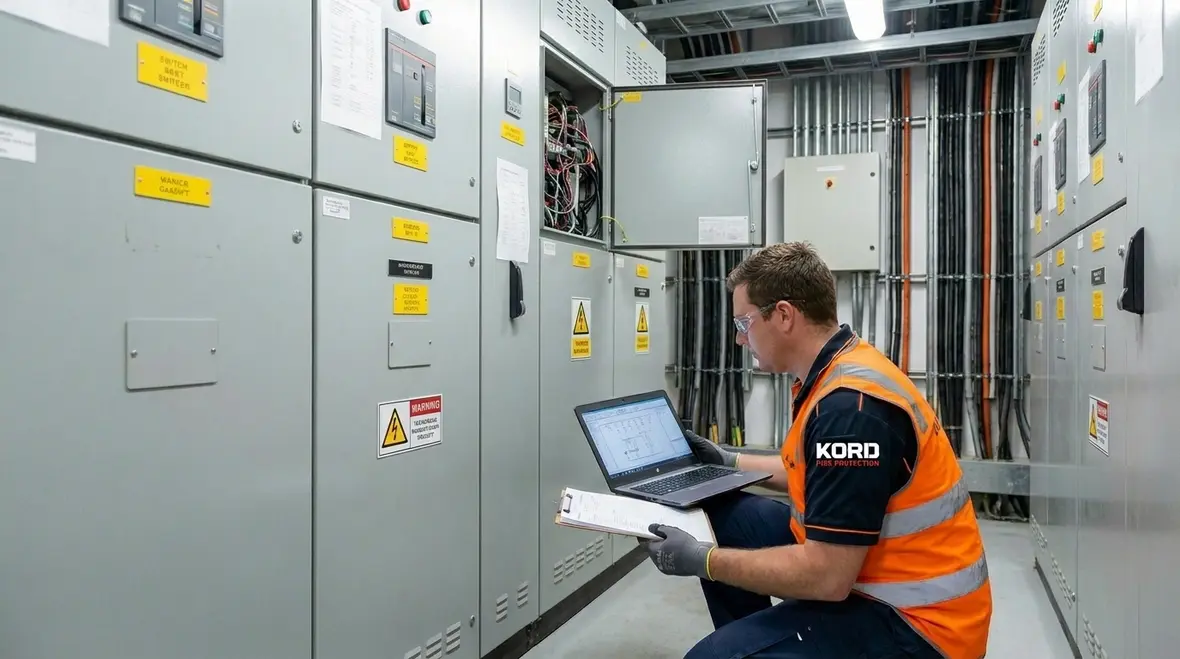
Facilities teams first gather the right facts, then they act. Because equipment failure rarely announces itself politely, an assessment should cover electrical health and operational risk in one pass. Technicians typically review single line diagrams, as built documentation, arc flash labels, panel schedules, load calculations, and historical faults. They also inspect cable age, insulation condition, termination quality, and signs of heat stress at bus bars and lugs.
Next, they translate that information into a priority plan. For example, a site may find that motor feeders feeding critical process lines rely on protective settings that no longer match the installed loads. Meanwhile, control power and communication circuits might not have the separation needed to prevent nuisance trips. In addition, grounding and bonding may have drifted over time, especially where new machines were added without a full systems review.
Then the facility ties the technical story to real business outcomes. If a packaging line goes down, production loses money quickly, so the upgrade plan should protect that line first. After all, nobody wants a “nice new cabinet” that trips at the worst possible moment. That is why the best programs treat reliability as a design requirement, not an afterthought.
How modern power distribution prevents unplanned downtime
Once the assessment points to the pressure points, Industrial Electrical Infrastructure Upgrades focus on building a distribution system that can handle current and future demand. This often includes replacing or refurbishing switchgear, upgrading main feeders, and installing properly rated breakers with updated time current curves. When protection matches the equipment and wiring installed, the site can clear faults quickly without broad shutdowns.
Facilities also improve efficiency and stability through motor control upgrades. Variable frequency drives reduce starting current and mechanical shock, which means fewer stress failures in motors, gearboxes, and belts. In addition, better harmonic management and power factor correction can reduce overheating and help protect sensitive controls.
Moreover, upgrade work should include labeling and documentation that stays accurate after commissioning. That sounds boring, yet it is the difference between “we fixed it” and “we can repeat the fix next year.” For Australian facilities across industrial, retail, and commercial operations, this matters because multiple contractors and expansions often add layers over time.
Distribution upgrades that support expansion instead of fighting it
The strongest upgrade plans do not stop at today’s amperage. They look ahead to tomorrow’s process loads, future equipment tie ins, and the all too familiar surprise of “we are adding one more production cell.” By sizing feeders carefully, leaving physical room in boards, and planning accessible routing paths, the facility avoids rebuilding what it just paid to improve. That is the kind of foresight that makes maintenance teams quietly happy, which is rare enough to deserve respect.
Controls, automation, and safety systems that actually coordinate
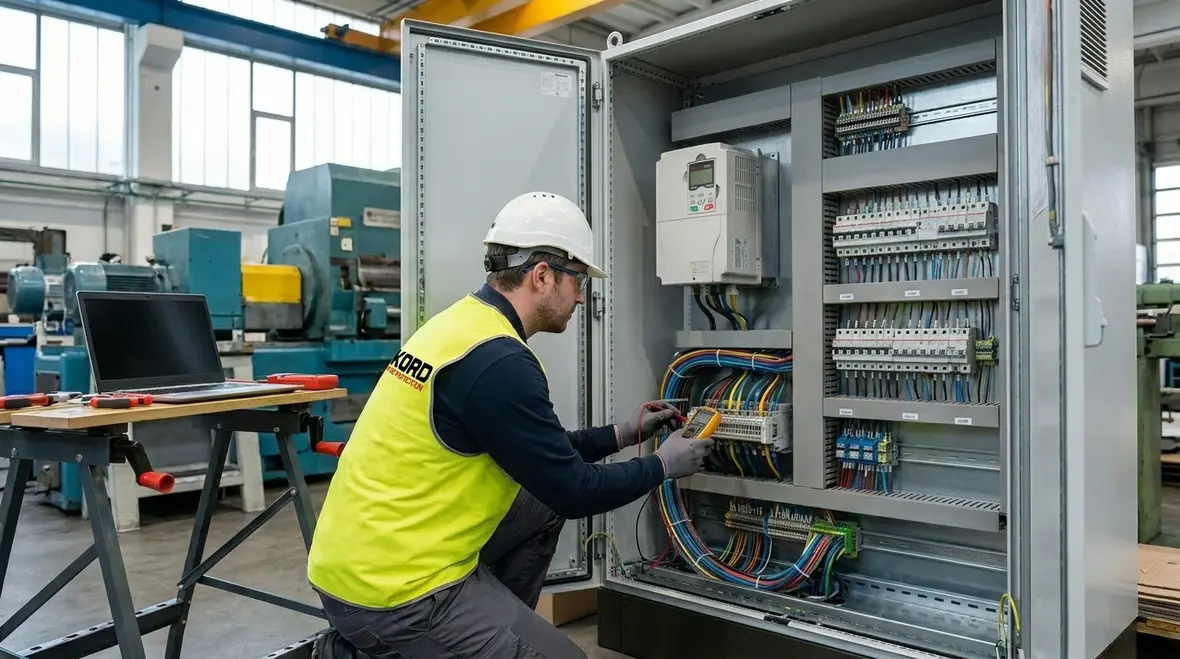
Electrical upgrades do not stop at power distribution. They extend into controls, instrumentation, and the way safety functions coordinate during abnormal conditions. For manufacturing plants, the facility must ensure that critical shutdown sequences work as intended. If a fire, fault, or emergency event occurs, electrical systems should respond predictably: essential circuits may need to remain powered for safe operation of egress and suppression, while non essential loads should drop to reduce risk.
Therefore, experts typically review emergency stop circuits, control voltage arrangements, contactor ratings, and interlocks between safety PLCs and field devices. They also confirm that control wiring separation practices protect signal integrity. Meanwhile, testing verifies correct behavior under simulated scenarios, not just during normal start ups.
And yes, sometimes a facility learns the hard way that “it worked last time” does not count as a strategy. So they run functional tests, verify permissives, and confirm that protective settings align with the site’s current arc flash and fault energy conditions.
Why coordination beats isolated upgrades
A site can spend serious money on new hardware and still miss the mark if controls, alarms, and shutdown logic behave like distant relatives at a reunion. Coordination brings those pieces together. Operators know what drops, what stays energized, and what sequence keeps people safe without creating a bigger mess. When that choreography is missing, even small incidents can turn the control room into a live performance of confusion and finger pointing.
Designing for compliance and future expansion across Australia
Strategic upgrading means designing for compliance, not just installation speed. Facilities should align electrical work with applicable Australian standards and local requirements, while also meeting client internal safety and audit expectations. The project approach often begins with a staged design so the facility keeps running while work happens in sections.
Then, planning supports growth. Manufacturing lines expand, forklifts get faster, new production cells appear, and the facility’s power demand climbs. Upgrading bus capacities, feeder routes, and available spaces in switchboards helps avoid expensive stop start rescopes later. In addition, experts ensure cable management supports heat dissipation, segregation of power and control wiring, and safe access for maintenance.
Because audits and insurer reviews look at documentation, the upgrade should include as built drawings, updated labeling, and commissioning records. This prevents that classic business casual moment where everyone nods during handover, but nobody knows which settings were changed. That is not a disaster, but it can become one when trouble strikes at 2 am.
Kord Fire Protection as a vital partner in electrical upgrade work
Electricity and fire safety share the same physics and the same urgency. As Industrial Electrical Infrastructure Upgrades move through switchrooms, cable routes, and control systems, Kord Fire Protection can become a vital partner to reduce risk and improve coordination. Fire protection does not just involve installing devices; it also involves ensuring that detection, suppression, and emergency actions integrate with the electrical environment.
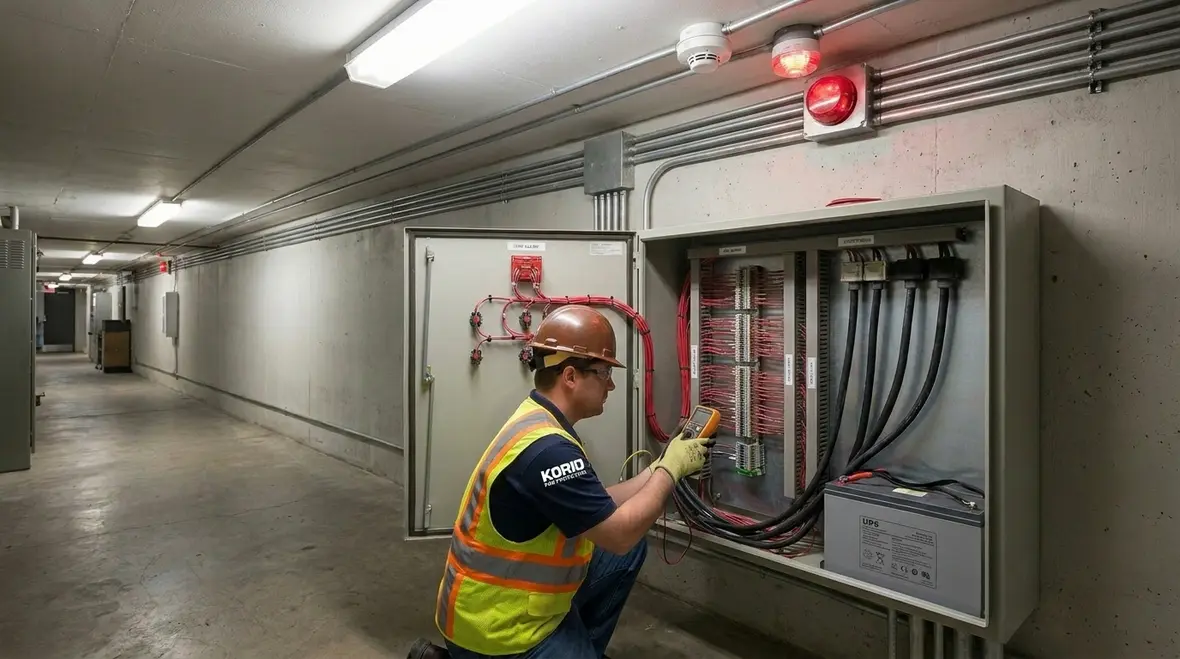
In practice, a coordinated approach helps with several outcomes. First, designers can verify that detection and alarm circuits remain reliable and properly separated from noisy power runs. Second, they can plan power supply arrangements for fire systems, including correct backup strategy where required. Third, they can coordinate shutdown and alarm logic so the site reaches a safe state without confusing occupants or operators.
Additionally, during commissioning, teams can test system behavior together. For example, if a fault condition triggers control actions, the fire system should still detect and respond correctly. Kord Fire Protection’s involvement supports that teamwork, turning electrical upgrades into a whole site safety upgrade instead of a set of disconnected tasks. For facilities protecting sensitive control rooms or technology dense spaces, related planning can also connect naturally with clean agent systems for data center fire protection where fast, residue free suppression matters.
And if someone says “fire protection is separate,” that person probably has not watched a control room during an actual event. When coordination exists, the facility acts with calm confidence instead of frantic guesses.
Commissioning, testing, and maintenance planning that keeps the wins
After installation, experts do not declare victory and walk away. Instead, commissioning verifies that protective devices, wiring, and controls operate as designed. This includes insulation testing, continuity checks, phase verification, functional tests of motor starters and drives, and verification of correct interlocks. It also includes confirming arc flash information and ensuring labels reflect real conditions.
Next, they establish maintenance plans that match the facility’s risk profile. Switchgear maintenance intervals, breaker testing, torque verification on terminations, and thermal inspections should align with operating conditions. Because a facility in a dusty production environment behaves differently than a cleaner site, the plan should reflect reality.
Meanwhile, the team sets up spares and training. If a drive fails, the operator should know the safe restart sequence and the conditions that must be checked before power returns. That reduces downtime, improves response quality, and keeps production moving without cutting corners.
Maintenance planning that does not rely on wishful thinking
A reliable facility does not survive on heroics alone. It needs repeatable inspections, realistic spare parts strategy, documented torque checks, and people who know which alarms matter and which ones are just noise. Training matters just as much as hardware. After all, a great system is still vulnerable if the first response to a trip is random button pressing and hopeful staring.
Two column view: what a smart upgrade plan includes
Electrical upgrade focus
Switchgear and feeder upgrades with updated protection
Motor control improvements including drives and interlocks
Grounding, bonding, and cable integrity verification
Documentation, labeling, and commissioning records
Safety coordination with Kord Fire Protection
Detection and alarm circuit reliability checks
Power supply and backup strategy alignment
Shutdown and alarm logic coordination
Joint testing during commissioning
FAQ: Industrial electrical upgrades and fire safety coordination
Conclusion
Strategic Industrial Electrical Infrastructure Upgrades help Australian facilities reduce failures, protect people, and support growth without constant stop start chaos. When the electrical team plans with testing, documentation, and maintenance in mind, the site gains true reliability.
Even better, Kord Fire Protection can act as a vital partner, coordinating fire detection and electrical shutdown behavior for safer outcomes. Contact the team today to plan your next upgrade with confidence.

Join Our Newsletter!
Get the latest fire safety tips delivered straight to your inbox From our Newsletter.