Can a Fire Pump Flood a Building?
How can fire pump malfunction cause flooding?
Fire pumps are critical components of modern fire protection systems, designed to provide consistent water flow during emergencies. However, many building owners and facility managers ask an important question: Can a fire pump flood a building? While fire pumps are intended to save property and lives, improper maintenance, system malfunctions, or installation issues can sometimes lead to unintended water damage. Understanding the potential risks and how to prevent them is essential for anyone responsible for fire safety. This article explores the scenarios where fire pumps might cause flooding, the signs to watch for, and preventive measures to protect buildings from water damage.
Understanding Fire Pumps
A fire pump is a mechanical device that increases water pressure within a fire protection system to ensure sprinklers and hoses operate effectively during emergencies. Fire pumps can be powered by electricity, diesel engines, or steam turbines, depending on the system’s design and building requirements. Properly maintained fire pumps are highly reliable, delivering water at the necessary pressure and volume when activated.
Fire pumps operate in tandem with other components such as valves, controllers, and water supply sources. A malfunction in any part of the system can compromise its efficiency. Regular testing and maintenance are essential to ensure the pump operates correctly, and that unexpected leaks or pressure surges do not cause flooding within the building.
How Fire Pumps Can Cause Flooding
Although rare, fire pumps can indeed flood a building under certain circumstances. Understanding these scenarios is critical for prevention:
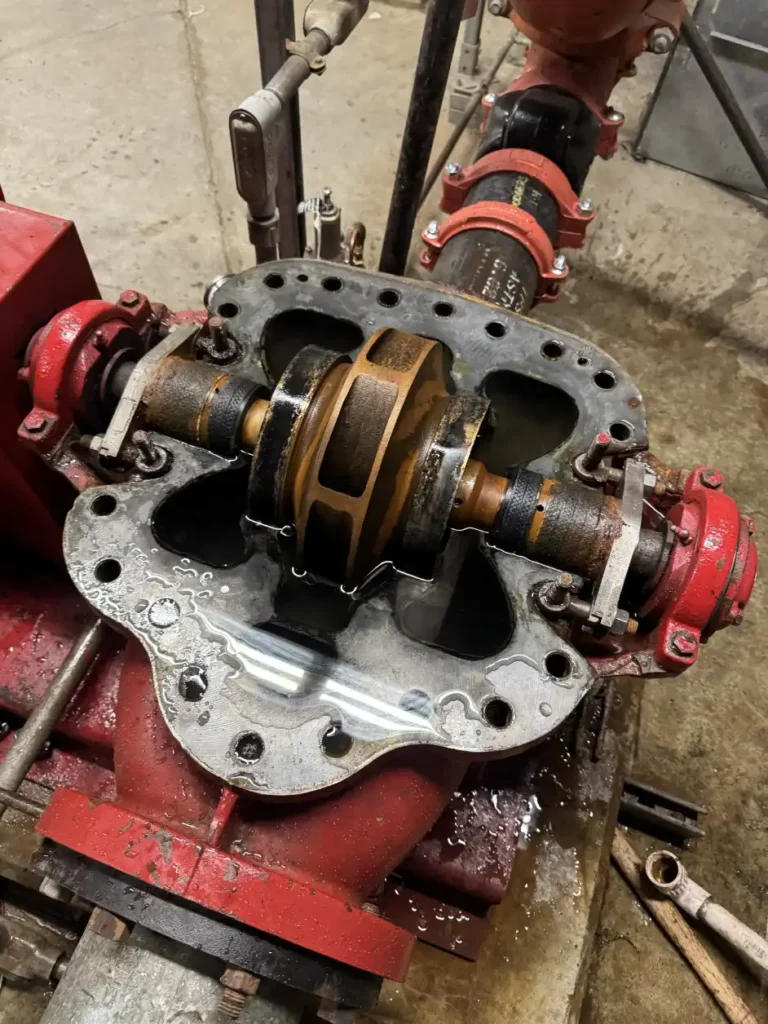
- Mechanical Failures: Wear and tear or component breakdowns in the pump itself can result in uncontrolled water flow, sometimes flooding areas near the pump or throughout the building.
- Valve Misoperations: Incorrectly positioned or failing valves can redirect water flow in unintended ways, creating pressure that leads to leaks or flooding.
- Pressure Surges: Fire pumps generate high water pressure, and if the system’s pressure relief or control mechanisms fail, the excess pressure can cause pipes to burst or sprinkler heads to activate unnecessarily.
- Pump Leaks: Over time, seals, gaskets, and connections may deteriorate, resulting in fire pump leak. Even a small leak can escalate into significant water damage if left unaddressed.
Each of these scenarios highlights the importance of monitoring and maintaining fire pumps to avoid fire pump flooding and other water-related risks.
Signs of Fire Pump Problems Leading to Water Damage
Recognizing early warning signs of fire pump issues can prevent extensive water damage. Facility managers should watch for the following indicators:
- Unusual Noises: Grinding, squealing, or banging sounds often suggest internal mechanical issues.
- Pressure Fluctuations: Inconsistent water pressure can indicate valve malfunctions or pump failure.
- Visible Leaks: Water pooling around pump rooms, piping, or sprinkler connections is a clear sign of a potential fire protection pump leak.
- Frequent System Alarms: Repeated alarms may indicate electrical or mechanical problems that, if unresolved, could lead to water discharge inside the building.
Timely detection of these signs allows for quick intervention, minimizing pump water damage and avoiding costly repairs.
Preventing Flood Damage from Fire Pumps
Preventing flooding caused by fire pumps involves several proactive measures:
- Routine Inspections and Maintenance: Regularly check pumps, valves, seals, and piping for wear or leaks. Schedule professional servicing to maintain optimal performance.
- Proper Installation and Pressure Testing: Ensure that fire pumps are installed according to manufacturer specifications and building codes. Conduct pressure tests to verify the system can handle maximum flow without failure.
- Correct Sizing: Selecting the right pump for the building’s water demand is essential. Oversized pumps can create unnecessary pressure, while undersized pumps may fail during emergencies.
- Automatic Shutoff Systems: Integrating alarms and automatic shutoff valves can help stop water flow in the event of a malfunction, preventing widespread flooding.
By implementing these preventive strategies, building managers can reduce the risk of fire pump failure leading to costly water damage.
A Case Study: Fire Pump Floods a Building
Several documented cases demonstrate how fire pumps, when not properly maintained, can cause significant flooding.
In one of our videos on linkedin, we showcase the consequence of a severe lack of maintenance on a building’s fire pump system. This one had not gone under a fire pump inspection nor maintenance for years.
The result?
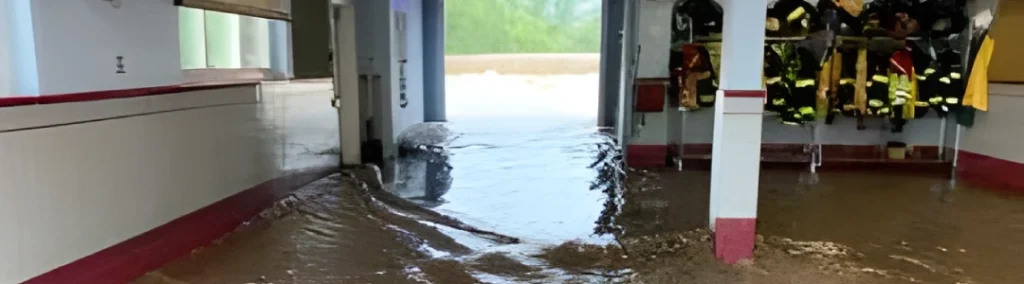
Severe flooding was the result, along with other hidden damage as well. From damaged floors, fried electrical equipment, HVAC units, and burst plumbing.
This building’s flood caused by the fire pump was so severe, you can most likely go and find Nemo in there.
FAQ
Protect Your Building with Expert Fire Pump Services
When it comes to safeguarding your property, Kord Fire Protection delivers top-tier fire safety solutions you can trust. With decades of experience serving Southern California, we specialize in maintaining and inspecting fire pumps, sprinkler systems, and comprehensive fire protection equipment. Our team ensures your building is not only compliant but fully prepared to prevent emergencies and minimize risks like flooding or water damage.

Protect Your Property
Get the latest fire safety tips delivered straight to your inbox.