Title 24 Compliance Guide for Facility Managers Steps
Quick Answer: Facility managers can meet California Title 24 requirements by building a clear compliance plan, coordinating inspections, and maintaining documentation that proves each system performs as required. With the right expertise, teams avoid delays, reduce rework, and keep safety and energy targets on track. Kord Fire Protection can support the process end to end.
When a facility manager hears “Title 24 Compliance Guide,” it can feel like being handed a 400 page rulebook and told to “just make it work.” That is why this article uses the Title 24 Compliance Guide in the introduction, then breaks the job down into practical steps. In the sections ahead, third person guidance will explain how facilities should plan early, verify designs, coordinate trades, and stay ready for inspections.
Facilities across Australia and beyond often run into the same friction points: unclear responsibilities, late equipment changes, and documentation that arrives after it should. Meanwhile, life safety systems and fire protection details do not care about anyone’s schedule. So, the best approach uses a steady process, clean records, and partners who actually show up with answers.
For teams that want one partner coordinating multiple life safety needs, full fire protection services can fit naturally into a broader compliance strategy, especially when inspection readiness, testing, and system handoffs all need to stay aligned.

Why facility managers should treat Title 24 as an operating system
Title 24 compliance does not behave like a one time event. Instead, it behaves like an operating system. It touches design choices, installation practices, commissioning steps, and ongoing maintenance. Therefore, facility teams that treat it as an afterthought end up paying for it twice: once in time, and again in rework. Nobody loves rework, not even the villain in a late season episode of a crime drama.
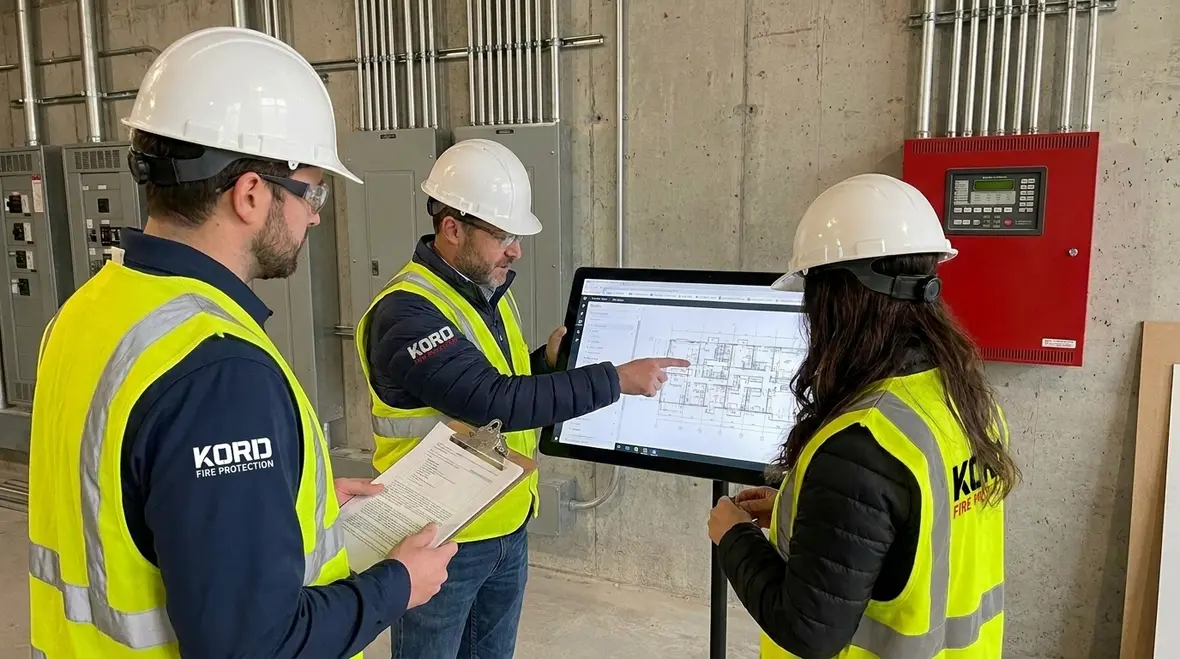
To navigate Title 24 smoothly, a facility manager should map the compliance workflow at the start of a project. After that, they should assign clear responsibilities to the right parties, such as architects, electrical contractors, controls teams, and fire protection specialists. In this setting, the Title 24 Compliance Guide becomes the shared reference point that prevents teams from drifting into “my version of compliant.”
At a practical level, the workflow usually includes design verification, equipment submittals, installation checks, system commissioning, and document control. Then, the facility manager keeps a maintained record set so the next inspection does not feel like a pop quiz with no study guide.
What this looks like in day to day facility operations
In real operations, this means compliance checkpoints should show up in project meetings, scope reviews, and closeout timelines instead of living in one lonely folder nobody opens until inspection week. When teams normalize that rhythm, the standard feels far less intimidating. It becomes part of how the building runs, not a side quest that appears at the worst possible time.
What facility teams must verify before construction starts
Before anyone installs anything, the facility manager should verify what the building must achieve. This means confirming which codes and standards apply, what the energy and building performance targets are, and what the project scope actually includes. Also, they should validate whether the work triggers changes that affect multiple systems.
Many teams lose time because they only check compliance at the design stage. Then, during installation, they discover a system detail that does not match the approved plan. To prevent that, the facility manager should require a compliance checklist that tracks updates through submittals and installation.
Common preconstruction verification items include:
- Document review of plans and specifications against the compliance requirements
- Verification of system interfaces, such as how life safety devices communicate with controls
- Confirmation that contractors understand the required testing and commissioning sequence
- Inspection readiness planning, including access to equipment and required labeling
Here is where a calm, business casual mindset helps. A project does not need chaos, it needs a system. And yes, spreadsheets are still allowed.
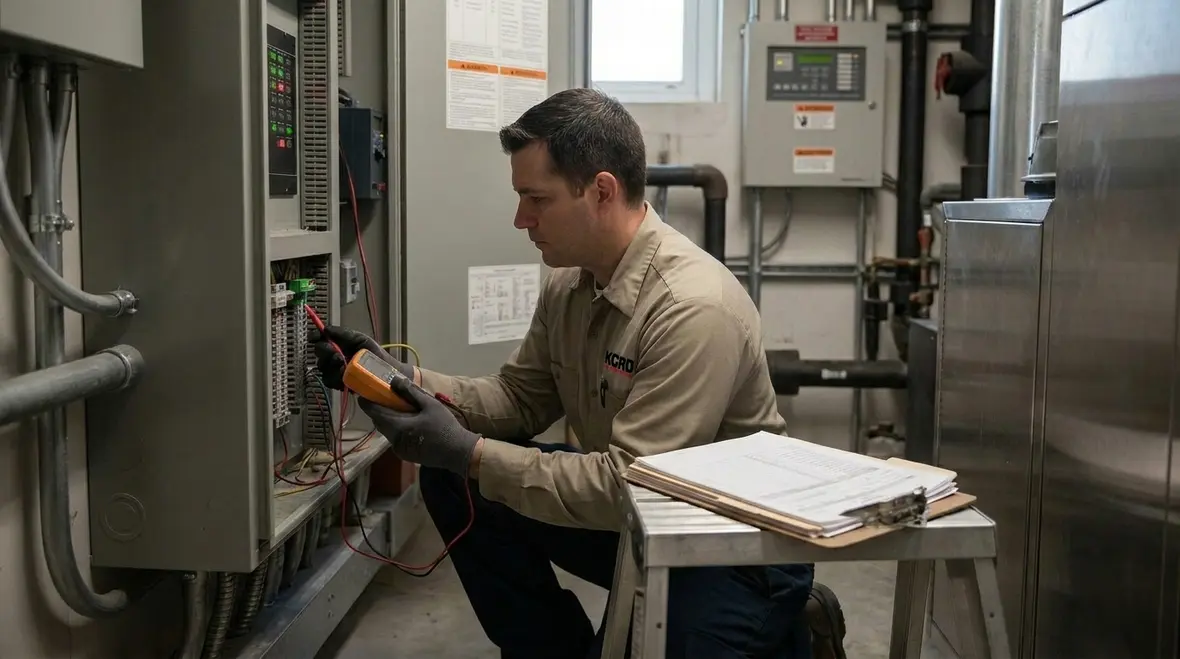
Preconstruction questions worth asking early
A smart facility manager also asks who owns each handoff, who signs off on submittal changes, and how field revisions get communicated before they become expensive surprises. These questions sound simple, but they save projects from the classic scenario where five people assumed someone else had it covered. That scenario has never once improved morale.
How commissioning and documentation keep inspections from turning into drama
Commissioning and documentation form the backbone of a clean compliance outcome. Even when installations look correct, inspectors typically want proof: test results, commissioning reports, and recorded performance. Therefore, facility managers should treat documentation as a deliverable with due dates, not as a “someone will upload it later” task.
During commissioning, teams should verify that systems operate as intended under real conditions. That includes functional tests, calibration checks, and verification that safety and control sequences run correctly. Next, they store records in a structured format so the right document is easy to find.
Facility managers also reduce risk by standardizing how they name files and organize folders. When a team handles multiple sites across different regions, this saves hours. Otherwise, someone ends up searching for a file titled “final_final_v3.”
Strong documentation practices include:
- Centralized project folders with consistent naming conventions
- Version control for plans, submittals, and test reports
- Document review sign off before work moves to closeout
- Maintenance documentation handed over in usable formats
This is also where interlinked guidance helps. Teams dealing with higher risk technical environments may benefit from Kord Fire Protection’s data center fire protection and NFPA 75 guide, especially when documentation discipline and coordinated testing matter just as much as the hardware itself.
Where fire protection fits into Title 24 planning
Fire protection often gets treated as a separate lane, but real projects show a different truth. Fire protection systems interact with building operations, life safety requirements, and electrical and controls work. Also, the way a system gets installed, tested, and labeled affects whether it passes inspection and performs during emergencies.
Facility managers should therefore coordinate fire protection planning early, especially during design finalization and preconstruction meetings. When fire protection arrives late, the project schedule tends to bend. And schedules rarely bend in the direction you want. To prevent that, the facility manager should ensure that life safety scope is included in compliance planning and commissioning sequencing.
This is exactly where kord fire protection can become a vital partner. They help facility teams align fire protection installation details with the broader compliance workflow. Instead of “we will figure it out at the last minute,” the partnership supports proactive verification, organized testing coordination, and closeout support that fits the real pace of facilities.
In practical terms, Kord Fire Protection can support teams by helping them avoid mismatches between design intent and field installation. As a result, facility managers spend less time chasing corrections and more time keeping operations stable.

Why early coordination saves more than just time
Early coordination protects more than the schedule. It protects trust between trades, keeps procurement from drifting off course, and gives inspectors fewer reasons to raise questions late in the game. When teams know what success looks like before installation starts, the project has a much better chance of ending with clean closeout documents instead of a frantic scavenger hunt.
Building a compliance workflow that teams can actually follow
Even the best compliance theory fails if the team cannot follow it. So, facility managers should build a workflow that matches how work truly happens on site. That means clear milestones, defined handoffs, and short feedback loops.
A strong workflow often uses four phases. First, the team defines compliance requirements and confirms the scope. Second, they manage design reviews and submittals with specific acceptance criteria. Third, they coordinate installation checks and commissioning. Fourth, they lock documentation and closeout so future maintenance stays aligned.
To keep it simple, facility managers can set a cadence such as weekly coordination, midweek issue review, and end of phase sign offs. Then, they track open items with ownership and due dates. When that system exists, the project feels less like a mystery and more like a process.
A quick example of how teams prevent surprises:
- They require early mockups or sample installations for critical fire and life safety components
- They verify labeling and access clearances before walls close
- They confirm test procedures and who provides test equipment
- They set a closeout deadline for documents, then enforce it calmly
Because yes, the compliance universe rewards the prepared and punishes the “we will deal with it later” crowd. That crowd always looks shocked. Like they just discovered the final boss has health.
Common compliance mistakes in commercial and industrial environments
Commercial, industrial, and retail facilities face unique challenges, such as occupied spaces, complex tenant scopes, and multiple contractors working in parallel. Those realities increase the risk of missed details. Therefore, facility managers should watch for recurring mistakes that derail Title 24 compliance efforts.
Some of the most frequent issues include:
- Late design changes that invalidate earlier submittals and test plans
- Gaps in responsibility between trades, especially during handoffs
- Testing performed without the expected procedures or recorded results
- Incomplete closeout packages that force repeated site visits
- Maintenance documentation that arrives too late to guide operations
Facility managers can prevent many of these problems by maintaining tight coordination and insisting on clear acceptance criteria. Also, they should align fire protection activities with overall commissioning to avoid schedule collisions. When Kord Fire Protection joins early, it helps remove friction by supporting consistent execution and organized documentation expectations.
FAQ for Title 24 Compliance Guide
Next step: build a compliance partnership that protects the schedule
Title 24 compliance stays manageable when facility teams run it like a process, not a scramble. They should plan early, coordinate fire protection with commissioning, and lock documentation before closeout. The teams that win are usually not the loudest. They are the ones with a checklist, a schedule, and a healthy suspicion of last minute surprises.
Then, when time matters, kord fire protection can become a vital partner that helps the job move forward with fewer surprises. Reach out to align scope and start building your compliance workflow today.


Join Our Newsletter!
Get the latest fire safety tips delivered straight to your inbox From our Newsletter.