Critical Infrastructure Power Continuity in Australia
Quick Answer: Critical Infrastructure Power Continuity protects mission critical operations when the grid, fuel, or distribution system falters. It combines risk planning, resilient electrical design, tested backup power, and fast changeover. With the right fire protection partner, facilities also reduce fire related downtime and protect both people and assets.
Ensuring Power Continuity in Critical Infrastructure Facilities is not a “nice to have” in Australia. In many industrial, retail, and commercial sites, one outage can cascade into missed supply windows, failed processing, stalled refrigeration, or security systems going dark. That is where Critical Infrastructure Power Continuity becomes a disciplined approach, not a slogan.
And yes, power failures have a talent for choosing the exact moment nobody is paying attention. So this guide explains how facilities build continuity, keep systems stable, and reduce outage risk. It also shows how Kord Fire Protection can become a vital partner, because fire events often trigger electrical chaos that standard backup plans were never designed to survive.
For facilities looking to tighten readiness near the top of the plan, Kord’s full fire protection services fit naturally into broader continuity planning by helping teams align inspections, life safety systems, and emergency response expectations with the realities of a live site. And if you want a closely related read, Kord also breaks down backup power for fire protection redundancy and testing in a way that complements this topic nicely. ([kordfire.com](https://kordfire.com/full-fire-protection-services/?utm_source=openai))
Why power continuity fails when people assume “backup” is enough
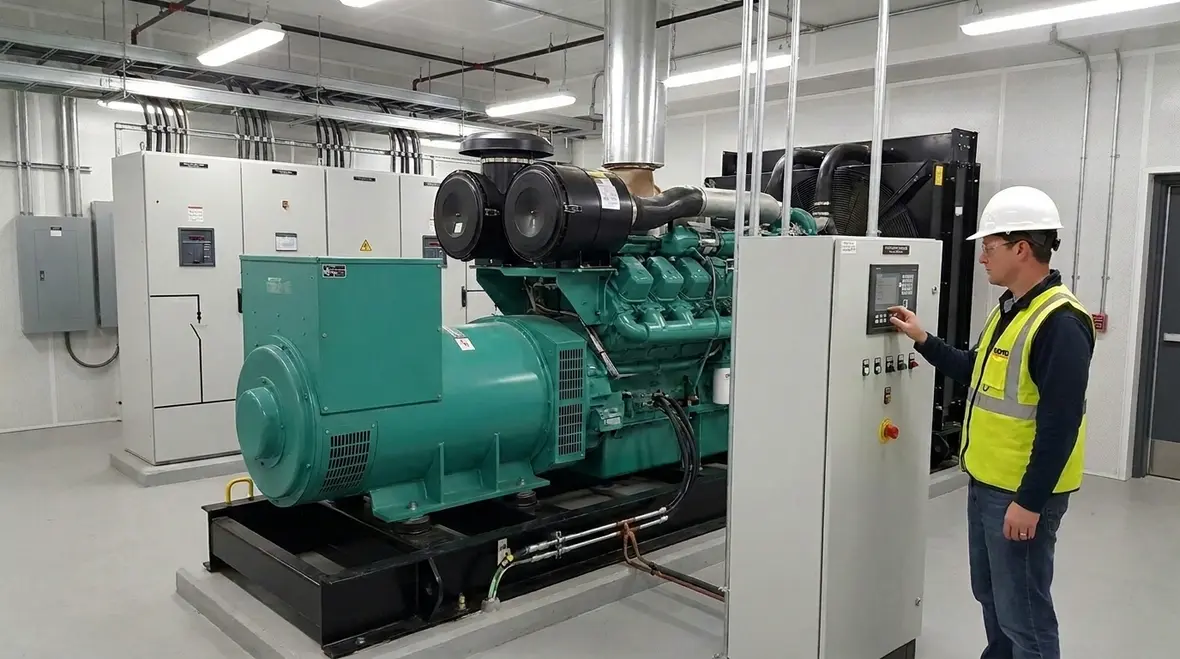
Many facilities think the work ends when a generator is installed. However, power continuity breaks down in real life because of gaps in planning and integration. For example, a generator might start slowly, controls might reset, loads might shed incorrectly, or critical circuits may not be correctly mapped.
Meanwhile, infrastructure facilities often include mixed load types. Switchgear feeds lighting, data racks, HVAC, pumps, controls, and sometimes industrial process equipment. Each one responds differently to voltage dips and transfer events. Therefore, the facility must plan how power transitions during disturbances, not just how power exists during the calm moments.
To make progress, teams should treat continuity like a system. That means reviewing design documents, testing sequences, and validating that protection devices coordinate properly. Because when protection miscoordinates, the result is not dramatic lighting, it is downtime.
Design resilience: build the path for electricity before the outage
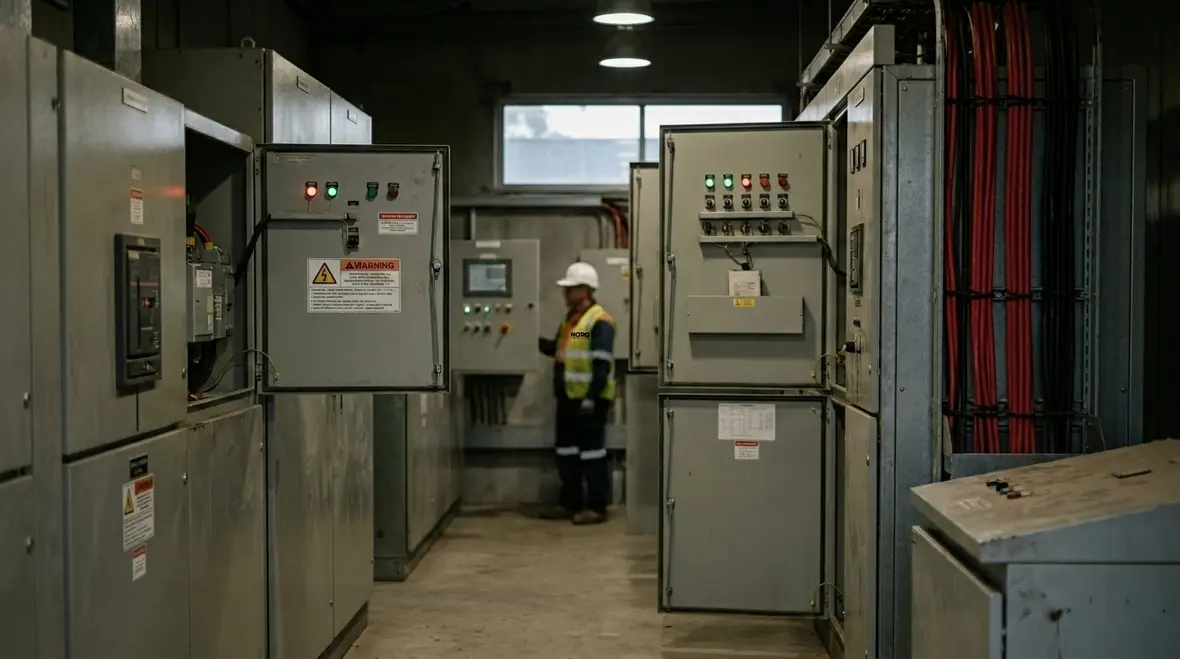
Real resilience starts with electrical design choices that support Critical Infrastructure Power Continuity under stress. Facilities commonly use layered protection so that a single failure does not wipe out the whole site.
- Multiple feeds or diverse utility sources reduce the chance that one grid fault disables everything.
- Selective coordination helps ensure faults isolate only the impacted section, rather than tripping upstream equipment.
- Segregation of critical and non critical loads prevents the backup system from drowning under unnecessary demand.
- Proper grounding and bonding improves equipment stability and reduces nuisance trip events.
- Smart load management can stage loads so the system ramps without collapse.
Furthermore, facilities should map critical loads using real operating data. If a site runs peak processes at certain times, continuity planning must match those patterns. Otherwise, the backup system becomes a spreadsheet promise rather than an operational capability.
At this stage, teams should also confirm that changeover logic works with the electrical architecture. Automatic transfer switches, monitoring relays, and emergency power panels must coordinate. If they do not, the perfect backup plan turns into a delayed start and a confused control system.
A resilient design is more than a line item
This is usually the point where continuity stops sounding like a hardware purchase and starts sounding like grown up systems thinking. Good. That means the conversation is getting useful. A facility that understands its loads, transfer paths, and failure points is already miles ahead of the site that points vaguely at a generator and calls it strategy.
How testing and commissioning keep continuity from becoming fantasy
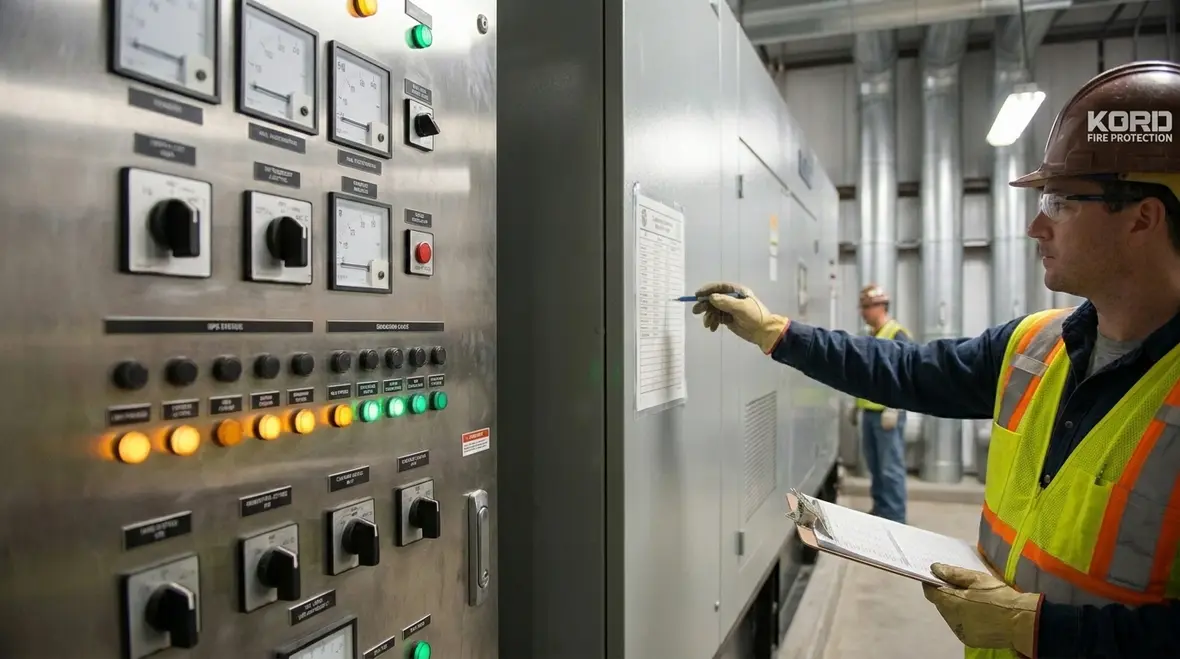
Equipment does not fail only when it feels dramatic. It fails when it sits unused, when controls age, and when maintenance schedules miss the real story. That is why testing and commissioning matter so much for Critical Infrastructure Power Continuity.
Facilities in Australia often face harsh conditions. Heat, dust, and humidity can affect controls and power electronics. In addition, generator sets depend on fuel quality, battery health, and transfer switch reliability. Therefore, a continuity program should include both scheduled and event driven testing.
- Functional tests verify transfer logic and the sequence of connected loads.
- Load bank testing validates generator performance under realistic demand.
- Battery and UPS checks confirm voltage stability during micro outages and transfer events.
- Protection relay reviews reduce the risk of incorrect isolation during faults.
- Post test documentation captures results and updates operating procedures.
And if someone says, “It passed last year,” that does not mean it will pass next week. Power systems drift over time. So teams should track trends, not just outcomes. That way, they catch issues early and avoid turning the next outage into an unscripted live demo.
Commissioning is where confidence gets earned
Commissioning is the part nobody should rush and everybody remembers too late. It is where teams prove that settings, sequence, supervision, and human expectations all match reality. That matters because continuity is rarely defeated by one spectacular failure. More often, it gets chipped apart by a dozen small assumptions that looked harmless during planning and become painfully creative during an outage.
Fuel, runtime, and monitoring: the quiet pieces that decide everything
Even the best electrical design cannot help if fuel runs out, coolant systems fail, or controls lose visibility. Runtime planning often gets the least attention because it is not glamorous. Yet it controls how long a facility can hold critical operations during an outage.
For continuity, facilities should evaluate generator fuel strategy, including bulk storage, delivery arrangements, and realistic consumption rates under load. They should also verify that monitoring systems report health indicators, such as battery charger status, generator alarms, and transfer switch position.
- Runtime modeling estimates how long loads can stay online at expected demand levels.
- Alarms and remote monitoring shorten response time and reduce guesswork.
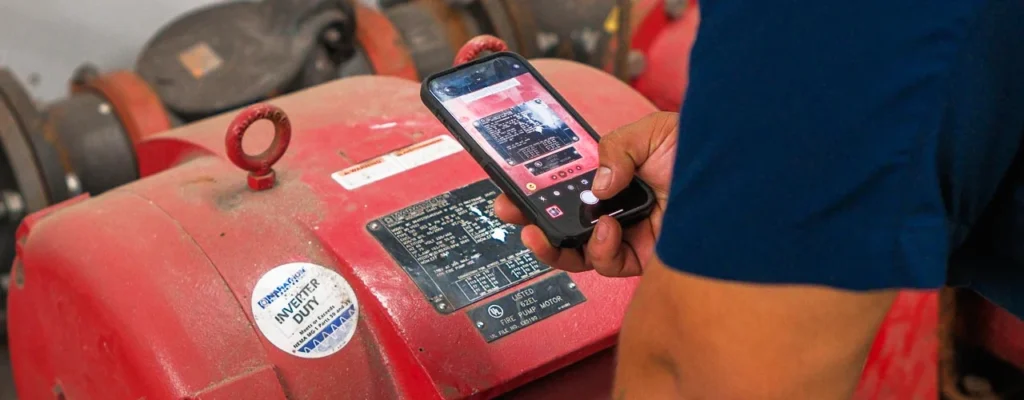
- Preventive maintenance protects key components like starter batteries, AVR systems, and cooling systems.
- Load shedding strategy preserves critical functions even when demand spikes.
In many commercial and retail environments, continuity must also respect customer operations and safety requirements. Therefore, the facility should coordinate with operations teams to define what stays powered and what transitions safely. Nobody wants a power plan that treats humans like disposable inventory. Continuity must work for people, not just equipment.
Where fire protection changes the game for continuity
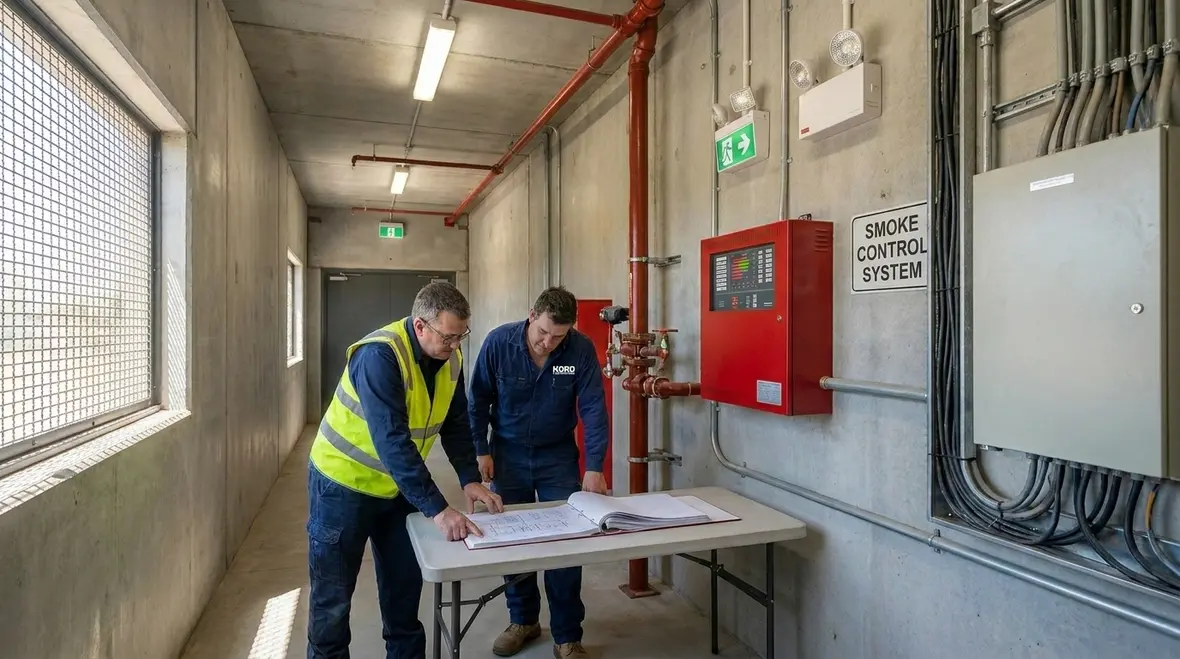
Fire events can create electrical hazards fast. Sprinklers discharge, pumps activate, panels signal alarms, and smoke control fans may run. In addition, emergency lighting and exit systems must remain reliable, and smoke spread can affect sensor performance. So even when the facility has backup power, fire conditions can stress the same systems that continuity relies on.
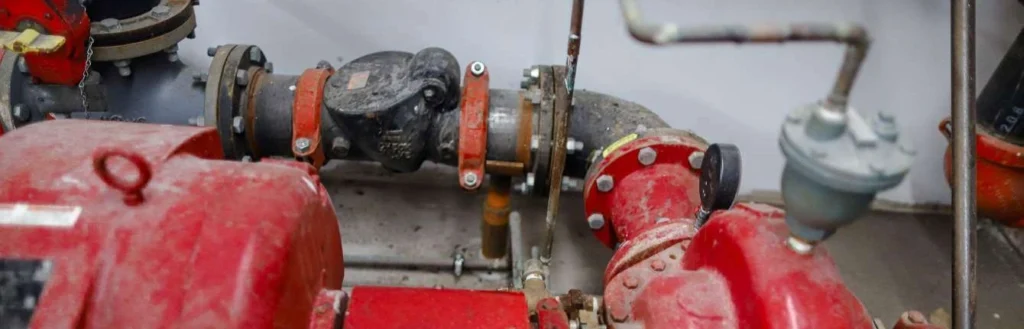
This is where Kord Fire Protection can become a vital partner. Fire protection teams do not just install and leave. They help integrate detection, alarm, and suppression systems into the facility’s operational reality. That means continuity planning should consider fire system power and control interfaces. Kord’s recent articles on centralizing automatic fire protection controls in Australia and fire alarm system power redundancy for outages are especially relevant for teams trying to connect continuity planning with dependable life safety performance. ([kordfire.com](https://kordfire.com/centralizing-automatic-fire-protection-controls-in-australia/?utm_source=openai))
- Backup power requirements for fire systems and critical signaling
- Power isolation and coordination so faults do not silence key alarms
- Inspection and testing discipline that keeps detection reliable during long intervals
- Clear documentation for emergency response teams
Now, here is the business casual truth: when fire protection aligns with electrical continuity, the facility avoids the “it worked during the test” trap. It also reduces downtime that happens because a fire system fault triggers broader shutdowns. Kord Fire Protection can support a continuity culture by ensuring fire systems function as intended, even during power disturbances. Kord’s Australia focused fire protection guidance also emphasizes ongoing maintenance, operational readiness, and integrating service support early instead of waiting for expensive surprises. ([kordfire.com](https://kordfire.com/australia-fire-protection-for-compliance-and-readiness/?utm_source=openai))
Continuity planning should include the systems that save the day
It sounds obvious, yet it gets missed all the time: life safety systems are not side characters. During an emergency, they are the plot. If they are underpowered, poorly supervised, or separated from the broader operating plan, the facility ends up fighting two problems at once. One is the original incident. The other is the preventable confusion caused by systems that were never coordinated properly in the first place.
Operational playbooks: make continuity real during the outage
Power continuity is not complete until the facility can respond quickly, safely, and consistently. That is why operational playbooks must exist before the emergency. These documents should tell staff what to do, who authorizes load changes, and how to verify that critical systems stayed powered.
Effective playbooks cover:
- Roles and responsibilities for operations, maintenance, and safety managers
- Verification steps that confirm transfer completed and critical loads are running
- Communication routines for stakeholders across industrial, retail, and facility teams
- Restart procedures after grid power returns, to avoid sudden inrush issues
- Fire incident coordination so responders understand how power and fire systems interact
And yes, sometimes the best plan includes a little humor. If a generator alarm screams RUN at 2 a.m., the playbook should already tell the team how to interpret it. The goal is calm action, not a group chat panic spiral.
FAQ
Conclusion: act now to protect operations and safety
Power continuity succeeds when a facility treats it as a connected system, not a single device. It plans load changes, verifies performance through testing, monitors health, and coordinates fire protection so a crisis does not trigger a second crisis. The strongest sites are usually the ones that stop separating operations, maintenance, and safety into neat little boxes and start making them collaborate before the lights flicker.
To strengthen continuity across your Australian sites, start with a structured review and integration plan, then partner with specialists like Kord Fire Protection to align fire and power reliability. Schedule an assessment today through Kord’s full fire protection services page and continue exploring related Australia focused guidance to build a smarter, steadier continuity program. ([kordfire.com](https://kordfire.com/full-fire-protection-services/?utm_source=openai))

Join Our Newsletter!
Get the latest fire safety tips delivered straight to your inbox From our Newsletter.