Centralizing Automatic Fire Protection Controls in Australia
Quick Answer: Centralizing automatic fire protection controls helps industrial, retail, and commercial sites respond faster, reduce nuisance alarms, and keep inspections simple. It also improves system reliability by coordinating panels, detection, and suppression actions. With Kord Fire Protection as a partner, organizations in Australia can plan, integrate, and maintain these controls with confidence.
When teams centralize automatic fire protection controls, they stop treating fire safety like a collection of separate devices and start managing it like one dependable system. In the introduction alone, it is clear that centralized control supports faster decisions, clearer reporting, and steadier performance across a facility. However, that is only the beginning. The real value shows up when the building, the people, and the fire response workflow all work together. And yes, it is way more reassuring than discovering a panel that “mysteriously” has a trouble condition at shift change, like it planned the timing.
For organizations thinking beyond isolated equipment fixes, Kord Fire Protection also offers full fire protection services that fit naturally with centralized control planning, integration, and long-term support.
Why centralized controls matter for modern Australian facilities
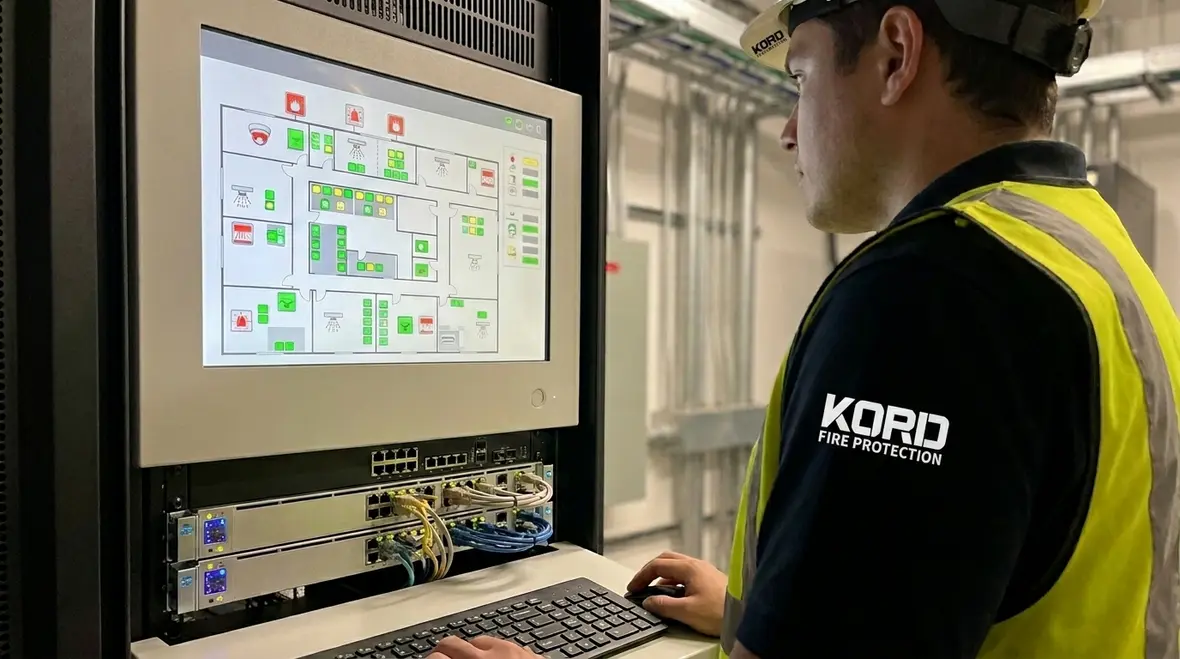
In industrial, retail, and commercial environments across Australia, buildings run on tight schedules and strict uptime requirements. Therefore, fire safety must be consistent, measurable, and easy to manage. Centralization creates a single view of system status, alarm states, and device health. Instead of chasing logs across multiple locations, site leaders can review one coordinated dashboard and act faster when something changes.
Moreover, centralized automatic fire protection controls reduce the gap between detection and response. When sensors detect heat, smoke, or other conditions, the control system can route actions precisely. This can include alarm initiation, fan control where applicable, door release logic, and suppression triggers based on approved programming. As a result, response becomes more predictable, and teams spend less time guessing.
One coordinated view beats scattered clues
That single coordinated view matters because fast interpretation is often half the battle. If a facility manager, security team, and maintenance crew all see the same status information, they can respond with fewer crossed wires and fewer calls that begin with “Wait, which panel are you looking at?” Centralized controls help keep everyone aligned on the same event, the same zone, and the same next step.
How system reliability improves when controls are unified
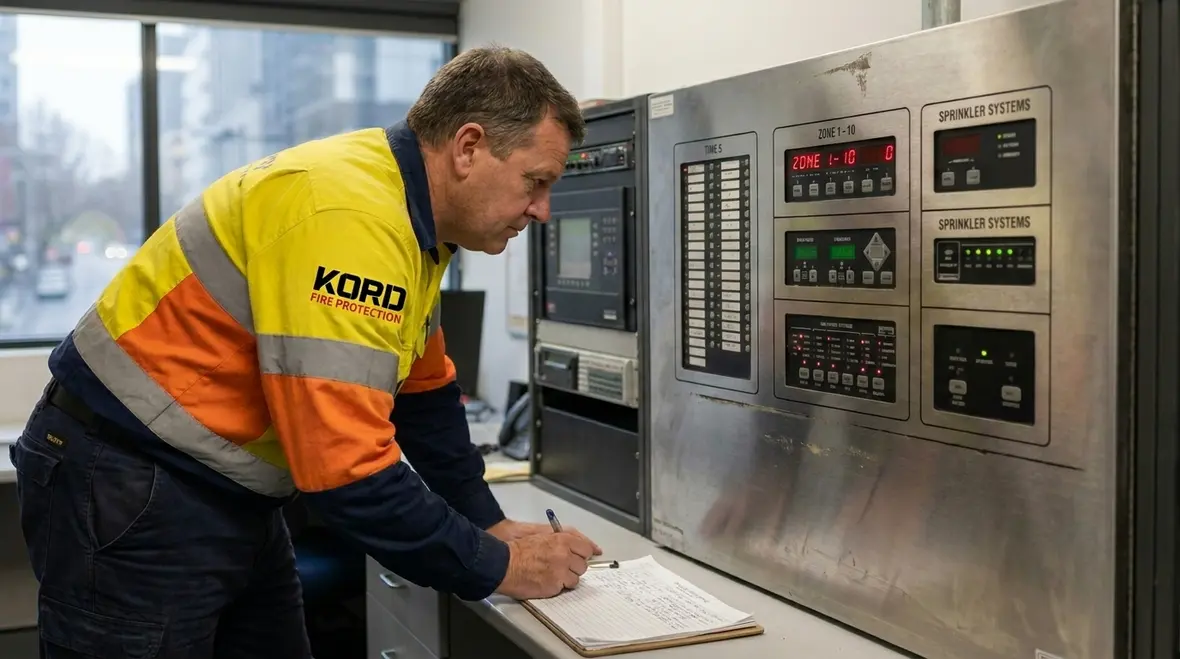
Reliability is not luck. It comes from disciplined design, wiring standards, and ongoing verification. Centralized controls support reliability in several practical ways. First, they help teams standardize monitoring and alarms across zones, so maintenance staff can identify fault patterns sooner. Second, they allow better supervision of devices like detectors, call points, and control modules, which means fewer “unknown” issues lurk until an audit or emergency.
Third, centralized logic supports consistent testing. For example, when facilities run routine inspections, they can verify response steps in a structured way. Additionally, built in event logging creates a clear record of device behavior over time, which helps spot trend issues such as drift in sensors or intermittent wiring faults. And of course, it makes reporting easier, which is a relief for anyone who has stared at a spreadsheet thinking, “This is how joy goes to die.”
Reliability grows when maintenance becomes easier to prove
A unified control approach also makes reliability less theoretical and more visible. Teams can compare event histories, test results, and service records without piecing together separate stories from separate systems. That is a major advantage when managers want to confirm whether a recurring fault is random, environmental, or a sign that a component is beginning to fail. It also fits neatly with Kord Fire Protection’s article on fire alarm system reliability and battery health, which reinforces how stronger oversight supports stronger performance.
What centralized fire control looks like in real day to day operations
In the field, teams typically want more than a panel that lights up. They want control that fits how people work. Centralization usually involves grouping detection and control functions into logical building zones, then routing alarm and action outputs through approved control pathways. After that, operational roles become clearer. Security can monitor system states. Facilities teams can review logs and run tests. Incident controllers can follow consistent triggers.
Furthermore, central controls can reduce response delays. When an alarm activates, staff benefit from immediate location context and system status details. Instead of sprinting blind through corridors, they can confirm which zone initiated the event, what the system detected, and whether any interlocks triggered. Transition planning matters too, because shift handover becomes smoother when the system records what changed and when.
Clearer roles create calmer responses
This is where centralized control starts to feel less like a hardware decision and more like an operational upgrade. The system supports people doing their jobs without unnecessary confusion. Security is not guessing. Maintenance is not chasing mystery conditions. Supervisors are not left with a pile of vague notes and one person insisting, very confidently, that the panel “looked weird earlier.” Clarity is not flashy, but in a real incident it is priceless.
Where integration becomes critical: detection, suppression, and building interfaces
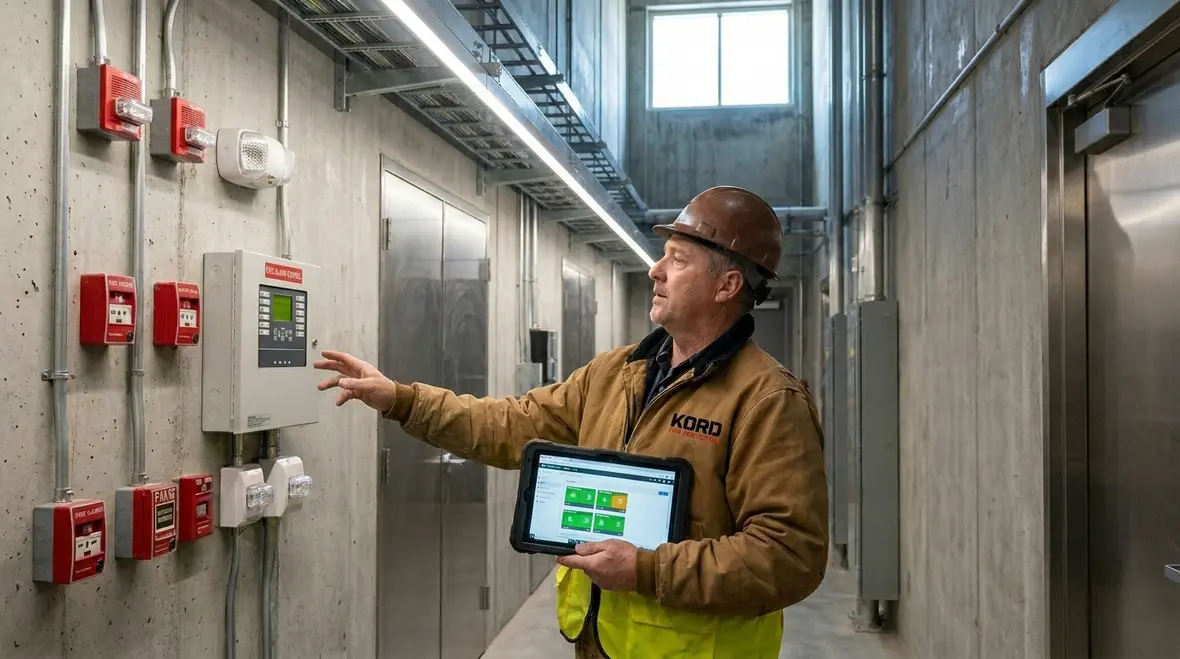
Fire protection does not live in isolation. It shares the stage with other building systems and safety requirements. Therefore, centralization works best when it connects detection, suppression, and building interfaces correctly and safely. For many sites, that includes linking control actions with ventilation controls, door hold devices, lift recall where allowed, and emergency communication workflows.
Yet integration needs careful boundaries. Teams must avoid unsafe shortcuts and ensure each interface follows relevant standards and approvals. When wiring and logic are handled correctly, the system can coordinate responses without creating conflicting signals. In contrast, poorly integrated logic often creates nuisance alarms or confusing events that slow down decision making. In other words, you do not want your fire system acting like a pop quiz nobody studied for.
Integration should be coordinated, not improvised
The handoff between systems matters just as much as the systems themselves. If detection, emergency lighting, suppression actions, and building interfaces are not coordinated, response quality drops fast. That is why related planning topics like coordinating emergency lighting and fire safety controls deserve attention during early design discussions instead of being left until the awkward stage where everyone realizes the wiring diagram is now a personality test.
Why Kord Fire Protection is a vital partner for centralized control projects
Centralizing controls is a project, not just a swap of equipment. It involves assessment, design coordination, panel programming decisions, commissioning, and a maintenance strategy that keeps the system dependable. Kord Fire Protection can become a vital partner because it supports the full lifecycle, from early planning to ongoing upkeep. This approach matters for multi site facilities and complex layouts, where zoning, access, and operational constraints can quickly turn a “simple upgrade” into a longer story.
Also, Kord Fire Protection helps organizations in Australia align technical work with operational reality. They support integration planning, verify that actions match the intended safety outcomes, and help teams establish routines for inspections and test schedules. Consequently, the centralized system stays reliable during normal operations and performs under pressure when it matters most.
Finally, a strong partner reduces downtime. Instead of stopping work for endless troubleshooting, Kord Fire Protection can help coordinate commissioning steps and documentation so teams can move forward with fewer surprises. Nobody wants surprises. The only acceptable surprise during a fire safety project is a well executed punchline.
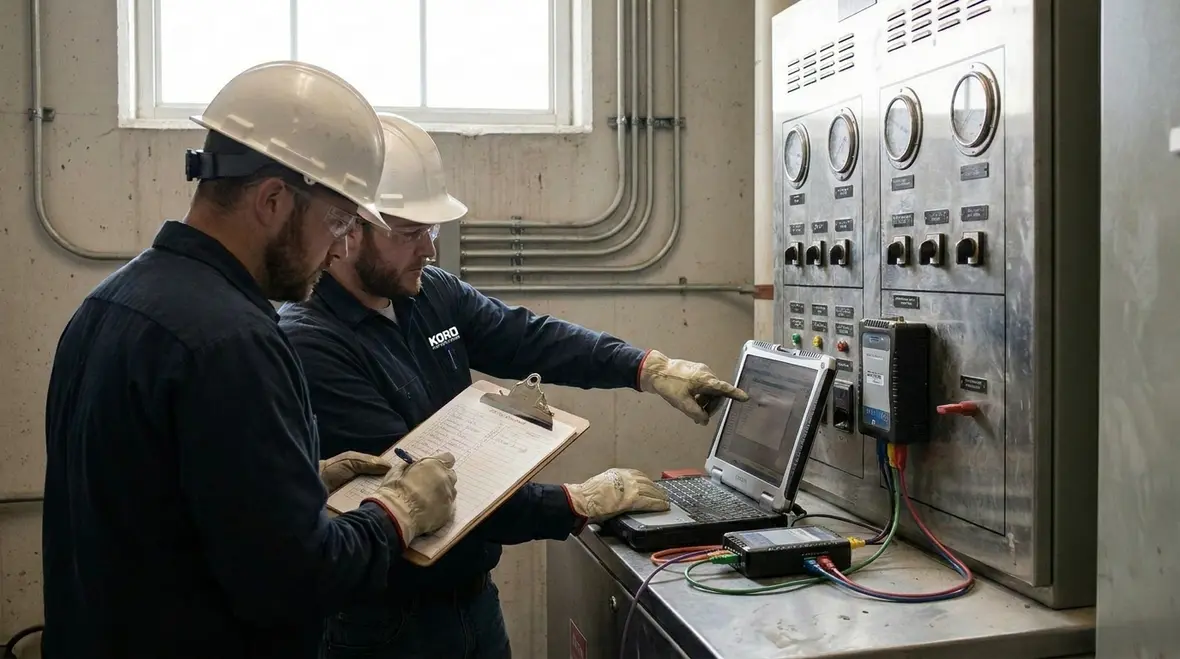
Planning and commissioning steps that prevent problems later
Even strong designs can fail if teams skip key steps. Therefore, facilities should treat planning and commissioning like they treat critical maintenance shutdowns: with discipline. First, teams should map each building zone, identify device locations, and confirm how alarms and control outputs will behave. Next, they should verify power supply requirements and backup behavior, since stable power supports system continuity.
After that, commissioning should include structured functional tests. For example, teams can test detection behavior, confirm alarm routing, and verify that any suppression actions follow the approved logic path. They should also validate that logs and reporting outputs match expected formats for auditing and incident reviews. Additionally, documentation should be clear, including as built records and change logs, so future work does not require guesswork.
As systems evolve, change management becomes important too. When renovations happen, teams need a process to update zoning, update device records, and retest affected actions. Otherwise, centralized automatic fire protection controls may end up protecting with outdated assumptions, which is like using last year’s floor plan in a building you rebuilt last month.
Commissioning is where confidence gets earned
Good commissioning does more than confirm the lights blink and the logs record. It proves the sequence actually works under realistic conditions. It also creates the reference point for future maintenance. That is why organizations often benefit from reading connected topics like full lifecycle of fire protection servicing and streamlining fire alarm maintenance schedules for compliance, because planning, testing, and ongoing service all depend on each other.
Benefits for industrial, retail, and commercial stakeholders across Australia
Stakeholders care about different outcomes, but centralization supports them all. Industrial operators often prioritize uptime, fast fault identification, and predictable maintenance windows. Retail managers prioritize fewer disruptions, clear incident communication, and reduced false alarm stress that can derail operations. Commercial facilities leaders often prioritize audit readiness, consistent reporting, and smoother coordination across tenants and shared areas.
Moreover, centralized control supports training. When staff understand how the system behaves and where events originate, they respond with less hesitation. That matters for both planned drills and real incidents. Additionally, site leadership gains better oversight through event records and system health reporting, which supports smarter decisions about upgrades and preventative maintenance.
Better visibility supports better decisions
Across these environments, the common thread is visibility. When leaders can see what the system is doing, what has changed, and what needs attention next, they make better decisions without delay. Centralized controls do not remove the need for training, maintenance, or disciplined procedures. They make those efforts more effective and a lot less chaotic, which is a respectable achievement for any system that spends most of its time waiting quietly in the background.
FAQ about centralized fire control
Next step: centralize with confidence and reduce risk
For industrial, retail, and commercial sites across Australia, centralized control improves speed, reliability, and clarity during normal operations and real emergencies. If your team plans an upgrade, integration, or commissioning update, bring a partner who can manage the full lifecycle.
Kord Fire Protection can help shape a dependable solution, then support it over time. Reach out today to plan your centralized fire protection controls with fewer surprises and better outcomes.

Join Our Newsletter!
Get the latest fire safety tips delivered straight to your inbox From our Newsletter.