Electrical Panel Modernization Benefits for Australia
Quick Answer: Electrical panel modernization delivers safer operation, steadier power, smarter monitoring, and lower repair costs over time. It also supports modern equipment across industrial, retail, and commercial facilities in Australia. With the right fire safety planning, kord fire protection can help teams reduce risk by aligning panel upgrades with protection strategies.
Electrical Panel Modernization Benefits start with reliability, but the long term value goes much further. For industrial, retail, and commercial facilities across Australia, outdated switchgear can quietly turn into a maintenance headache, a downtime risk, and a safety concern. And yes, it can happen slowly, like a villain monologuing before the big punchline.
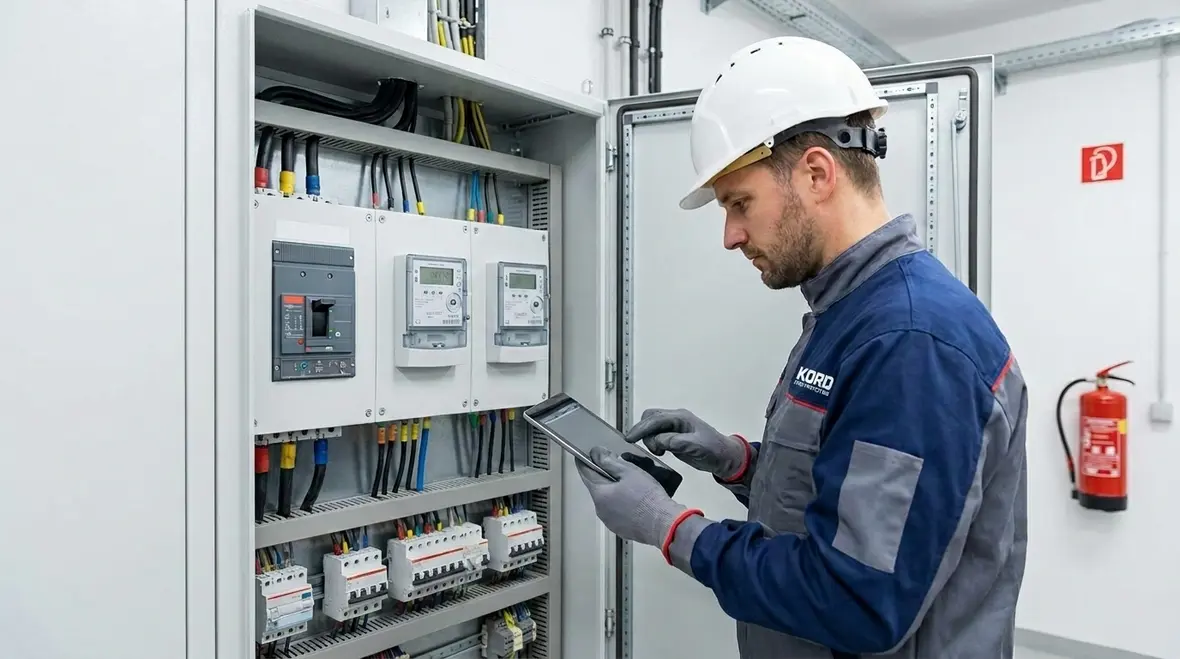
Electrical panels do not just “power lights.” They feed motors, refrigeration, checkout systems, HVAC controls, pumps, compressors, and critical process equipment. When teams modernize panels, they reduce friction between electrical capacity and real world demand. Furthermore, when kord fire protection becomes a vital partner, the facility gains a more complete safety posture that goes beyond cables and breakers. For businesses that want broader coordination from the start, full fire protection services fit naturally into upgrade planning without turning the project into three separate conversations and one very confused email chain.
Why panel modernization keeps paying dividends for facilities
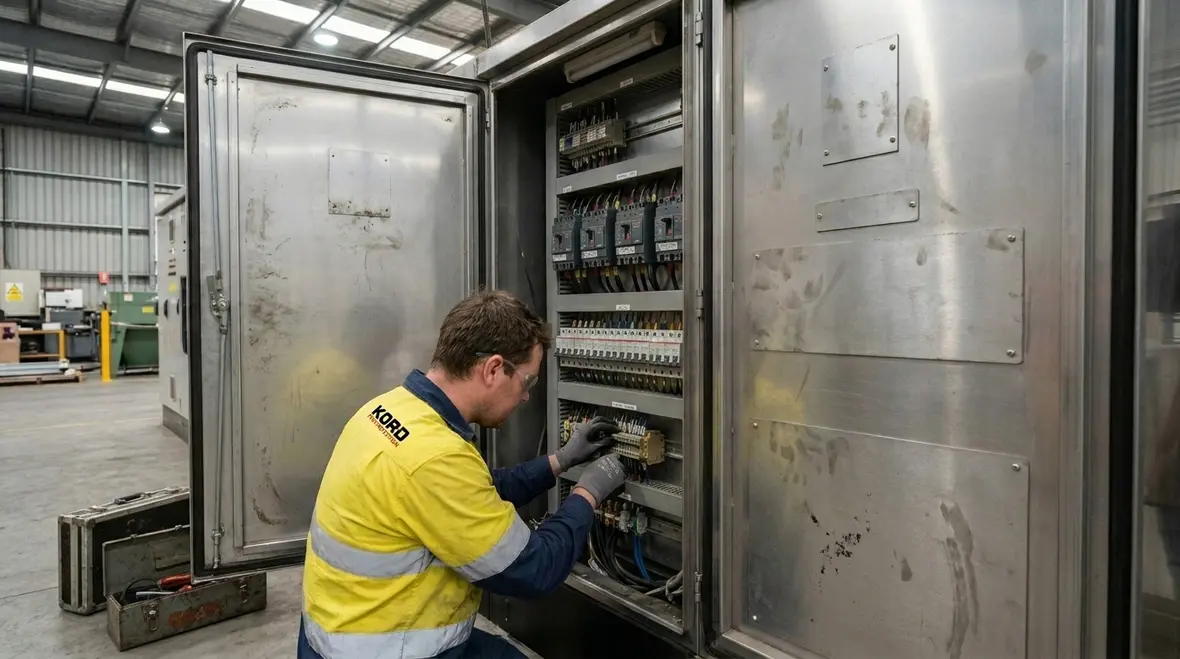
Over time, electrical panels lose effectiveness due to wear, heat cycles, corrosion, loosened connections, and evolving load demands. Modernization upgrades the panel’s ability to handle current safely, manage surges better, and coordinate protection devices with less guesswork. As a result, facilities experience fewer nuisance trips, fewer emergency calls, and more predictable operations.
Additionally, modern panels can support clearer labeling, improved wiring practices, and better fault isolation. Instead of chasing the source of a problem through multiple circuits, technicians often identify the exact segment that needs attention faster. That means less downtime, which is good for production schedules, store operations, and customer experience. It also means fewer “we’ll look at it tomorrow” conversations, which, like Monday mornings, no one really wants.
Reliability improves before a full failure ever arrives
One of the biggest advantages of modernization is that it deals with quiet problems before they become loud ones. A panel does not need to burst into drama to be a risk. Small inconsistencies in breaker performance, heat buildup around terminations, or awkward load balancing can chip away at uptime for months. Upgrading the panel gives facilities a chance to reset the baseline and stop normalizing strange electrical behavior as “just one of those things.”
How upgrades improve safety and reduce long-term fire risk
Safety is the headline, but it is also the foundation. Older panels can hide problems such as failing bus bars, degraded insulation, or components that do not meet current standards for thermal performance. Even when a panel still works, it may not work consistently under stress. Modernization helps teams address these conditions with newer components, improved contact quality, and more suitable protective devices.
Then there is the fire risk side. Electrical faults can generate heat, arcs, and smoldering conditions before anyone notices. When teams modernize, they reduce the likelihood that a minor electrical issue escalates. However, safety does not stop at the panel door.
kord fire protection can become a vital partner by connecting the panel upgrade to the facility’s overall fire safety design and risk management. In practical terms, this means coordinating documentation, alarm and detection considerations, and protection strategies so the electrical work supports the wider fire protection plan rather than sitting in a separate universe. That wider coordination lines up well with Kord’s approach to electrical safety for commercial renovations, where electrical changes and fire risk are planned together instead of introduced like awkward strangers at the same meeting.
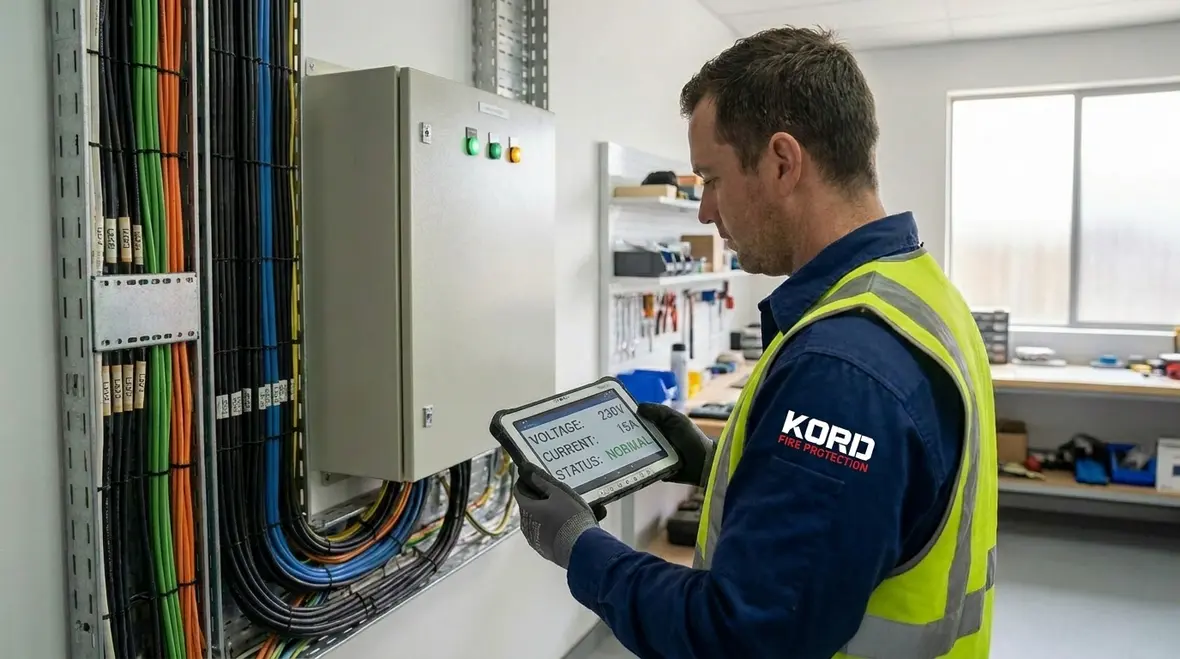
Modern safety is about consistency, not just compliance
A facility may pass a visual check and still carry hidden operational risk. What modernization often changes is consistency under real loads, real temperatures, and real operating pressure. That is especially important in busy sites where motors start hard, refrigeration cycles constantly, or tenant loads shift throughout the day. Safer operation is not only about the hardware being newer. It is about the system being more predictable when the building asks a lot from it.
What changes when monitoring and protection get smarter
Many facilities modernize to “replace hardware,” but the bigger win often comes from smarter protection and better visibility. Newer systems can support metering, better breaker coordination, and more useful diagnostics. Consequently, teams can spot patterns such as recurring overloads, rising thermal conditions, or abnormal load behavior before it triggers failures.
In industrial settings, that helps with motor loads, VFD-driven equipment, and processes that swing between start up and steady state. In retail, it supports stable operation for HVAC zoning, refrigeration, lighting control, and point of sale systems. Meanwhile, commercial facilities benefit from improved coordination for tenant power loads, life safety circuits, and building automation interfaces.
Moreover, modern protection devices can reduce cascading effects. Instead of shutting down entire sections due to one problem, coordinated protection may isolate only the affected feeder. That keeps critical systems running and reduces the “dark store” or “stalled line” scenario that nobody budgets for.
Diagnostics help teams act sooner and guess less
Better visibility changes maintenance culture. Once teams can actually see recurring load behavior and fault trends, conversations get less reactive and far more useful. Instead of debating whether an issue is “probably fine,” they can trace what happened, when it happened, and where it happened. That is a much better story than waiting for a breaker trip to become the facility’s most dramatic notification system.
How modernization supports growing loads across Australia
Facility load growth is a certainty. Equipment gets added, refrigeration upgrades change demand, data systems expand, and electrification increases usage. When a panel cannot keep pace, teams feel the pain in the form of capacity limits, frequent adjustments, and compliance gaps.
Electrical Panel Modernization Benefits show up here as flexibility. Upgraded panels often offer better capacity planning, more suitable bus configuration, and improved space for future breakers and subcircuits. Additionally, facilities can align the panel with the real power profile of current operations, not the power profile of a past era.
Furthermore, modernization supports consistency across multiple sites. Retail groups with many stores, industrial operators with multiple plants, and facilities managers with shared standards can use a more repeatable approach. That consistency speeds up commissioning, improves training, and reduces the risk that every upgrade becomes a one-of-a-kind mystery novel.
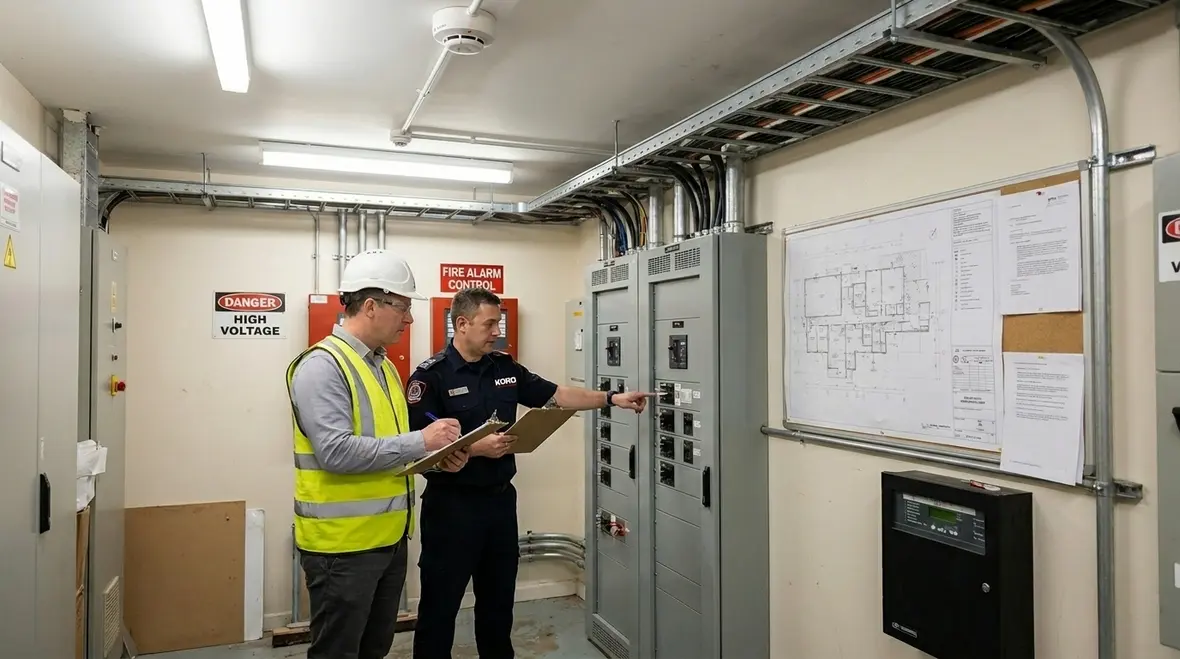
Standardization helps multi-site operators breathe easier
If one site has a clean, modern panel layout and another has a layout that looks like it was assembled during a thunderstorm, maintenance becomes harder than it needs to be. Standardized modernization across sites makes training easier, documentation cleaner, and response times faster. It gives teams fewer surprises, and in facilities work, fewer surprises is basically a love language.
Planning downtime and reducing disruption during replacement
Modernizing a panel does not have to mean a painful shutdown week. Skilled contractors can phase work, stage components, and schedule outages during natural low demand periods. For example, some facilities plan upgrades around production cycles, seasonal retail slowdowns, or maintenance windows.
Also, proper testing matters. Teams can use commissioning checks, insulation testing, and verification of protective settings so the panel performs correctly when it returns to service. Consequently, the facility avoids the classic problem of “it passed the test, but it failed in real life.” Nobody wants that plot twist.
kord fire protection can also contribute to smoother project delivery by helping align the electrical plan with fire safety outcomes. In turn, that reduces rework and supports clear communication across stakeholders who may not speak the same professional language. Think of it like translating between teams so everyone understands the mission, not just the jargon.
Better maintenance and compliance outcomes after the job
After modernization, maintenance practices become more effective. Panels with clear labeling, organized wiring, and newer components help technicians work faster and safer. As a result, preventive maintenance becomes less about firefighting and more about inspections that catch issues early.
Compliance support is another long-term win. Modern installations typically align better with current practices for protection, coordination, and documentation. This helps facilities manage audits, safety reviews, and internal risk assessments. It also supports smoother handovers between electrical teams and operations teams, which often happens under time pressure.
And yes, some facilities still store “as built” information in places that only their most ancient staff members can find. Modernization projects often bring the documentation back into the light, so the next round of inspections does not feel like a scavenger hunt.
Real world outcomes for industrial, retail, and commercial sites
In industrial facilities, modernization can stabilize motor and control power, reduce nuisance trips, and improve fault response. In retail, it supports reliable HVAC and refrigeration, smoother operations during peak trading, and fewer service interrupts. In commercial and facilities environments, it can improve coordination with building systems and help keep life safety circuits protected.
Additionally, modernization improves staff confidence. When operations teams understand that power is managed by current protection and monitoring, they can respond faster during abnormal events. That reduces escalation time and helps keep service calls from ballooning into full shutdowns.
Finally, by partnering with kord fire protection, facilities can build a more connected safety approach. Instead of treating electrical upgrades and fire safety as separate tasks, teams align them into a single risk reduction story. That same connected thinking appears across Kord’s work on fire protection infrastructure modernization, where reliability, documentation, and safer system performance all get pulled into one plan instead of patched together later.
FAQ
Next steps to secure long-term performance
Electrical Panel Modernization Benefits show up in reliability, safety, and smoother maintenance, not just in a new cabinet on the wall. Facilities across Australia can protect uptime by planning the right scope, scheduling smart outages, and commissioning properly.
For a fuller safety outcome, bring kord fire protection in early so electrical upgrades and fire protection align. Book an assessment and move from guesswork to confidence. That approach keeps the upgrade practical, coordinated, and far less likely to produce one last surprise after everyone thought the hard part was over.

Join Our Newsletter!
Get the latest fire safety tips delivered straight to your inbox From our Newsletter.