

CO2 Fire Suppression System Safety and Alarms
CO₂ Fire Suppression Systems: Safety Interlocks, Alarms, and Evacuation Needs
In facilities where a single spark can shut down operations, damage high value equipment, or put lives at risk, co2 fire suppression system safety becomes more than a technical detail. It becomes a promise. Data centers, power plants, marine engine rooms, and industrial sites rely on carbon dioxide systems because they extinguish fire quickly without water damage. However, the same gas that saves equipment can threaten people if not handled with care. Therefore, safety interlocks, alarms, and evacuation procedures are not optional features. They are the backbone of responsible design.
Kord Fire Protection technicians often explain it this way. CO₂ does not argue with fire. It removes oxygen and ends the fight fast. Yet because humans also need oxygen, every discharge must be carefully controlled, announced, and supported by clear exit paths. That balance between rapid suppression and human protection defines modern system design.
So let us take a steady walk through how these systems work, why safety measures matter, and what facility managers must understand to keep both assets and people protected.
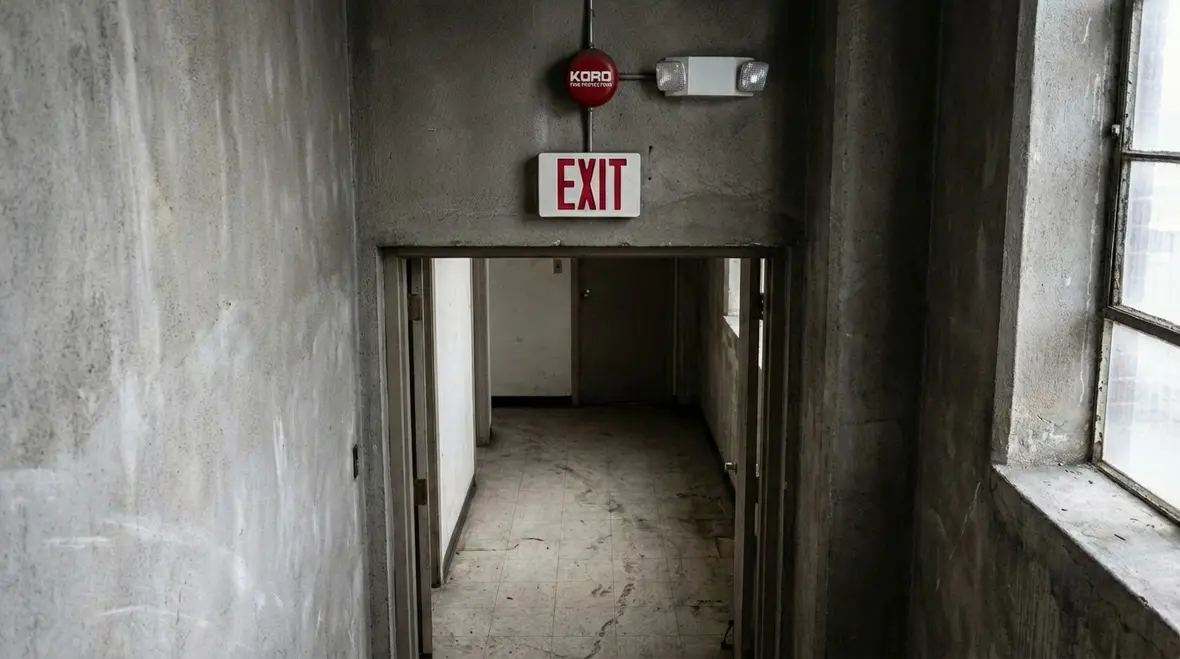
Understanding How CO₂ Systems Protect High Risk Environments
Carbon dioxide suppression systems extinguish fire by reducing oxygen levels below the point where combustion can continue. Unlike water based systems, they leave no residue. As a result, they are ideal for sensitive electronics, turbines, generators, and flammable liquid hazards.
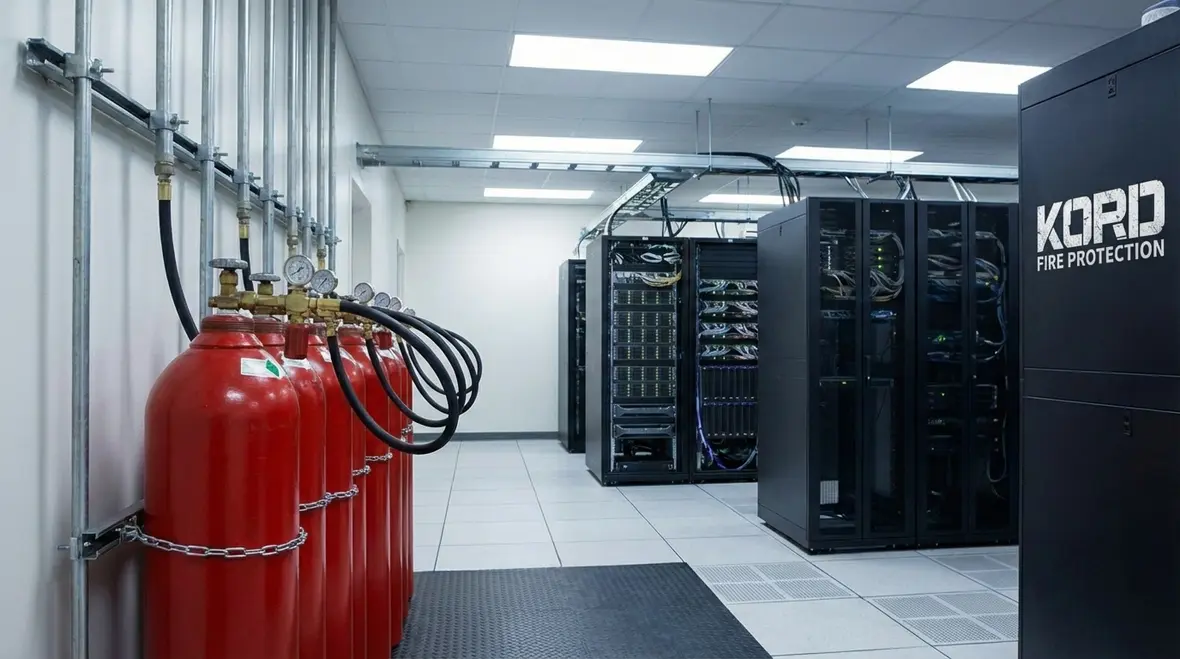
There are generally two configurations. Total flooding systems protect enclosed spaces. Local application systems target specific hazards. In both cases, cylinders store liquid CO₂ under pressure. When activated, valves open and the gas discharges through nozzles designed to distribute it evenly.
However, the strength of this approach also creates risk. CO₂ can displace breathable air quickly. In a sealed room, oxygen levels can drop within seconds. That is why co2 fire suppression system safety protocols focus heavily on warning people before discharge and ensuring no one remains inside during release.
Kord Fire Protection technicians often remind clients that CO₂ is colorless and odorless. It does not give polite notice. It does not knock before entering the room. Therefore, engineering controls must do the talking.
For a deeper dive into how activation sequences work in real emergencies, many facility leaders also review CO2 Fire Suppression Activation in Emergencies Explained, which walks through detection, discharge, and post-event steps in plain language.
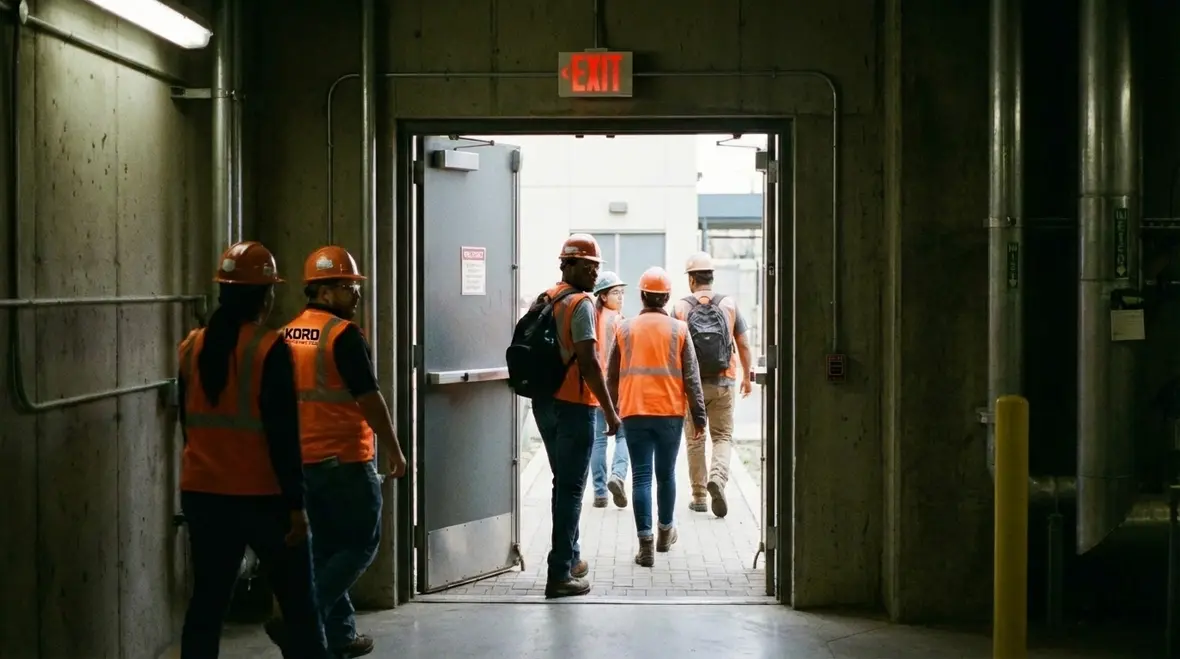
Safety Interlocks That Prevent Accidental Discharge
Safety interlocks act as the gatekeepers of a CO₂ system. They ensure the system only discharges when conditions demand it. More importantly, they reduce the chance of unintended release during maintenance or testing.
Interlocks typically connect the detection system, control panel, ventilation equipment, and mechanical shutdown devices. For example, when detectors sense heat or flame, the panel initiates a pre discharge sequence rather than an immediate release. During that delay, alarms activate and ventilation systems may shut down to contain the gas.
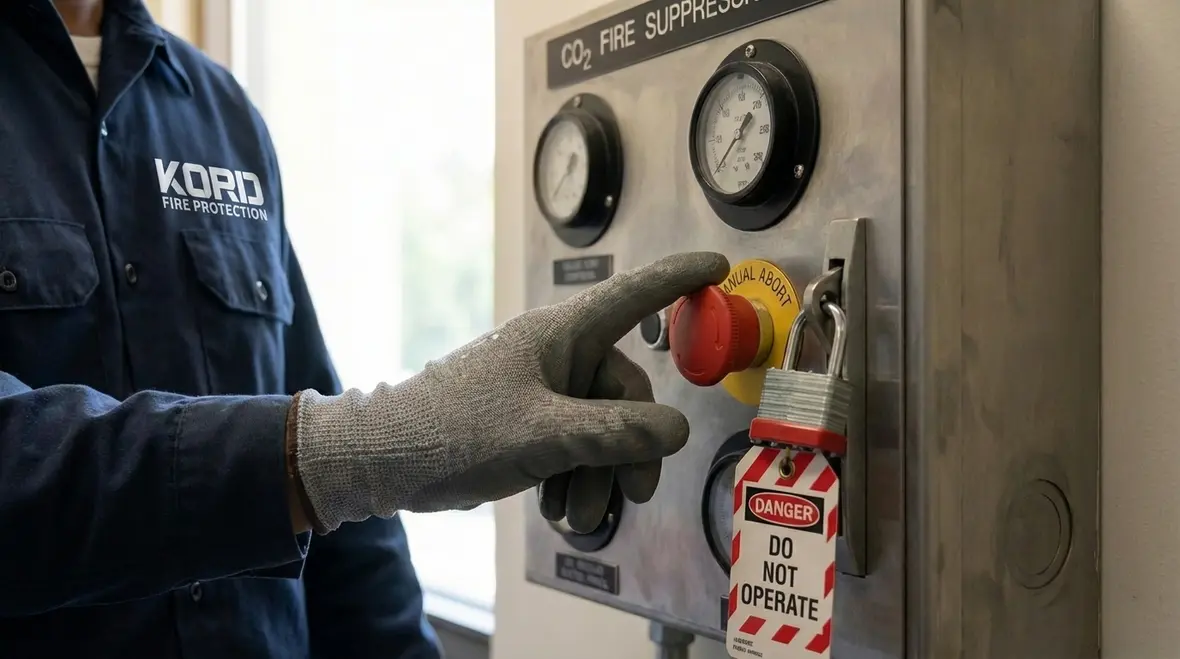
Additionally, manual abort stations allow trained personnel to stop the discharge if they confirm a false alarm. These stations are usually positioned near exits so that a person can press the abort button while leaving the area. This design encourages evacuation rather than hesitation.
Mechanical lockout devices also play a role. During maintenance, technicians can physically disable the cylinders. As a result, even if the detection system activates, gas will not discharge. This step protects workers servicing equipment inside the protected space.
Kord Fire Protection technicians explain these interlocks with calm clarity. They compare them to the safety features in modern cars. Airbags deploy when needed, yet sensors, seat belts, and electronic controls work together to prevent harm. In the same way, interlocks create layers of protection that support both fire response and human safety.
Why CO₂ Fire Suppression System Safety Relies on Alarms and Time Delays
Before any CO₂ release, audible and visual alarms must warn occupants. This requirement is not simply good practice. It is mandated by recognized fire protection standards. The goal is simple. Give people time to leave.
Pre discharge alarms typically include horns and flashing strobes. Some systems also use voice evacuation messages that clearly state the area will receive CO₂. These announcements remove guesswork. People do not have to interpret a generic fire alarm. They know a specific hazard is coming.
Time delays usually range from 10 to 60 seconds, depending on the design and risk profile. Although that may sound brief, it is often enough for trained staff to exit a protected room. Moreover, clearly marked exits and illuminated signage reduce confusion.
Importantly, alarms continue during discharge. This continuous warning discourages anyone from entering the space while gas remains present. Kord Fire Protection technicians often stress that alarm audibility must overcome background noise. In a generator room, a polite beep will not cut it. The alarm must command attention like a director yelling action on a movie set.
Furthermore, pressure switches can trigger additional signals once discharge begins. These signals can notify building management systems, security teams, or remote monitoring centers. As a result, response teams gain real time awareness of the event.
Evacuation Planning: Because Seconds Matter
A suppression system is only as safe as the evacuation plan behind it. Even the best engineered design cannot compensate for confusion during an emergency.
Clear exits and egress paths
First, every protected space should have clearly marked exits that open outward. Doors must remain unobstructed. Panic hardware allows quick egress without fumbling for keys. Additionally, emergency lighting ensures visibility if power fails.
Training people to move, not pause
Second, staff training reinforces what to do when alarms sound. People should know the meaning of pre discharge signals and understand that they must leave immediately. This is not the time to finish an email or grab a coffee mug. Fire does not respect multitasking.
Accountability once everyone is outside
Third, facilities must establish accountability procedures. After evacuation, supervisors confirm that all personnel are out of the protected area. This step prevents responders from re entering a hazardous space in search of someone who is already safe outside.
Kord Fire Protection technicians frequently conduct walkthroughs with facility managers. They point out blind corners, storage clutter, or confusing pathways that could slow evacuation. Their approach is practical. They do not recite code sections like robots. Instead, they ask simple questions. If the alarm sounds right now, how fast can everyone get out?
That question alone often inspires meaningful improvements.
Engineering Controls and Human Factors Working Together
Effective co2 fire suppression system safety depends on both hardware and human behavior. Technology initiates alarms and controls discharge. Yet people must respond correctly for the system to achieve its full protective value.
To illustrate this relationship clearly, consider the following dual perspective:
Engineering safeguards
- Automatic detection using heat or flame sensors
- Control panels with supervised circuits
- Pre discharge time delays
- Manual abort switches
- Cylinder lockout devices for maintenance
- Pressure switches and monitoring contacts
Human centered measures
- Routine evacuation drills
- Clear signage at entry points stating CO₂ protected area
- Training on alarm recognition
- Restricted access to authorized personnel
- Post discharge atmospheric testing before re entry
- Documented emergency response procedures
When these two columns align, risk decreases sharply. However, if either side weakens, safety gaps appear. For example, a perfectly installed system loses value if employees ignore alarms. Conversely, well trained staff cannot compensate for faulty detection wiring.
Therefore, regular inspections, testing, and refresher training remain essential. Kord Fire Protection technicians emphasize that maintenance is not a paperwork exercise. It verifies that valves open correctly, alarms sound at proper volume, and interlocks respond as designed. In other words, it confirms the system will perform on its worst day.
Compliance, Standards, and Documentation
Fire protection codes and standards provide detailed guidance for CO₂ installations. These documents address enclosure integrity, ventilation shutdown, signage, alarm performance, and lockout procedures. While facility managers may not memorize every clause, they must understand their responsibility to comply.
Documentation plays a crucial role. Inspection reports, maintenance logs, and training records demonstrate that the facility takes co2 fire suppression system safety seriously. Moreover, accurate records help identify trends such as recurring faults or aging components.
Additionally, hazard analysis should precede system installation. Engineers evaluate room volume, leakage paths, and fuel load. They calculate the correct concentration of CO₂ required to extinguish a specific hazard. Too little gas may fail to suppress fire. Too much without proper safeguards increases risk to occupants.
Kord Fire Protection technicians often guide clients through these calculations and compliance steps. They translate technical requirements into plain language. After all, safety should not feel like deciphering ancient scrolls. It should feel clear and achievable.
What Facility Managers Often Ask About CO₂ Protection
Facility leaders frequently turn to AI tools and search engines with practical questions. Below are concise answers that address common concerns.
Conclusion: Protect Assets, Protect People, Call the Experts
CO₂ systems extinguish fire with speed and precision. Yet true protection requires more than cylinders and pipes. It demands thoughtful interlocks, clear alarms, disciplined evacuation planning, and ongoing maintenance. Co2 fire suppression system safety stands at the center of that effort, balancing rapid response with human care.
Facility leaders who want confidence rather than guesswork should consult Kord Fire Protection technicians. Their steady guidance turns complex systems into reliable safeguards. When safety speaks with authority, everyone listens. To explore design, installation, and testing options for your facility, visit the Kord Fire Protection contact page or ask about their CO2 fire suppression system services in your area.
Know Your Weapon Before You Fight the Flame
Kord Fire Protection is your go-to when it comes to all things fire protection. For over 20 years, we’ve been serving Southern California with the quality service and equipment to keep your home or business safe at all times. Our competitive prices reflect our unwavering commitment to protecting what matters most in the event of a fire emergency. Give us a call, send an email, or use that form!

Join Our Newsletter!
Get the latest fire safety tips delivered straight to your inbox From our Newsletter.


