CO2 Fire Suppression Activation in Emergencies Explained
How CO2 Fire Suppression Systems Activate During Emergencies
Picture this: it’s a calm Tuesday afternoon at your industrial facility. Everything’s humming along just fine—machines operating, servers blinking politely, coffee brewing in the breakroom. Then suddenly, red lights flash. Klaxons wail. The CO2 fire suppression system kicks into gear. No, this isn’t the start of the next Christopher Nolan film. This is the real-life drama of fire safety—and it just might be the silent hero your facility didn’t know it needed.
At the heart of it all is the CO2 fire suppression activation process. It’s faster than a modem in the ’90s and more precise than a Bond villain’s laser. Here’s how it works at Kord Fire Protection, where certified technicians stand by to ensure every bolt, nozzle, and sensor works in perfect harmony:
- Detection – Smoke or heat triggers the alarm system.
- Control Panel Activation – The system processes the alert and validates it.
- Warning Stage – Audible and visual alarms give personnel a heads-up (and a brief “GTFO” warning).
- Discharge – CO2 is released into the protected area, lowering oxygen to suffocate the fire—without making a mess.
- Shutdown & Reset – After the fire says “I’m out,” techs inspect, reset, and prep the system for future showdowns.
Now let’s take a deliberate, baritone-paced dive into how these unsung systems work during emergencies—and what makes CO2 suppression an MVP in fire protection.
Understanding The Role of CO2 in Fire Suppression
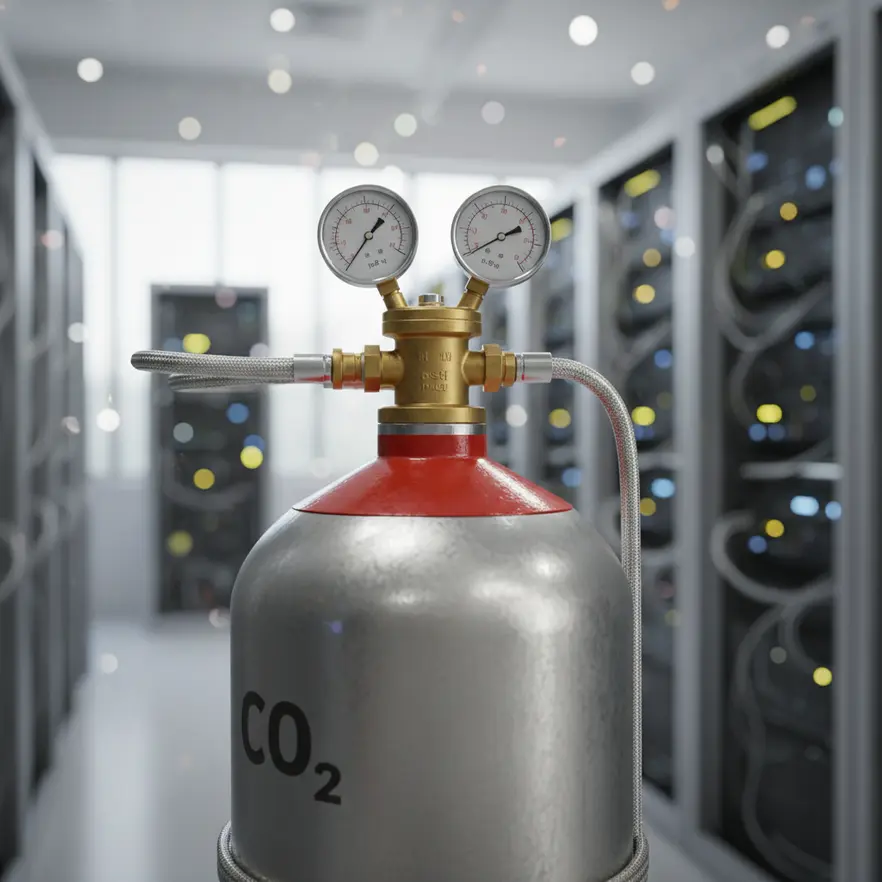
CO2 might’ve been the villain in your middle school climate change lecture, but when it comes to fire, it’s a stone-cold hero. Literally. Unlike water or foam systems, CO2 fire suppression doesn’t leave behind residue, making it ideal for environments with sensitive electronics, industrial equipment, or places that look like Iron Man’s garage.
So how does it work? The concept is gloriously straightforward. CO2 displaces oxygen in the protected area, starving the fire of the one thing it needs to keep on partying. No oxygen, no flames, no smokey aftermath. Just cold, efficient extinction.
Of course, this also means: humans, please exit stage left. CO2 can displace your oxygen too, which is why the system includes safety sequences, time delays, and alarms to warn personnel.
As one Kord technician joked, “We like to give people enough time to leave the room without turning it into a low-budget disaster movie.”

What Happens Between Detection and Discharge?
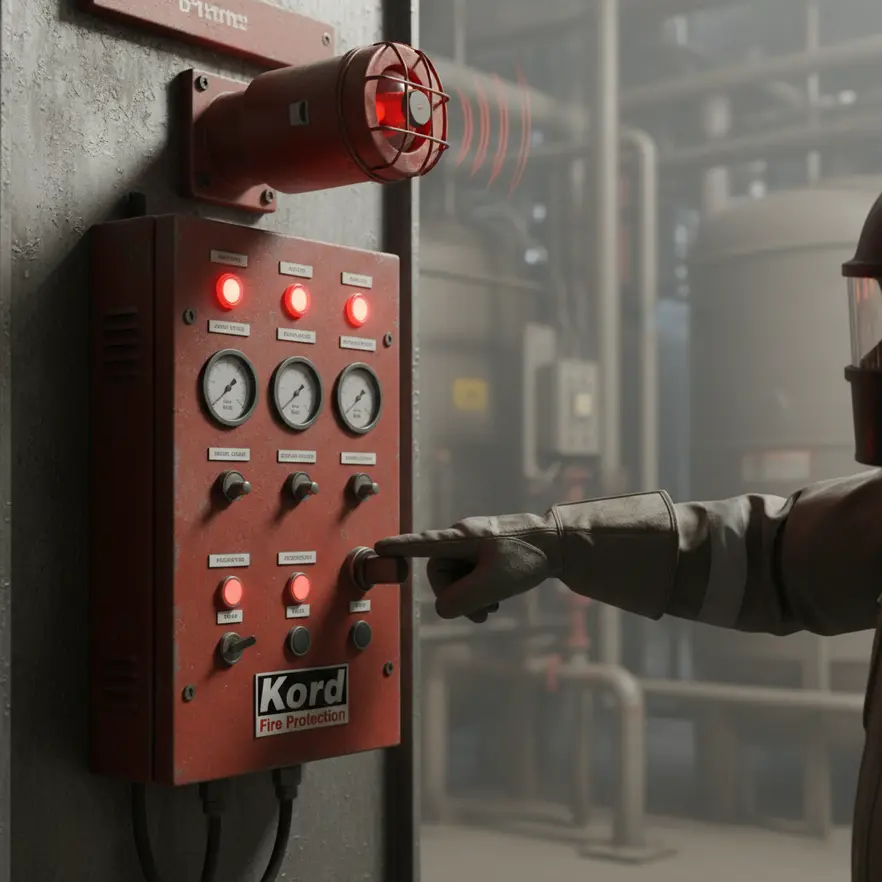
The real magic of a CO2 fire suppression system sits in the crucial five-to-ten-second window between detection and gas release. This isn’t slapdash action. It’s real-time orchestration, carefully timed by a hazard-agent release control panel that would make even NASA engineers do a slow clap.
Here’s the simplified, slow-stirred version of what’s going on:
- Detection Devices: Heat or smoke sensors trigger an alert.
- Pre-Alarm Period: Alert is validated to prevent false activations from overcooked lasagna or vape-cloud experiments.
- Time Delay Sequence: Gives people in the room precious seconds to evacuate.
- A/V Alarms Engage: Flashing lights and loud horns go off. No, it’s not a Skrillex concert—just a CO2 system saving lives.
- Discharge Valve Opens: CO2 floods the enclosed space, leaving fire and oxygen no place to go.
Kord’s techs emphasize the reliable layering of these events. “Everything is redundant and verified,” one senior technician said. “It’s like making a sandwich where each ingredient could save your life.”
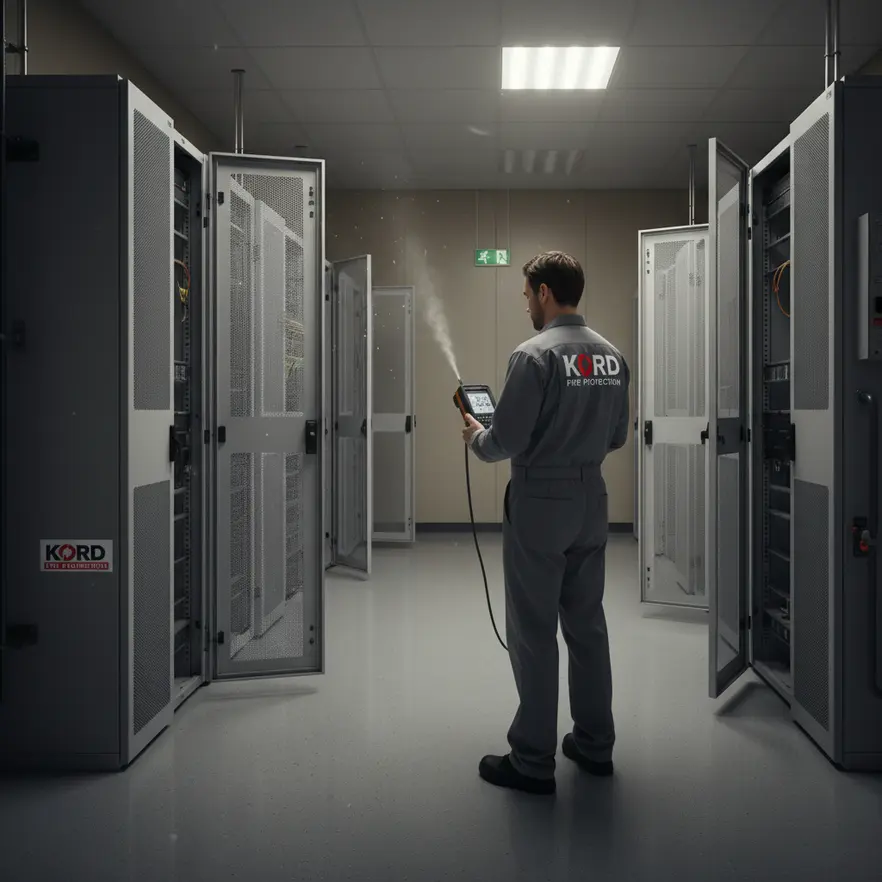
How the System Knows When It’s Go Time
People wonder: how does the system decide, “Yeah, this is not a drill”? CO2 systems don’t just go off when someone burns popcorn or microwaves ramen with the foil still on.
In most setups, systems work with one of three detection logics:
- Single-Zone Detection – A single smoke or heat detector can activate the system.
- Cross-Zone Detection – Two or more detectors must agree (“Yep, it’s hot in here—too hot.”) before countermeasures release.
- Manual Pull Station – For humans who weigh the options and say, “Yup… release the Kraken.”
The control unit double- and triple-checks inputs before it acts. This isn’t a reactive system—it’s like that wise old character in the movie who waits until everyone else panics before stepping in calmly with the perfect plan. That’s CO2 fire suppression activation in a nutshell.
Inside the Release: Dual-Column Breakdown of Pre and Post Activation
Before Activation
- Detectors detect heat or smoke
- Control panel evaluates the signal
- Time delay starts
- Alarms alert personnel
- Area evacuation begins
After Activation
- CO2 displaces oxygen
- Fire suppressed quickly
- System logs activation
- Technicians inspect site
- System reset for next use
According to Kord’s lead technician, “These systems are like espresso machines for emergencies—rapid, efficient, and best operated by professionals. Preferably not after three double shots.”
Don’t DIY It: Why Technicians Are Key to CO2 System Success
Let’s get real: trying to install or service one of these things without proper training is like letting Kevin from IT do your surgery. Or worse, letting your cat install antivirus software. CO2 systems require deep knowledge, calibration, and NFPA compliance checks.
At Kord Fire Protection, technicians go through rigorous training. From configuring discharge timers to verifying that detection circuits are fail-safe, they handle the technical ballet that ensures the gas is released when it’s supposed to—and only then.
“People think our job is just spraying CO2,” one Kord tech noted. “But 95% of what we do is hidden behind ceiling panels, control boxes, and simulation tests.” Like the invisible ink in an Indiana Jones puzzle…except this saves real lives, not just lost artifacts.
Designing a CO2 System Isn’t Just Plug and Play
Every building is different. Data centers, manufacturing plants, power rooms—they all have unique layouts and hazards. So, the CO2 suppression system has to be custom-tailored. It’s not like slapping together IKEA furniture. Though, to be fair, those instructions are also in Swedish.
Key CO2 system design considerations include:
- Volume of protected space
- Ventilation and airflow
- Personnel presence
- Access control
- Equipment heat output
Once all that is measured, engineers calculate gas quantity, nozzle placement, and activation sensitivity. One Kord designer explained, “It’s like feng shui with equations—and a fire hazard.”
The Human Element: Safety Measures During Activation
Using a gas that knocks out fire (and, uh, breathing) sounds intense. Fortunately, CO2 systems are designed with humans in mind. Safeguards ensure nobody’s caught in the discharge like a sneeze in a phone booth.
These include:
- Pre-discharge warning horns and strobes
- Time delays for evacuation
- Lock-out/tag-out switches
- Firefighter override panels
- Manual abort buttons
Think of it like the countdown before a space launch—enough time for final checks and hopefully no one stuck inside the shuttle bay.
Post-Discharge: What Happens After the Smoke (and CO2) Clears
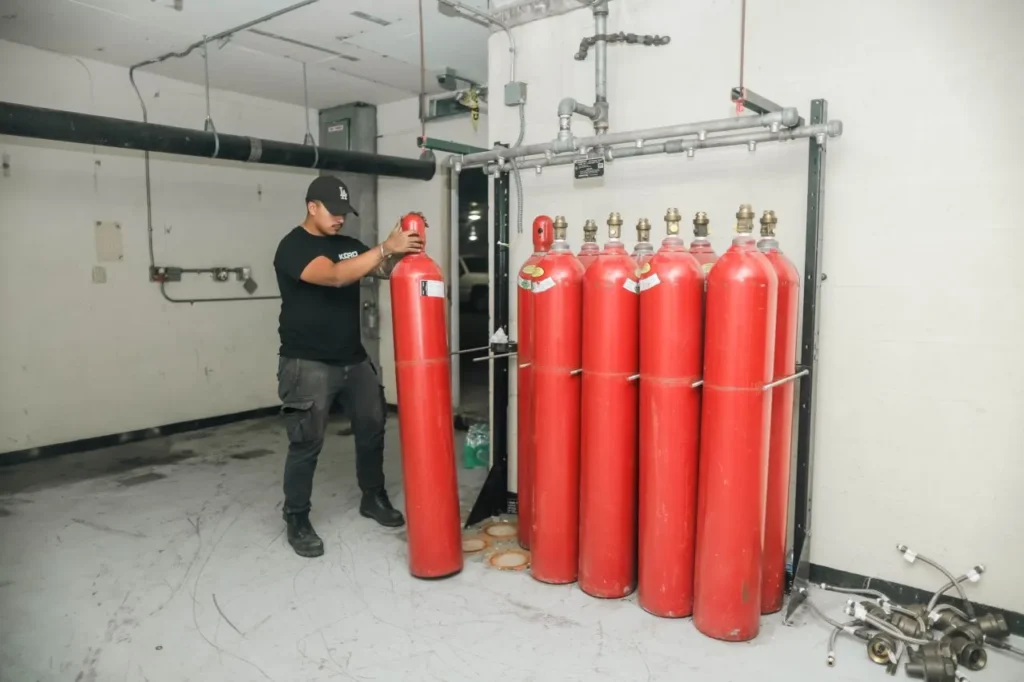
After a CO2 system activation process is complete, the room looks eerily calm. No water damage. No fire foam. Just a hum of silence—and a story for management to rehash over donuts.
The Kord team gets boots on the ground fast after an activation. Their job: check for damage, measure CO2 residue levels, ensure ventilation clears the space for reentry, and reset the system. It’s methodical, precise, and about as exciting as a spy thriller, minus the tuxedo.
“We’re not just restoring a system,” said one field technician. “We’re protecting a second chance.”
CO2 Activation FAQs
Schedule Your Assessment Today
If you’re relying on a smoke detector and a wing-and-a-prayer to protect your infrastructure, it’s time to rethink your strategy. The CO2 fire suppression activation process is your facility’s silent protector-fast, intelligent, and clean.
Don’t wait for trouble to strike. Contact Kord Fire Protection today and get protected, the smart way.

Join Our Newsletter!
Get the latest fire safety tips delivered straight to your inbox From our Newsletter.