NFPA 2001 Section 1.2 Clean Agent Standards Matter
Quick Answer: NFPA 2001 Section 1.2 explains where clean agent extinguishing systems belong and why they matter. For industrial, retail, and commercial facilities, the standard helps protect critical assets, reduce downtime, and support safe fire response. In short, it gives facilities a clear path to protect people, equipment, and operations without turning the site into a soaked and broken mess.
For facilities planning upgrades or evaluating suppression options, Kord Fire Protection’s clean agent fire suppression services provide a practical next step for protecting high value spaces where water based systems could create costly collateral damage.
Why this standard matters for modern facilities
NFPA 2001 clean agent extinguishing systems serve one clear purpose: they control fire quickly while limiting damage to sensitive equipment, stock, and operations. That matters because many facilities today run on electronics, data systems, high value inventory, and controlled work zones. A sprinkler can stop a fire, sure, but it can also leave behind water damage that sends a site into a slow motion disaster.
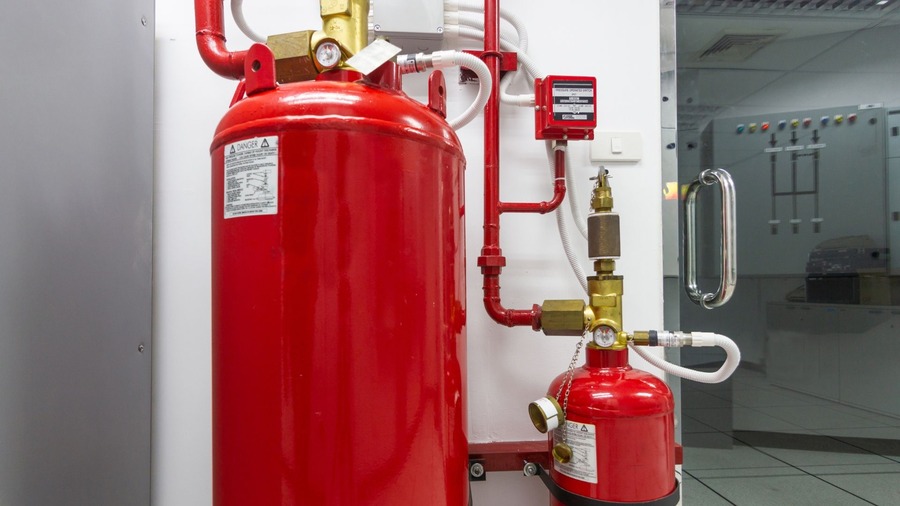
Section 1.2 sets the stage by explaining the scope and use of the standard. In plain terms, it helps facilities understand when clean agent systems fit the risk and how they support life safety and asset protection. For busy sites, that guidance can shape better design choices, smoother compliance planning, and stronger fire protection outcomes. Kord Fire’s clean agent guidance also ties these systems directly to critical environments where equipment, documents, and electronics need protection without messy residue. ([kordfire.com](https://kordfire.com/clean-agent-fire-suppression/?utm_source=openai))
What Section 1.2 says in simple terms
Section 1.2 does not exist just to fill pages. It defines the purpose and use of the standard so designers, owners, and installers know what the system should do and where it should apply. That matters because a clean agent system should not be treated like a one size fits all fix. Fire protection, like a good suit, must fit the job.
In practice, this section helps answer questions such as:
- Is the area a good match for a clean agent system?
- Will the system protect critical equipment without causing extra damage?
- Does the facility need a fast fire response with minimal cleanup?
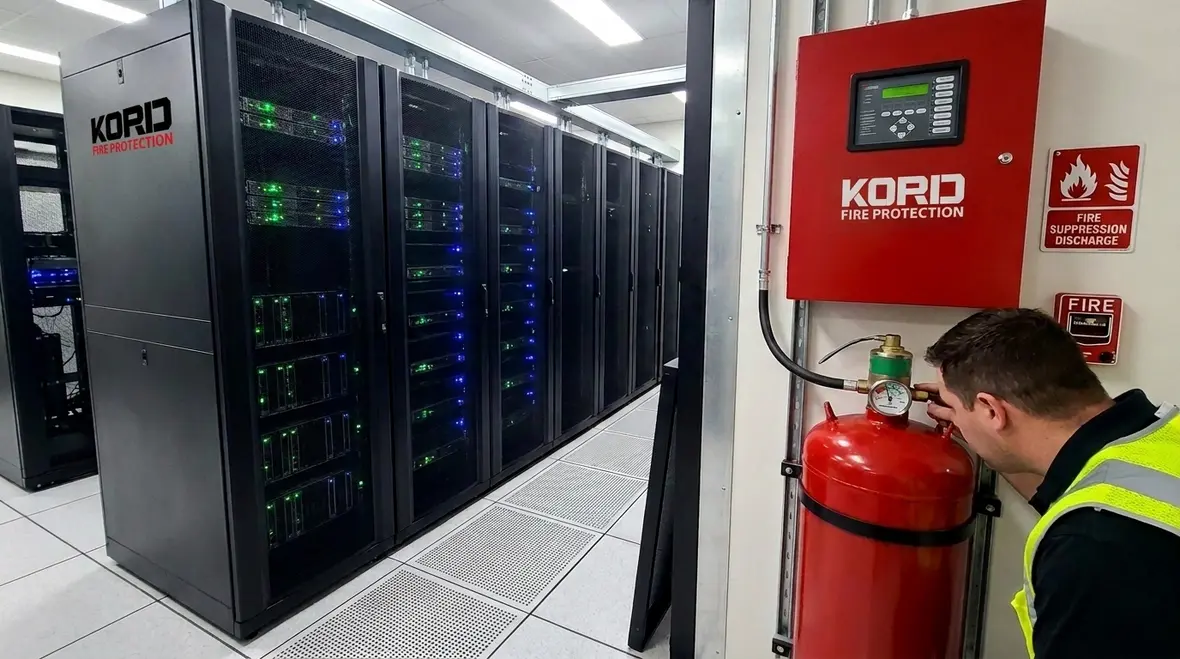
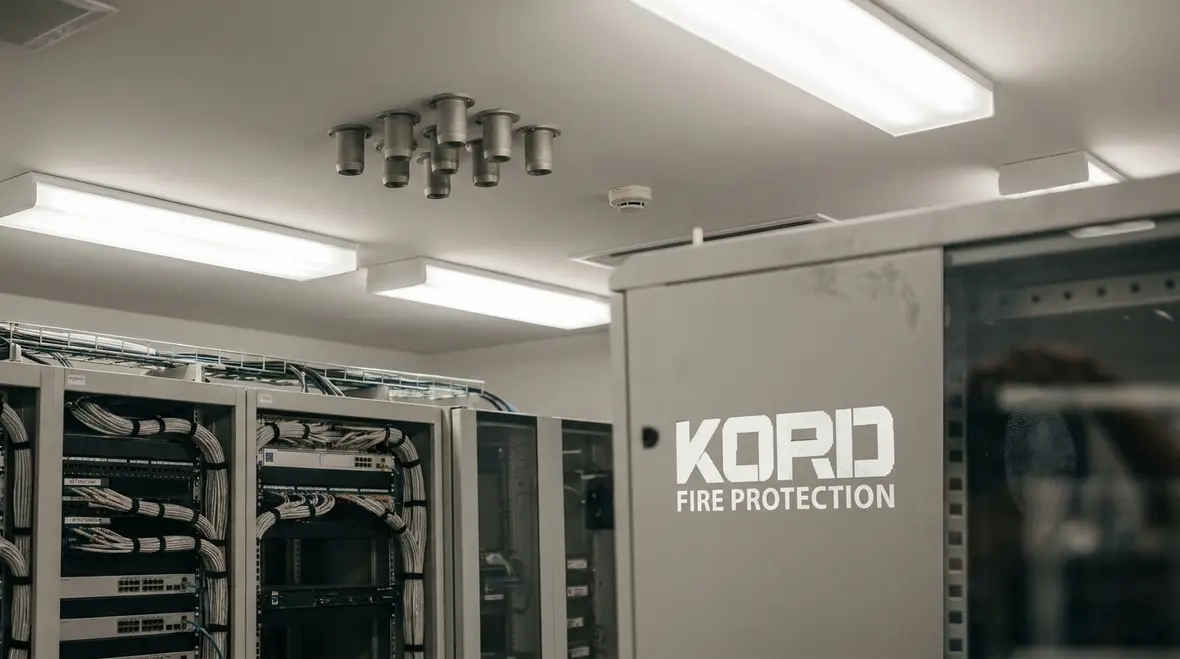
Because clean agents leave no residue, they work well in spaces where shutdown time costs money. That includes control rooms, server rooms, switchboards, plant areas, archive zones, and high value retail or industrial spaces. In other words, this standard speaks the language of uptime. Kord Fire describes clean agent systems as a strong fit for data centers, server rooms, telecommunications rooms, bank vaults, libraries, and control rooms where water damage would be a second emergency nobody ordered. ([kordfire.com](https://kordfire.com/clean-agent-fire-suppression/?utm_source=openai))
Why matching the system to the hazard matters
A clean agent system works best when the protected room, the fire risk, and the business goal all line up. If the room is not properly enclosed, if the hazard is not correctly understood, or if the system is chosen just because it sounds fancy, problems can show up fast. The purpose of Section 1.2 is to push everyone toward the right application before pipes, cylinders, and detectors start appearing on drawings.
That upfront clarity is more useful than it sounds. It helps facility owners avoid the expensive ritual of installing first and asking smarter questions later. It also helps project teams connect suppression choices to recovery time, asset protection, and the real cost of an incident. A fire event is bad enough without adding a sequel called “avoidable cleanup and redesign.”
Where clean agent systems fit best
Clean agent extinguishing systems suit areas where water based suppression could create more harm than the fire itself. They work best in enclosed spaces that need rapid fire control and careful asset protection. Therefore, many commercial and industrial facilities use them for high risk, high value, or high downtime spaces.
Common examples include:
- Electrical and switch rooms
- Data and communications rooms
- Control rooms and process areas
- Security and monitoring spaces
- Special storage zones
For retail facilities, the benefit often comes down to speed and cleanup. For industrial sites, the benefit often comes down to keeping operations moving after an incident. And yes, nobody wants a small fire to become the main character in a very expensive drama.
Common facility types that benefit most
Server rooms and communications spaces are obvious candidates because the equipment inside is sensitive, expensive, and usually important to everything else in the building. Control rooms and monitoring centers also benefit because one interruption can ripple through production, logistics, security, and customer service. In those spaces, a fast, residue free fire response is less of a luxury and more of a survival skill with paperwork.
Kord Fire’s service material specifically points to high value spaces where water based fire protection could damage equipment, electronics, documents, or other critical assets. Their broader fire suppression page also frames clean agent systems as part of a wider special hazards strategy for commercial and industrial properties. ([kordfire.com](https://kordfire.com/clean-agent-fire-suppression/?utm_source=openai))
Why compliance protects more than equipment
Compliance with clean agent standards is not only about checking a box. It supports safer design, better maintenance, and stronger risk control. As a result, facilities can reduce the chance of failed discharge, poor coverage, or system mismatch.
Section 1.2 helps decision makers understand the role of the standard before the finer design rules come into play. That early clarity can save time during planning and can also prevent costly redesign later. Moreover, a well matched system can reduce business interruption, protect staff workflows, and support insurance expectations.
For facilities that run long hours or rely on specialist equipment, this matters even more. Kord Fire repeatedly emphasizes planning, installation, testing, and maintenance as part of making sure clean agent systems stay compliant and ready when they matter most. Their releasing circuit testing content also highlights the need for clear documentation and reliable commissioning rather than depending on memory, luck, or a heroic shrug from the maintenance room. ([kordfire.com](https://kordfire.com/clean-agent-releasing-circuit-testing-and-service-plan/?utm_source=openai))
How the purpose of NFPA 2001 clean agent extinguishing systems supports uptime
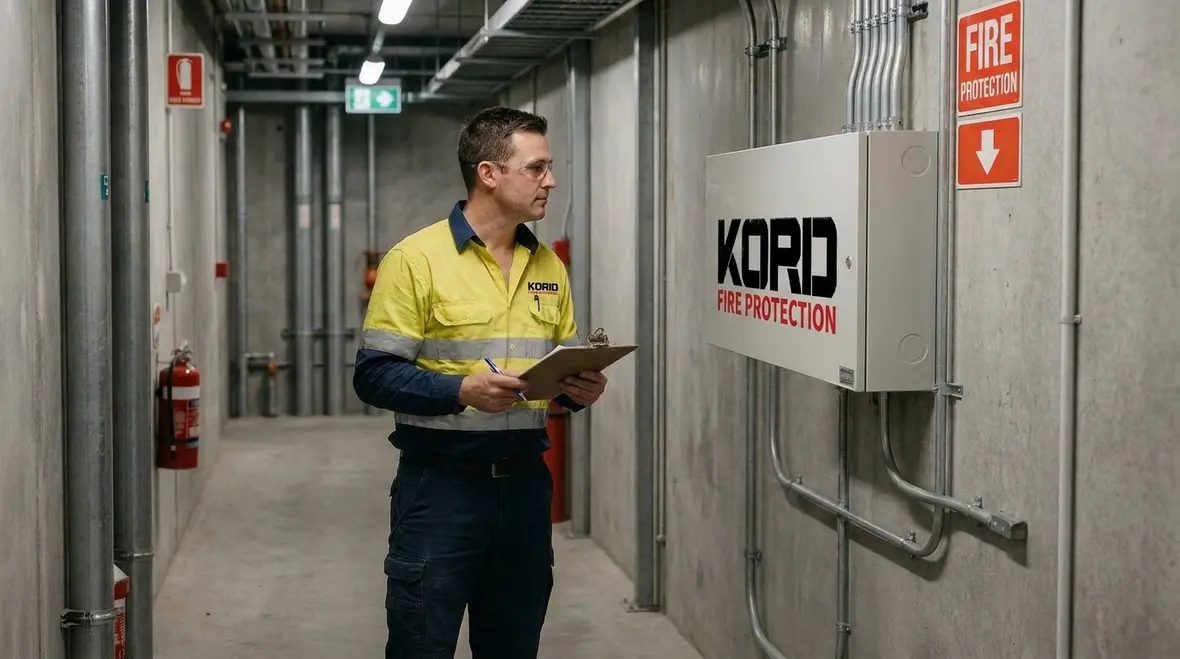
The purpose of NFPA 2001 clean agent extinguishing systems centers on fast fire knockdown with minimal damage. That makes them a strong choice where downtime hurts more than the fire itself. They also help facilities preserve critical documents, hardware, and production controls that water or foam could ruin.
At a practical level, this means less cleanup, less replacement cost, and less disruption to staff and customers. Therefore, the system becomes part of business continuity, not just fire protection. In many cases, that is the difference between a brief interruption and a week of pain with a clipboard, a wet floor, and a very unhappy operations manager.
Facility need
- Critical equipment
- High downtime risk
- Sensitive assets
- Compliance goals
How clean agent systems help
- Fast fire control without water damage
- Faster return to service
- Reduced cleanup and repair
- Better alignment with fire protection standards
If you want a deeper standards focused resource on the same topic, Kord Fire also has a related guide on NFPA 2001 guidelines for clean agent fire suppression systems that fits naturally into further planning and research.
How Kord Fire Protection can support the job
Kord Fire Protection can become a vital partner for facilities that need clean agent fire protection done right. From early advice through system design, installation, testing, and maintenance, the right provider helps turn standard requirements into a working solution that suits the site. Kord’s main service pages describe code compliant design and installation, preventive maintenance, and broader suppression support for commercial and industrial properties. ([kordfire.com](https://kordfire.com/?utm_source=openai))
That support matters because clean agent systems need more than parts on a wall. They need careful planning, correct application, and ongoing service. Kord Fire Protection can help assess the space, match the system to the hazard, and keep the installation aligned with the standard and the facility’s daily needs.
For industrial, commercial, and retail operations, that partnership can reduce confusion, improve reliability, and give owners more confidence in their fire protection plan. In short, it is less “hope for the best” and more “we planned for this like adults.”
FAQ
Ready to protect the site the smart way?
Facilities that depend on uptime, safety, and asset protection should treat NFPA 2001 Section 1.2 as a serious planning tool. With the right clean agent solution, they can reduce damage, speed recovery, and support compliance. Kord Fire Protection can help make that happen with practical advice and reliable service.
For sites that cannot afford messy downtime, that kind of support is worth its weight in copper, steel, and peace of mind. When the goal is to protect people, critical systems, and daily operations all at once, clean agent standards stop looking like paperwork and start looking like smart planning.

Join Our Newsletter!
Get the latest fire safety tips delivered straight to your inbox From our Newsletter.