NFPA 2001 Section 1.1: What Clean Agent Systems Are Covered Under the Standard?
Quick Answer: NFPA 2001 Section 1.1 sets the scope for clean agent fire suppression systems used to protect valuable equipment, people, and operations in industrial, commercial, and retail sites. It covers total flooding and local application systems using approved clean agents, helping facilities control fire without water damage or long downtime.
For many industrial, commercial, and retail facilities, NFPA 2001 scope clean agent fire suppression systems provide a smart way to protect mission critical spaces. These systems suit areas where water could cause more harm than the fire itself. Think server rooms, control rooms, electrical switchrooms, plant areas, and high value storage zones. In plain terms, NFPA 2001 Section 1.1 explains which clean agent systems fall under the standard, and that matters because the wrong setup can turn a fast response into a very expensive drama. Nobody wants a fire plan that behaves like a side character in a bad action movie.
Near the planning stage, it helps to connect the standard to real world service support. Kord Fire offers clean agent fire suppression system services for sensitive spaces where water based suppression could create a second disaster after the first one. If the goal is to protect uptime, electronics, records, or critical controls, that service page gives useful context for how the right system is chosen, installed, and maintained. ([kordfire.com](https://kordfire.com/clean-agent-fire-suppression/?utm_source=openai))
What NFPA 2001 Section 1.1 Covers
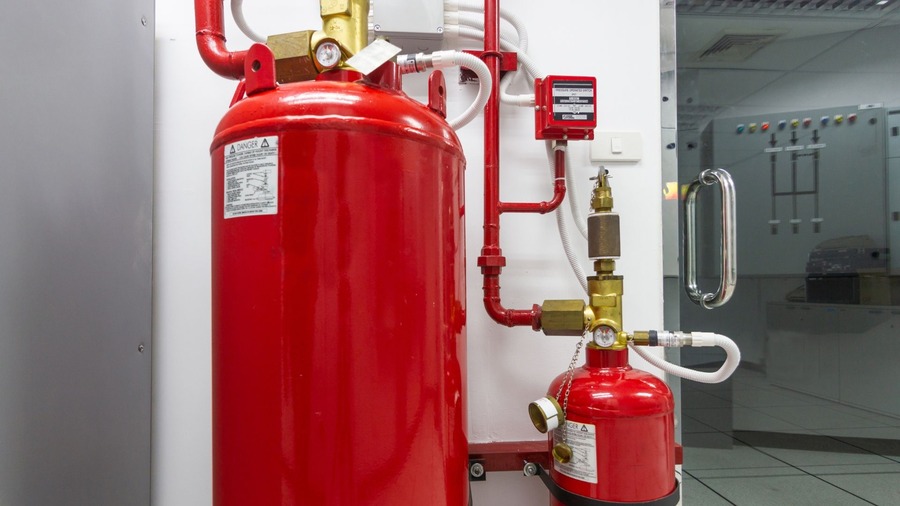
Section 1.1 defines the scope of the standard. It focuses on clean agent fire suppression systems that use gases or vapors designed to extinguish fire without leaving residue. These systems protect enclosed spaces where rapid suppression matters and where cleanup must stay simple. Kord Fire’s clean agent service overview describes these systems as a fit for high value spaces where water based fire protection could damage electronics, documents, and other critical assets, which aligns neatly with the kind of hazards NFPA 2001 is talking about. ([kordfire.com](https://kordfire.com/clean-agent-fire-suppression/?utm_source=openai))
In practical terms, the standard covers systems used for:
- Total flooding protection in enclosed rooms
- Local application protection for specific hazards
- Systems that use approved clean agents such as inert gas blends and chemical agents
Because of this, facility managers and fire protection teams use NFPA 2001 as a guide for design, installation, testing, and maintenance. That helps ensure the system works as intended when it counts most. And yes, fire safety tends to be most demanding right when everyone is already busy.
If you want a related deep dive, Kord Fire also has a dedicated article on NFPA 2001 guidelines for clean agent fire suppression systems, which fits naturally alongside the scope discussion here and helps readers move from “what is covered” to “how the standard guides the system.” ([kordfire.com](https://kordfire.com/clean-agent-fire-suppression/?utm_source=openai))
Why Clean Agent Systems Matter for Modern Facilities
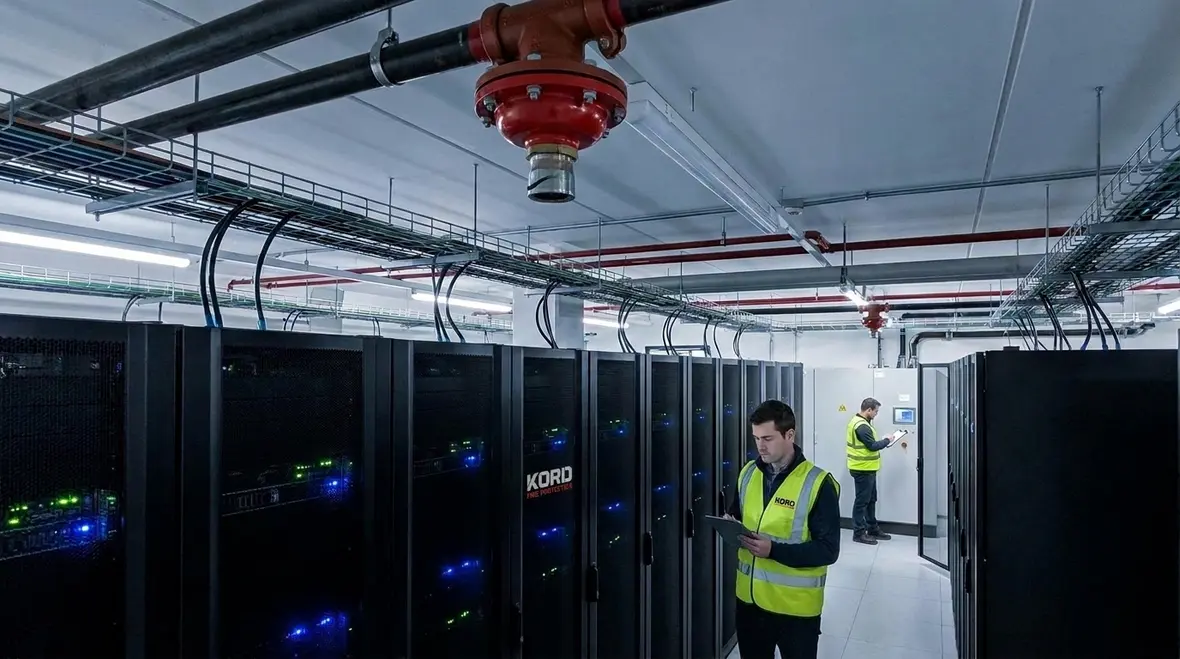
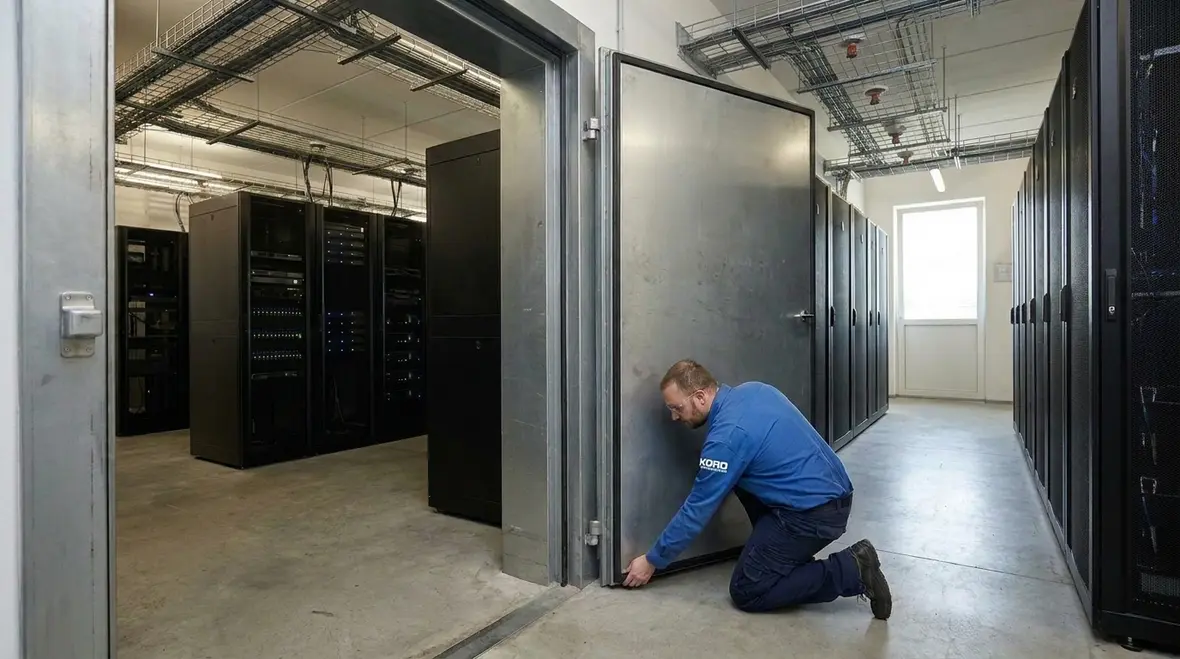
Clean agent systems solve a very specific problem. They suppress fire while avoiding the mess and damage that water can bring. That makes them a strong fit for facilities that run on sensitive equipment, uptime, and compliance. Kord Fire’s service page specifically notes use cases such as data centers, server rooms, telecommunications rooms, bank vaults, libraries, and control rooms, all of which are environments where downtime and cleanup matter just as much as flame knockdown. ([kordfire.com](https://kordfire.com/clean-agent-fire-suppression/?utm_source=openai))
For businesses across logistics, manufacturing, retail support centres, data operations, and critical services, this matters in a big way. A short outage can affect stock, service, compliance, and reputation. Therefore, a clean agent system protects more than equipment. It protects continuity.
These systems often suit:
- Data centres and server rooms
- Electrical switchboards and MCC rooms
- Control rooms and SCADA rooms
- Telecom facilities
- Archive and record storage areas
In other words, NFPA 2001 scope clean agent fire suppression systems often sit where a sprinkler discharge would feel less like protection and more like a plot twist. That is why Kord Fire repeatedly frames clean agent systems as the practical answer for high value rooms that cannot tolerate residue, water damage, or long cleanup windows. ([kordfire.com](https://kordfire.com/clean-agent-fire-suppression/?utm_source=openai))
Which Clean Agent Types Fall Under the Standard
NFPA 2001 addresses clean agents that leave no harmful residue after discharge. It includes both chemical and inert gas agents, as long as they meet the standard’s requirements and suit the protected hazard. Kord Fire’s clean agent service page mentions examples such as FK 5 1 12, FM 200, and inert gases like Inergen, giving a useful real world frame for the types of systems readers usually have in mind when discussing this standard. ([kordfire.com](https://kordfire.com/clean-agent-fire-suppression/?utm_source=openai))
| System Type | Typical Use |
| Inert gas systems | Spaces with people, assets, and sensitive electronics |
| Chemical agent systems | Small to medium enclosed hazards needing fast suppression |
| Total flooding systems | Fully enclosed rooms that can hold the agent long enough to work |
| Local application systems | Specific hazards that need direct agent delivery |
The key point is simple. The system must match the hazard, enclosure, and safety goals. If not, the plan can look solid on paper and still fail in the real world. Fire does not care about bad assumptions. It shows up like a late season villain and ruins the schedule.
How the Standard Supports Design and Compliance
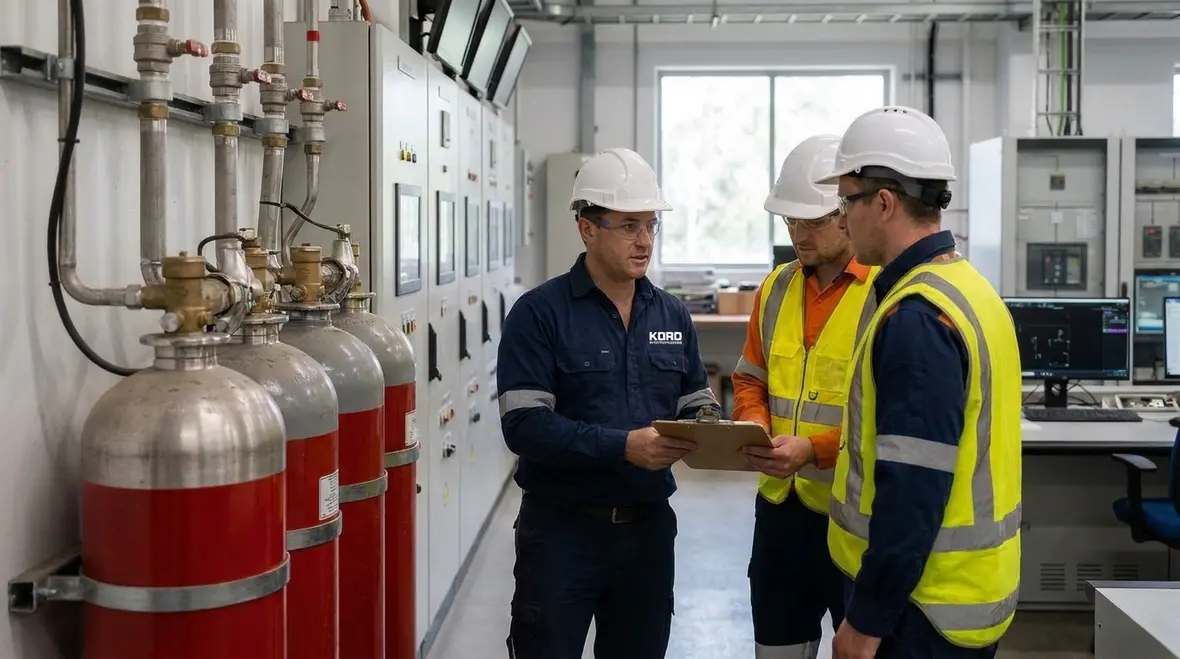
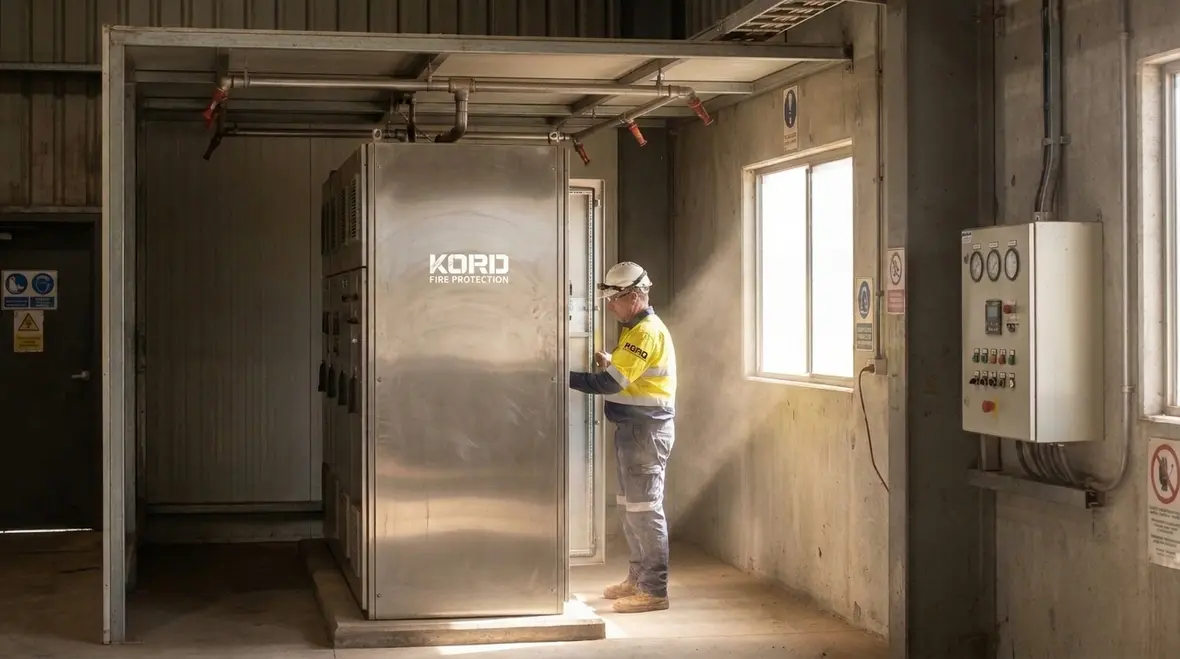
Section 1.1 does more than define scope. It sets the stage for proper system design, which is where many projects succeed or stumble. A clean agent system needs correct sizing, good room integrity, proper agent choice, and safe occupant limits. It also needs clear testing and maintenance rules. Kord Fire’s clean agent service page explicitly states that NFPA has specific guidelines for clean agent fire suppression, installation, testing, and maintenance, and says those procedures should be handled by certified professionals. ([kordfire.com](https://kordfire.com/clean-agent-fire-suppression/?utm_source=openai))
That is why the standard matters to consultants, contractors, facility managers, and building owners. It helps them keep the system effective and compliant. It also supports coordination with site needs, local code duties, and asset protection goals. As a result, teams can reduce risk without creating extra downtime or avoidable cost.
Strong compliance also helps during audits, insurance reviews, and handover. That can save time later, and in business, time often behaves like gold with better shoes.
How Kord Fire Protection Adds Real Value
Kord Fire Protection can become a vital partner in this work because clean agent systems need more than product supply. They need careful planning, smart design support, experienced installation, and reliable long term service. Kord Fire’s service page says its team offers everything from system design and installation to regular maintenance and emergency support, and that it can help keep clean agent systems ready for data centers, server rooms, and other critical environments. ([kordfire.com](https://kordfire.com/clean-agent-fire-suppression/?utm_source=openai))
Kord Fire Protection can support:
- System selection for the right application
- Design and installation for clean agent coverage
- Testing, inspection, and maintenance plans
- Service support to keep systems ready
So, instead of treating fire protection like a box to tick, facilities can treat it like a working shield. That is where a capable partner earns its keep. Kord Fire’s broader fire suppression services page also helps show how clean agent protection fits within a wider site strategy that may involve multiple suppression approaches across different hazards. ([kordfire.com](https://kordfire.com/fire-suppression/?utm_source=openai))
When a Facility Should Review Its Clean Agent Protection
A facility should review its clean agent system when it changes equipment, room layout, cable loads, or occupancy patterns. It should also review the system after renovations, tenant changes, or asset growth. Even small changes can affect room tightness and discharge performance. Kord Fire’s room integrity testing content underscores how important enclosure performance is in spaces like data centers, control rooms, labs, and archives, where the agent must stay where it is supposed to stay long enough to do its job. ([kordfire.com](https://kordfire.com/clean-agent-suppression-system-and-room-integrity-testing/?utm_source=openai))
Regular review also helps if the site has older systems that may need updates to stay aligned with current expectations. This is especially important in fast moving commercial and industrial settings, where yesterday’s design may not match today’s risk. Kord Fire’s service model emphasizes inspections, maintenance, and repairs across suppression systems, which supports the idea that system readiness is not a one time event but an ongoing job. ([kordfire.com](https://kordfire.com/clean-agent-fire-suppression/?utm_source=openai))
For this reason, a periodic review keeps the protection current, practical, and ready for the next emergency. And ideally, emergencies prefer to remain hypothetical.
FAQ
Final Takeaway
NFPA 2001 Section 1.1 gives clear direction on which clean agent systems fall under the standard, and that clarity helps facilities protect people, assets, and uptime. The scope matters because it tells teams whether the planned system really fits the hazard, the enclosure, and the operational stakes. When a space contains critical electronics, controls, records, or infrastructure, a waterless suppression strategy can be the difference between a quick recovery and a very expensive cleanup montage.
For businesses that need dependable fire protection, the right partner matters just as much as the right system. Kord Fire’s clean agent suppression services, room integrity support, and broader suppression expertise make a practical next step for facilities that want protection to stay compliant, effective, and ready when it counts. Reach out and make the fire plan work like it should. ([kordfire.com](https://kordfire.com/clean-agent-fire-suppression/?utm_source=openai))

Join Our Newsletter!
Get the latest fire safety tips delivered straight to your inbox From our Newsletter.