Clean Agent Fire Suppression Safety With Occupants Nearby
When people are in the room, clean agent fire suppression safety becomes the quiet hero of the moment. It works fast, reduces damage, and helps protect people without flooding the space with messy residue. However, safety does not happen by accident. Teams must plan the system, verify the room conditions, and follow strict procedures so the discharge does what it should and nothing more.
So, what actually happens when people remain inside while the agent activates? Let’s walk through it step by step, in plain terms, with the kind of calm focus that makes everyone’s day a little less dramatic. Because nobody needs a fire event plus a surprise science project.
Note: This article uses the phrase “clean agent fire suppression safety” early, then explains the rest of the process with clear, practical details.
What activates when the clean agent system goes off
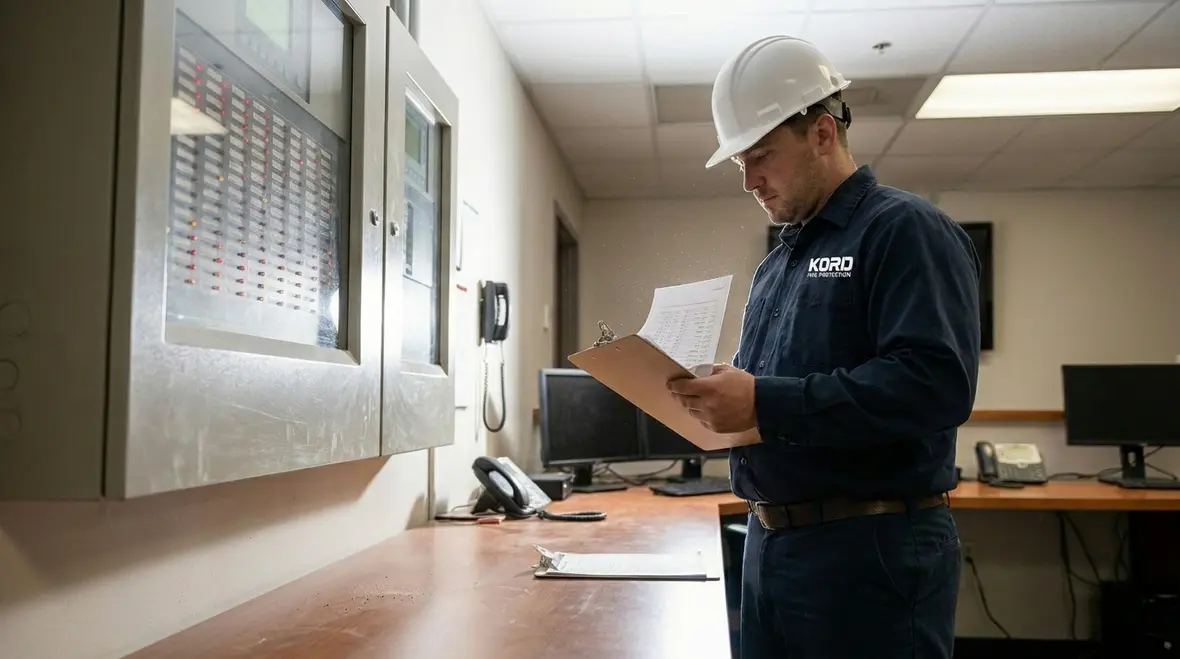
In most facilities, a detector senses smoke, heat, or both. Next, the control panel confirms the alarm sequence, then it moves into a pre-discharge stage. During that stage, occupants receive alerts through horns, strobes, and sometimes voice messaging. Then, if the system still confirms fire, it discharges the agent into the protected space.
Importantly, clean agents are designed for rapid extinguishment while limiting residue. Therefore, the goal is to cut the fire’s ability to sustain itself rather than just “smother” it with heavy chemicals. In many settings, the agent release starts only when the system meets specific criteria, such as verified alarm conditions and time delays that allow orderly evacuation.
Still, “people in the room” can mean different scenarios. Some workplaces plan for staged evacuation. Others require occupants to remain temporarily while staff control the situation. That is why procedures, signage, and training matter as much as hardware.
The pre-discharge window matters more than people think
That short delay between alarm confirmation and release is where good planning earns its paycheck. People hear the warning, supervisors make quick decisions, and trained staff can carry out shutdown steps without turning the room into a frantic obstacle course. It is a narrow slice of time, but it can make the whole event safer and more orderly.
How people stay protected during discharge
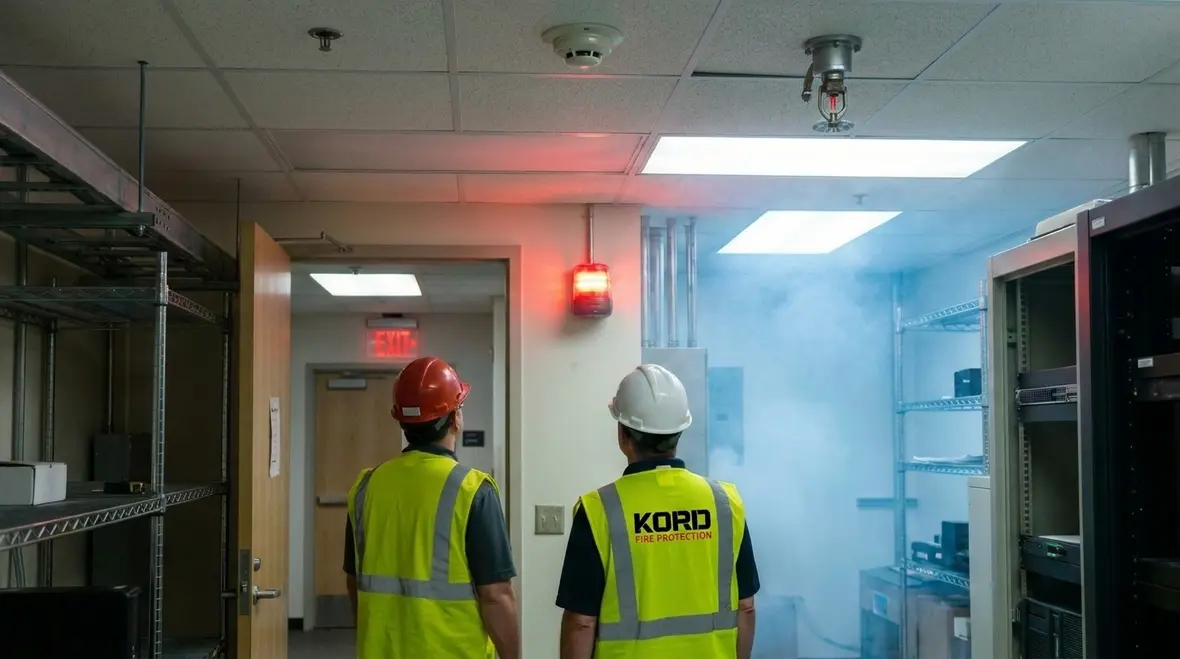
The room’s safety strategy depends on two major factors: agent concentration and exposure time. Clean agent designs use calculations that aim to keep conditions within acceptable limits for human presence when the system is set up and maintained correctly. In other words, the system targets the right concentration to stop the fire, not to “punish” the people.
Additionally, engineers size each room based on volume, leakage assumptions, airflow patterns, and door positions. Then, they account for the time from alarm to discharge. As a result, the discharge plan fits the space instead of forcing the space to fit the plan.
However, if someone blocks a vent, leaves a door open, or changes room layout without notifying the fire team, the math can stop matching reality. So, safety remains strong only when the environment stays consistent with the design intent.
Why room integrity is not just an engineering buzzword
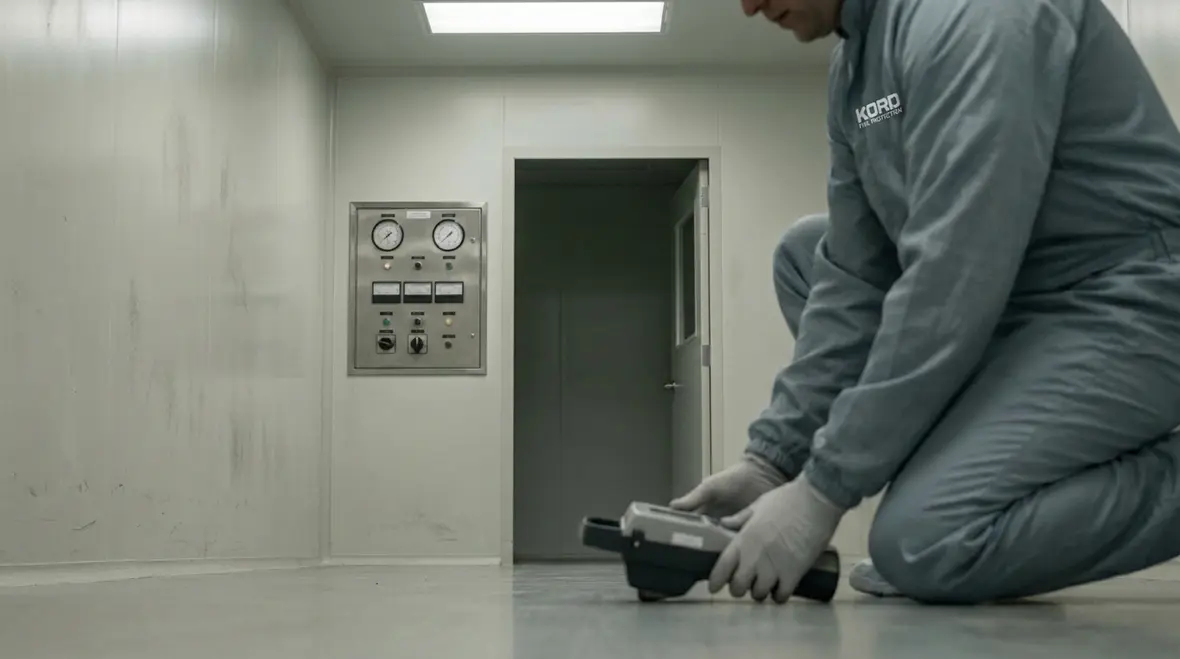
A clean agent system depends on the room behaving like the room it was designed for. If penetrations are not sealed or airflow changes after an HVAC update, the agent may not hold concentration as intended. That is why room integrity testing deserves a place in the maintenance conversation before anyone assumes the system is still perfect just because the cylinders look confident.
What happens to air quality and visibility in the room
Clean agents do not behave like fog machines. They do not usually create the same kind of heavy, lingering haze that people fear. Yet, the agent still changes the atmosphere briefly, and that can affect breathing comfort for some individuals, especially if they already have respiratory sensitivity.
Therefore, teams must focus on the practical side of air quality. For example, they ensure proper ventilation shutdown sequences when required, confirm that door hold-open devices do not break the discharge plan, and verify that emergency egress routes stay clear.
Also, visibility can shift during an event due to smoke, not just the agent. So, the system works best when suppression and detection coordinate well, because smoke removal and occupant guidance go hand in hand during emergencies.
The atmosphere changes, but the plan should not
If the alarm sounds, nobody should be inventing a response in real time. Air handling sequences, evacuation paths, and accountability steps should already be clear. Calm procedure beats improvised heroics every single time, and it usually involves fewer people shouting contradictory things across a noisy room.
Why room design and maintenance decide the real outcome
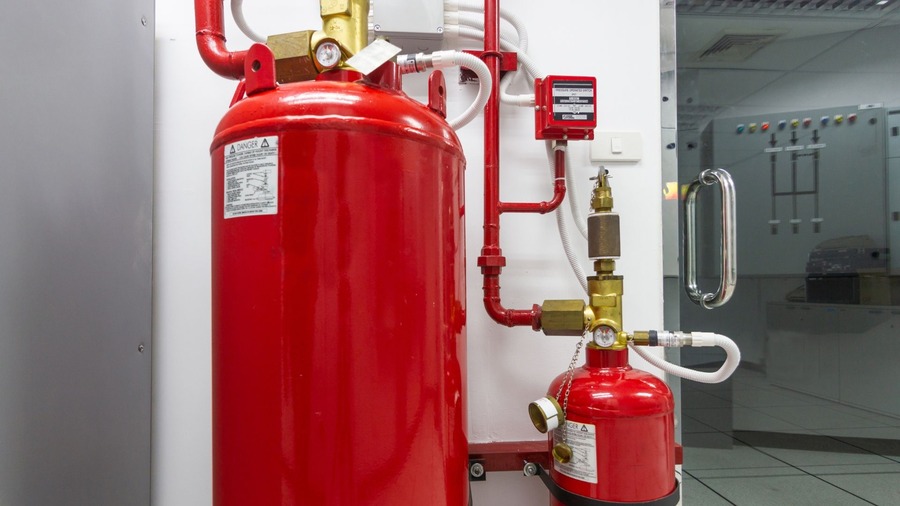
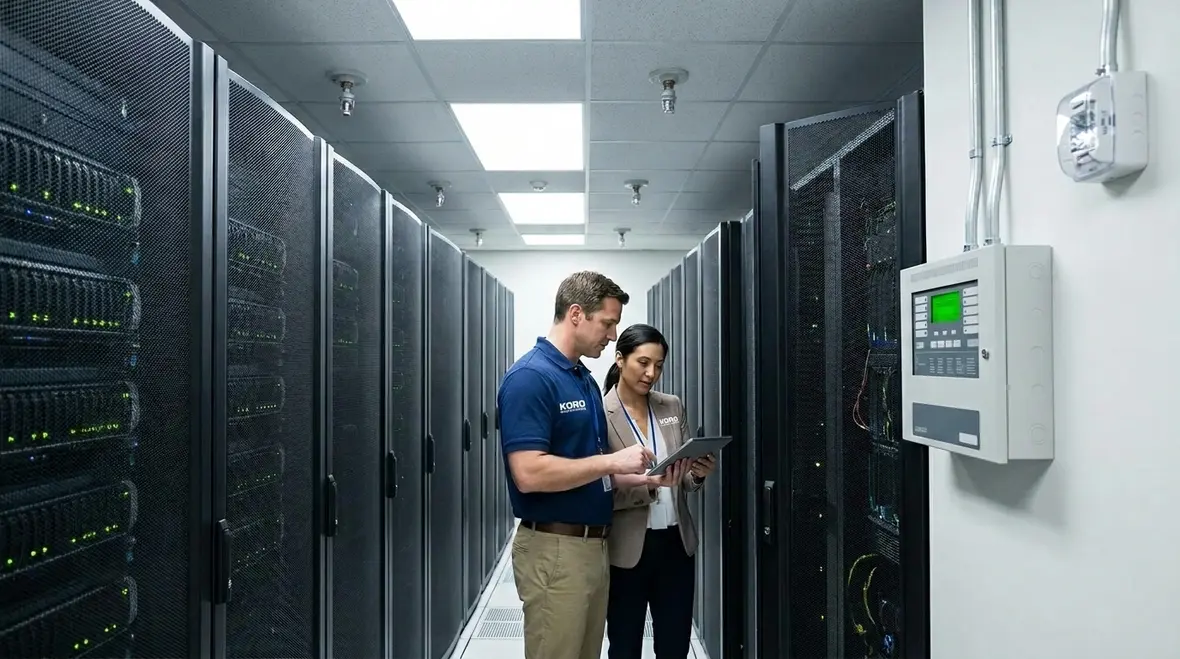
People often assume fire suppression is a plug-and-play feature. In reality, it is a living system. After installation, routine checks ensure pressure levels stay within spec, nozzles remain clean, actuators function, and detection zones keep their sensitivity. Over time, dust, corrosion, or minor repairs can affect performance.
Furthermore, many incidents happen not because the system fails completely, but because conditions drift. Common examples include unsealed penetrations, changes to ceilings, renovations that add storage racks, or HVAC updates that alter airflow. When those happen, the agent distribution pattern can change.
So, the service plan matters. Regular inspection, periodic functional testing, and fast correction of issues help preserve clean agent fire suppression safety. And yes, paperwork still matters. Boring? Sure. Useful? Absolutely. Like a smoke alarm that actually works.
If your team is comparing suppression approaches across occupiable spaces, Kord Fire’s overview of clean agent vs traditional fire suppression systems adds helpful context on where gas based systems shine and where other methods still make sense.
How Kord Fire Protection supports clean agent safety planning
When a facility runs a clean agent system, it needs a partner that understands both the technical side and the real-world operations side. This is where Kord Fire Protection can become a vital ally.
They help facilities maintain readiness through inspections, documentation support, and guidance on system changes that could affect agent performance. Also, they can assist with aligning procedures so that staff respond correctly before, during, and after discharge.
In many workplaces, the toughest part is not the discharge itself. It is the gap between “we have a system” and “we run it correctly every day.” Kord Fire Protection helps close that gap by supporting service schedules, verifying that room conditions match design needs, and ensuring the team can explain what happens when people remain inside.
Because in an emergency, nobody wants a hero speech. They want clarity, checklists, and a system that behaves like it was built for the exact space it protects.
For facilities protecting electronics, archives, control equipment, or other high value spaces, Kord Fire’s dedicated clean agent fire suppression service page explains how these systems are applied, maintained, and matched to the environment.
Operational steps when people must stay nearby
Not every situation allows full evacuation right away. Some roles, like maintaining shutdown of certain processes or monitoring equipment safely, require close presence for a brief period. Therefore, facilities must plan what “nearby” means during clean agent operations.
First, staff should follow alarm messaging and evacuation guidance exactly. Next, trained personnel may need to shut down ventilation systems or secure hazardous operations, but they must do so without creating new hazards, such as obstructing exits.
Third, the facility should define who can override or delay actions and under what conditions. That prevents confusion when multiple teams hear alarms and start doing their own version of “common sense.”
Finally, after discharge, staff should follow re-entry procedures. Clean agents often leave minimal residue, yet the environment still requires confirmation of safe conditions. Ventilation, inspection, and clearance steps help ensure people return with confidence, not guesses.
A simple way to think about nearby occupancy
“Nearby” should never be vague. It should mean a defined role, a defined task, and a defined time window supported by training. Anything fuzzier than that invites the kind of confusion that turns a manageable event into a parade of mixed signals and regrettable assumptions.
FAQ about clean agent suppression with occupants in the room
Ready for real readiness, not just “we installed it”
Clean agent systems protect people best when the plan stays current and the team knows what to do. If your facility has occupants who may remain nearby during an event, it is smart to review room conditions, service records, and staff procedures with a trusted partner. Kord Fire Protection can help keep the system dependable and the process clear.
Take action now: schedule a service review and walk through the response steps before an alarm turns into a headline. If you want a direct next step, explore clean agent fire suppression services or review Kord Fire’s broader fire suppression system options to match the right protection strategy to your space.

Join Our Newsletter!
Get the latest fire safety tips delivered straight to your inbox From our Newsletter.