CO2 Fire Suppression Southern California by Kord Fire Protection
In Southern California, CO2 fire suppression southern california systems help protect facilities where water, foam, or other agents can cause damage or slow down the response. These spaces often include machine rooms, fuel handling areas, and certain industrial environments where every second counts. However, installing and maintaining the right system is not a weekend project, and it should never feel like “wing it and hope.” Instead, teams rely on proven design, careful testing, and fast service. Kord Fire Protection can become a vital partner on these jobs, guiding owners through code requirements, installation coordination, and ongoing inspections so the system stays ready when the alarm sounds and chaos tries to move in.
Now, let’s walk through what these systems do, why Southern California conditions matter, and how Kord Fire Protection fits into the real-world work behind the scenes.
How CO2 systems work for industrial risk control
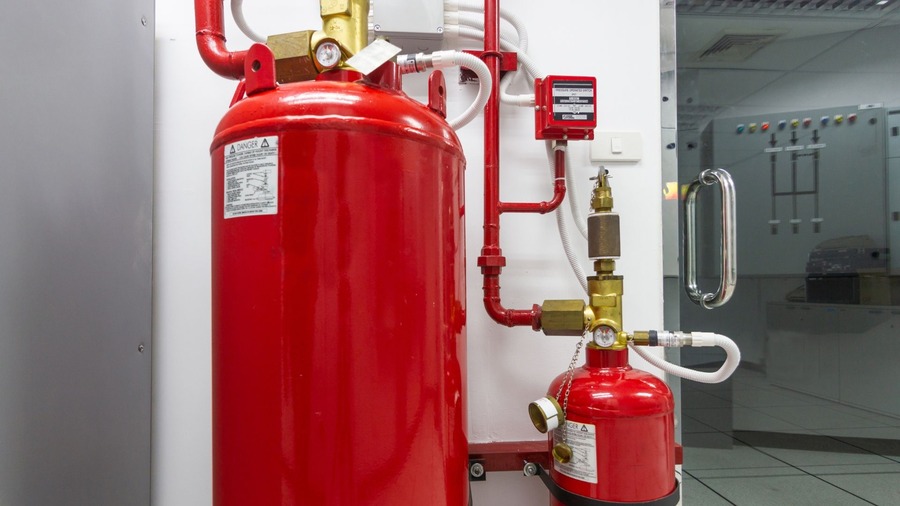
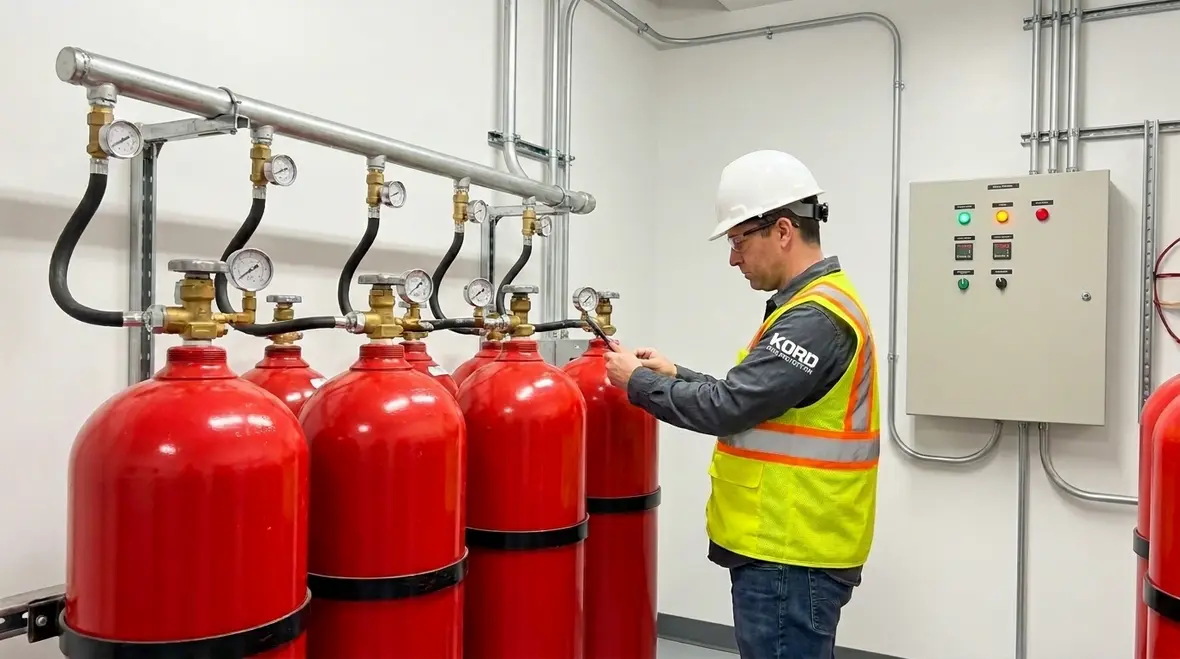
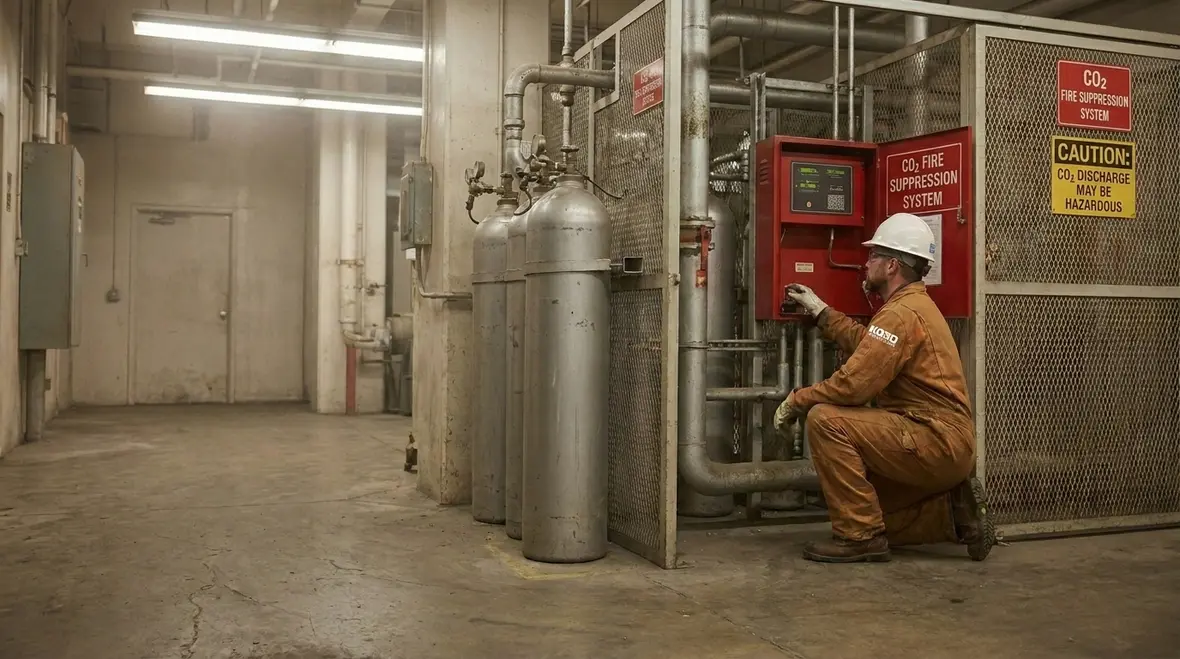
A CO2 fire suppression southern california setup uses carbon dioxide gas to reduce oxygen around a fire. That drop makes it harder for flames to keep burning, and it helps protect people and property long enough for evacuation and emergency response. In many designs, the system discharges through nozzles into a protected space, such as an enclosed room or a specific hazard area. Kord Fire Protection’s CO2 fire suppression systems service page explains how these systems are used where water-based protection is not the best fit.
Because CO2 is stored under pressure, technicians plan the discharge timing and quantity based on the enclosure size, leakage risks, and fire load assumptions. Therefore, the job needs more than a simple “connect the cylinder and walk away.” It requires engineering discipline and a clear understanding of how the space behaves during an alarm.
In other words, this is not a magic fog machine. It is a controlled safety system that must match the hazards exactly. If someone treats it like a one-size-fits-all solution, the system will act like a comedian in the wrong room: loud, confident, and still not useful.
Why this matters in busy industrial spaces
Industrial settings often have equipment layouts, airflow patterns, and process risks that do not forgive sloppy planning. A room that looks straightforward on paper can behave very differently once ventilation systems, cable penetrations, heat sources, and operator access points are considered. That is why system design should reflect the actual environment, not the fantasy version that only exists in a rushed sketch and somebody’s optimism.
Where CO2 fire suppression fits best in Southern California facilities
Southern California includes a wide range of industries, and that variety shapes where gas-based suppression makes sense. CO2 often suits environments where water can worsen damage, such as areas with sensitive electrical components, certain processing equipment, or locations where clean-up after a discharge becomes a serious issue.
Also, many facilities in the region work around strict uptime needs. As a result, they choose suppression strategies that can protect without flooding spaces or damaging products. However, the correct application depends on factors like ventilation, enclosure integrity, and the likelihood of a fire starting within the protected volume.
Additionally, local fire protection expectations focus on documentation, labeling, and consistent inspection schedules. Transitioning from “we have a system” to “we have a system that works as designed” requires real service partnerships. That is where a company like Kord Fire Protection helps owners stay aligned with the practical side of fire protection, not just the theoretical side.
Typical environments where it earns its keep
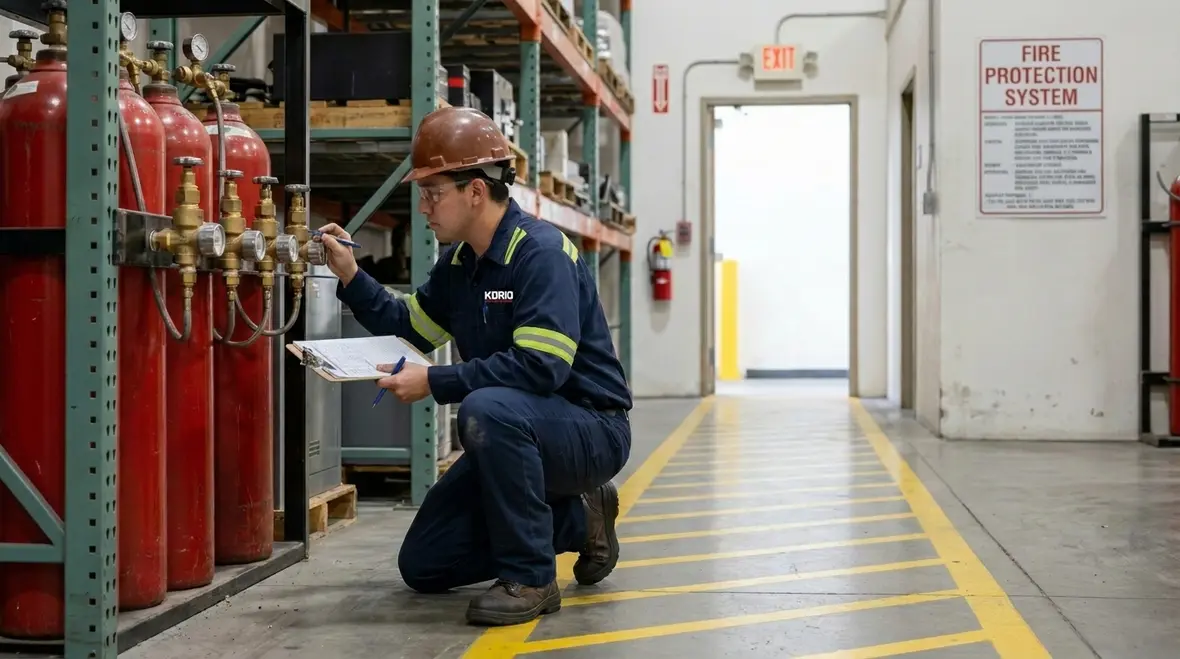
Facilities may look to CO2 protection for enclosed hazards tied to machinery, flammable liquids, electrical exposure, or process equipment where residue from another agent would be a second emergency. When down time is expensive and cleanup can drag operations into a long, miserable Monday that started on a Thursday, the value of the right suppression choice becomes very obvious.
Key design factors for reliable discharge and protection
Design drives performance. For CO2 systems, engineers calculate the volume to be protected and account for airflow, door openings, and leakage. Moreover, the discharge rate matters because the system must deliver CO2 quickly enough to control the fire before it grows beyond the hazard assumptions.
Technicians also pay close attention to detection and control. If the detection strategy triggers too early, the system could discharge during normal operations. If it triggers too late, it can release gas when the hazard has already escalated. Therefore, good projects pair detection choices with a site walkthrough and a realistic view of how the space operates during daily work.
In addition, the system needs warning devices, signage, and safety procedures. CO2 displaces oxygen, so controlled entry and evacuation steps must align with the facility’s emergency plan. Kord Fire Protection can assist here by coordinating site requirements, helping owners prepare training materials, and ensuring the system gets checked after updates or changes in the facility.
This kind of planning fits neatly with the broader approach described in Kord Fire Protection’s fire suppression system design, types and maintenance article, where the focus stays on matching the system to the actual risk instead of forcing the risk to fit a generic answer.
Detection, timing, and all the details nobody should skip
A reliable discharge depends on more than the agent itself. Detection devices, release controls, alarm sequencing, and enclosure behavior all have to work together. If one part is treated like an afterthought, the whole setup starts acting less like a life safety system and more like a group project where half the team never checked their email.
Installation, commissioning, and testing that keep crews safe
After design comes installation, and after installation comes commissioning. In real construction schedules, these steps sometimes get rushed, because someone always needs access “right now.” Yet CO2 systems depend on precise setup, and small errors can lead to major failures. For instance, improper piping layout, incorrect cylinder connections, or missed labeling can create trouble when the system is supposed to perform under stress.
During commissioning, teams verify components and operational logic. Then they confirm detection behavior, alarm outputs, and discharge controls. After that, they complete test documentation so the facility can prove readiness during inspections. Meanwhile, safety coordination remains non-negotiable. Crews must know the timeline, the lockout steps, and what to do when alarms appear.
Here is where Kord Fire Protection becomes more than a vendor. They can help manage the full job flow so the system does not just get installed, but actually gets turned into dependable protection. In a region where fire risk awareness is high, that ongoing readiness matters.
Maintenance and inspection schedules that prevent surprises
A CO2 system does not “set it and forget it.” Over time, cylinders, valves, sensors, and controls need inspection to confirm the system stays within required conditions. Therefore, maintenance must include checks of pressure readings, component condition, and verification that the discharge path remains clear.
Additionally, facilities evolve. New equipment gets added, partitions get moved, and airflow patterns can change. Even small changes can affect how the protected space behaves. When owners plan upgrades or facility renovations, they should treat the suppression system like part of the life of the building, not a distant relic.
To keep things on track, Kord Fire Protection can support routine service, documentation updates, and site coordination. So, if the facility changes, the protection plan changes too. Think of it like keeping your car’s maintenance current, except the stakes are higher and nobody wants to be stranded during an emergency.
That steady attention lines up with Kord Fire Protection’s overview of the full lifecycle of fire protection servicing, which frames inspection, maintenance, and eventual updates as part of one continuous responsibility rather than a string of disconnected tasks.
Compliance, documentation, and the Southern California reality check
Southern California fire protection work often requires careful alignment with codes, inspection routines, and paperwork that proves the system stays compliant. That includes testing records, labeling, and service history. Importantly, owners do not just need a binder full of papers. They need accurate evidence that the system is maintained and ready.
However, compliance also depends on communication between facility staff, installers, and service providers. If the wrong person controls the system documentation or if the facility team does not know where procedures live, response plans can fall apart when they matter most. Therefore, strong service partnerships reduce gaps.
Kord Fire Protection can help bridge these gaps by offering consistent service practices, supporting inspections, and ensuring the system documentation stays clear and current. That kind of organization prevents the “we thought someone else handled it” moment that no one wants to explain in a meeting.
When to upgrade from older systems or expand coverage
Some facilities inherit aging protection systems, and others plan growth. Either way, upgrades can become necessary when equipment changes, hazards increase, or the facility needs expanded coverage. Often, an older CO2 layout may not match current occupancy patterns, enclosure modifications, or operating workflows.
Moreover, regulatory expectations can evolve over time, and older systems might need updates to meet current service and inspection requirements. Upgrades can include revised detection strategies, improved safety signaling, or adjustments to discharge design based on updated enclosure conditions.
Kord Fire Protection can help evaluate options and plan next steps so the facility does not spend money twice. They can also support phased work, meaning the facility can maintain operations while protection improvements move forward.
Dual considerations: protection goals and people safety
CO2 systems protect hazards, but they also require strong safety planning for occupants and responders. Because CO2 displaces oxygen, facility procedures must control access to protected spaces and communicate discharge risk. Meanwhile, the business goal remains clear: stop the fire, limit damage, and support safe evacuation.
| Protection focus | People safety focus |
|---|---|
Accurate design for protected volume, discharge timing, and hazard assumptions | Clear warning systems, evacuation procedures, and training for facility staff |
Correct installation, commissioning, and ongoing inspection records | Safety signage, access control planning, and coordination with emergency response plans |
FAQ about CO2 fire suppression systems
Partner with Kord Fire Protection for dependable readiness
CO2 fire suppression is built on precision: correct design, careful installation, documented commissioning, and steady maintenance. In Southern California, facilities also need clear coordination because schedules, upgrades, and inspection timelines move fast. Kord Fire Protection can serve as a vital partner with this service job, helping teams keep systems compliant and ready for action.
Near the finish line, the smartest move is usually the same one that should have happened earlier: bring in the right team. Explore Kord Fire Protection’s full fire protection services to review the system you have, improve the coverage you need, and reduce surprises when the alarm finally demands attention. If your facility needs a focused solution, their CO2 fire suppression systems service page is the right next stop.

Join Our Newsletter!
Get the latest fire safety tips delivered straight to your inbox From our Newsletter.