
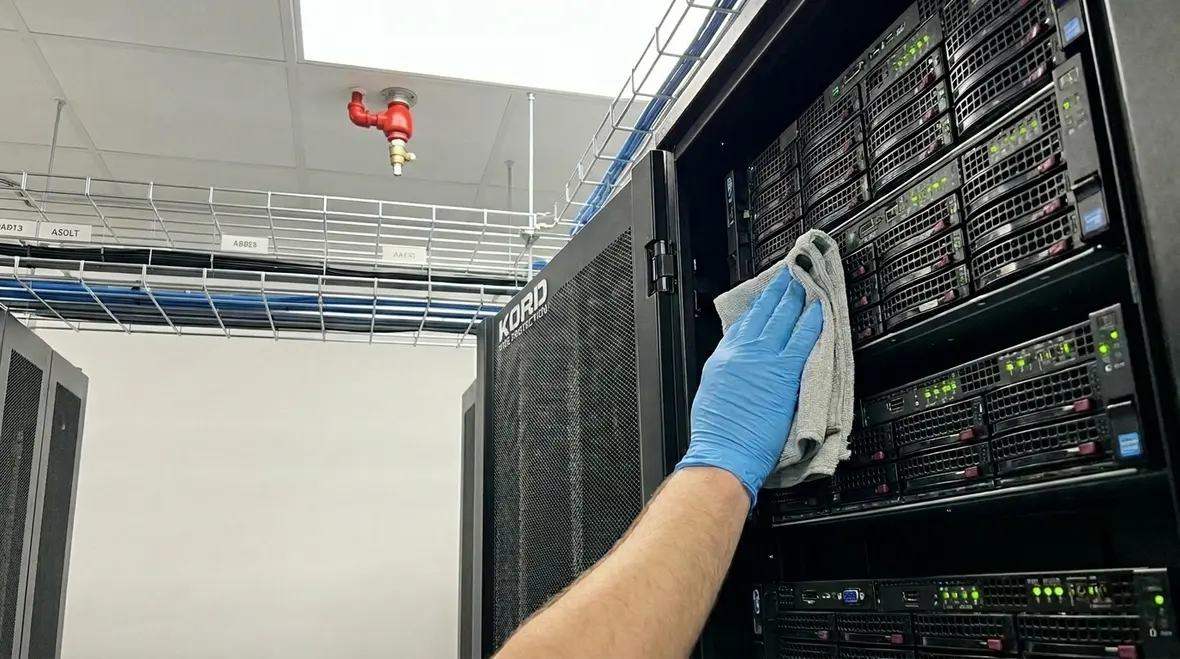
Best Clean Agent for Server Room and Kord Fire Protection
When server rooms need cleaning, the question is not just “what looks clean,” but what stays reliable under heat, dust, and constant airflow. The best clean agent for server room work often comes down to one principle: it must remove grime without leaving residue, spreading conductive particles, or irritating sensitive electronics. In the real world, that usually means using a controlled, electronics friendly cleaning approach with the right agent matched to the soil type. And because server rooms rarely behave like a clean room movie set, a good partner matters. That is where Kord Fire Protection can become a vital partner, especially when cleaning work overlaps with fire safety readiness, inspection schedules, and system protection protocols.
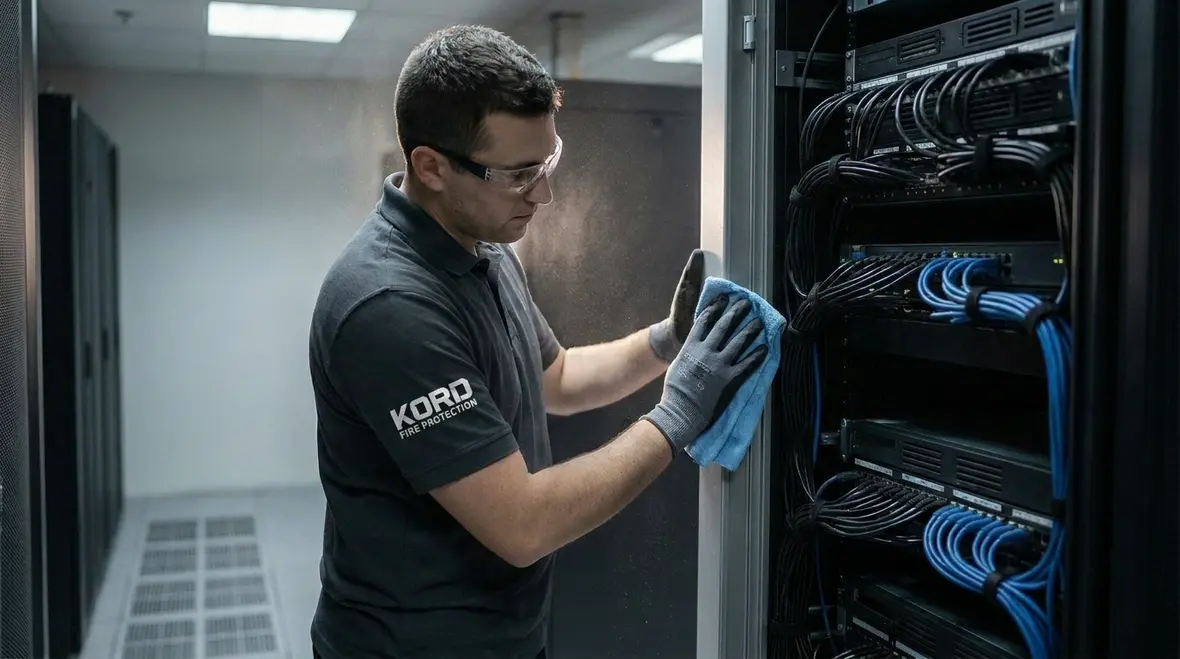
How to choose the best clean agent for server room environments
Server rooms run on airflow and precision. Therefore, the cleaning plan must protect airflow paths, control particulate spread, and avoid wet chemicals that can migrate into equipment. To pick the right agent, facilities teams should start by matching the cleaner to the “soil story.” Dust is not the same as grease. Fine carbon dust is not the same as construction debris. Next, they should check compatibility with common materials in the room, like painted steel, powder coating, cabling jackets, and plastic bezels.
Then they should prioritize low residue chemistry. Residue is the sneaky villain that can attract more dust, create insulating layers, or complicate future inspections. Finally, they should confirm safe application methods: wipe use, targeted spray use, or specialist dry cleaning where appropriate. If someone promises “one product fits all,” that person is basically selling a universal remote that also claims to fix plumbing.
Why low residue performance matters in a room full of electronics
Low residue cleaning is not just about appearances. In a server room, leftover film can cling to vents, settle on housings, and invite more dust to stick around like it pays rent. Over time, buildup can affect cooling efficiency, make visual inspections harder, and create maintenance confusion. A room that looks “kind of clean” can still perform badly if the cleaning chemistry leaves behind a subtle mess.
What kind of contamination do server rooms actually face
To clean wisely, teams need to identify what they are removing. Most server rooms collect a mix of dust, fiber, and airflow driven debris. Over time, that mix can build up on intake grilles, fan housings, filter frames, and cable trays. Meanwhile, some environments face more than dust. For instance, warehouses, near loading docks, or facilities with nearby renovations may bring in grit and construction byproducts.
Additionally, fingerprint oils and light residue from routine maintenance can accumulate on touch points and switch faces. In those areas, a strong solvent can do more harm than good. So instead, technicians should use gentle electronics safe cleaning where possible, then verify results through inspection and airflow checks.
Common trouble spots teams tend to miss
The obvious places get attention first, but contamination loves hidden real estate. Cable trays, rack tops, floor void access points, return air paths, and the spaces around filter frames can hold surprising amounts of debris. If those areas are skipped, the room can re contaminate itself quickly. It is the cleaning version of mopping the kitchen floor while ignoring the muddy boots by the door.

Electronics safe cleaning: key ingredients and what to avoid
Even though the market offers many options, the best approach uses cleaning agents designed for electronics. These agents typically aim for fast evaporation, controlled wetting, and minimal leftover film. They also support a careful wipe and dry process, which helps reduce the risk of moisture trapped in vents.
Teams should avoid cleaners that leave a film, contain harsh abrasives, or spread contaminants during application. They should also avoid “mystery chemistry” that lacks manufacturer guidance. When equipment manufacturers specify cleaning limitations, those instructions should lead the job. Otherwise, the facility ends up paying twice, once for cleaning, and again for troubleshooting. Nobody wins that game, not even people who think they can.
Good chemistry still needs good judgment
An agent can be labeled electronics safe and still be misused. Oversaturation, poor wipe discipline, wrong cloth choice, and rushing the dry time can all create problems. The goal is not to drench a panel until it gleams under fluorescent lighting like a game show prize. The goal is controlled removal of contamination with minimal risk to equipment and room conditions.
Dry, wipe, or controlled spray: the method matters as much as the agent
Cleaning is not just what gets applied. It is also how it gets applied. A wipe first approach often works well for surface dust and light residue, because it limits airborne spread. Meanwhile, controlled spray can work for stubborn deposits, but it must be applied with restraint and with a plan to prevent liquid migration into electronics.
For intake areas, technicians often combine careful dislodging with airflow friendly collection steps. For example, they may vacuum with suitable filtration and use lint free wipes in a structured pattern. Then they verify fan performance and visual clarity. In short, method selection supports both cleanliness and uptime.
The best teams treat cleaning like a sequence, not a random attack. They isolate zones, move from less critical surfaces to more sensitive areas, and prevent freshly removed debris from becoming airborne again. That discipline matters because in server environments, one careless step can turn a quick refresh into a follow up problem.
Where Kord Fire Protection fits into safe server room cleaning
Server room cleaning does not exist in isolation. Fire suppression systems, detection devices, and inspection schedules sit right next to the same surfaces people want to wipe and refresh. Therefore, any cleaning plan should align with safety requirements and operational rules, not run in parallel like two trains on the same track.
Kord Fire Protection can become a vital partner by helping coordinate cleaning activities with fire protection readiness. For example, their expertise can support safe access around detection hardware, help protect alarm components during maintenance, and ensure that documentation stays clean for compliance. Additionally, when teams work around protected zones, coordination reduces the chance of disrupting protected equipment or compromising protective coverage.
Kord Fire also publishes practical resources that help facilities connect cleaning and suppression planning. If you want to compare protection strategies for sensitive environments, see their fire suppression system for server room guide. For a broader look at technology focused protection, their data center clean agent fire suppression guide explains why clean agents are often the preferred fit around high value equipment.
So, while a cleaning crew targets dust and residue, Kord Fire Protection helps keep the room’s safety posture strong. Think of it as a “security blanket” for both the servers and the facility. Or, if you prefer a pop culture reference, it is like having the safety briefing before the mission, not after the smoke starts. And no, we are not hoping for a dramatic plot twist.
Staffing, tools, and scheduling that reduce downtime
Good cleaning happens when the team plans around uptime. First, they should choose tools that support clean results without damaging surfaces. Lint free cloths, appropriate brushes, non conductive cleaning accessories, and safe vacuum systems often play a role. Next, they should define zones and work order, so they do not re contaminate freshly cleaned areas. Many teams also follow a bottom up approach for controlled debris movement, which helps keep particulate from settling on cleaned components.
Then they should schedule cleaning during low traffic windows. If the environment uses hot swap behavior, the plan must still protect airflow and avoid unnecessary exposure. Finally, they should document what they cleaned and what checks they completed. This keeps audits easier and helps the next team understand the history, not guess at it.
A smart schedule protects more than the equipment
Scheduling also protects the people managing the room. When teams know what areas are being cleaned, what devices are nearby, and what suppression components require caution, everyone works with less stress and fewer surprises. That alone is worth something. Very few facility managers enjoy discovering an avoidable issue right before lunch.
Cost, compliance, and performance checks that prove the job worked
Cleaning costs can feel fuzzy at first. However, teams can evaluate value through measurable outcomes. They should check airflow at intakes, confirm visible buildup reduction, and inspect high touch and high dust areas. They should also confirm that cables, labels, and housings show no residue or damage from cleaning action.
For compliance, documentation matters as much as chemistry. Facilities often need proof that cleaning occurred without compromising safety equipment. When Kord Fire Protection participates as a partner, it can support coordination and reinforce that work follows the facility’s safety protocols. That combination helps reduce risk and protects both uptime and inspection readiness.
That same bigger picture applies to suppression planning too. Kord Fire’s clean agent fire suppression page is a strong next step for facilities that want to align cleaning practices with a more complete protection strategy. If room performance and agent retention are part of the conversation, their guidance on clean agent suppression system and room integrity testing is also worth a look.
FAQ
Final call: get the right cleaning and the right safety partner
Choosing the best clean agent for server room work is only half the story. The other half involves correct methods, careful scheduling, and documentation that stands up during audits. When organizations want dependable results, they should pair electronics safe cleaning practices with coordinated safety support. Kord Fire Protection can help teams protect fire systems while cleaning happens, so the facility improves performance without gambling on compliance.
If your server room needs a cleaner plan, reach out to Kord Fire Protection and lock in a safe, efficient path forward. A strong place to start is their clean agent fire suppression service page, especially for facilities that need server room protection aligned with inspection readiness and long term performance.

Join Our Newsletter!
Get the latest fire safety tips delivered straight to your inbox From our Newsletter.



