Fleet Fire Suppression Maintenance for Safer Trucks
Fleet fire suppression maintenance keeps trucks safer and fleets moving
Fleet fire suppression maintenance protects vehicles, workers, and revenue, and it works best when managers treat it like a scheduled business process, not a last minute panic. In the real world, fires do not care about downtime forecasts, union meeting schedules, or whether someone “meant to call next week.” So, fleet managers build a plan: inspection, verification, servicing, and documentation that hold up during audits and investigations.
Then comes the part many teams miss. Kord Fire Protection can become a vital partner by supporting the full lifecycle of vehicle fire systems, from practical field guidance to maintenance that fits how fleets actually operate. In other words, they help fleets avoid the classic trap of fixing only what failed, not what was about to fail. That practical approach lines up with Kord Fire Protection’s focus on proactive service and detailed documentation for vehicle fire systems, which is exactly what busy fleet operations need when “we will get to it later” quietly becomes an expensive habit. Learn how full lifecycle fire protection servicing supports stronger planning.

What fleet managers should cover in a vehicle fire system
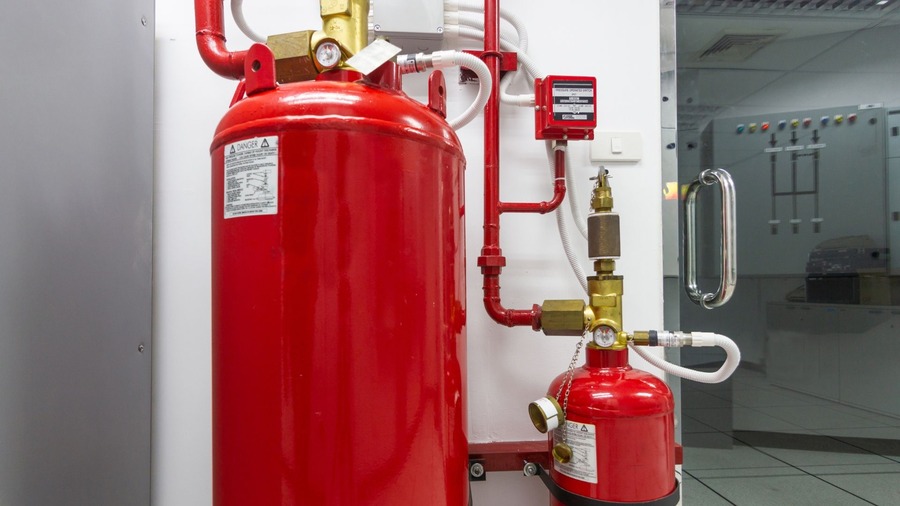
Vehicle fire systems usually rely on a few core elements working in sync. First, the detection side needs to sense heat or flame early enough to beat the fire curve. Next, the control head and wiring must stay secure, protected from vibration and the daily “oops” that happens in yards. Then the suppression agent, cylinders or tanks, and nozzles must remain properly pressurized and unobstructed.
Finally, managers must confirm that the system releases in the correct sequence, and that the vehicle is safe to operate after maintenance. Therefore, fleet fire suppression maintenance is not just “check a box.” It should include verification that every component performs the job it was built for. Kord Fire Protection describes vehicle suppression systems as a coordinated setup of detection sensors, a control panel, agent tanks, discharge mechanisms, and a distribution network, which means a weakness in one area can undercut the whole response when seconds matter. See how vehicle fire suppression systems are structured.
And yes, even if someone says, “It’s a truck, it rattles, it’s fine,” that rattling is exactly why connections, mounts, and lines deserve attention.
Core components that deserve repeat attention
- Detection sensors and heat sensing lines
- Control head security and wiring protection
- Agent storage condition and pressure status
- Nozzle cleanliness, alignment, and discharge path
- Manual activation points, labels, and tamper indicators

How often to schedule inspections and service
Scheduling depends on vehicle type, system design, and the environment. A refrigerated box truck running coastal routes faces corrosion pressures that a dry inland route may not. Meanwhile, off road units deal with dust, impacts, and cable strain. So, fleet managers should set intervals that match manufacturer guidance and local requirements, then tighten the plan when vehicles work in harsh conditions.
At a minimum, managers should plan periodic inspections and more frequent checks for known risk patterns such as high hour vehicles, units with damaged wiring channels, or fleets that frequently switch drivers and routes. Moreover, maintenance should happen after incidents, including minor impacts that could shift detection zones or loosen mounting hardware.
Proper timing also supports continuity. Instead of waiting for a system fault code to show up like a late guest, the fleet manager prevents surprises by tracking trends from prior service records. That mindset matches Kord Fire Protection’s maintenance guidance, which emphasizes regular testing, fast response to wear related issues, and adjustments based on real operating conditions rather than wishful thinking and crossed fingers.
Key steps in fleet fire suppression maintenance during downtime
When a vehicle comes into service, the process should follow a repeatable flow. First, technicians verify the system status and review prior inspection notes. Next, they inspect physical components. That includes mounts, brackets, wiring paths, actuator lines, and nozzle condition. Then they check for cleanliness and obstructions, because dust and grime can hide problems and reduce performance.
After that, the team verifies discharge paths and ensures nozzles aim where the hazard demands. Then, they confirm labeling, tamper indicators, and access points, since a “working” system can still fail if it cannot be safely accessed or maintained. Finally, they document results clearly for the next service cycle and any regulatory review.
Transition matters here. When fleets do not document, they lose the story of the vehicle. Yet when they do document, they gain clarity, reduce rework, and support faster decisions when something changes. This is also where a detailed maintenance program stops being boring paperwork and starts looking suspiciously like a competitive advantage.
A practical downtime workflow
- Review prior service records and current system status.
- Inspect mounts, brackets, wiring, lines, and nozzles.
- Remove grime, debris, and anything hiding damage.
- Verify discharge coverage and safe access points.
- Record findings so the next visit starts smarter.

Common causes of failure that managers can prevent
Fires are complex, but suppression system failures often come from predictable causes. Loose or damaged wiring leads to missed signals. Corroded components reduce reliability. Physical impacts during loading, pothole travel, or minor collisions can shift detection sensors or damage lines. And in some cases, maintenance teams use parts that are not compatible with the system design, which creates a quiet mismatch that shows up later.
Another frequent issue involves pressure checks and component wear. If technicians skip verification steps, managers may “feel” confident while the system drifts out of specification. In fact, it is like checking tire tread by eye and then wondering why the tire fails on the highway. It looks fine until it does not.
Therefore, fleet managers should track recurring findings by route, vendor, and vehicle class. That way, they can respond before the next unit turns into a learning experience. The same logic appears across Kord Fire Protection’s broader maintenance content: design, servicing, testing, and upgrades work best when they are connected, not isolated into separate little silos that only meet after something goes wrong. Explore fire suppression system design, types, and maintenance.
Why Kord Fire Protection becomes a vital partner
Some vendors sell equipment. Others sell instructions. Kord Fire Protection can support the operational side that fleet managers need most: consistent maintenance quality, practical guidance, and responsiveness that fits real schedules. Instead of leaving teams to interpret complex documentation alone, a strong partner helps connect the dots between system design, field conditions, and maintenance outcomes.
Moreover, Kord Fire Protection can play a vital partner role by helping fleets plan service around downtime windows and vehicle utilization. That means fewer stalled routes and fewer “we will service it when the truck comes back” delays that turn into weeks. Additionally, they can help managers maintain records and procedures, which supports compliance and protects decision makers when questions arise.
And if you are thinking, “We already have a maintenance program,” that is great. Kord Fire Protection does not replace good internal processes. Instead, it strengthens them with fire system expertise that stays grounded in what technicians see every day. Kord’s vehicle fire suppression service page specifically highlights maintenance, testing, inspection, documentation, and support built around real operations, which is exactly the kind of steady help fleets need when uptime actually matters. Connect with Kord Fire Protection’s vehicle fire suppression systems team.
Dual column checklist for managers who want control
Manager actions
- Set inspection schedules by vehicle type and risk
- Track findings by route, shop, and vehicle class
- Require documentation for every service event
- Review incident reports and adjust maintenance intervals
- Train drivers on basic hazard awareness and reporting
Technician priorities
- Verify detection and control head integrity
- Inspect wiring, mounts, lines, and nozzle condition
- Confirm discharge paths stay unobstructed
- Check system status and perform required tests
- Label, seal, and record results clearly
FAQ about vehicle suppression maintenance
CTA: protect the fleet before the alarm becomes a headline
Fleet fires cost more than equipment. They disrupt routes, strain budgets, and put people at risk. Kord Fire Protection can help fleet managers build a reliable vehicle suppression plan with dependable fleet fire suppression maintenance support, clear documentation, and service that fits real downtime. If leaders want fewer surprises and stronger compliance, they should connect with Kord Fire Protection now and schedule the next maintenance cycle. Do not wait for a “small” issue to become a big story. For fleets that need a direct next step, request support for vehicle fire suppression systems and explore Kord Fire Protection’s full fire protection services to coordinate a broader safety plan.
Ready to tighten the maintenance cycle?
- Reduce surprise downtime
- Improve maintenance records
- Support safer truck operations

Join Our Newsletter!
Get the latest fire safety tips delivered straight to your inbox From our Newsletter.