Advanced Standpipe Pressure Monitoring Tech for High Rises
In the high rise, pressure problems do not politely wait their turn. They show up in the stairwell, in the riser, and in the moments when crews need water now. That is why advanced standpipe pressure monitoring tech matters. Kord Fire Protection technicians explain that reliability starts long before a fire call, with data that reveals how the system behaves under real demand. Instead of guessing from periodic checks, the right monitoring setup tracks pressure patterns, alerts staff early, and helps teams act before a small issue turns into a big one. And yes, it is far more comforting than trying to “wing it” like a sitcom hero who forgot the deadline and then claims destiny will handle it.
Why high rise standpipes need smarter pressure insight
High rise buildings stretch water supply across long vertical runs. As a result, pressure can shift from floor to floor due to friction losses, valve positions, and changes in demand. Kord Fire Protection technicians often note that a standpipe can pass an inspection and still fail when conditions change, because the system may respond differently during sustained flow. Therefore, advanced pressure monitoring becomes a practical way to confirm performance, not just paper compliance.
Moreover, pressure trends reveal whether the system stays within expected ranges when water flows at the required rate. This supports smarter troubleshooting too. For example, if pressure drops faster than expected, technicians can investigate obstructions, partial valve closure, or pump performance issues. In other words, monitoring turns “we think something is wrong” into “we know where and when it changed.”
That level of insight matters even more in buildings where occupants, property managers, and emergency responders all depend on the same vertical infrastructure. A standpipe is not simply another piece of plumbing hidden behind a wall. It is a performance system that needs to behave predictably during stress. The more clearly a building team understands its pressure profile, the more confidence they gain in the system’s readiness.
How advanced monitoring works in real life
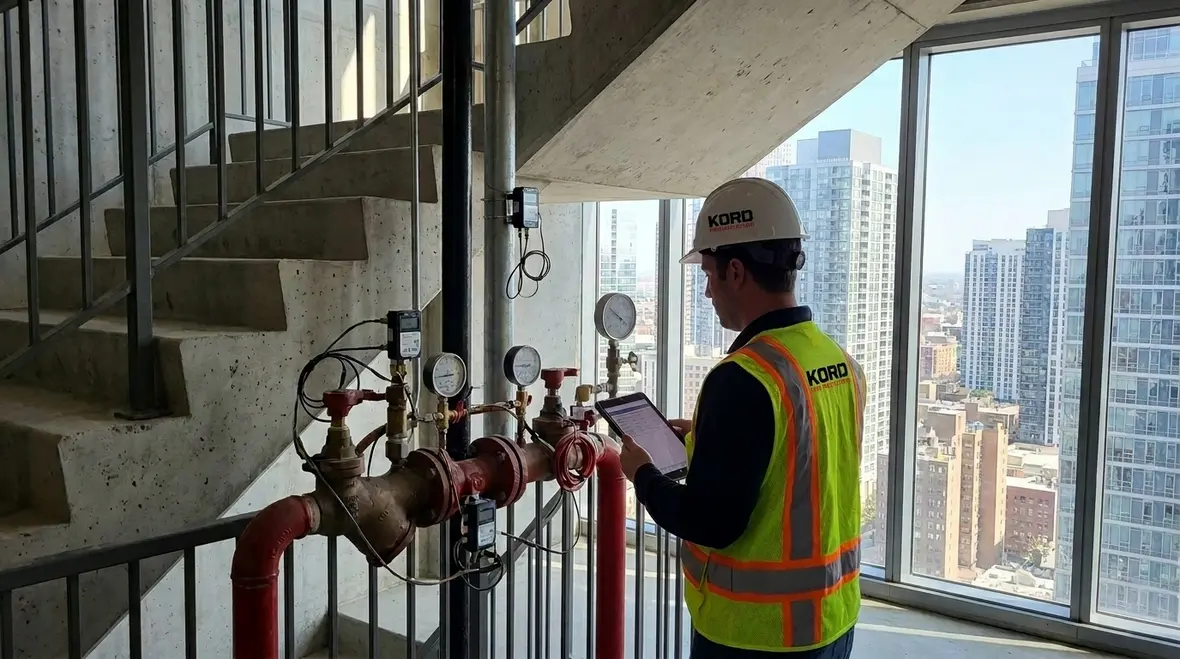
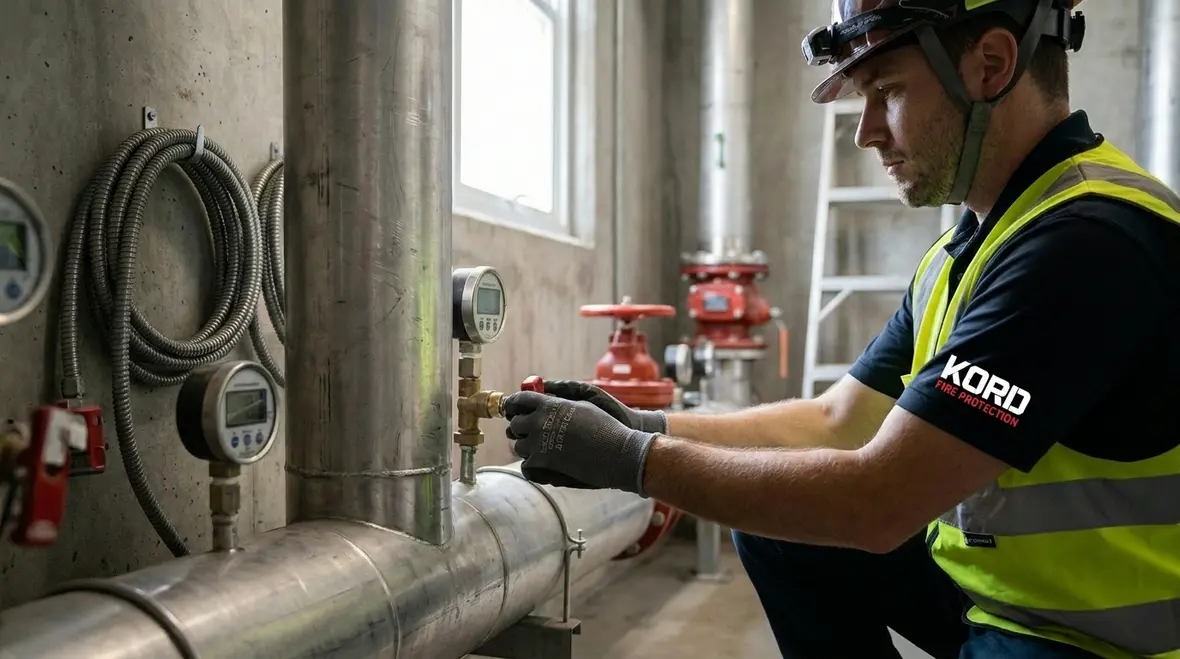
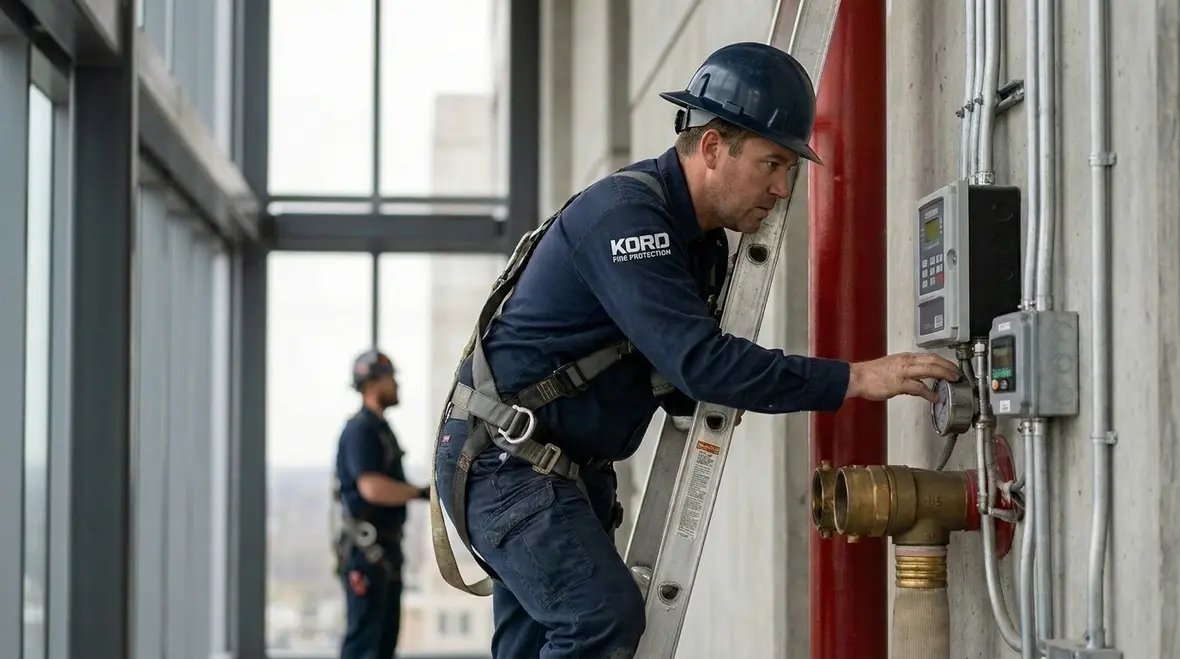
Modern systems use sensors placed at key points, such as on the riser, at zone interfaces, and near connection points that matter during hose operation. Then the system collects pressure data over time and stores it for review. Kord Fire Protection technicians explain that the value comes from pattern recognition, not just raw numbers. For instance, a stable pressure profile under minor flow often indicates healthy components. However, pressure oscillation or repeated slow recovery may suggest a restriction, a failing regulator, or a slowly drifting control behavior.
In addition, alerts help teams respond quickly. When pressure moves beyond safe thresholds, the platform can notify responsible parties through building systems or a technician dashboard. That means action does not depend on someone noticing an odd reading during a manual round. And that is where the business side gets calmer too, because fewer surprises usually means fewer emergency service calls.
The best systems also give teams a historical view instead of a one-time snapshot. That makes it easier to compare pressure behavior before and after maintenance, during seasonal demand changes, or after a tenant improvement affects building water use. Over time, that record becomes a practical operating tool rather than a stack of numbers no one wants to revisit.
The role of sensor placement and event logging
Placement matters because a beautifully smart sensor in the wrong location is still giving incomplete information. By watching pressure at the riser, at transition points, and near the locations where firefighters would actually depend on performance, technicians create a much clearer picture of what happens during a real demand event. Event logging then ties the numbers to time, helping teams identify exactly when the system drifted away from expected behavior.
Key variables that affect standpipe pressure performance
To keep reliability high, technicians look at more than one measurement. They consider how pressure interacts with flow, height, and system components. First, elevation matters because hydrostatic head changes as water travels upward. Second, friction loss grows with pipe length, fittings, bends, and any internal buildup. Third, pumps and controllers influence the curve, especially during multiple demands across the building.
Furthermore, operational factors show up in pressure data. A partially closed valve can create a pressure reduction that looks mild at first, yet it can worsen during full use. Similarly, water supply changes at the building level can alter how the riser behaves. By tracking these variables, standpipe pressure monitoring tech supports decisions with evidence, not guesses. Kord Fire Protection technicians describe it as moving from reactive troubleshooting to planned maintenance, which keeps crews focused on prevention instead of firefighting paperwork.
- Elevation-related pressure change across upper floors
- Friction loss through long pipe runs, fittings, and bends
- Restricted flow from partially closed valves or obstructions
- Pump and controller response during changing demand
- Water supply variations that affect the entire riser
Operational strategies for reducing downtime and surprises
Once a building uses pressure monitoring, the team can shift from periodic testing to targeted maintenance. That does not mean routine inspections disappear. Instead, monitoring guides where time should go. For example, if the data suggests a specific zone struggles during sustained flow, technicians can plan focused checks on valves, check devices, and connections for that area.
Also, trend analysis improves how teams schedule service windows. Rather than shutting down equipment “just in case,” a contractor can align work with times that minimize disruption. This approach often benefits both property managers and residents, because fewer system interruptions mean fewer complaints. And yes, that is a win worth celebrating, even if it feels less exciting than a movie montage.
Finally, better communication improves response. When alerts fire, the responsible party knows what changed and when. As a result, Kord Fire Protection technicians can arrive with the right tools, confirm the readings, and verify repairs using the same monitoring baseline. That shortens the cycle between issue detection and verification, which directly supports standpipe reliability.
Why trend-based maintenance changes the game
A pressure event that looks random on one day may look very different when viewed over several weeks or months. Trend-based maintenance helps separate one-off anomalies from repeatable patterns. That is useful when deciding whether a zone needs immediate attention or whether a developing issue should be scheduled into the next maintenance window. In either case, teams make better decisions because the system itself is telling the story.
Dual view: what managers need versus what technicians need
Different roles use the same data for different purposes. Therefore, many teams benefit from a dual view dashboard. One side supports management decisions. The other side supports technical action. Here is how that split typically works:
What managers see
- System health status in plain language
- Summary alerts and time stamps
- Maintenance recommendations and priority levels
- Proof of ongoing system performance
What technicians see
- Pressure curves during flow events
- Zone level trends and recovery timing
- Sensor diagnostics and calibration insights
- Event details for troubleshooting
That division keeps the information useful for everyone. Then teams avoid the classic problem of “too much data for one person” and “not enough detail for another.” Kord Fire Protection technicians often say it is like having a key and a map, not just a rumor about where the door might be.
Reliability checks that go beyond basic compliance
Basic checks look at whether the system meets minimum requirements. Advanced monitoring checks whether it performs consistently. In practice, crews can evaluate how pressure behaves during tests that approximate real use. For example, they can compare pressure stability before and after valve maintenance, pump service, or controller updates. If the data shows pressure recovery takes longer than expected, technicians can investigate before the next high demand scenario.
In addition, pressure monitoring can help detect sensor issues early. If readings drift or show inconsistent behavior, the system can prompt calibration or verification. That reduces false alarms too. And it strengthens trust in the data because teams can confirm it is accurate.
Ultimately, this method supports standpipe reliability by keeping the system within expected pressure ranges, improving maintenance planning, and providing fast visibility when conditions change. It is proactive fire protection, with the calm confidence that comes from having evidence in hand.
Related reading for building teams
If your team wants a broader look at standpipe performance, Kord Fire also covers standpipe flow testing and the fundamentals behind standpipe system requirements and how it works. Those resources pair well with pressure monitoring because they help connect live trend data to the bigger picture of inspection, testing, and operational readiness.
FAQ: standpipe pressure monitoring tech and high rise reliability
Next steps for a more dependable standpipe system
High rise standpipes deserve more than hope and checklists. Kord Fire Protection technicians can help a building team select the right monitoring approach, place sensors where they matter most, and review pressure trends for clear maintenance actions. Then, when alerts appear, crews respond with facts instead of guesswork. If property managers want fewer surprises, faster troubleshooting, and stronger system confidence, the next step is simple.
Contact Kord Fire Protection to discuss advanced pressure monitoring for your building and plan a reliability upgrade. For teams ready to connect monitoring with field service support, explore the Standpipe Systems Class I-II-III service page and see how a stronger maintenance strategy comes together before the next emergency tries to write the schedule for you.

Join Our Newsletter!
Get the latest fire safety tips delivered straight to your inbox From our Newsletter.