Fire Extinguisher Placement Planning With kord Fire Protection
Strategic placement starts with fire extinguisher placement planning that maps every extinguisher to the routes people actually walk, the hazards they actually face, and the access they truly have during an emergency. So, instead of mounting units “somewhere near the exit” like a vague treasure hunt, a smart plan decides where each extinguisher goes, how it is reached, and how it supports a fast first response. That is where kord fire protection technicians come in, because they do not just install equipment, they explain the why behind every decision.
Now, let’s slow down and make this clear. In real life, smoke does not wait politely while someone reads a label. Therefore, the placement has to work in seconds, not theories. And yes, people often treat extinguishers like wall decorations. That habit ends today.
Why mapped extinguisher locations matter in real emergencies
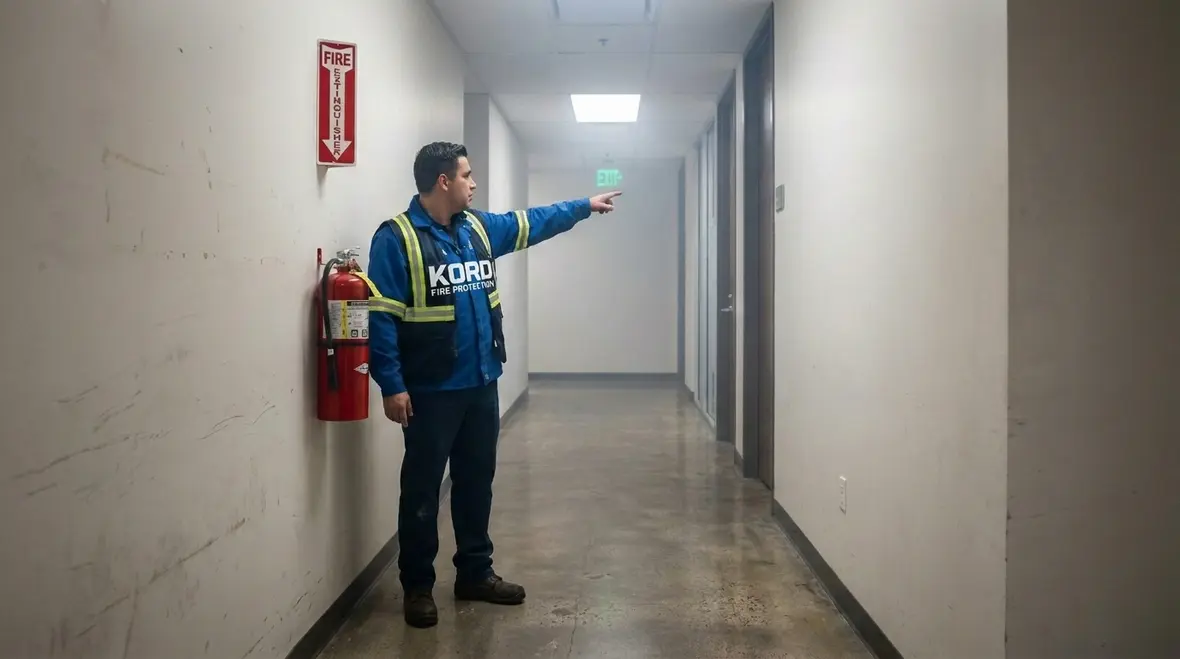
When a fire starts, response speed decides outcomes. First, people need to find the right extinguisher fast. Next, they must reach it without squeezing through locked doors, blocked hallways, or stacked storage. Then, they must use it without backtracking through smoke and heat. That entire chain hinges on where the units sit.
During fire extinguisher placement planning, kord fire protection technicians help teams think like responders. They map likely travel paths from common work areas to exits, breakrooms, loading docks, and maintenance zones. As a result, the extinguisher locations match the moments when panic is still low, but time pressure is already high.
- Mapped locations reduce the time spent searching.
- Clear routes protect responders from added hazards.
- Right placement supports quick, calm decision making.
The difference between seeing an extinguisher and reaching it
That difference sounds small until an emergency makes it huge. A unit that is technically visible but practically blocked by carts, boxes, or a badly timed stack of deliveries is not helping anyone. Smart mapping closes the gap between “I know there is one somewhere” and “I can grab it right now without making a bad situation worse.” For more practical reading on this exact idea, Kord Fire also covers it in Proper Placement of Extinguishers Saves Seconds.
Hazard mapping: the foundation of placement decisions
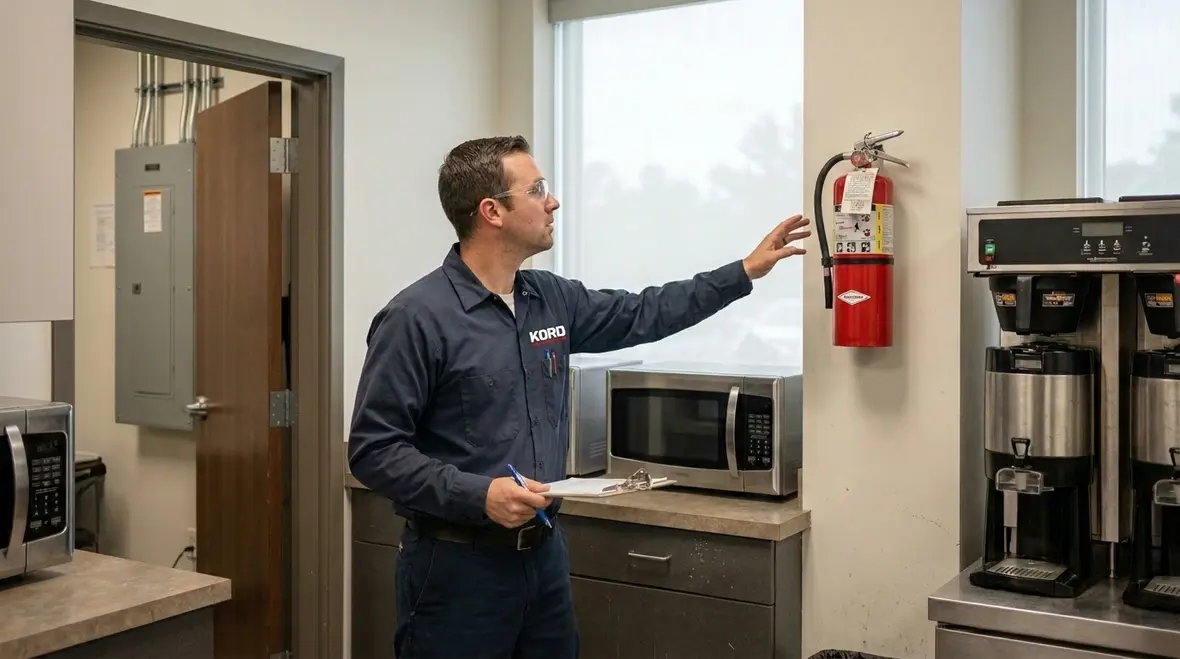
A plan that ignores hazard types becomes a plan that fails. Different risks create different needs. For example, a breakroom with microwaves and coffee makers needs a different focus than an electrical panel room with frequent resets. Meanwhile, a small stockroom with cardboard creates a different threat than a space with flammable liquids.
Accordingly, the mapping process starts by listing hazards by area, not by guesswork. Then the plan ties each hazard to the extinguisher type and the expected fire behavior. After that, teams select mounting points so the extinguisher sits where a person can grab it while staying oriented to the room.
kord fire protection technicians typically explain this with a simple idea. If a fire starts behind a door, the extinguisher must support the person who can see the fire first, not the person who shows up after the hallway turns into a sauna.
- They classify hazards by fuel and source, not by “it seems risky.”
- They consider ignition sources like kitchens, motors, panels, and heaters.
- They adjust placement based on how quickly flames spread in each area.
Why one-size-fits-all placement keeps failing quietly
This is where facilities get tripped up. They assume one extinguisher strategy works for every room because the building looks tidy on a floor plan. Real hazards do not care about tidy floor plans. They care about fuel sources, ignition points, workflow, and whether the nearest extinguisher can be reached before a small fire graduates into a much louder problem.
Access and travel distance: placing units where people can reach them
Even the best extinguisher type fails if access breaks down. Therefore, professionals examine travel routes, door swing direction, and obstacles that appear during normal operations. For instance, carts, seasonal inventory, and cleaning supplies often drift into “temporary” parking spots. Over time, those spots turn into daily blockages, and emergencies love daily patterns.
As part of extinguisher placement mapping, kord fire protection technicians evaluate the actual movement patterns in a site. They look at how many turns a person must take to reach a unit. They also note where floors get slick from mops, where lighting feels dim, and where signage competes with clutter.
In addition, they consider whether people can reach the extinguisher from the same side as the hazard. If a unit requires passing through the danger zone, the plan becomes less safety and more bravery. And bravery, while noble, is not a safety standard.
- They keep mounting points reachable without squeezing through tight spaces.
- They reduce the need to navigate through smoke-prone areas.
- They avoid placing units where maintenance work blocks access.
Travel paths should match how people actually move
That means planners have to watch the building in motion, not just admire it on paper. Where do employees cut through? Which doors stay propped open? Which corridor becomes a parade of carts every afternoon? These details matter because the fastest route on a drawing is not always the safest route during a real emergency. Kord Fire explores related layout logic in its Fire Extinguisher Placement for Office Guide, which is useful for teams trying to think beyond basic wall space.
Visibility, mounting height, and wayfinding that calm people under stress
In smoke, visibility drops fast. Even in clear conditions, people do not behave like robots when they see flames. So the plan must support fast recognition. That means proper mounting height, clear sight lines, and consistent placement so employees learn where to look.
During planning, kord fire protection technicians often emphasize that wayfinding works like a mental shortcut. People already expect safety equipment on certain walls and near certain decision points. When extinguishers ignore those expectations, users spend precious seconds hunting like they are trying to find the remote control in a couch that definitely has it.
To support quick recognition, teams also keep areas around units clear. They check for mirrors, windows, and bright reflections that can make labels hard to read. They ensure that signs do not fight with other posted materials.
- They mount units for quick reach and safe handoff.
- They maintain clear views of labels and operating instructions.
- They improve consistency across floors, wings, and buildings.
Coverage strategy across rooms, corridors, and shared spaces
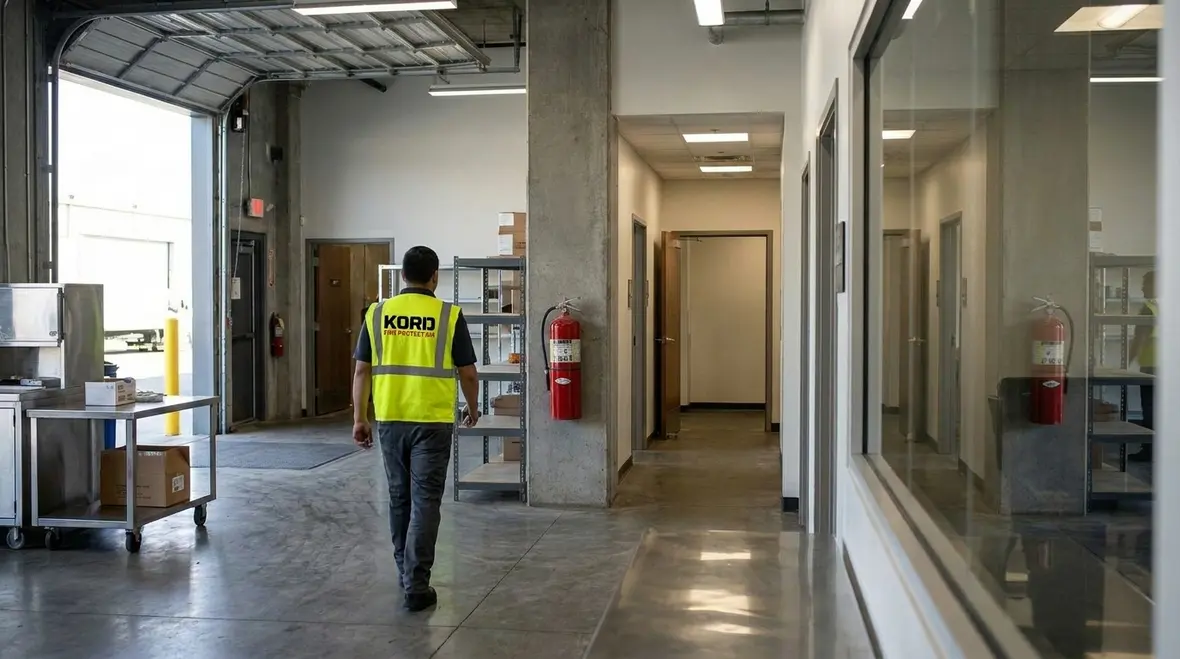
Some sites have one extinguisher per floor and call it a day. That approach overlooks the way fires spread along pathways. So coverage must follow how heat and smoke move through corridors, stairwells, and open-plan workspaces. The goal is to ensure that a person can grab help and stop a fire before it grows beyond a first-stage incident.
Accordingly, coverage strategy examines each area’s size, layout, and line of sight. Then it checks whether the placement supports multiple approach angles. For example, in a long hallway, one unit near a middle doorway may not help if the fire blocks access to it. Instead, placements should support safe retrieval from reachable zones.
Furthermore, shared spaces like breakrooms, lobbies, and loading bays often need extra attention because they draw traffic from multiple teams. In those areas, a mapped approach beats “average coverage” every time. After all, fire does not clock in at 9 a.m. and leave at 5.
Shared spaces are where assumptions get expensive
A lobby may look low risk until you remember it concentrates visitors, delivery traffic, decorative materials, and plenty of confusion during an alarm. A loading bay may feel routine until equipment, fuel sources, and open access points all share the same stage. Good coverage strategy accounts for these collision points before they become the kind of lesson no one wants to learn live.
Technician insight: how kord fire protection technicians explain placement checks
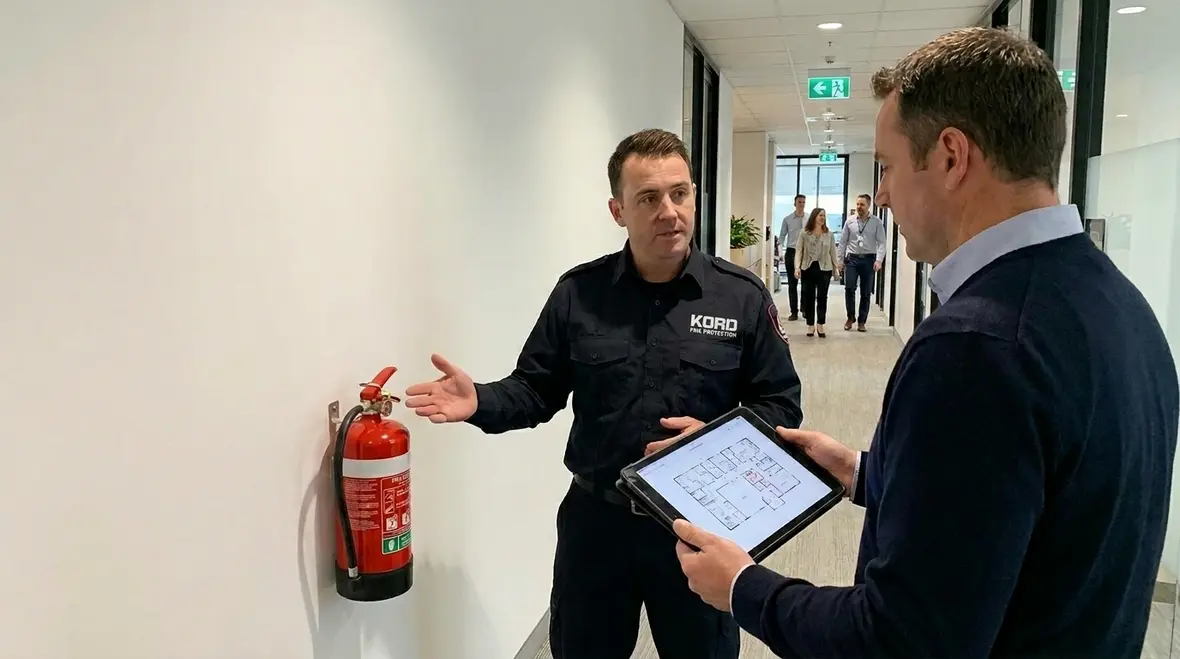
kord fire protection technicians do not treat placement like a one-time task. They explain that placement planning must match how a building actually runs now, not how it looked on day one. Therefore, their checks often include an on-site walk with department leads, a review of recent changes, and a look at daily obstacles.
They also verify the plan against real access. That includes checking whether forklifts, shelving adjustments, or seasonal displays block units. It includes confirming that doors used for normal egress still allow safe approach. And it includes confirming that the correct type sits at the correct location for the hazard pattern they mapped.
To keep teams engaged, they sometimes use a playful comparison. “A fire extinguisher should not be your site’s best kept secret,” they might say. Then they show where employees can reach it fastest, and where they cannot. That small lesson usually saves a lot of trouble later.
- They review site changes and update the map when operations shift.
- They confirm accessibility in day-to-day conditions, not just on paper.
- They align extinguisher locations with hazard mapping results.
Maintenance and updates: keeping the placement plan effective over time
A placement plan stays strong only if it stays current. Fire risks change when teams add equipment, reconfigure storage, or switch suppliers. Meanwhile, furniture moves, racks expand, and wall space gets taken by signage. Over time, even correct mounting locations can become blocked.
So, the site should build periodic reviews into routine safety operations. During those reviews, teams check that units remain unobstructed, labels stay visible, and access routes remain clear. They also confirm that any new hazard areas receive updated mapping.
When kord fire protection technicians support these updates, they focus on the full system: placement, access, and hazard alignment. In other words, they keep the plan from quietly turning into a “historical document,” like an old fire drill brochure no one reads.
If your team needs help beyond planning, Kord Fire offers dedicated Fire Extinguisher Service & Certification as well as broader Full Fire Protection Services to keep facilities compliant, accessible, and ready when seconds actually count.
FAQ
Conclusion
Strategic mapping turns extinguishers from equipment into an effective first response system. When a company invests in extinguisher placement mapping, it protects people by reducing search time, improving access, and matching coverage to real hazards. kord fire protection technicians help teams explain and validate the plan so it works in practice, not just on a checklist.
Ready to tighten your safety coverage? Schedule a placement review today and explore Kord Fire’s fire extinguisher services to give your site a response plan that earns trust under pressure. Because when an extinguisher is exactly where it should be, the whole building gets a little smarter.

Join Our Newsletter!
Get the latest fire safety tips delivered straight to your inbox From our Newsletter.