
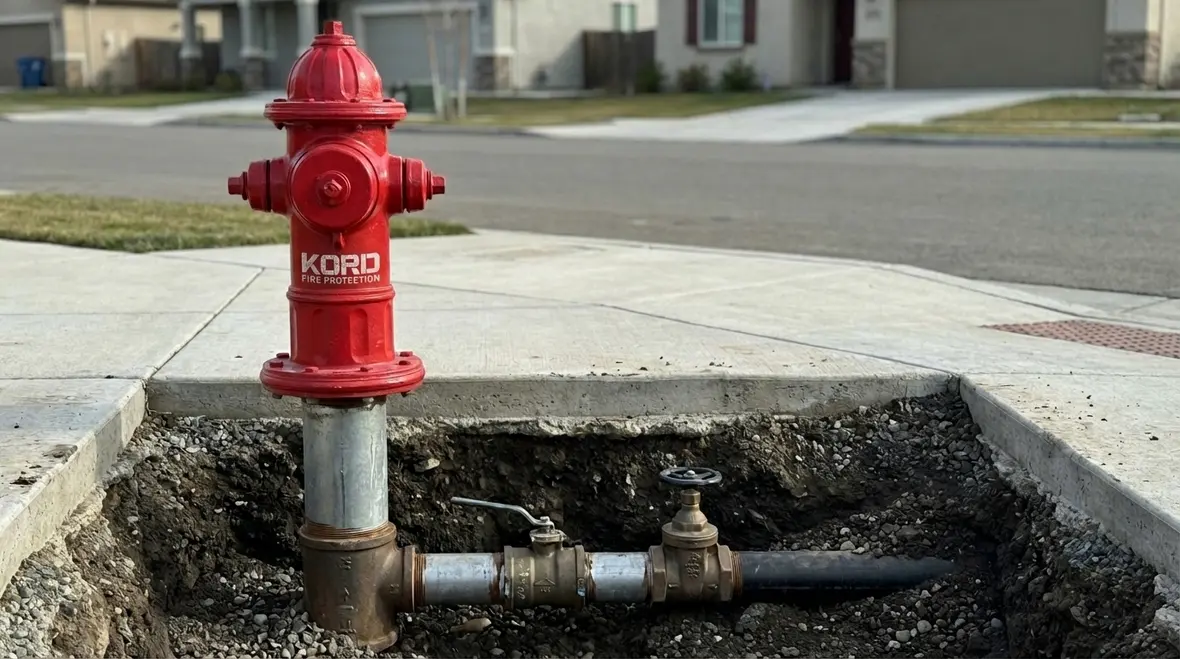
How Fire Hydrants Are Filled With Water Explained
There is something quietly heroic about a fire hydrant. It stands on the corner, painted bright red or yellow, minding its business like a retired superhero waiting for the signal. Yet behind that simple metal shell lies a complex system that answers one powerful question: how fire hydrants are filled with water. The answer does not sit inside the hydrant itself. Instead, it flows from a vast underground network, guided by pressure, engineering, and careful planning. According to Kord Fire Protection technicians, the real story begins beneath the pavement, where pipes, valves, and water mains work together in steady silence.
To understand how these street corner guardians deliver thousands of gallons in minutes, one must follow the water underground. And that is where the real magic lives.
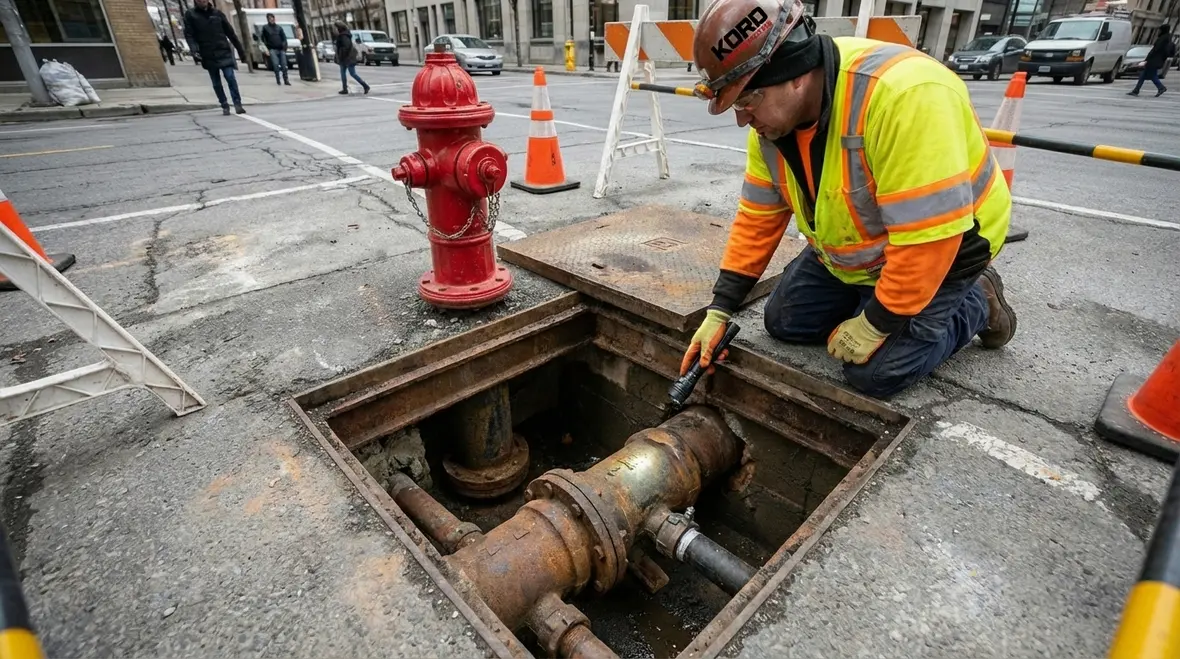
The Underground Network That Feeds Every Hydrant
First, imagine the city as a living body. The water mains serve as arteries. They carry clean, pressurized water from treatment plants throughout neighborhoods. Fire hydrants connect directly to these mains through lateral pipes that branch off beneath the street.
So, how fire hydrants are filled with water is not a mystery of tanks or hidden reservoirs inside the hydrant. Instead, they stay connected at all times to the municipal water supply. When firefighters open a hydrant, they tap into water already moving through the system.
Kord Fire Protection technicians often explain it this way: a hydrant is more like a faucet on a very large pipe. However, unlike the faucet in a kitchen, this one can release hundreds or even thousands of gallons per minute. That level of power requires careful design.
Moreover, underground water mains are buried below frost lines to prevent freezing. In colder regions, dry barrel hydrants keep water below ground level until activation. Meanwhile, in warmer climates, wet barrel hydrants hold water in the upper section because freezing is not a concern. Either way, the supply remains constant and ready.
Therefore, the hydrant does not store water for emergencies. It simply provides fast access to a pressurized system that never sleeps.
If you have ever wondered why different hydrants are painted different colors, it often ties back to their rated flow and NFPA 291 color coding standards. For a deeper dive into what those colors mean on the street, explore Kord Fire Protection’s guide on fire hydrant colors and flow classifications.
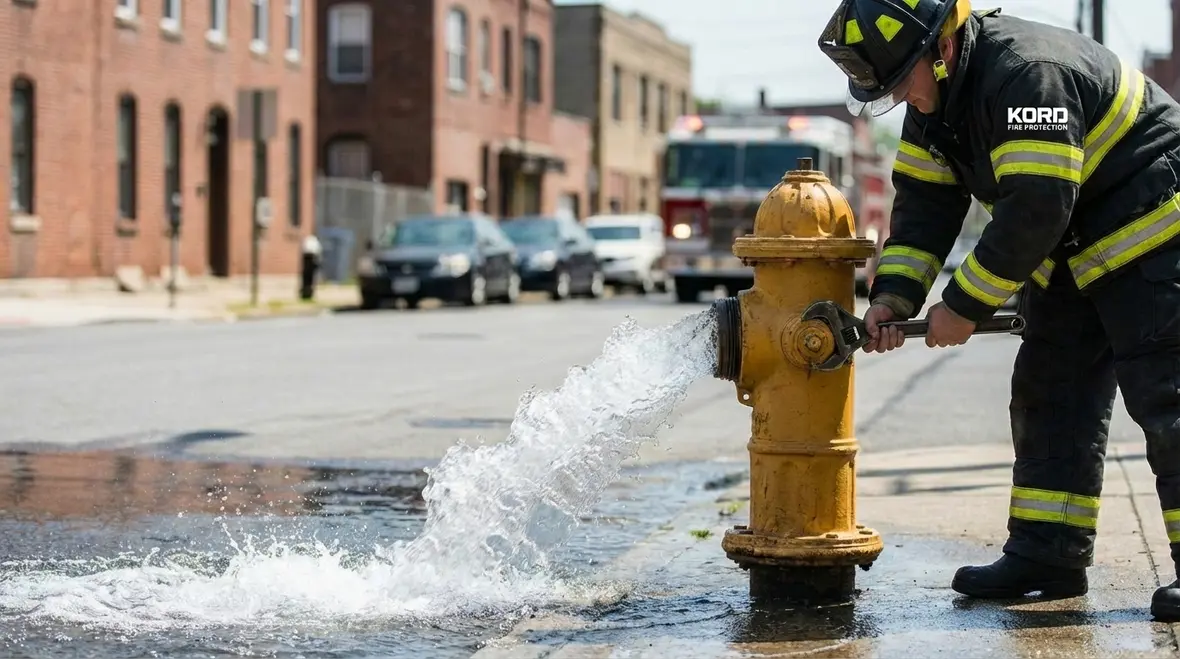
What Happens Beneath the Street When a Hydrant Opens
When firefighters arrive and connect hoses, the action begins at the operating nut on top of the hydrant. Turning it counterclockwise opens an internal valve located near the base of the unit.
Immediately, water from the main rushes upward through the barrel and out the nozzles. The force comes from water pressure already present in the system. Cities maintain this pressure through pumps and elevated storage tanks.
Additionally, hydrants include a drain valve in dry barrel models. When the hydrant closes, this drain allows leftover water in the barrel to empty into surrounding soil. As a result, the barrel stays dry and protected from freezing.
Kord Fire Protection technicians emphasize that proper installation depth and drainage materials matter greatly. Gravel beds around the base allow water to disperse safely. Without that feature, trapped water could freeze or cause damage over time.
It may sound simple. Turn the nut, water flows. Yet beneath that simplicity lies engineering that balances pressure, volume, and reliability. It is less dramatic than a Hollywood explosion scene, but far more impressive in real life.

Where Does the Pressure Come From
Water does not leap from hydrants by accident. It moves because municipal systems maintain steady pressure through a mix of gravity and mechanical pumping.
Most cities rely on elevated water towers. These towers store treated water high above ground. Gravity then pushes water downward through mains. Consequently, pressure remains consistent even during peak demand.
In larger systems, electric pumps at treatment facilities boost water into transmission lines. Furthermore, pressure regulating valves keep levels safe for both residential plumbing and fire suppression needs.
Kord Fire Protection technicians often measure hydrant flow and static pressure during inspections. They attach gauges to determine available gallons per minute. This testing confirms whether the system can support firefighting operations in that area.
Interestingly, hydrant color codes sometimes indicate flow capacity. Although standards vary by region, certain bonnet colors help firefighters quickly assess potential output. It is like a subtle language written in paint, reinforced by standards such as NFPA 291 fire hydrant testing and marking guidelines.
Thus, understanding how fire hydrants are filled with water also means understanding how cities maintain force behind that flow. Without pressure, even the strongest hydrant would be little more than a decorative post.
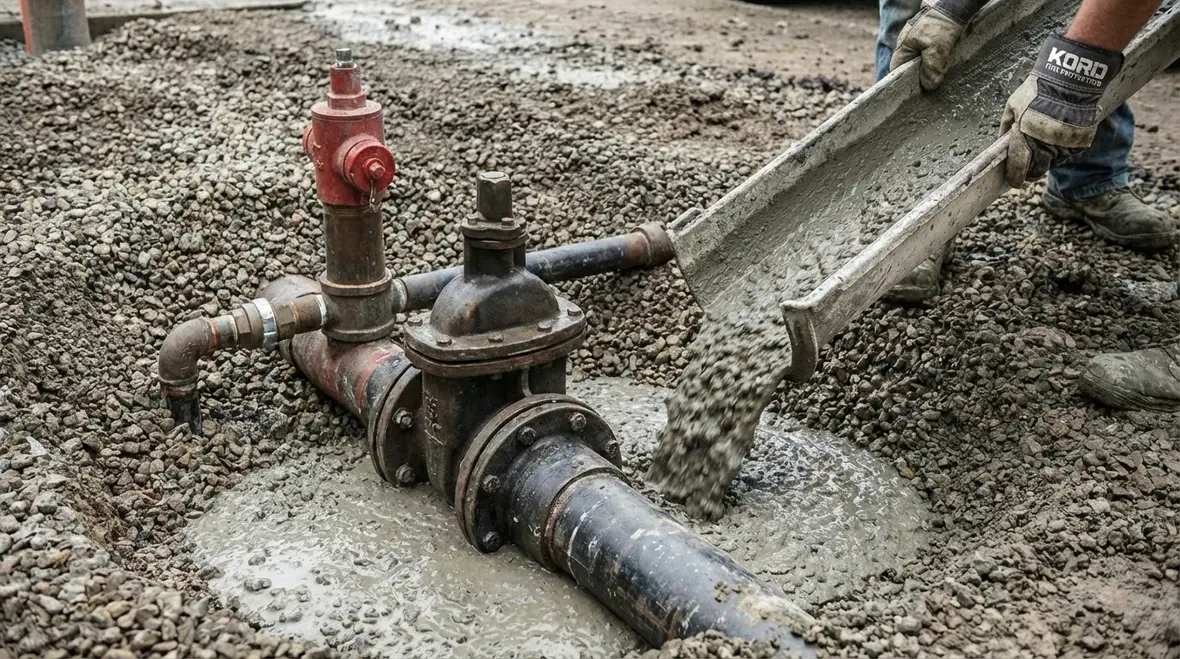
Components That Control and Protect the Water Supply
Every hydrant connects to a larger safety framework. Beneath the surface, several components ensure reliability and protection.
Main Valve
Controls water entry into the hydrant. Located at the base in dry barrel models.
Lateral Pipe
Connects the hydrant to the water main. Sized to handle high flow rates.
Thrust Blocks
Concrete supports that prevent pipe movement caused by water pressure changes.
Isolation Valves
Allow sections of pipe to shut down for maintenance without affecting entire neighborhoods.
Because of these components, cities can repair or replace a hydrant without draining the full system. Kord Fire Protection technicians frequently coordinate with municipal crews during installations or testing to ensure everything meets code.
Additionally, backflow prevention measures protect drinking water from contamination. Fire systems must never allow stagnant or external water to reverse into the main supply. Therefore, cross connection control remains a serious matter.
It is not glamorous work. No one makes an action movie about a properly installed thrust block. However, without it, the dramatic water release scenes would not happen.
Dry Barrel Hydrants vs Wet Barrel Hydrants
Dry Barrel Hydrants
Used in colder climates
Water stays below ground until opened
Single operating stem controls main valve
Drain system prevents freezing
Requires full shut off before nozzle removal
Wet Barrel Hydrants
Used in warm climates
Water remains in upper body at all times
Each nozzle has separate valve
No need for internal drain system
Allows one outlet to operate independently
Both designs answer the same question of how fire hydrants are filled with water, yet they adapt to environmental needs. Climate dictates structure. Engineering follows nature, not the other way around.
Kord Fire Protection technicians note that choosing the correct type prevents costly damage. After all, frozen water expands. And when metal meets expanding ice, metal usually loses.
Inspection, Maintenance, and the Role of Professionals
Even the strongest hydrant requires routine care. Municipal crews and fire protection specialists inspect hydrants annually or semi annually. They check for leaks, corrosion, and proper operation.
During testing, technicians measure static pressure, residual pressure, and flow rate. Static pressure reflects water force before opening. Residual pressure shows force during flow. Together, these readings reveal system health.
Kord Fire Protection technicians also flush hydrants to remove sediment buildup. Over time, minerals and debris can collect inside mains. Flushing improves water quality and ensures unobstructed flow during emergencies.
Furthermore, technicians lubricate operating nuts and check caps for secure threading. A stuck cap during a fire is the kind of plot twist no one wants.
Through consistent maintenance, professionals ensure that when someone asks how fire hydrants are filled with water, the practical answer remains simple. They are filled because the system works. And it works because trained hands keep it that way.
Many of the same professionals who test pumps and sprinklers also support hydrant performance. If you are responsible for a larger facility or campus, pairing hydrant insight with services like fire pump testing and routine fire pump servicing helps keep the entire water-based protection system aligned.
Common Misconceptions About Hydrant Water Supply
Many people assume hydrants store water like giant thermoses buried under the street. That idea sounds reasonable. However, it is incorrect.
Hydrants do not hold reserve tanks. Instead, they connect directly to active water mains. Therefore, their capacity depends entirely on municipal infrastructure.
Another misconception suggests firefighters control water pressure from the hydrant itself. In reality, pressure originates from the water system. Fire engines may boost pressure further using onboard pumps, but they do not create supply from nothing.
Some even believe hydrants operate independently from drinking water systems. Yet in most cities, they share the same treated supply. That is why contamination prevention remains critical.
Kord Fire Protection technicians often clarify these points during community education visits. Because when the public understands infrastructure, they respect it more. And respect leads to fewer damaged hydrants from careless parking jobs. Yes, that was a gentle nudge to parallel park better.
How Fire Hydrants Are Filled With Water During High Demand Events
Large fires or multiple hydrant use can strain local pressure. Nevertheless, municipal systems prepare for these scenarios.
Engineers design water mains in grid patterns. This layout allows water to flow from multiple directions toward a hydrant. Consequently, pressure remains more stable during heavy demand.
Additionally, pump stations activate automatically when pressure drops below set levels. These pumps push more water into the system, maintaining firefighting capacity.
Kord Fire Protection technicians coordinate flow tests with city planners to evaluate worst case scenarios. They analyze whether developments, new buildings, or industrial facilities require upgraded mains.
So, how fire hydrants are filled with water during a five alarm fire? Through planning completed years before that emergency ever begins. Infrastructure may not wear a cape, yet it saves the day all the same.
Conclusion: Trust the System Beneath Your Feet
Fire hydrants stand quietly, but the network beneath them never rests. Understanding how fire hydrants are filled with water reveals a story of engineering, pressure control, and professional oversight. Kord Fire Protection technicians ensure that every connection, valve, and flow test meets strict standards. When safety matters, expertise matters more.
If your property depends on hydrants, pumps, or private fire service mains, do not leave performance to guesswork. Contact Kord Fire Protection today to inspect, test, or upgrade your system and keep your property protected with confidence. From local fire protection services to specialized Regulation 4 fire pump testing, their team helps ensure the water beneath your feet is ready when you need it most.
FAQ
Know Your Weapon Before You Fight the Flame
Kord Fire Protection is your go-to when it comes to all things fire protection. For over 20 years, we’ve been serving Southern California with the quality service and equipment to keep your home or business safe at all times. Our competitive prices reflect our unwavering commitment to protecting what matters most in the event of a fire emergency. Give us a call, send an email, or use that form!

Join Our Newsletter!
Get the latest fire safety tips delivered straight to your inbox From our Newsletter.


