Integrated Fire Alarm Power Solutions for Consistent Power
Quick Answer: Modern fire alarm systems need stable, uninterrupted power to protect life and property. Consistent voltage and clean power reduce faults, prevent nuisance alarms, and keep panels online during harsh conditions. With Kord Fire Protection as a partner, facilities can design, install, test, and maintain integrated fire alarm power solutions with confidence.
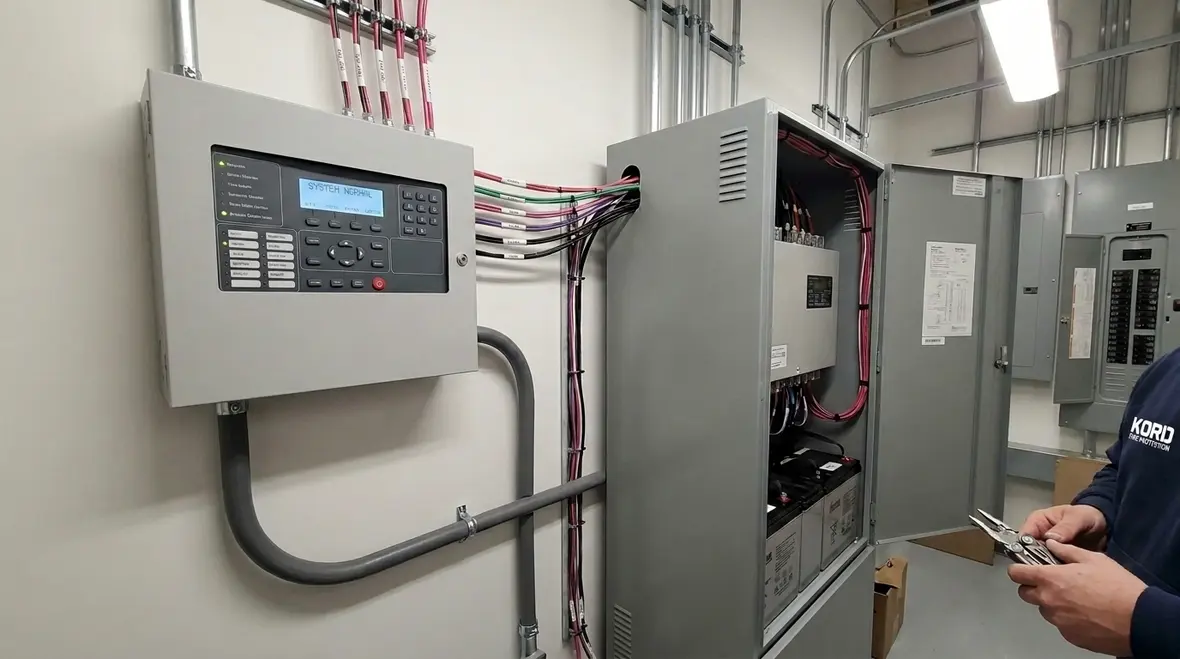
Reliable fire alarm performance starts well before an emergency. It begins with power that stays steady, backup that actually backs things up, and system integration that does not leave critical components acting like strangers in the same building. Near the top of that planning process, many facilities benefit from working with a provider that handles broader fire protection services so alarm power, inspection readiness, and long-term maintenance stay aligned naturally. ([kordfire.com](https://kordfire.com/full-fire-protection-services/?utm_source=openai))
Why modern fire alarms fail when power gets shaky
In industrial, retail, and commercial facilities, fire alarms do more than beep. They monitor sensors, supervise circuits, and drive outputs fast enough to matter when seconds count. However, many problems start long before smoke or heat appears. They begin with power variation, poor wiring practices, ageing batteries, or equipment that does not match the site’s electrical reality.
Therefore, the goal is not just “having power.” It is ensuring consistent power for modern fire alarm systems so panels and peripherals stay within safe operating ranges. If the system sees dropouts or spikes, it may fault, reset, or lose communication with signaling devices. And when that happens, teams end up investigating alarms like they are mystery novels, except nobody wants the “plot twist” during a real incident.
Integrated fire alarm power solutions, designed for the real world
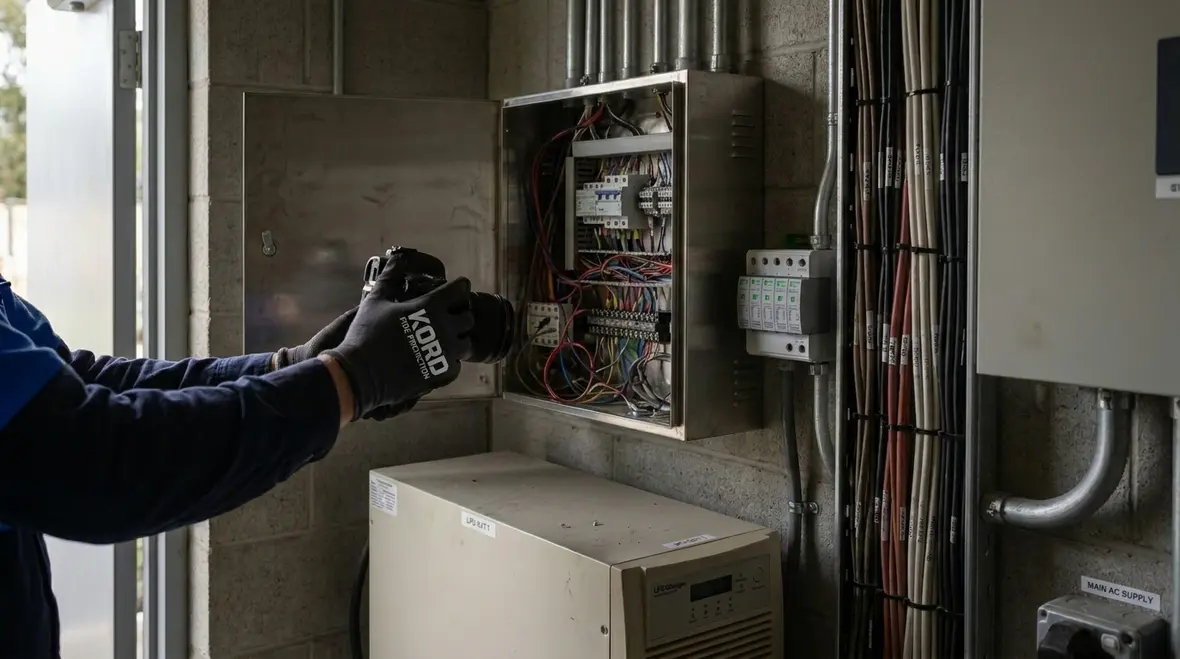
Most facilities do not run on ideal conditions. Instead, they face switching loads, motors starting, long cable routes, lightning risk, and maintenance work that can disturb power quality. That is why integrated fire alarm power solutions should align the fire alarm system’s needs with the electrical supply, protection devices, and standby duration.
Kord Fire Protection can become a vital partner by treating power as part of the fire system, not an afterthought. They coordinate the electrical side with the alarm design so the end result supports reliable supervision, correct standby behavior, and consistent operation across the lifecycle. For a facility manager, that reduces surprises at audit time and during handover, because the system performs the way it was planned.
That same thinking pairs naturally with Kord Fire Protection’s guide on fire alarm system reliability and battery health, because dependable alarm performance is never just about the panel on the wall. It is about whether the whole power chain behaves when the building needs it most. ([kordfire.com](https://kordfire.com/fire-alarm-system-reliability-and-battery-health/?utm_source=openai))
What “consistent power” actually means for a fire panel
When people hear “consistent power,” they often think of one number. Yet the reality is more practical and more measurable. A modern fire panel relies on stable input power and dependable backup energy. It also supervises circuits continuously, meaning it reacts quickly when conditions drift outside expected parameters.
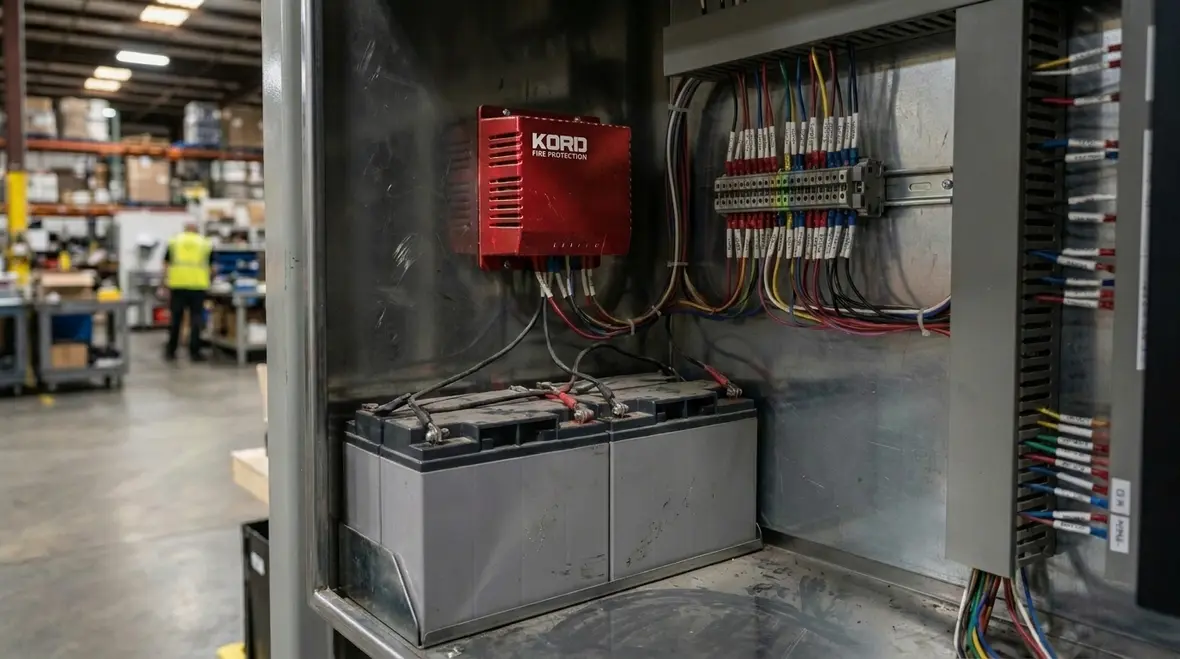
Key areas include voltage stability, surge protection, battery health, and correct charger behavior. In addition, the site must provide wiring integrity so the system does not see resistance changes as temperature shifts. Furthermore, power design should account for emergency events, including main supply failure and transfer behavior if backup sources come into play.
- Correct AC supply performance at the panel
- Battery sizing that matches required standby and alarm duration
- Charger settings that support long life and reliable recharge
- Supervision thresholds that prevent false faults
- Surge and transient protection appropriate to the environment
Yes, it is a lot. But fire protection is not the place to “figure it out later.” That approach works great for Friday night takeaways and not so well for emergency signaling.
How to prevent nuisance faults without hiding real issues
Nuisance alarms can ruin trust in the system. However, power problems can also mask genuine failures if the response strategy focuses only on silencing. Therefore, facilities need a process that distinguishes real risk from electrical disturbance.
Common causes of nuisance events include undervoltage conditions, poor earthing practices, loose connections that heat up under load, and batteries that are near end of life. Additionally, transient events can trigger panel restarts or degrade signaling device performance even when the system appears “mostly fine.”
With the right integrated fire alarm power solutions, Kord Fire Protection can help align installation quality with ongoing verification. That often means combining visual inspection with actual performance checks and reviewing patterns that point to recurring electrical instability rather than random gremlins. Kord’s related content on detecting panel faults early and battery backup reliability supports the same practical message: the warning signs usually show up before the big failure, if someone is looking properly. ([kordfire.com](https://kordfire.com/detect-electrical-faults-in-fire-alarm-panels-early/?utm_source=openai))
- Voltage drop along conductor runs under load
- Earth continuity and bonding integrity
- Battery terminal condition and corrosion control
- Charger output verification during commissioning and service
- Diagnostic logging review to find repeating patterns
In other words, they help teams stop guessing. And once teams stop guessing, they stop wasting time. That is the boring part people do not praise, yet it drives business stability.
Power resilience planning for industrial and commercial sites
Different facilities face different power stress. For industrial sites, motor starting, welding equipment, compressors, and variable loads can introduce dips and surges. For commercial spaces, long lighting circuits, frequent tenant fitouts, and shared electrical rooms increase complexity. Meanwhile, facilities with multi-building campuses must handle transfer coordination and consistent supervision across distances.
So a strong power plan considers operating patterns, not just diagrams. For example, teams might schedule installation and testing around production cycles, because a test conducted at the wrong time can hide a fault you will see later. Similarly, standby requirements depend on local alarm usage and the expected behavior during events.
Kord Fire Protection can support this planning by reviewing how the site operates day to day, then building a power strategy that stays stable through change. That matters because facilities evolve. New signage goes in. New kiosks appear. Load growth sneaks up like a villain who thinks they are “just helping.”
Commissioning, testing, and maintenance that keep power dependable
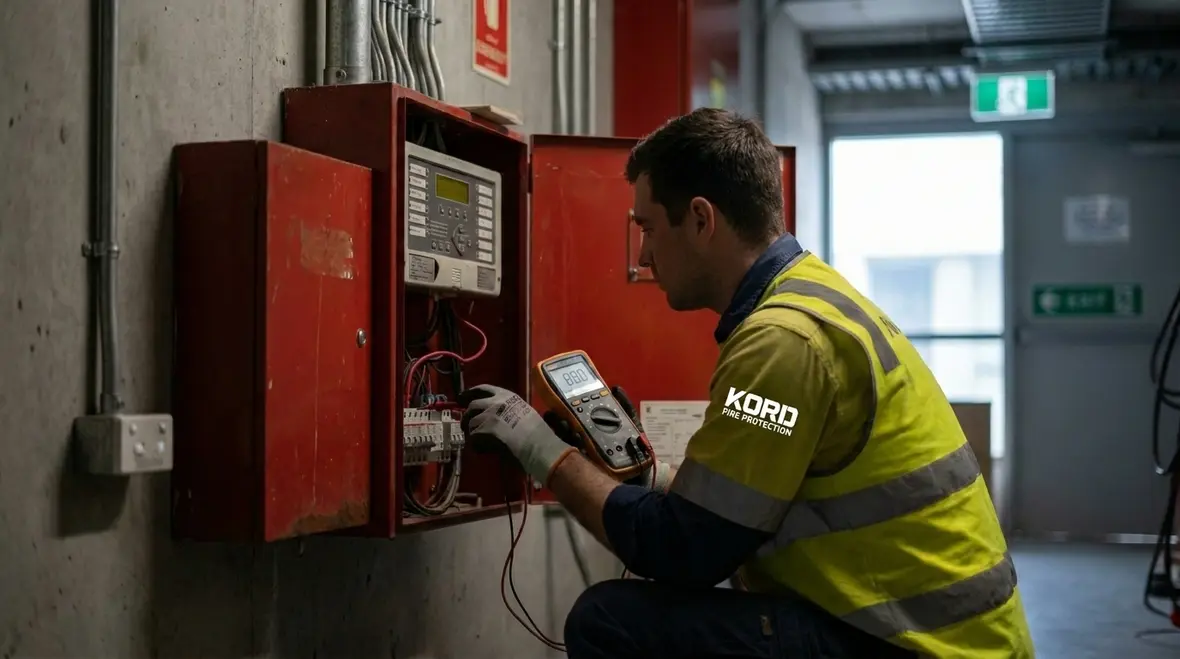
Stable power only lasts if the system remains stable after commissioning. Therefore, maintenance must treat power components as critical life-safety infrastructure. Batteries age. Terminations loosen. Chargers drift. Even good equipment needs verification because nature, heat, and time do not care about good intentions.
A practical approach includes routine inspection, performance testing, and clear documentation. During service, teams can verify charger output, measure standby capability, and confirm that protection devices operate as expected. They can also review recent logs to identify recurring disturbances tied to specific loads or seasonal conditions. Kord’s battery maintenance and reliability articles reinforce that a battery can look acceptable during a quick check yet still sag badly under actual demand, which is why load-aware testing matters so much. ([kordfire.com](https://kordfire.com/fire-alarm-system-reliability-and-battery-health/?utm_source=openai))
Additionally, integrated solutions make maintenance smoother. Instead of separate “electrical” and “fire” schedules, coordinated service reduces downtime and avoids duplicate work. Kord Fire Protection can help align these efforts so the facility receives a consistent outcome, not a patchwork of good efforts.
One more note, delivered with friendly sarcasm: pretending power will magically stay perfect is like assuming your Wi-Fi password never gets shared. Eventually, something changes.
Choosing Kord Fire Protection as a vital partner
When facilities select a partner, they need more than “install and walk away.” They need someone who understands how power reliability affects alarm behavior and how alarm behavior impacts compliance, safety, and operational readiness.
Kord Fire Protection can become a vital partner by supporting the full pathway: design support, correct power integration, commissioning checks, and ongoing maintenance. As a result, teams reduce false alarms, protect system availability, and keep emergency response consistent across industrial, retail, and commercial environments. That broader service approach is reflected across Kord’s service and educational content, where alarm reliability, monitoring, inspection readiness, and battery performance are treated as connected parts of one system rather than isolated chores. ([kordfire.com](https://kordfire.com/full-fire-protection-services/?utm_source=openai))
And because they work with integrated fire alarm power solutions, they can help ensure the entire system behaves like one dependable unit, not like a set of devices arguing in different languages.
Frequently Asked Questions
Power risk
Voltage dips, spikes, and poor protection can disrupt panels, create faults, and increase downtime.
Practical control
Plan supply quality, size standby correctly, verify charger behavior, and maintain connections and protection devices.
CTA: get a power reliability plan before the next upset
Facilities that value uptime and safety should treat fire alarm power as a life-safety system, not a separate electrical task. Kord Fire Protection can help plan, install, commission, and maintain integrated fire alarm power solutions so modern systems stay stable through change. Contact Kord Fire Protection to review your site requirements, power risks, and standby needs, then lock in dependable performance.
Keep systems available
Integrated planning helps reduce nuisance faults, avoid preventable downtime, and support consistent alarm operation when conditions get messy.
Build power confidence
With the right design, testing, and maintenance approach, facilities gain a fire alarm power strategy that behaves reliably instead of dramatically.

Join Our Newsletter!
Get the latest fire safety tips delivered straight to your inbox From our Newsletter.