Water Mist Fire Suppression for Sensitive Environments
Unveiling the Mystique: Water Mist Fire Suppression Explained
Imagine a fire suppression system so precise, it can quench flames without soaking priceless antiques or frying million-dollar servers. Sounds like wizardry, right? Well, say hello to the modern marvel of water mist. This article will take you on a detailed, engaging tour of how water mist fire suppression works in sensitive environments. And yes, we’ll make it fun, informative, and just a little bit cheeky.
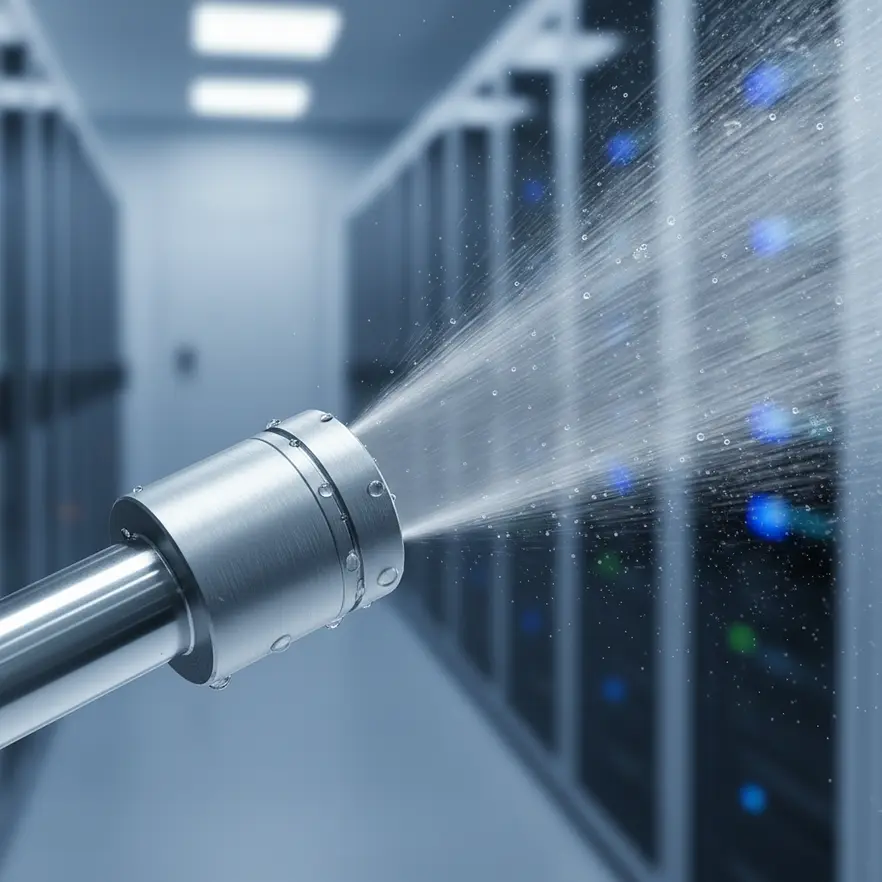
From data centers and museums to electronics labs and operating rooms, these are places where a traditional sprinkler system would be about as welcome as a cat at a dog park. But with water mist fire suppression explained clearly upfront, let’s be clear: it’s not about dumping buckets of water. It’s about microscopic droplets—tiny, efficient warriors that quash fire, spare your assets, and don’t leave a mess that’ll have you calling your insurance agent in tears.

This Is Not Your Grandma’s Sprinkler System
Traditional sprinklers? Think torrents. Saturation. Destruction. Enough water to recreate the Titanic, but in your server room. Meanwhile, water mist brings finesse to the scene. It uses high pressure to produce ultra-fine droplets. These droplets are so small they could file for an invisibility cloak. But despite their size, their impact is seismic for fire suppression.
The science is straightforward yet elegant. When released, the mist absorbs heat rapidly, displacing oxygen and cooling down the fire triangle faster than a superhero team-up. That’s right. Heat, oxygen, and fuel—the three musketeers of combustion—all defeated in a spectacularly calm and controlled fashion. No soaking, no collateral damage, and certainly no dramatic soundtrack (unless you play one in the background).
The Fire Triangle Meets Its Match
Those ultra-fine droplets don’t just hover there looking pretty. Because they have such a high surface-area-to-volume ratio, they absorb heat almost instantly. That rapid cooling does two things at once: it shrinks the flame front and generates steam, which helps push oxygen away from the combustion zone. Fire without heat and oxygen is just… sad, frustrated fuel.
Unlike big, heavy sprinkler droplets that crash to the floor, water mist hangs in the air longer, saturating the critical combustion layer instead of flooding the carpet and keyboards. You get targeted suppression instead of indoor water park energy.

When Humidity Saves the Day: Ideal Use-Cases for Sensitive Spaces
Now not every fire suppression method can walk into a room full of million-dollar equipment, relics from the Roman Empire, or sterile medical devices and say, “Don’t worry. I got this.” That’s why water mist is the VIP guest in facilities that require a light touch and a heavy duty response.
Here are some environments where this system doesn’t just work—it thrives:
- Data Centers: Full of servers that hate water but hate fire more.
- Museums and Archives: Any fire here would cost more than all your Avengers Blu-rays combined.
- Hospitals: Operating rooms especially, where precision and sterility are non-negotiable.
- Commercial Kitchens: Because grease fires are like horror movie villains—they keep coming back.
- Power Generation Plants: For sensitive turbines and control equipment that might panic at the sight of foam or gas.
Each of these places demands a unique firefighting approach, and water mist delivers a tailored response without playing bull in a china shop. Except here, the china is your critical infrastructure.
Zoning In Without Zoning Out
Water mist systems can be designed as local application (just over that risky fryer or turbine) or total flooding (for entire rooms packed with precious gear). That flexibility means you’re not forced into a one-size-fits-nobody solution. Instead, risk, layout, and equipment value all guide the mist density, nozzle spacing, and activation logic.

Why Water Mist Beats the Classics in Sensitive Spaces
When it comes to whisper-quiet efficiency and low-impact performance, water mist is like the James Bond of fire suppression. Other systems either drown your assets or gas your workplace like it’s hosting a villain’s lair. Dry chemicals, for instance, leave residue more stubborn than your uncle’s opinions. Clean agent gas systems? Costly, complex, and frankly a bit dramatic.
Water mist, by comparison, earns some cool points:
- Minimal water usage means less cleanup and faster recovery.
- No chemical residue which means you won’t need a hazmat team after extinguishing a fire.
- Better visibility during activation for personnel evacuating the area. No ghostbusters fog machine effects here.
- Lower electrical conductivity when properly designed, so that eureka moment didn’t just fry your circuits.
So yes, water mist keeps things cool—literally and figuratively. It handles the heat while treating your sensitive zones like they’re swaddled in bubble wrap.
When Not to Use Water Mist
It’s powerful, but it’s not a universal cheat code. Open outdoor areas with strong wind, deep-seated Class A fires in bulky storage, or locations where water of any kind is unacceptable may call for different tools. The magic is in matching the hazard to the technology, not just buying the shiniest system in the brochure.
How the System is Actually Installed: Not Just Magic and No Unicorns
Water mist suppression systems aren’t just plugged in like a Netflix subscription—they’re carefully engineered. Installation starts with understanding the structural and operational specifics of your space. Different layouts require different nozzle placements, and pressure settings differ depending on whether it’s low, intermediate, or high-pressure mist you’re packing.
Each type suits different needs:
Once installed? The system stands ready, pressurized, vigilant. It monitors for heat or flame signatures, and once conditions say “We got a problem,” the mist releases faster than spoilers on opening night of a Marvel movie.
Behind the Scenes: Pumps, Pipes, and Panels
At the heart of the system are specialized pumps or stored-pressure cylinders, stainless or corrosion-resistant piping, and a detection and control panel that ties everything together. Detectors spot the fire, the panel makes the call, valves open, and the nozzles do their thing. No unicorns, just engineering and a lot of testing behind the curtain.
Hey Alexa, How Does Water Mist Compare in Terms of Efficiency?
If artificial intelligence can run your refrigerator and write love poems (somewhat poorly), surely it can also judge fire suppression technologies. If the question went to Alexa, it might answer with cold technical data. But let’s keep it real.
Water mist systems boast up to 90 percent less water usage than traditional sprinklers. That’s like ordering a venti-sized protection package and getting a ristretto shot in terms of waste. Also, the thermal energy absorption rate is much higher due to the larger surface area of the miniscule droplets. Meaning? Fire is neutralized faster.
In side-by-side burn tests—yes, there is such a thing—water mist often extinguishes fires quicker with far less collateral damage. And it manages all this while using plain water, without needing gases stored in tanks that look like they belong on a spaceship.
Efficiency You Can Actually Feel
For facility managers, “efficiency” doesn’t mean winning a science fair. It means less downtime, smaller clean-up crews, fewer components to replace, and fewer awkward calls explaining why the archive room now smells like a flooded basement. Water mist’s speed and precision translate directly into shorter outages and lower recovery costs.
Maintenance That Doesn’t Involve a Sorcerer
Let’s address the elephant in the server room: maintenance. After all, what’s the point of having assurance in fire protection if it takes a team of NASA engineers to keep it operational?
Luckily, water mist systems are relatively low-maintenance. Of course, regular inspections are required, because trust but verify is still a pretty good motto. Nozzles need checking. Pumps need testing. The control system should be evaluated. But you won’t be elbows-deep in dusty filters or chemical resets every quarter.
Just be sure your maintenance crew brings coffee. After all, everything runs better with coffee involved—even fire systems.
What a Typical Service Visit Looks Like
Depending on local codes and standards, technicians will visually inspect nozzles, verify valve positions, review event logs on the control panel, and test pumps or cylinders. Every so often, they’ll run full functional tests to confirm pressure, flow, and mist pattern meet design criteria. You get documented proof your system is ready, and nobody had to crack open a spell book.
How Sustainability Gets a Gold Star Here
In a world where the only thing hotter than climate change is TikTok trends, environmental sustainability can’t be ignored. Water mist systems operate with… wait for it… water. Shocking, right?
There are no ozone-harming agents, no chemical clouds, and no water-hoarding like you’re prepping for the apocalypse. The minimal discharge dramatically reduces environmental damage and post-fire waste. It’s the eco-conscious solution for the green-minded facility manager who also enjoys sleeping at night without worry.
Green Credentials Without Greenwashing
Because they rely on potable or filtered water, water mist systems avoid the regulatory and end-of-life disposal headaches that come with some gas systems. There are no cylinders to decommission through specialty vendors, and no worries your suppression agent is quietly becoming the villain of a future environmental documentary.
Real-World Proof:
Let’s talk results. A European telecommunications hub implemented a water mist system after a minor fire fried reduced performance for a week. Since then? They activated the system during a short-circuit fire and were back online in under three hours—snappy as a sitcom comeback.
Then there’s the museum in Asia that faced the impossible question: save the artwork or save the building? Turns out, with water mist, you don’t have to choose. A small fire in the HVAC system was stopped promptly, leaving behind more dust than damage.
Third example? A hospital’s operating room where a fire on a light fixture threatened critical infrastructure. Mist handled it efficiently, without disrupting surgical protocols or requiring room closures.
The real world isn’t theoretical, and these systems step up when reality bites.
What These Stories Have in Common
In each case, decision-makers weren’t just chasing the newest tech toy. They had a specific problem: protect critical assets, limit downtime, and avoid turning a small incident into a headline. Water mist worked not because it’s trendy, but because it aligned neatly with those real, slightly terrifying “what if” scenarios that keep risk managers awake at night.
FAQs: Quick Answers to Burning Questions
Final Thoughts and What To Do Next
If your facility houses precious data, delicate equipment, or irreplaceable items, water mist may very well be your quiet champion. It’s surgical, efficient, and sustainable fire protection—without drama or destruction. While old-school sprinklers still have their place in less sensitive settings, they simply can’t match the precision and low-impact control that mist brings to the table.
Talk to a certified professional today and secure what matters most before the sparks fly.

Join Our Newsletter!
Get the latest fire safety tips delivered straight to your inbox From our Newsletter.