Water Mist Fire Suppression vs Sprinklers Guide
When property owners start weighing water mist fire suppression vs sprinklers, the conversation often begins with a simple question. Which system actually protects people and property better? However, as Kord Fire Protection technicians often explain, the answer depends on far more than preference. It depends on science, building design, risk level, and even the value of what sits inside the walls. In many environments, traditional sprinklers remain reliable workhorses. Yet in others, water mist systems step forward like the quiet hero in a disaster movie, calm, precise, and surprisingly powerful.
This article takes a closer look at how these systems work, where they differ, and when mist clearly wins. Along the way, expect practical insight, real world reasoning, and just a touch of humor. After all, fire protection may be serious business, but that does not mean the explanation has to sound like a robot reading a user manual.
Understanding the Basics of Fire Suppression Systems
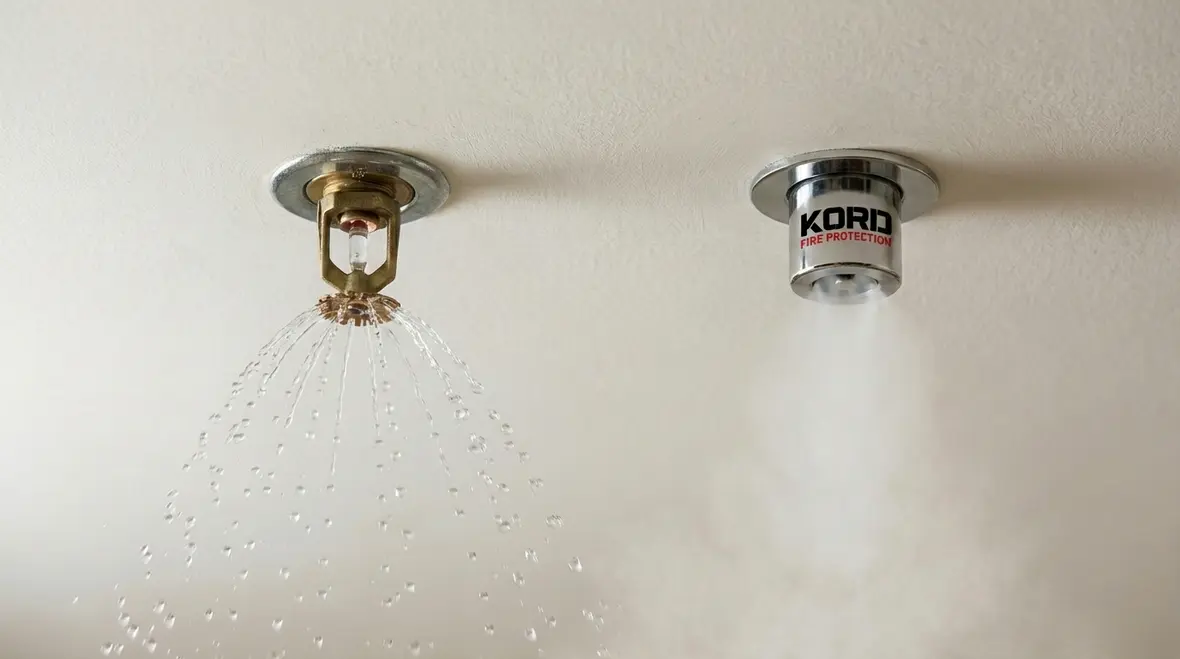
Before comparing performance, it helps to understand how each system functions. Traditional sprinklers operate on a straightforward principle. When heat from a fire reaches a set temperature, the sprinkler head activates and releases a steady stream of water. The goal is simple. Cool the fire and soak surrounding materials to stop spread.
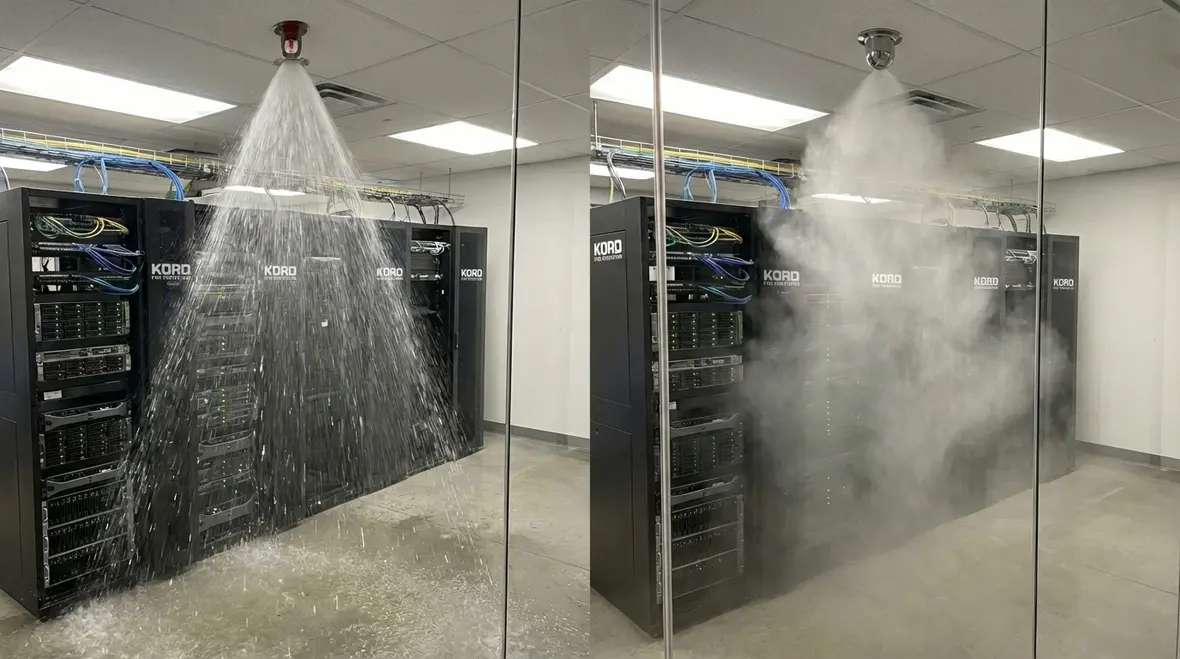
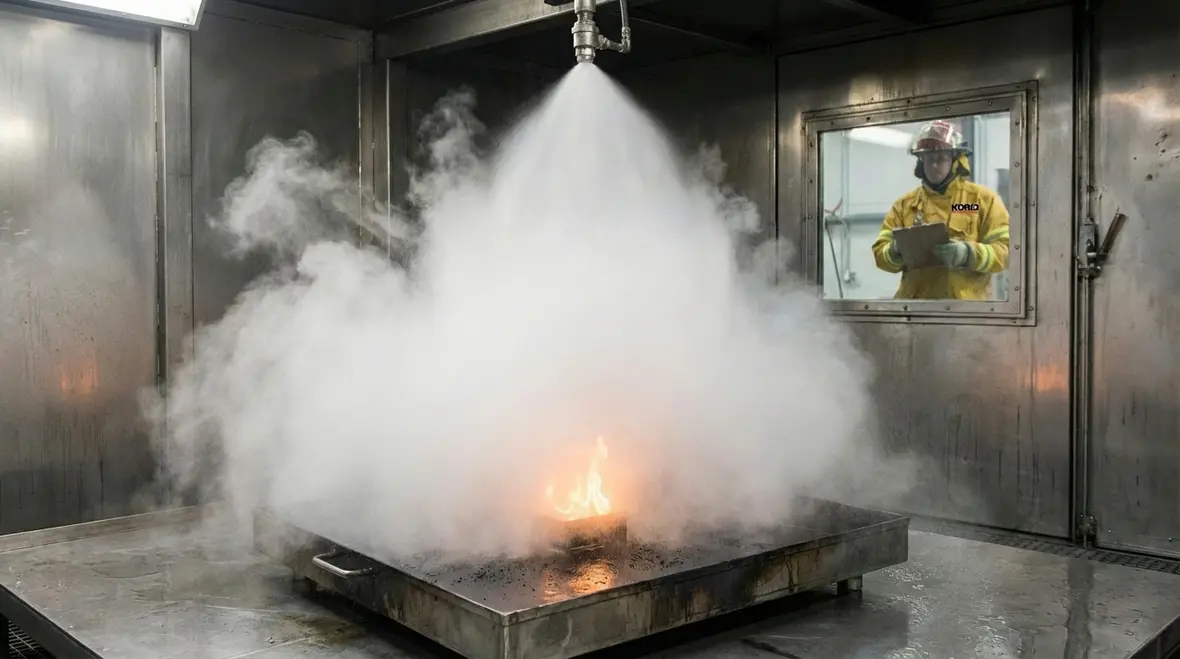
Water mist systems, on the other hand, discharge ultra fine droplets. These droplets absorb heat quickly and convert to steam. As a result, they reduce temperature and displace oxygen at the flame source. Instead of drenching an entire area, they target the fire with precision.
Kord Fire Protection technicians often describe it like this. Sprinklers fight fire with a bucket. Water mist fights fire with a cloud. Both use water. However, the delivery method changes everything.
Furthermore, because mist systems use smaller droplets, they require far less water overall. That distinction becomes critical in sensitive environments where water damage can cost more than the fire itself. In fact, many facility managers first hear about mist while searching for solutions tailored to sensitive environments packed with high value assets.
Water Mist Fire Suppression vs Sprinklers in High Value Environments
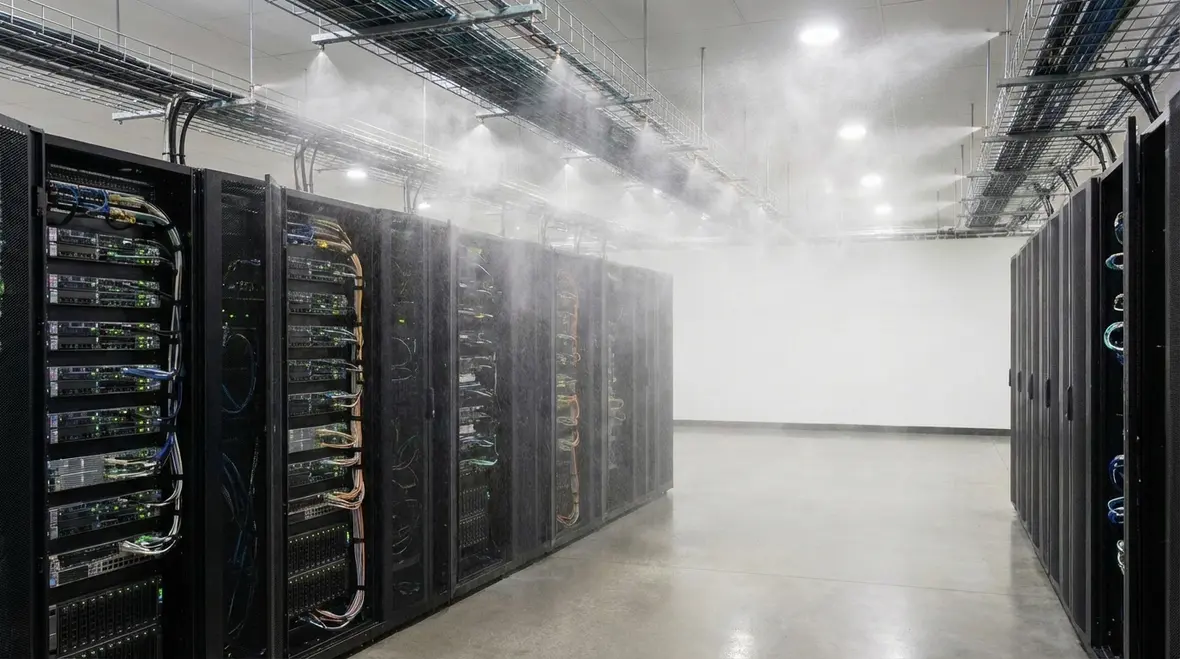
In spaces filled with electronics, archives, or specialized equipment, excessive water can be as destructive as flames. Therefore, many data centers, museums, and medical facilities lean toward mist systems.
Traditional sprinklers can release dozens of gallons per minute. While that volume effectively controls fire, it can flood server rooms or damage irreplaceable artifacts. In contrast, water mist systems use significantly less water while still absorbing heat rapidly.
Kord Fire Protection technicians frequently guide clients through these scenarios. They assess asset value, layout, and risk tolerance. Then they explain, in calm and clear terms, how reduced water output often means reduced collateral damage. For many owners, that lightbulb moment leads straight to exploring dedicated water mist system services and maintenance plans that keep these advanced systems ready.
Imagine a rare manuscript collection. A sprinkler might save the building but ruin centuries of history. A mist system, however, can suppress flames with minimal residual water. In these cases, mist does not just win. It dominates.
Comparing System Performance and Fire Control Efficiency
Performance matters. So how do these systems actually stack up during an active fire?
How Traditional Sprinklers Fight Fire
Sprinklers control fire primarily through cooling and saturation. They prevent flashover by keeping temperatures down and limiting oxygen. Because they activate individually, only heads exposed to sufficient heat discharge water.
How Water Mist Systems Change the Game
Meanwhile, water mist systems attack fire on three fronts. First, they cool rapidly due to increased surface area of droplets. Second, they create steam that displaces oxygen near the flame. Third, they block radiant heat from spreading. As a result, fire growth slows quickly.
Additionally, mist systems can be highly effective in enclosed spaces where oxygen displacement enhances suppression. However, Kord Fire Protection technicians stress that room volume and ventilation must be evaluated carefully. Fire science does not rely on guesswork.
In many machinery spaces, marine vessels, and industrial enclosures, mist often outperforms traditional systems. It suppresses flames without soaking motors or electrical panels. Consequently, downtime decreases and recovery speeds up.
Installation, Infrastructure, and Long Term Costs
Cost discussions tend to shift the tone of any meeting. Yet they are necessary. Installation expenses, water supply requirements, and maintenance all influence system selection.
What to Expect from Traditional Sprinkler Installations
Traditional sprinklers generally require larger water supplies and drainage considerations. Buildings may need substantial piping networks and storage tanks. However, the technology is familiar to most contractors, which can reduce complexity.
What Changes with Water Mist Infrastructure
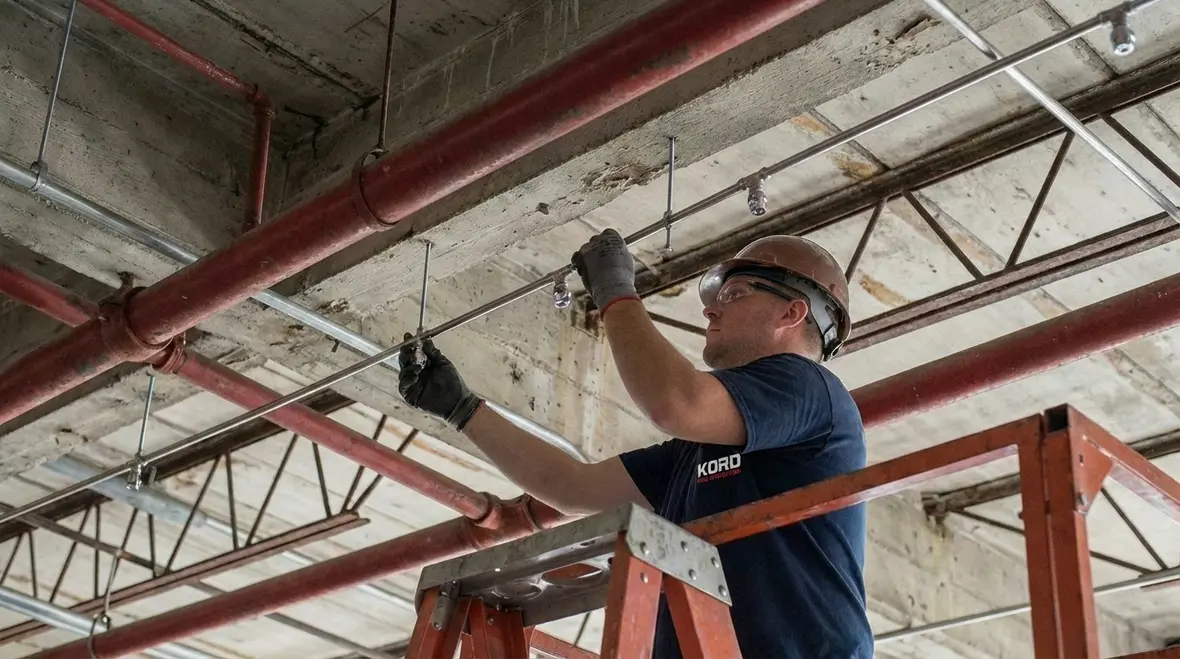
Water mist systems typically require specialized pumps and nozzles. Nevertheless, because they use less water, pipe diameters may be smaller. In retrofit projects, this can simplify integration into existing structures.
Kord Fire Protection technicians often remind clients to look beyond initial price tags. For instance, lower water usage can mean smaller pumps and reduced structural reinforcement. Over time, that efficiency offsets higher equipment costs.
Moreover, cleanup expenses after discharge differ dramatically. A soaked warehouse may face weeks of restoration. A mist protected room may require far less remediation. When decision makers compare total lifecycle impact, the numbers often tell a compelling story.
Side by Side Comparison for Decision Makers
Below is a simplified comparison to clarify distinctions. While every project demands custom analysis, these general traits highlight when each approach excels.
Traditional Sprinklers
- High water volume discharge
- Broad area saturation
- Proven for large commercial spaces
- Simple mechanical design
- Potential for significant water damage
Water Mist Systems
- Low water consumption
- Targeted heat absorption
- Ideal for sensitive equipment areas
- Advanced nozzle engineering
- Minimal residual water impact
Although both systems meet safety standards, the choice hinges on environment and risk profile. Consequently, many modern facilities blend technologies, applying each where it performs best.
Where Water Mist Clearly Outperforms Traditional Systems
Some settings practically invite mist technology.
Heritage Properties and Historic Structures
First, consider heritage buildings. Structural integrity and historic materials demand gentle suppression. Because water mist uses limited water, it reduces stress on aged beams and finishes.
Marine and Transportation Applications
Next, examine marine applications. Ships operate with confined compartments and sensitive controls. Here, mist systems suppress engine room fires effectively without flooding vital systems.
Healthcare and Continuously Occupied Facilities
Furthermore, healthcare facilities benefit from rapid control with limited disruption. Patients cannot simply evacuate like office workers heading to lunch. Therefore, precise suppression matters.
Industrial Hazards and Environmental Concerns
Kord Fire Protection technicians often note that in these scenarios, choosing mist feels less like an upgrade and more like common sense. It is similar to choosing a scalpel over a sledgehammer. Both tools have purpose. However, one offers precision.
Even in industrial settings with flammable liquids, mist can control fires quickly while limiting runoff contamination. As environmental regulations tighten, that advantage grows more valuable.
What Should a Building Owner Ask Before Choosing?
When evaluating water mist fire suppression vs sprinklers, building owners should request a structured risk assessment. Kord Fire Protection technicians recommend focusing on several factors.
- Building occupancy type
- Value and sensitivity of contents
- Available water supply
- Ceiling height and ventilation patterns
- Local code requirements
- Long term operational costs
Additionally, owners should consider business continuity. How quickly must operations resume after an incident? If downtime carries high financial impact, reduced water damage may justify advanced systems.
It also helps to consult professionals early in design phases. Retrofitting fire protection after construction can limit options. However, integrating suppression strategy from the start allows optimized placement and cost control.
Above all, decisions should rely on expert analysis rather than trend chasing. Mist technology sounds impressive, and it is. Still, sprinklers remain effective in many standard commercial spaces. The key lies in matching system to hazard.
FAQ: Water Mist and Traditional Sprinkler Systems
Making the Right Call for Long Term Protection
Choosing between systems is not about picking sides in a technology debate. It is about protecting people, assets, and operations with intelligence and foresight. In the discussion of water mist fire suppression vs sprinklers, mist often wins where precision, minimal water damage, and rapid heat absorption matter most. However, traditional sprinklers continue to serve as dependable guardians in many structures.
For property owners seeking clarity, Kord Fire Protection technicians stand ready to assess, explain, and design solutions tailored to each space. If you want help deciding where mist fits into your overall strategy, explore Kord Fire’s dedicated Water Mist System Services or connect through a local service hub. Reach out today, because when it comes to fire protection, the best decision is an informed one.
Ready to go a step further and align suppression with broader code and performance testing? Kord Fire also provides Regulation 4 testing services that keep your water mist and sprinkler systems compliant, documented, and ready for the real world—not just the plan set.
Know Your Weapon Before You Fight the Flame
Kord Fire Protection is your go-to when it comes to all things fire protection. For over 20 years, we’ve been serving Southern California with the quality service and equipment to keep your home or business safe at all times. Our competitive prices reflect our unwavering commitment to protecting what matters most in the event of a fire emergency. Give us a call, send an email, or use that form!

Join Our Newsletter!
Get the latest fire safety tips delivered straight to your inbox From our Newsletter.