Water Mist Fire Extinguisher Use Cases Guide
Water Mist Fire Extinguisher: Where It Fits in Modern Building Protection
In hospitals filled with delicate equipment, in data centers humming with quiet intensity, in heritage buildings that whisper stories from centuries past, and even in commercial kitchens where heat and haste often collide, water mist fire extinguisher use cases are steadily expanding. These systems protect sensitive electronics, safeguard people in high occupancy spaces, and reduce collateral damage after a fire. That alone earns attention. Yet the real story unfolds in how modern buildings demand smarter, cleaner, and more adaptable protection.
Kord Fire Protection technicians often explain it in simple terms. Buildings have evolved. Fire safety must evolve with them. What worked in a warehouse in 1985 does not always fit a smart building in 2026. And no one wants their fire solution to feel like it belongs in a museum, unless it is protecting one.
So where does this technology truly belong in today’s layered fire protection strategy? Let us walk through it carefully.

The Evolution of Fire Protection in Modern Buildings
Modern structures are more complex than ever. Open plan offices, lithium battery storage, advanced medical devices, server rooms, and sustainable building materials have reshaped risk profiles. As a result, fire protection must balance suppression power with minimal disruption.
Traditionally, building owners relied on dry chemical or foam systems. While effective, those systems often left behind heavy residue and costly cleanup. In contrast, finer water based suppression methods target heat more efficiently while limiting secondary damage.
Kord Fire Protection technicians often describe this shift as moving from brute force to precision. Instead of flooding a space or coating everything in powder, modern solutions focus on cooling flames rapidly and displacing oxygen at the fire source. Therefore, buildings maintain both safety and continuity.
Additionally, environmental standards have tightened. Many facilities now prioritize systems that use less water and avoid harmful chemicals. That expectation further supports the growing relevance of water mist fire extinguisher use cases across commercial and institutional environments.
If you are comparing options across your portfolio, it is often helpful to pair water mist strategies with a broader suppression and inspection program. For instance, many California, Washington, and other West Coast facilities work with ongoing fire protection service partners to align emerging technologies with local code requirements and inspection cycles.
How a Water Mist Fire Extinguisher Works and Why It Matters
Ultra Fine Droplets, Triple Action Protection
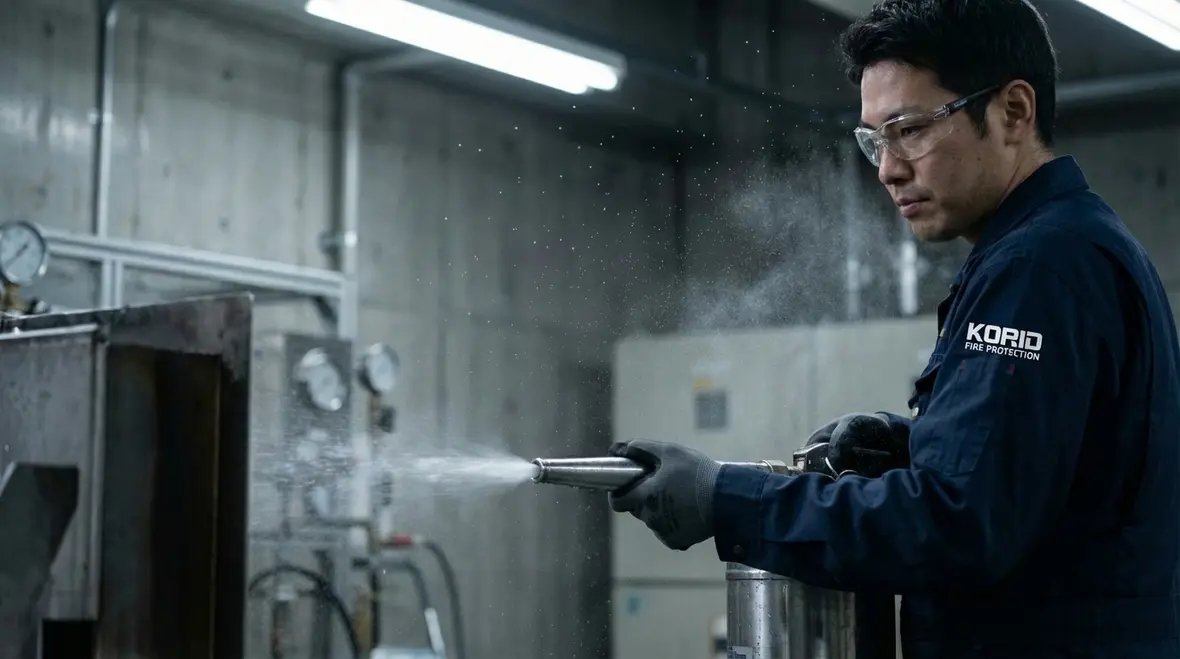
A water mist system releases ultra fine droplets under high pressure. These droplets absorb heat quickly because their surface area is significantly larger than standard spray patterns. Consequently, they cool flames faster and reduce radiant heat that can spread fire to nearby materials.
Moreover, when the droplets turn to steam, they expand. This expansion helps displace oxygen around the flame, which slows combustion. The result is a threefold action. Cooling. Oxygen reduction. And limited water damage.
Kord Fire Protection technicians often compare it to fog rolling in over a hot landscape. The mist settles, the temperature drops, and the environment changes rapidly. It is less dramatic than a movie explosion, thankfully, and far more controlled.
Why Droplet Size and Water Volume Matter
Because the droplets are so fine, they use significantly less water than traditional sprinkler systems. That detail matters in environments where water damage can rival fire damage. For example, in a server room, even a small pool of water can create downtime measured in millions of dollars.
Therefore, understanding how these systems function helps explain why their applications continue to grow. In many high value environments, they are deployed alongside clean agent suppression, kitchen hood systems, or conventional sprinklers to form a resilient, multi layer defense.

Where Water Mist Fire Extinguisher Use Cases Make the Most Impact
High Sensitivity and High Value Spaces
When building managers ask where this technology fits best, the answer is often tied to risk sensitivity. Certain spaces demand suppression that is both effective and gentle.
Common environments include:
- Healthcare facilities with oxygen enriched atmospheres
- Data centers and telecommunications rooms
- Historic buildings with irreplaceable materials
- Museums and archives
- Commercial kitchens
- Educational institutions
- Marine vessels and transport hubs
In healthcare, for instance, patient evacuation can be complex. Therefore, rapid suppression that limits smoke and heat spread is critical. Fine water mist systems help contain incidents without overwhelming rooms with excess water.
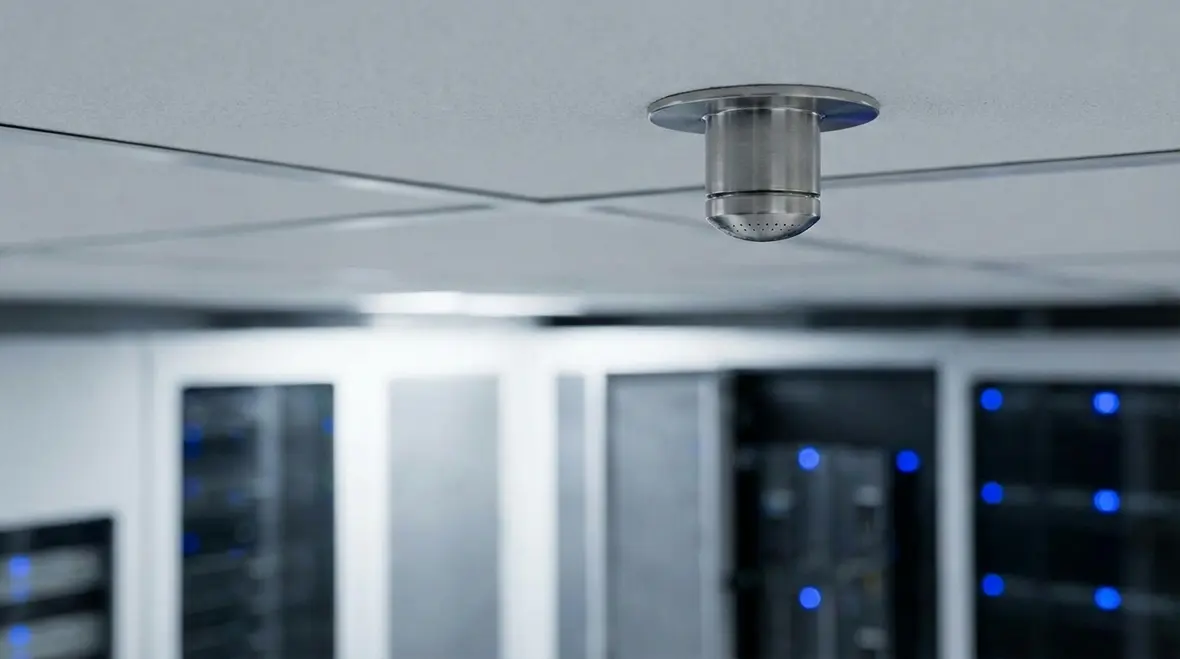
In data environments, protecting equipment ranks high. Traditional suppression might extinguish the flames but destroy the servers. That is not exactly a win. By contrast, targeted mist applications cool the fire while reducing widespread saturation. In many mission critical spaces, they appear alongside dedicated clean agent fire suppression for Los Angeles data centers so that operators can match the right suppression method to the right incident.
Historic buildings present a different challenge. Timber beams, antique textiles, and fragile finishes require care. Kord Fire Protection technicians often stress that heritage preservation depends on limiting both flame and aftermath. Water mist fire extinguisher use cases in these settings demonstrate how modern technology can protect the past without rewriting it.
Comparing Fire Suppression Options in Today’s Buildings
How Water Mist Stacks Up
Decision makers rarely choose a system based on theory alone. They compare performance, cost, environmental impact, and maintenance. To simplify the discussion, consider the following overview.
| Protection Factor | Water Mist Systems |
| Water Usage | Low volume, fine droplets reduce runoff |
| Damage After Activation | Minimal residue and easier cleanup |
| Suitability for Electronics | Appropriate when designed for energized equipment |
| Environmental Impact | No harmful chemical agents |
| Cooling Efficiency | High heat absorption due to droplet size |
While no single system solves every risk, this comparison shows why water mist fire extinguisher use cases continue to grow in sensitive or high value areas.
However, system selection must always follow a formal risk assessment. Kord Fire Protection technicians emphasize that design, pressure levels, and nozzle placement determine effectiveness. In other words, installation quality matters just as much as the technology itself.
Can a Water Mist Fire Extinguisher Replace Traditional Systems?
Complement, Not a Universal Replacement
This question surfaces often, and understandably so. Building owners want clarity.
The short answer is no, not universally. Instead, it complements broader fire protection strategies.
For example, warehouses storing high pile combustible goods may still require traditional sprinkler systems designed for that specific hazard. Likewise, certain industrial processes demand specialized suppression agents.
Yet in many commercial and institutional settings, water mist fire extinguisher use cases provide either primary protection or a strong supplemental layer. The key lies in hazard classification and regulatory compliance.
Kord Fire Protection technicians approach this with calm logic. They assess fuel load, occupancy type, ventilation patterns, and asset value. Then they recommend systems based on performance standards rather than trends. After all, fire safety should never be chosen the way someone picks a new phone case.
Therefore, while it does not replace every method, it absolutely earns a seat at the table in modern building design.
Design Considerations for Architects and Facility Managers
Designing Mist Systems into the Building, Not After
Architects now integrate fire protection early in the design phase. This shift prevents costly retrofits and ensures system compatibility with structural and mechanical plans.
When considering mist based suppression, professionals evaluate ceiling height, compartment size, airflow, and water supply. Additionally, they account for pressure requirements and pump systems.
Kord Fire Protection technicians often collaborate directly with engineering teams. As a result, nozzle placement aligns with lighting grids, ductwork, and aesthetic goals. No one wants a beautiful lobby interrupted by poorly planned hardware.
Maintenance also plays a role. Fortunately, inspection protocols for these systems remain straightforward when handled by certified professionals. Regular checks verify pressure integrity, nozzle condition, and control valves. Consequently, reliability stays high.
Another important factor involves staff training. Even the most advanced system benefits from informed occupants. Therefore, facilities often pair installation with awareness sessions led by experienced technicians who explain activation, response, and safety steps in plain language.
Environmental Responsibility and Long Term Value
Sustainability, Water Use, and Lifecycle Cost
Sustainability is no longer optional. Investors, tenants, and regulators expect responsible building practices. Fire protection contributes to that equation.
Because mist systems use less water, they reduce strain on municipal supplies during discharge. Furthermore, they avoid chemical agents that may carry environmental restrictions. That alignment supports green building initiatives and long term compliance.
From a financial perspective, reduced water damage can significantly lower post incident restoration costs. Insurance providers often consider system type when evaluating risk profiles. Therefore, appropriate application of water mist fire extinguisher use cases may positively influence overall lifecycle costs.
Kord Fire Protection technicians frequently remind clients that value extends beyond installation price. It includes operational continuity, asset protection, and reputation. After all, headlines rarely celebrate the building that almost burned down but did not.
Training, Compliance, and Professional Guidance
Turning Technology into Real World Readiness
No fire protection system operates in isolation. Codes, standards, and inspections shape every installation. Compliance with national and local regulations ensures both legal protection and occupant safety.
Kord Fire Protection technicians stay current with evolving standards. They guide building owners through approval processes, documentation, and routine inspections. Additionally, they conduct system testing to verify discharge performance and pressure levels.
Equally important, they translate technical details into practical understanding. Fire safety can sound intimidating. However, when explained clearly, it becomes manageable. That steady guidance builds confidence among facility managers and stakeholders.
In many ways, technology sets the stage, but people deliver performance. Proper design, installation, and maintenance ensure that water mist fire extinguisher use cases achieve their intended outcome when seconds matter most.
Frequently Asked Questions About Water Mist Fire Extinguisher Use Cases
Conclusion: Putting Water Mist to Work in Your Building
Modern buildings demand protection that is smart, efficient, and measured. Water mist technology answers that call with precision and restraint. Kord Fire Protection technicians stand ready to assess risks, explain options clearly, and design systems that align with today’s safety and sustainability goals. When protection matters, informed decisions make all the difference.
If you are exploring water mist fire extinguisher use cases for hospitals, data centers, historic properties, or mixed use facilities, partnering with a qualified team is essential. Kord Fire Protection provides full service design, inspection, and maintenance for suppression systems, including dedicated water mist system services as part of a complete fire protection plan.
Connect with their team and build safety into every corner of tomorrow’s spaces. Schedule a consultation to review your existing systems, identify the most beneficial water mist applications, and coordinate with complementary solutions such as clean agent suppression, sprinklers, and alarms so your building is ready long before an incident ever occurs.
Know Your Weapon Before You Fight the Flame
Kord Fire Protection is your go-to when it comes to all things fire protection. For over 20 years, we’ve been serving Southern California with the quality service and equipment to keep your home or business safe at all times. Our competitive prices reflect our unwavering commitment to protecting what matters most in the event of a fire emergency. Give us a call, send an email, or use that form!

Join Our Newsletter!
Get the latest fire safety tips delivered straight to your inbox From our Newsletter.