Torrance Standpipe System Inspections Guide
Standpipe System Inspections for Torrance Buildings
Every building has a quiet guardian. It does not wear a cape. It does not make headlines. Yet when smoke fills a corridor and alarms begin to sing, this guardian stands ready. In many commercial and multi story properties, that guardian is the standpipe system. A Torrance standpipe inspection ensures that this system works when it matters most. Without it, even the strongest building can become vulnerable. Throughout the city, property managers rely on trained professionals, including Kord Fire Protection technicians, to walk them through each valve, hose connection, and pressure reading with calm clarity.
This article explores why these inspections matter, how they work, and what building owners in Torrance should expect. Because when it comes to fire protection, guessing is not a strategy. It is a gamble no one wants to take.
For building owners who want to understand how inspections support code compliance, it can also be helpful to review Kord Fire’s broader overview of standpipe system requirements and how they work, which explains how properly designed systems support safe firefighting operations throughout Los Angeles County.
Why Standpipe Systems Matter in Torrance Buildings
Built‑in support for vertical firefighting
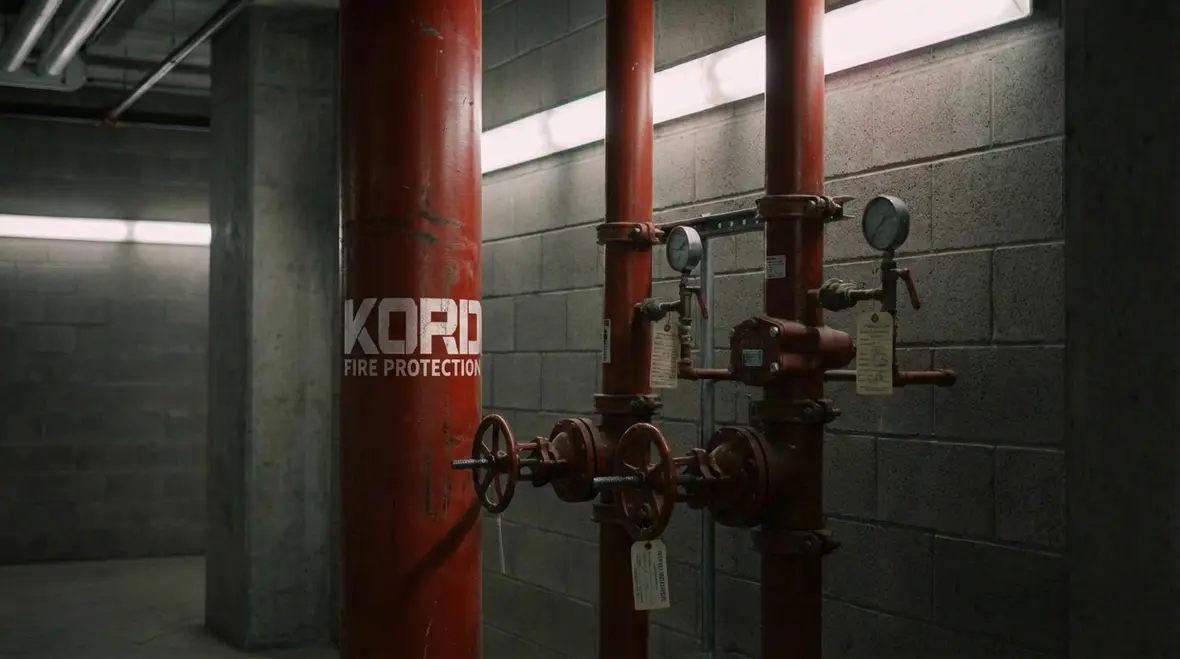
First, consider the landscape. Torrance features office towers, medical facilities, industrial complexes, and multi family properties. Many of these buildings rise high enough that firefighters cannot rely solely on hose lines from the street. Instead, they depend on standpipe systems built into the structure.
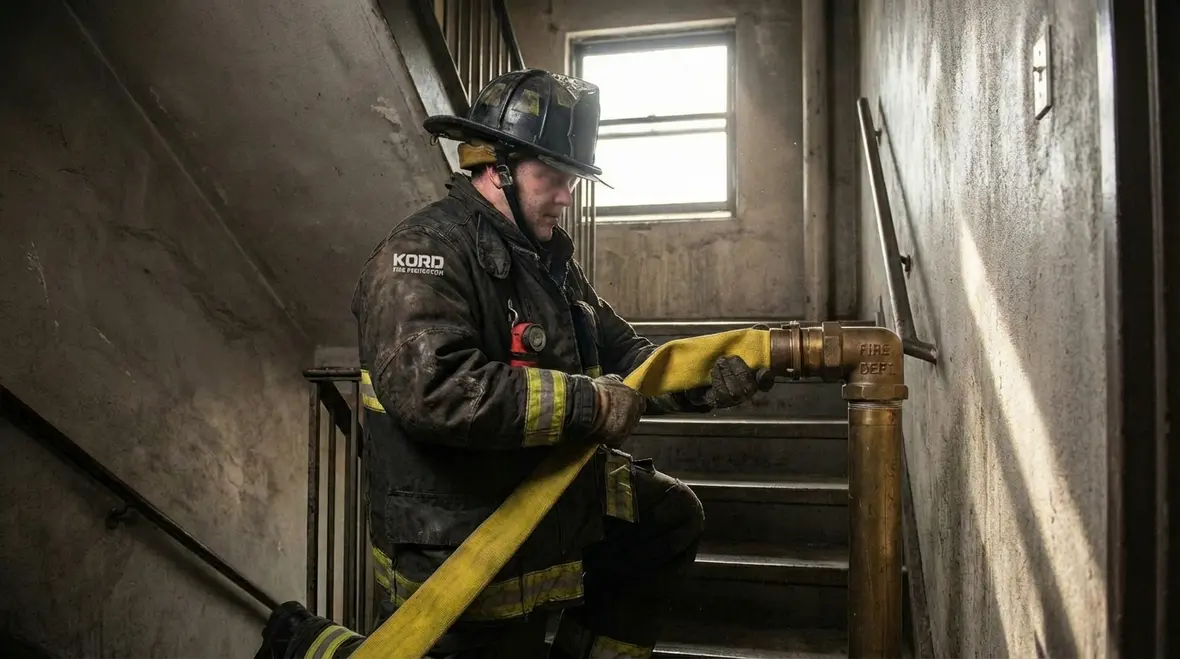
Standpipes deliver water to multiple floors through vertical piping. Firefighters connect hoses directly to outlets on each level. As a result, they can attack a fire quickly without dragging heavy hoses up stairwells. Time saved often means damage reduced and lives protected.
Why inspections are non‑negotiable
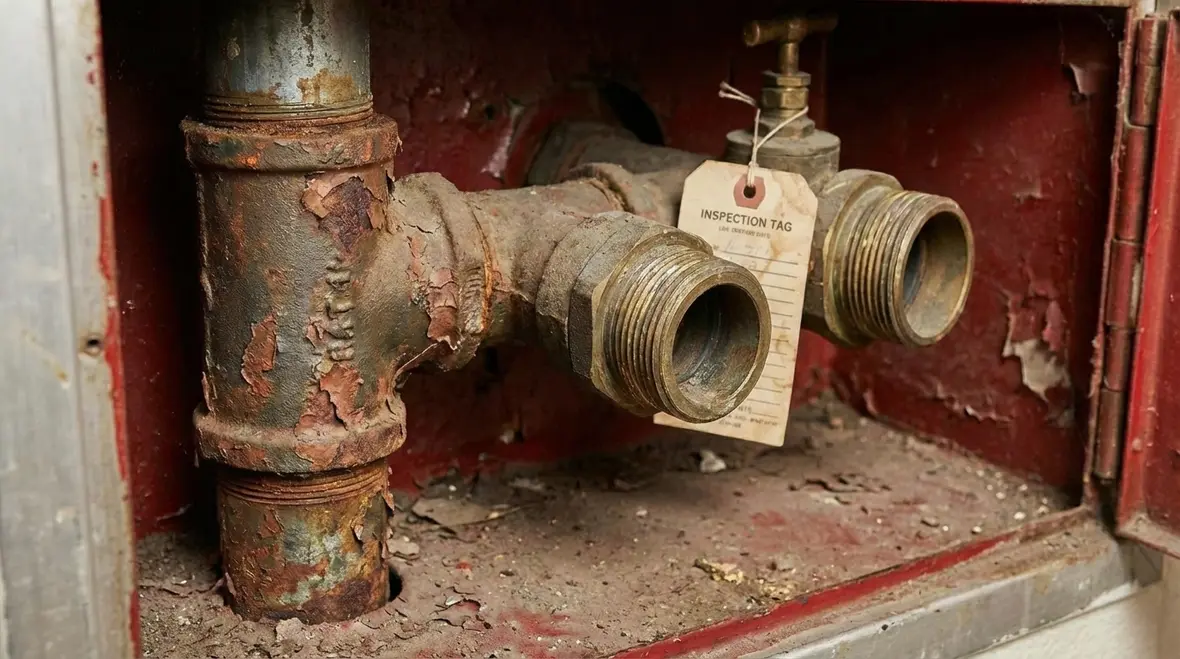
However, these systems face wear over time. Valves corrode. Gauges drift out of calibration. Pressure reducing devices fail quietly. Therefore, regular inspections are not just helpful. They are required by code and demanded by common sense.
To see how these systems fit into a larger fire protection strategy across Los Angeles County, many property managers also explore Kord Fire’s Los Angeles County fire protection overview, which highlights how standpipes, sprinklers, alarms, and hydrants work together to keep multi story properties safe and compliant.
What Happens During a Torrance Standpipe Inspection
Beyond a quick walk‑through
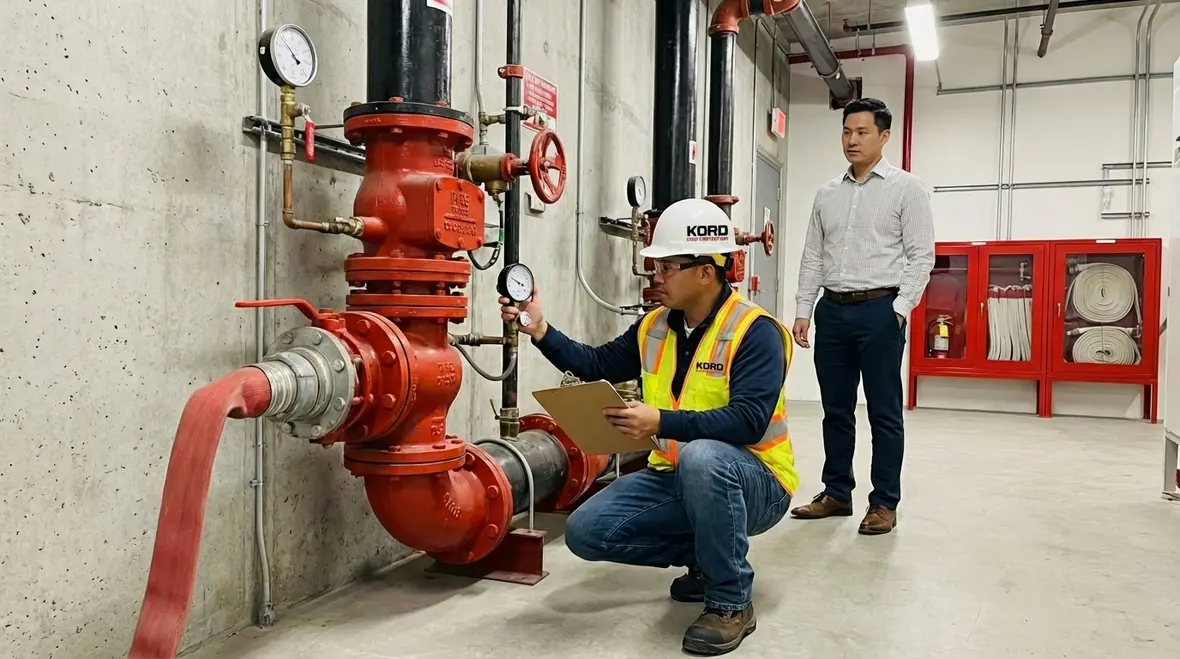
Some property owners imagine an inspection as a quick glance and a polite handshake. In reality, it is far more thorough. During a professional evaluation, technicians follow national standards and local regulations step by step.
Kord Fire Protection technicians, for example, take a methodical approach. They explain each step in plain language, so managers never feel left in the dark. And yes, they know that fire codes can read like ancient scrolls written by someone who really loved commas.
Key steps in a Torrance standpipe inspection
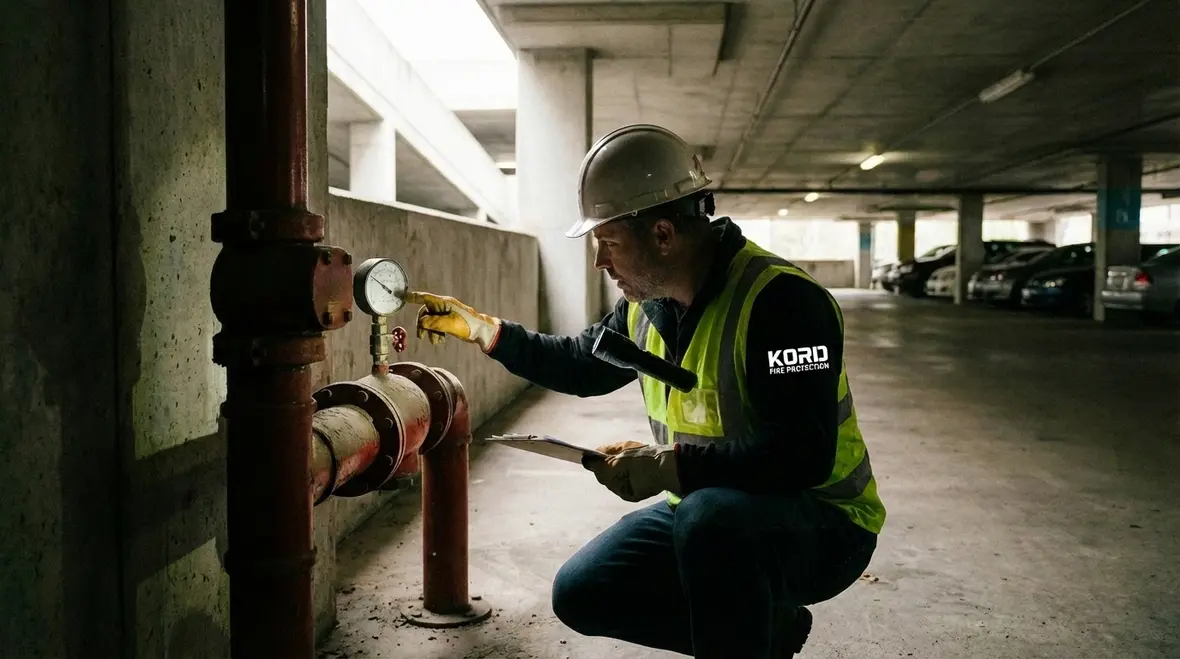
- Visual Examination – Technicians inspect exposed piping, fittings, hose connections, and cabinets. They look for corrosion, leaks, physical damage, and missing components.
- Valve Testing – Control valves must operate smoothly. Inspectors confirm they open fully and close properly. A stuck valve during an emergency is about as helpful as a screen door on a submarine.
- Pressure and Flow Testing – Standpipe systems must deliver adequate water pressure. Technicians conduct flow tests to verify performance meets required standards.
- Fire Department Connection Check – They confirm that the exterior connection remains accessible, properly labeled, and free of obstructions.
- Documentation and Reporting – Inspectors document every finding. That documentation protects building owners during audits and insurance reviews and pairs well with system details from Kord Fire’s dedicated standpipe systems service page.
How Often Should Standpipe Systems Be Inspected in Torrance?
Inspection intervals that keep you compliant
Property managers often ask this in a tone that suggests they hope the answer is once a decade. Unfortunately, the codes are less forgiving.
- Annual visual inspections to confirm overall condition and accessibility
- Flow testing every five years to verify performance under real water demand
- Additional assessments after repairs or modifications to ensure all changes meet code
However, specific requirements may vary based on system type and occupancy classification. Therefore, scheduling routine service with a qualified provider ensures compliance without guesswork.
Kord Fire Protection technicians often remind clients that inspections cost far less than emergency repairs. Moreover, staying proactive avoids last minute scrambles before city reviews. No one enjoys explaining to an inspector why maintenance was delayed because someone misplaced a calendar reminder.
Common Issues Found During Standpipe Evaluations
Small problems that become big liabilities
Even well maintained buildings reveal surprises. Over time, small issues quietly grow into significant problems. During a Torrance standpipe inspection, professionals frequently uncover concerns that demand attention.
- Corroded piping that restricts water flow
- Inoperable pressure reducing valves that deliver unsafe or insufficient pressure
- Missing caps or damaged threads on hose outlets
- Obstructed fire department connections blocked by landscaping or storage
- Improper signage that confuses first responders
While none of these issues may seem dramatic on their own, together they compromise system reliability. Consequently, early detection becomes the key advantage of regular inspections.
Kord Fire Protection technicians take time to show building representatives exactly what they find. They answer questions patiently and explain solutions clearly. That transparency builds confidence and long term partnerships.
What Should Building Owners Prepare Before an Inspection?
AI prompt style: simple, direct prep checklist
Building owners searching online often phrase their concerns in simple, direct language. So here is the answer delivered just as directly.
- Ensure access to all standpipe components, including locked rooms and roof areas
- Provide previous inspection reports for reference
- Clear obstructions from fire department connections and hose cabinets
- Notify tenants if water flow testing may cause brief disruptions
Additionally, keeping accurate maintenance records helps streamline the process. When technicians arrive, preparation allows them to focus entirely on system performance rather than logistics.
And while it may be tempting to stash old paint cans in a standpipe cabinet, it is wise to resist. Fire equipment cabinets are not secret storage units, no matter how convenient they seem.
Understanding Standpipe System Types in Torrance Properties
Wet, dry, and combination systems
Not all standpipe systems function the same way. Therefore, inspections must align with the specific system installed.
- Wet Standpipe Systems – These contain water at all times. They are common in heated buildings where freezing is not a concern.
- Dry Standpipe Systems – These contain pressurized air. Water enters the system only when activated. They often appear in parking structures.
- Combination Systems – These integrate with sprinkler systems and share components.
Each type presents unique inspection points. For example, dry systems require careful attention to air pressure levels and valve operation. Combination systems demand coordination between sprinkler and standpipe components.
Kord Fire Protection technicians approach each property with this nuance in mind. They do not apply a one size fits all checklist. Instead, they tailor the evaluation to the building’s configuration.
Inspection Components and Compliance Overview
Core elements inspectors verify
Below is a simplified comparison of key inspection elements and why they matter.
| Inspection Component | Purpose |
| Visual Piping Review | Identifies corrosion, leaks, and physical damage |
| Valve Operation Test | Confirms full control of water flow |
| Flow and Pressure Test | Verifies system delivers required performance |
| Fire Department Connection Check | Ensures quick firefighter access |
| Documentation Review | Supports regulatory compliance and insurance needs |
This structured approach protects occupants, satisfies authorities, and strengthens liability defense. Furthermore, it reinforces a culture of safety within the organization.
The Role of Professional Guidance in Fire Protection Planning
Why ongoing support matters
Regulations evolve. Building usage changes. Tenants come and go. As a result, fire protection planning requires ongoing attention.
Kord Fire Protection technicians do more than complete a checklist. They serve as advisors. When they identify aging components, they discuss replacement timelines. When they see compliance gaps, they outline practical solutions. Their explanations are calm, clear, and free of technical fog.
In addition, they help managers coordinate standpipe inspections with sprinkler testing and alarm system evaluations. This integrated strategy reduces downtime and supports a cohesive safety program. Many Torrance properties also benefit from exploring nearby city service pages, such as Kord Fire’s Hawthorne fire protection services, to understand how regional support teams help keep multi site portfolios inspection ready.
Because ultimately, a building is not just steel and concrete. It is people working, living, and trusting that safety systems will perform. That trust deserves careful stewardship.
FAQ About Standpipe System Inspections in Torrance
Conclusion: Protecting Torrance Buildings with Confidence
Fire safety does not reward hesitation. It rewards preparation. By scheduling regular standpipe system inspections, building owners in Torrance protect lives, property, and peace of mind. Kord Fire Protection technicians stand ready to guide each step with steady expertise and clear communication.
Now is the time to review system performance, confirm compliance, and strengthen protection. Schedule a professional evaluation today and let safety stand tall when it matters most.
For properties that also need support with sprinklers, alarms, or hydrant services, Kord Fire’s full portfolio of fire protection services offers a one stop solution. Their team designs, inspects, and maintains interconnected systems so that standpipes, pumps, and alarms work together when seconds matter most.
Know Your Weapon Before You Fight the Flame
Kord Fire Protection is your go-to when it comes to all things fire protection. For over 20 years, we’ve been serving Southern California with the quality service and equipment to keep your home or business safe at all times. Our competitive prices reflect our unwavering commitment to protecting what matters most in the event of a fire emergency. Give us a call, send an email, or use that form!

Join Our Newsletter!
Get the latest fire safety tips delivered straight to your inbox From our Newsletter.