
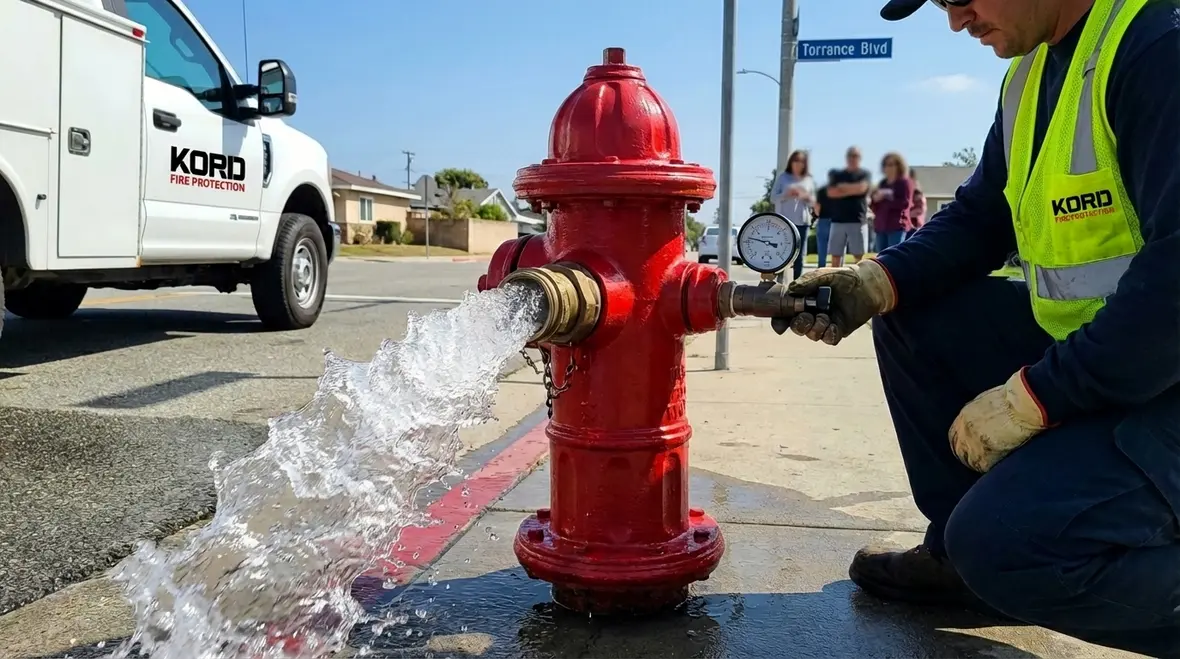
Torrance Fire Hydrant Testing and Maintenance
Fire Hydrant Testing and Maintenance in Torrance
In the first few minutes of an emergency, water pressure is not just helpful. It is everything. That is why Torrance fire hydrant testing plays such a critical role in public safety. Within the first 100 to 150 words of any serious discussion about fire protection in this city, that phrase deserves its spotlight. Because behind every bright red hydrant on a quiet street corner stands a system that must perform without hesitation.
Kord Fire Protection technicians understand this responsibility. They approach each hydrant with steady hands and sharper minds, explaining the process to property managers, city officials, and curious onlookers alike. And while hydrants may look simple, like oversized lawn ornaments with a heroic backstory, their inspection and maintenance require precision, timing, and a healthy respect for physics.
Why Regular Hydrant Testing Protects Torrance Communities
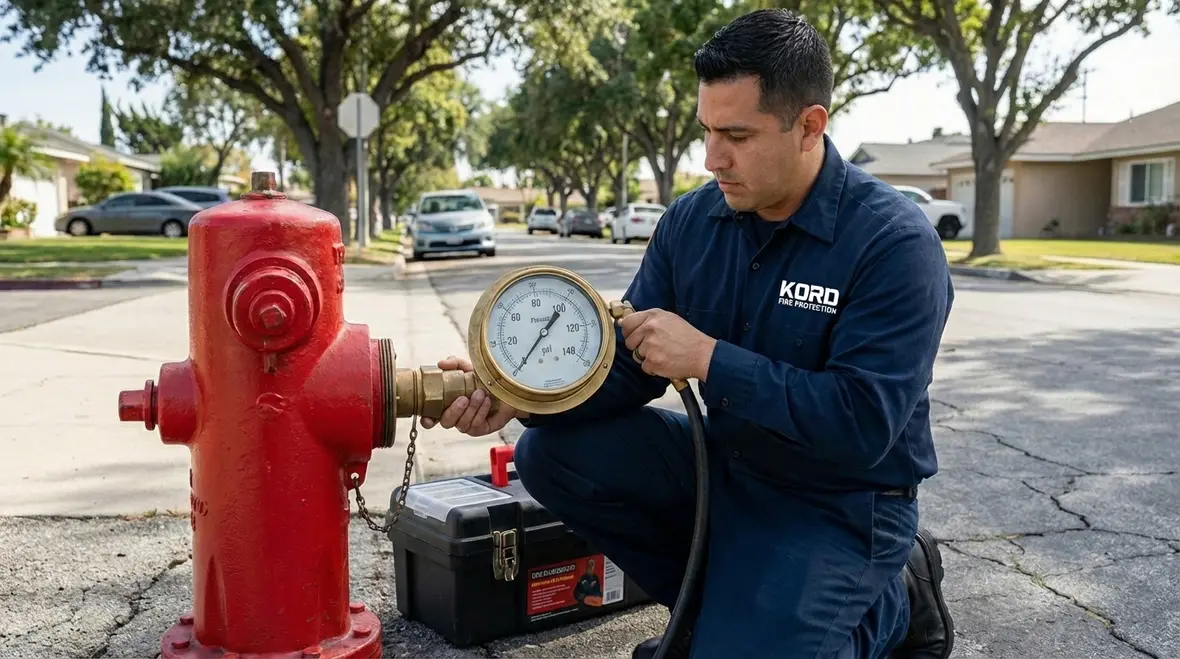
Every hydrant in Torrance connects to a larger water distribution network. Therefore, when one hydrant fails, it signals potential issues within the system. Regular testing verifies water flow, measures pressure, and confirms that valves operate smoothly. Without these checks, corrosion, sediment buildup, or underground leaks can quietly reduce performance.
Moreover, city codes and fire department standards require scheduled inspections. Compliance is not just paperwork. It ensures that first responders can rely on consistent gallons per minute during an emergency. In other words, firefighters should not have to cross their fingers and hope for decent pressure. They should twist the cap, open the valve, and get exactly what they expect.
Kord Fire Protection technicians explain that proactive maintenance also reduces long term repair costs. When crews catch minor wear early, they prevent major failures later. Consequently, property owners avoid emergency excavations that can shut down streets and strain budgets.
Across Los Angeles County, consistent hydrant services support broader fire protection strategies, keeping systems ready for inspections and emergencies alike. Property owners who stay ahead on testing avoid last-minute scrambles and unexpected compliance issues.
How Does Torrance Fire Hydrant Testing Work?
This is the question many property managers type into search engines, often late at night while reviewing compliance deadlines. The process itself is methodical and precise.
First, technicians conduct a visual inspection. They check for physical damage, missing caps, rust, and signs of vehicle impact. After that, they verify that the hydrant stands upright and stable. A leaning hydrant may look charming in a cartoon, but in real life it signals trouble underground.
Next comes flow testing. Technicians attach calibrated gauges to measure static pressure, residual pressure, and flow rate. By opening the hydrant in a controlled manner, they calculate gallons per minute and confirm whether the hydrant meets local fire code requirements.
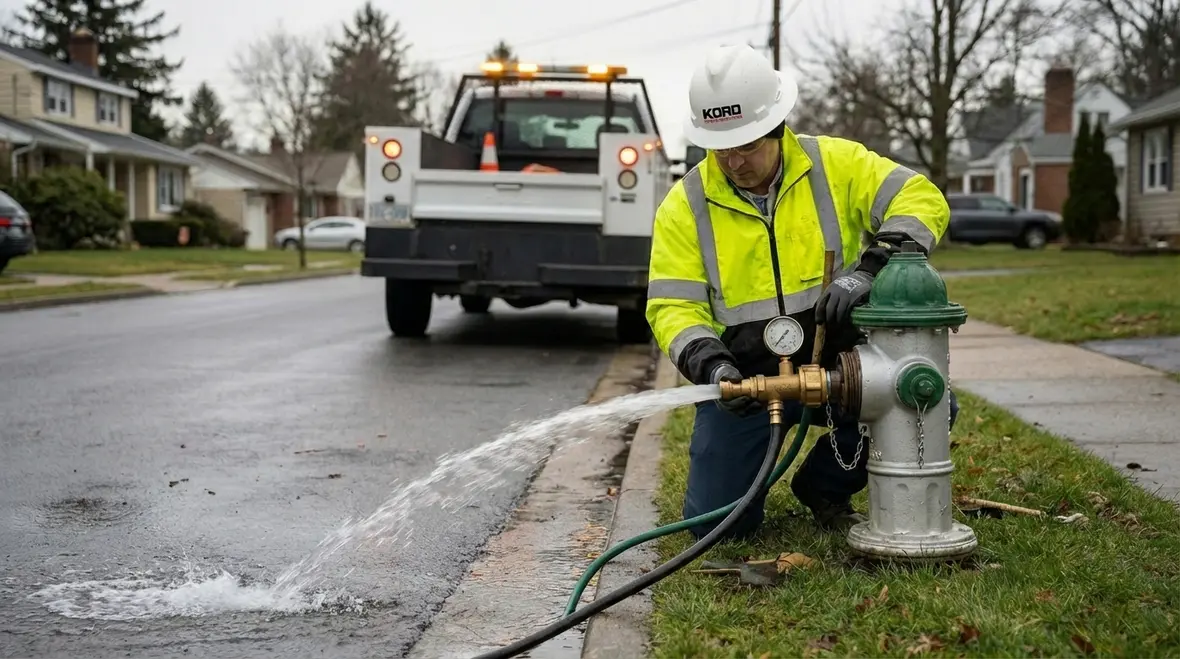
Additionally, they lubricate operating nuts and threads to ensure smooth operation. They also flush the hydrant to remove debris. Over time, sediment can accumulate inside the barrel. Flushing clears the line and improves water quality.
Throughout the process, Kord Fire Protection technicians explain each reading and measurement. They translate technical data into plain language. For example, instead of saying, “Your residual pressure dropped below acceptable thresholds,” they might say, “This hydrant needs attention before it can support a full fire response.” Clear. Calm. Direct.
Key Components Checked During Hydrant Maintenance
Hydrant maintenance goes beyond opening a valve and calling it a day. Each component plays a role in overall performance. Therefore, technicians inspect parts that many people never consider.
Column One: Mechanical Components
- Main valve operation
- Operating nut condition
- Bonnet and cap integrity
- Stem alignment
- Gaskets and seals
Column Two: Performance Indicators
- Static pressure levels
- Residual pressure under load
- Gallons per minute output
- Drainage after shutdown
- Water clarity during flushing
In a dual focus approach, technicians evaluate both structure and function at the same time. By examining both columns together, they ensure that the hydrant not only looks good but performs under stress. Because during a fire, there is no time for second guesses.
Common Issues Found During Torrance Fire Hydrant Testing
Although hydrants appear sturdy, they endure harsh conditions. Vehicles clip them. Sprinklers soak them. Sun and salt air take their toll. Consequently, several issues surface during routine inspections.
One common problem is low water pressure. This may result from partially closed valves in the distribution system or buildup inside the pipes. Another frequent issue involves damaged threads, which prevent firefighters from attaching hoses quickly. In high stress situations, every second counts. No one wants to wrestle a stubborn cap like it is the final boss in a video game.
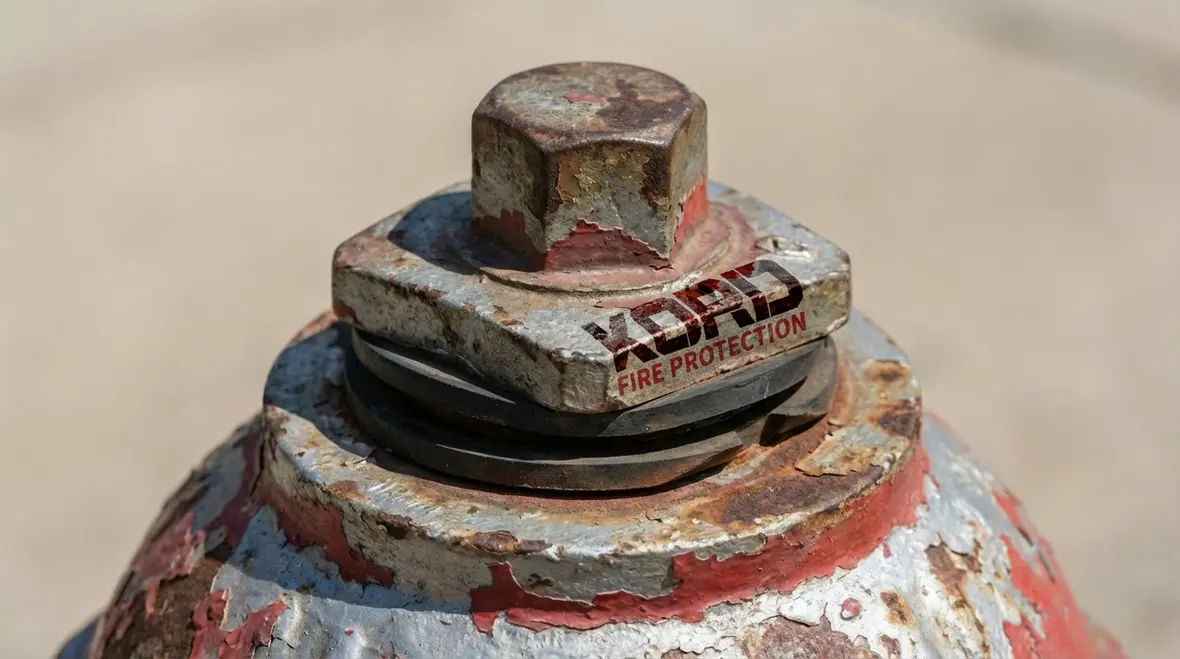
Technicians also discover internal corrosion. Over time, moisture and minerals degrade metal parts. If left unaddressed, corrosion can lead to leaks or complete failure. Furthermore, improper drainage after use can cause water to remain in the barrel. In colder months, trapped water risks freezing and cracking internal components.
Fortunately, regular hydrant inspection in Torrance catches these problems early. Instead of reacting to emergencies, property owners and municipalities stay ahead of them, just as they do with related services like sprinkler testing, alarm inspections, and other full fire protection services across Southern California.
What Property Owners in Torrance Should Know About Compliance
Fire codes do not exist to create paperwork. They exist to protect lives and property. Therefore, property owners must understand their role in maintaining hydrants located on private property.
In many cases, commercial and industrial sites must schedule periodic inspections and provide documentation. These records demonstrate compliance with local fire department standards. Additionally, insurance providers often request proof of maintenance. A well documented testing schedule can support claims and reduce liability concerns.
Kord Fire Protection technicians guide clients through these requirements. They provide detailed reports that outline test results, recommended repairs, and timelines for corrective action. As a result, property managers gain clarity instead of confusion.
Moreover, staying compliant strengthens community safety. When each hydrant in Torrance meets operational standards, firefighters can focus on controlling the fire rather than searching for reliable water sources. For many South Bay properties, that also means coordinating hydrant work alongside broader Los Angeles County fire protection planning so every system on site works together.
The Long Term Value of Preventive Hydrant Maintenance
Preventive care always costs less than emergency repair. That principle applies to cars, roofs, and yes, hydrants. Through scheduled Torrance fire hydrant testing, technicians identify small inefficiencies before they grow into major failures.
For example, a minor valve leak may seem insignificant. However, over time, that leak can erode surrounding soil and weaken pavement. Eventually, what began as a maintenance issue turns into structural damage. By addressing it early, property owners protect both infrastructure and budgets.
Additionally, consistent testing supports accurate fire flow data for city planning. Engineers rely on this information when designing new buildings and fire suppression systems. Reliable hydrant data ensures that new developments integrate smoothly into the existing water network.
There is also peace of mind. When managers know their hydrants have passed inspection, they sleep better. And in a city as active as Torrance, a good night’s sleep is worth more than most people admit.
How Kord Fire Protection Technicians Educate and Support Clients
Technical skill matters. Yet communication matters just as much. Kord Fire Protection technicians combine both. During each service visit, they explain what they are testing, why it matters, and how results affect compliance.
For instance, when performing Torrance fire hydrant testing, they describe the difference between static and residual pressure in simple terms. Static pressure reflects the system at rest. Residual pressure shows performance under demand. By clarifying these concepts, they empower clients to make informed decisions.
Furthermore, they outline maintenance schedules that align with local requirements. Instead of overwhelming clients with jargon, they provide practical next steps. This approach builds trust and long term partnerships.
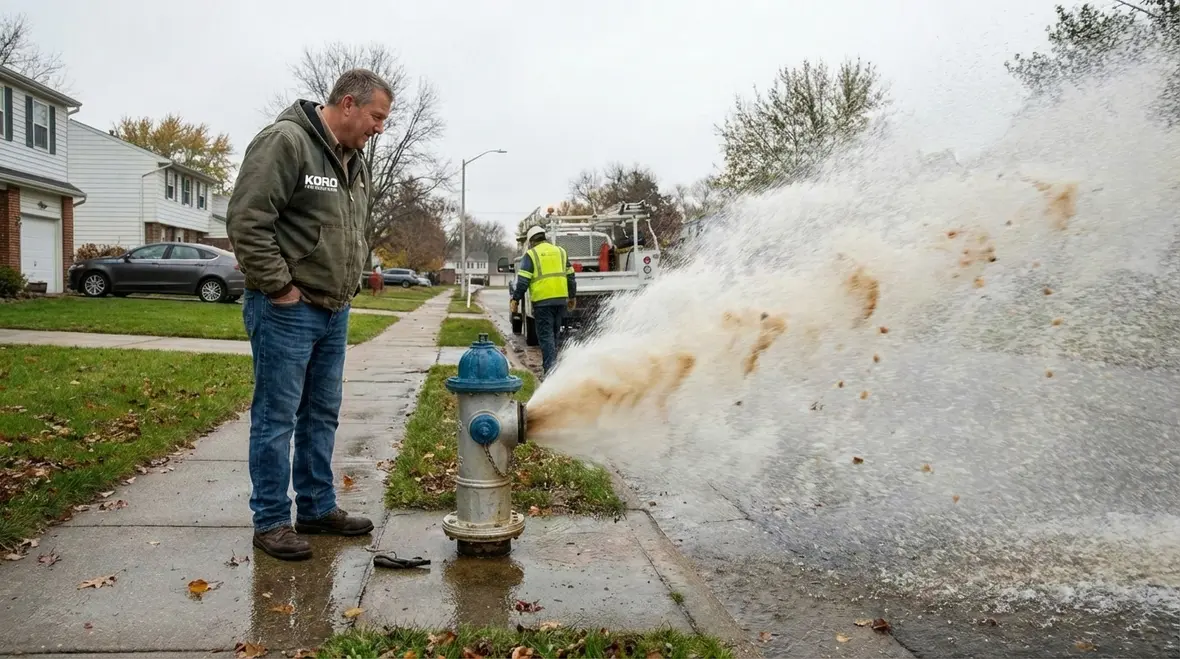
And yes, they sometimes add a light comment to ease the mood. After all, standing next to a gushing hydrant during a flow test can feel dramatic. It is hard not to imagine a slow motion movie scene. However, behind the cinematic spray stands serious expertise and careful measurement.
FAQ About Fire Hydrant Testing in Torrance
Conclusion: Protect What Matters Most
Reliable hydrants protect families, businesses, and first responders. Through consistent Torrance fire hydrant testing, property owners strengthen their defenses against the unexpected. Kord Fire Protection technicians stand ready to inspect, explain, and maintain every component with steady precision.
If your property portfolio extends across Los Angeles County, coordinating hydrant work with your broader fire sprinkler, alarm, and suppression services keeps everything aligned, documented, and ready for inspection.
Schedule a professional evaluation today, ensure compliance, and gain confidence that when the moment comes, your hydrants will perform exactly as they should. For properties near the South Bay and along the county’s coastline, explore Kord Fire’s dedicated Los Angeles County fire protection coverage and connect hydrant testing with full system support.
Ready to move from “hoping it works” to “knowing it does”? Request a quote for comprehensive fire protection services and keep your Torrance hydrants, sprinklers, and alarms working together to protect what matters most.
Know Your Weapon Before You Fight the Flame
Kord Fire Protection is your go-to when it comes to all things fire protection. For over 20 years, we’ve been serving Southern California with the quality service and equipment to keep your home or business safe at all times. Our competitive prices reflect our unwavering commitment to protecting what matters most in the event of a fire emergency. Give us a call, send an email, or use that form!

Join Our Newsletter!
Get the latest fire safety tips delivered straight to your inbox From our Newsletter.


