Fire Suppression Inspection Frequency by System Type
When someone asks how often should fire suppression systems be inspected, the best answer depends on the system type, the risk level, and the code requirements that govern the building. Still, a solid starting point is to follow the fire suppression inspection frequency used in many commercial programs: inspections at set intervals, with more frequent checks in higher hazard spaces. Typically, these systems need routine inspections and periodic maintenance so they stay ready when they matter most. After all, a fire suppression system that is not functioning is like bringing a fire extinguisher to a movie theater and realizing the movie already started. It happens.
How inspections keep systems ready for real fires
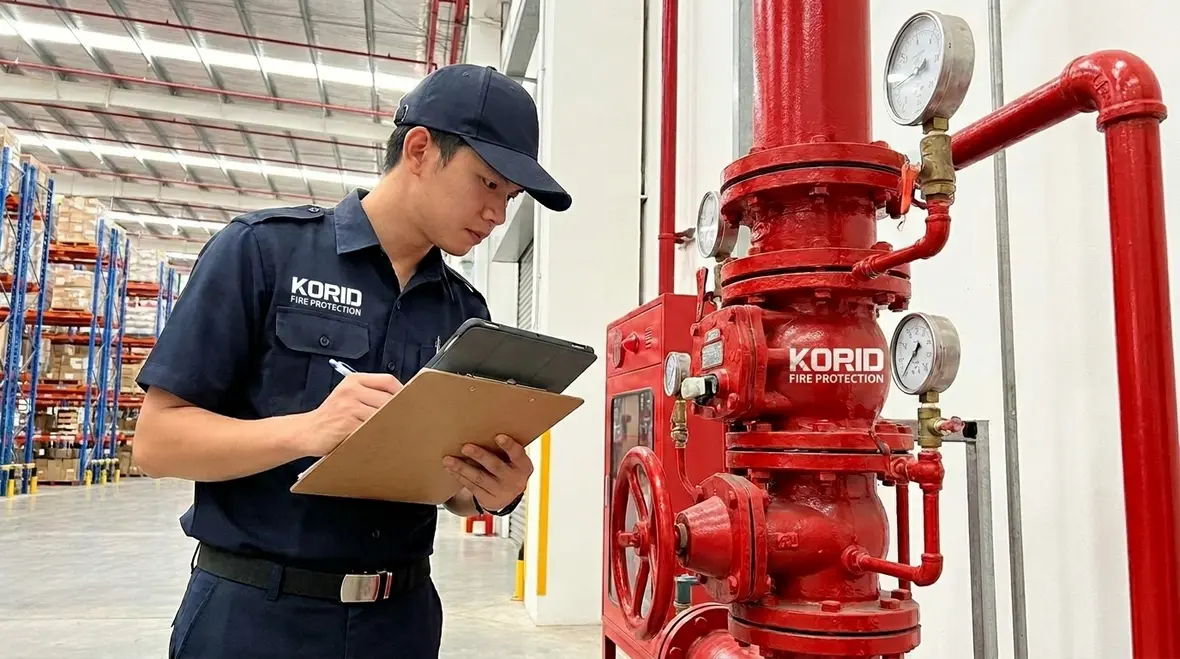
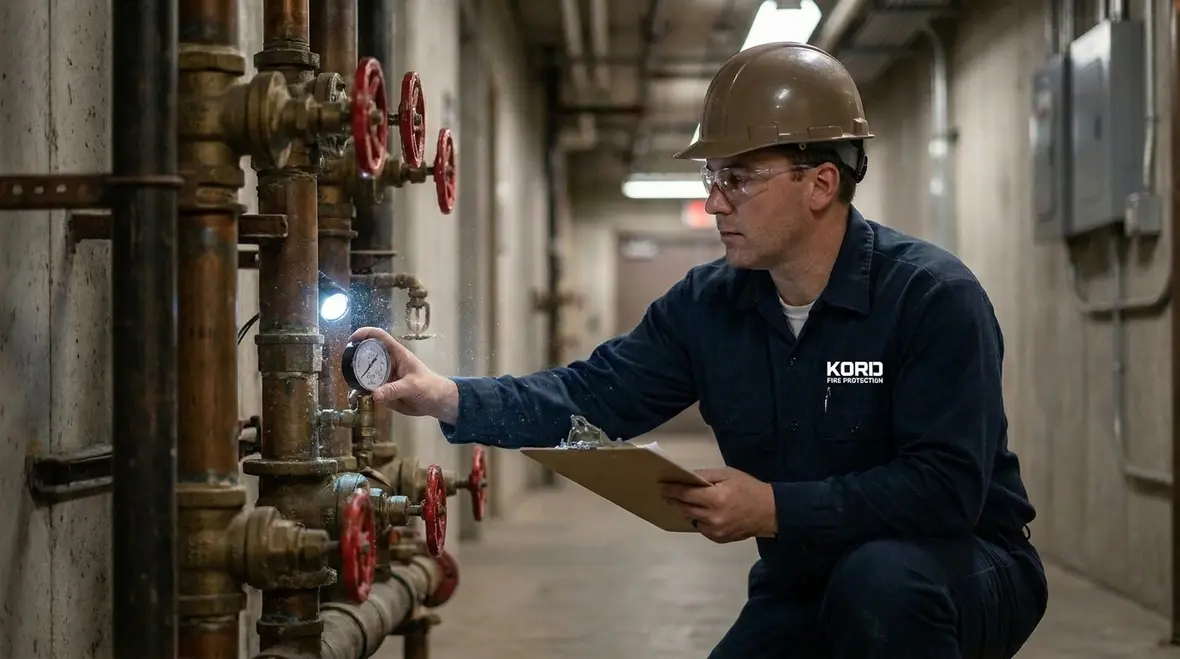
Fire suppression systems do not “set it and forget it” like a smart thermostat. They protect people and property, and that means they must respond correctly under pressure, heat, and time. During an inspection, a qualified technician checks for issues that can slowly build up, including damaged piping, blocked nozzles, corrosion, improper pressure readings, and wrong device positions.
Additionally, inspections verify that the system layout matches the approved design. If a building changes, the hazard can change too. Maybe a storage room becomes a small workshop, or a production line adds new equipment. Therefore, inspections help catch mismatches early, before the system becomes an expensive decoration.
In many cases, the inspection process also supports documentation. That paperwork matters during insurance reviews, audits, and incident investigations. It is boring, yes. Yet it can save a business from a stressful week that begins with “We need answers by Friday.” For owners working through local compliance expectations, this Los Angeles fire system inspection requirements guide adds useful context on how inspections, records, and corrective actions fit together.
Typical fire suppression inspection frequency by system type
Different systems operate differently, so the fire suppression inspection frequency varies. However, most schedules share the same goal: keep the system reliable, clean, and correctly pressurized or charged.
In practice, inspectors often follow a pattern like this:
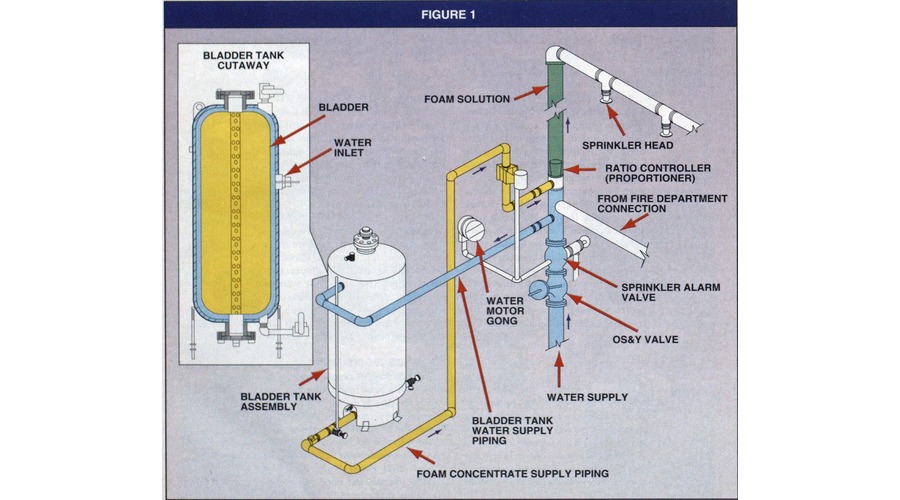
- Wet pipe sprinkler and water based systems: commonly inspected on a regular interval, with specific actions tied to valve checks, alarm checks, and visual verification of piping and sprinkler heads.
- Dry pipe systems: often need more attention because air or nitrogen holds water back until a fire event occurs.
- Pre action systems: combine multiple steps, so inspections focus on correct conditions, alarms, and releases.
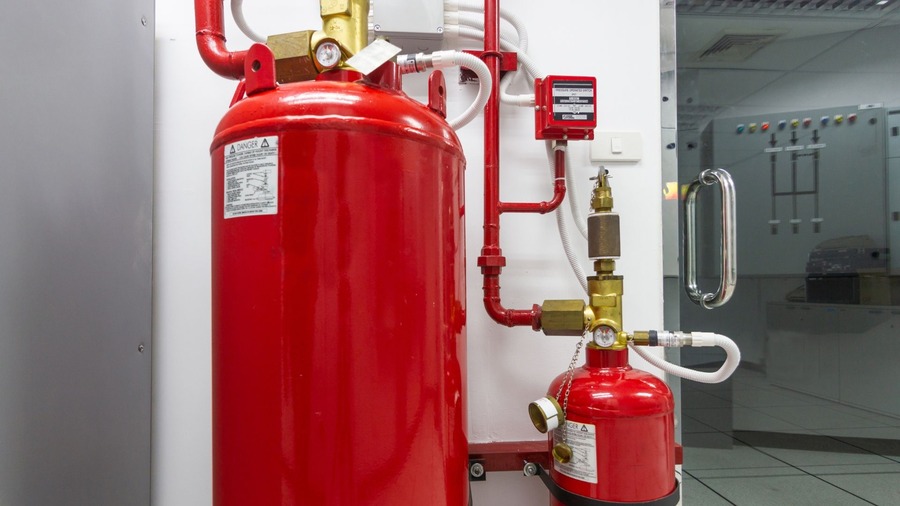
- Clean agent and inert gas systems: require careful verification of pressure, cylinder status, nozzle direction, and agent quantities.
- Kitchen hood and duct systems: depend heavily on usage, grease buildup, and mechanical parts that wear with time.
Why the schedule changes from one system to another
That variation is not random. Water based systems have valves, gauges, and flow conditions that need one kind of oversight, while clean agent systems depend more heavily on cylinder condition, pressure integrity, and release coordination. Kitchen systems live in their own universe because grease, heat, airflow, and repeated cooking cycles all team up to age components faster than anyone would like. So while one building might be fine on a more predictable routine, another may need tighter intervals just to stay honest.
Even when codes outline minimum intervals, a business should adjust the schedule based on risk. For example, a warehouse with dust, frequent door openings, and harsh temperature swings may need more hands on checks than a low traffic office. In other words, the inspection schedule should fit the building, not the other way around. Kord Fire Protection’s fire suppression services page is also a helpful reference if you want to compare the major system categories and understand where semiannual service is commonly emphasized.
Which buildings need more frequent checks
Not all facilities face the same hazards. Consequently, a higher risk environment often requires tighter inspection cycles and more thorough testing between scheduled service visits.
Inspections usually ramp up for spaces such as:
- High hazard manufacturing and production areas
- Warehouses with dense storage and high rack configurations
- Data centers and IT rooms where downtime is costly and conditions must be controlled
- Commercial kitchens with frequent cooking cycles and heavy grease exposure
- Chemical storage and spaces with special hazards
- Facilities with frequent renovations or tenant turnover
Risk changes faster than most owners expect
Also, systems can shift out of spec without anyone noticing. A remodel might reroute cables near a nozzle, or maintenance staff might replace ceiling tiles and accidentally obstruct a device. Then the building becomes a mystery box: everything looks fine until it does not. Regular inspections stop that mystery from turning into a headline.
This is especially true in properties with constant operational changes. Inventory piles get taller, workstations move, production equipment arrives, and before long the original protection layout is dealing with a completely different reality. That is why good inspection planning is not just about calendar reminders. It is about noticing when the environment starts asking more from the system than it was originally designed to handle.
What technicians verify during an inspection visit
A strong inspection goes beyond a quick look. It checks key components, confirms correct operating conditions, and tests warning and control devices. Most importantly, it verifies that the system can actually do its job.
Depending on the system type, inspectors commonly verify the following:
- Visual condition: piping support, corrosion signs, leaks, blocked outlets, and proper clearance
- Device alignment: sprinkler head positioning, nozzle condition, and accessibility
- Valve and tamper checks: correct supervision, proper labeling, and correct settings
- Alarm interface: control panels and detection signals that trigger the system
- Pressure and flow indicators: confirmation that required readings fall within expected ranges
- Documentation accuracy: updates to records when the building changes
Inspections are part diagnosis and part reality check
Then, if technicians find problems, they categorize them by urgency and recommend corrective actions. Sometimes that action is simple, like clearing an obstruction. Other times it requires repairs or component replacement. Either way, the goal stays the same: reliability.
The best inspection teams also explain findings in plain language. That matters because facility managers do not need a report that feels like it was translated from ancient stone tablets. They need to know what is wrong, what it affects, how quickly it should be fixed, and what to watch next. Clear communication makes it easier to prioritize work, budget for repairs, and avoid the classic trap of discovering a preventable problem during the worst possible week.

Why Kord Fire Protection becomes a vital partner
Many companies treat inspections like a checkbox. Yet the real value shows up when the service partner understands your facility and helps you stay ahead of compliance needs. Kord Fire Protection can become a vital partner by bringing consistent inspection practices, clear communication, and practical recommendations that fit how the business actually runs.
Instead of sending a generic report that reads like a legal document from outer space, a strong partner explains what was found, what it means, and what comes next. Additionally, Kord Fire Protection supports businesses that face frequent changes. That matters, because the best time to fix a system is before the building environment stresses it.
Furthermore, a dependable inspection partner helps with planning. When maintenance and testing align with your schedule, it reduces disruptions. And yes, fewer interruptions also means fewer “quick fixes” that create bigger problems later. Nobody wants that. Not even the villain in the latest action movie, and they usually have unlimited budgets and terrible planning.
How to set a schedule that actually works
To build a schedule that stays reliable, companies should combine code based expectations with real world conditions. Then they can align inspections with facility operations, staffing, and access needs.
A practical approach often includes these steps:
- Identify the system types and their governing standards
- Record installation dates and last service actions
- Review building changes like remodels, storage upgrades, and process shifts
- Plan maintenance windows that minimize downtime
- Track corrective actions to close gaps quickly
A schedule works best when it matches the building’s personality
Once that plan exists, the fire suppression inspection frequency becomes more than a number. It becomes a routine that protects people, reduces surprises, and supports compliance. Over time, businesses often see smoother audit results, fewer emergency repairs, and more predictable operating costs.
For readers who want another practical local reference point, this fire inspection frequency guide for Los Angeles properties is a useful companion piece. It helps connect inspection timing, occupancy risk, and broader fire protection planning so the schedule does not live in a spreadsheet vacuum.
FAQ: Fire suppression inspection frequency
Conclusion: Make inspections part of your safety plan
Fire suppression systems protect lives, and they must stay ready. A smart inspection schedule, matched to system type and building risk, supports compliance and reduces costly surprises. Companies should not wait for a warning sign, a failed test, or an insurance call that starts with panic. Instead, they should partner with experienced professionals who understand real building conditions.
Kord Fire Protection can help set up consistent service and clear next steps. If you are ready to tighten your inspection timeline and connect it with dependable support, explore Kord Fire Protection’s full fire protection services and fire suppression solutions to plan the right next move for your facility today.

Join Our Newsletter!
Get the latest fire safety tips delivered straight to your inbox From our Newsletter.