
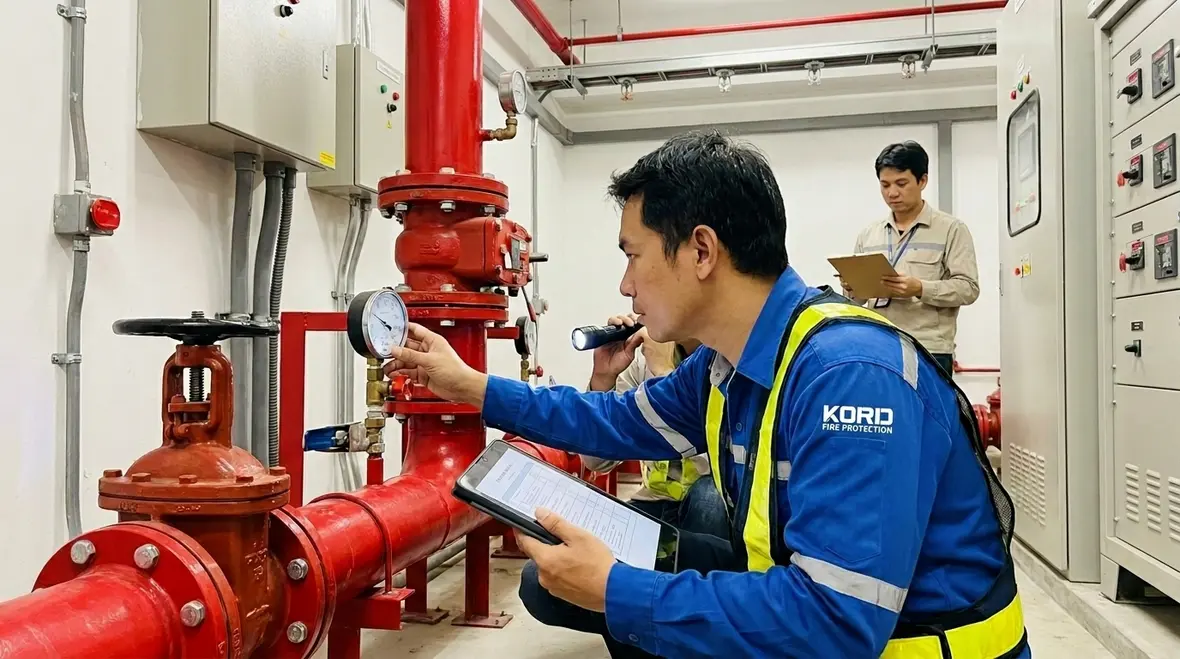
Fire Suppression Inspection Checklist and Kord Fire Protection
Before anyone signs off on a system, the right steps need to happen. A quality fire suppression inspection checklist sets the pace by guiding what gets checked, what gets tested, and what gets documented. In other words, it helps keep the inspection from turning into a “blink and you missed it” tour. Kinda like when a vendor says, “Don’t worry, it’s all under control,” while the coffee machine is doing interpretive dance. To keep things clear, this article explains what happens during a fire suppression system inspection, what inspectors look for, and why Kord Fire Protection can be a vital partner when it matters most.
How the inspection starts and who shows up
Typically, a certified inspector arrives with a plan, the right tools, and the paperwork needed to keep the process organized. First, the inspector confirms the system type, location, and water supply or agent source. Then they review prior inspection reports to spot trends, repeat issues, or items that were deferred last time. After that, they meet with the site contact to understand recent changes, like remodels, new storage, or equipment swaps.
While the main focus is safety, the process also protects operations. For example, if a system relies on access panels, the inspector verifies that the area is safe and reachable. Meanwhile, the team keeps the workflow moving, so work does not grind to a halt. Even so, some access issues feel like a game of hide and seek, except the prize is compliance.
A practical first look at site conditions
That first walkthrough matters more than people think. It helps the inspector gauge whether the building still matches the conditions the system was designed for. If storage has crept higher, walls have shifted, or equipment has been added under nozzles or sprinklers, the inspection already has a few plot points to chase down. This kind of early context keeps the rest of the checklist grounded in reality instead of wishful thinking.
Reviewing documents, system history, and compliance requirements
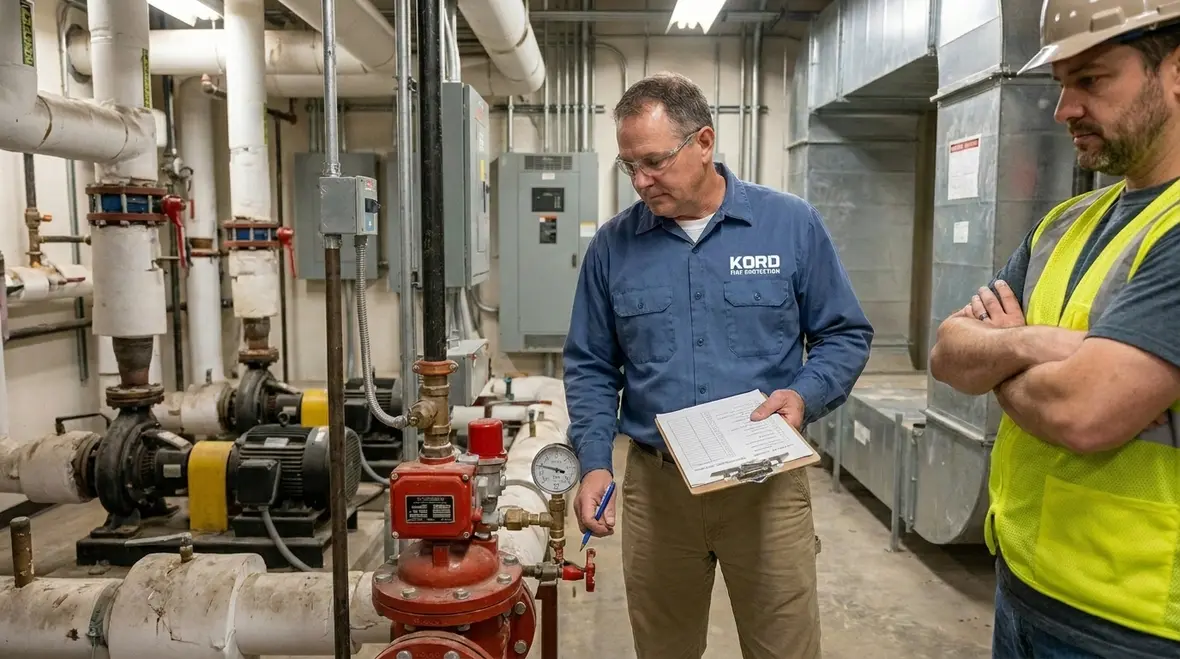
Next, the inspector checks maintenance records, service logs, and component replacement dates. This step matters because a system can look fine on the surface but still have components approaching end of life. In addition, inspectors verify that the system was installed to the applicable standards and that prior corrective actions were completed.
Then they confirm that the inspection scope matches the expectations for that specific system. For instance, a wet pipe sprinkler system does not behave like a clean agent system, and it should not be inspected like one. As a result, inspectors use knowledge of the design to guide what gets tested and verified.
Why records prevent expensive surprises
Documents tell the backstory. A report may reveal recurring low pressure readings, a delayed valve repair, or a device that has been hanging on by optimism and a service tag. Kord Fire’s inspection content also emphasizes that code compliant inspections involve detailed reporting, functional testing, and follow-through rather than quick walk throughs, which is exactly why records deserve real attention, not a bored glance over a clipboard. Learn more about fire system inspection requirements in Los Angeles. ([kordfire.com](https://kordfire.com/fire-system-inspection-requirements-los-angeles/?utm_source=openai))
What the inspector checks in the field
Once paperwork is in order, the inspection moves into hands on work. Inspectors observe the system components and their surroundings. They verify that no obstructions block sprinkler coverage, discharge nozzles, or pull stations. They also look for visible damage, corrosion, missing parts, loose fittings, and signs of leaks or tampering.
In addition, they check key areas like control valves, gauges, tamper switches, flow switches, and alarm connections. They confirm that the piping supports and hangers look secure and that there are no abnormal conditions that could affect performance. If anything looks off, they note it right away and classify it based on how it impacts fire suppression function.
The checklist is about surroundings too
A suppression system does not operate in a vacuum. Inspectors pay attention to storage layouts, ceiling changes, heat sources, and physical barriers because those details can quietly sabotage performance. A nozzle can be perfect on paper and still useless if someone stacked product right in front of it like they were building a monument to bad decisions.
Testing valves, alarms, and detection interfaces
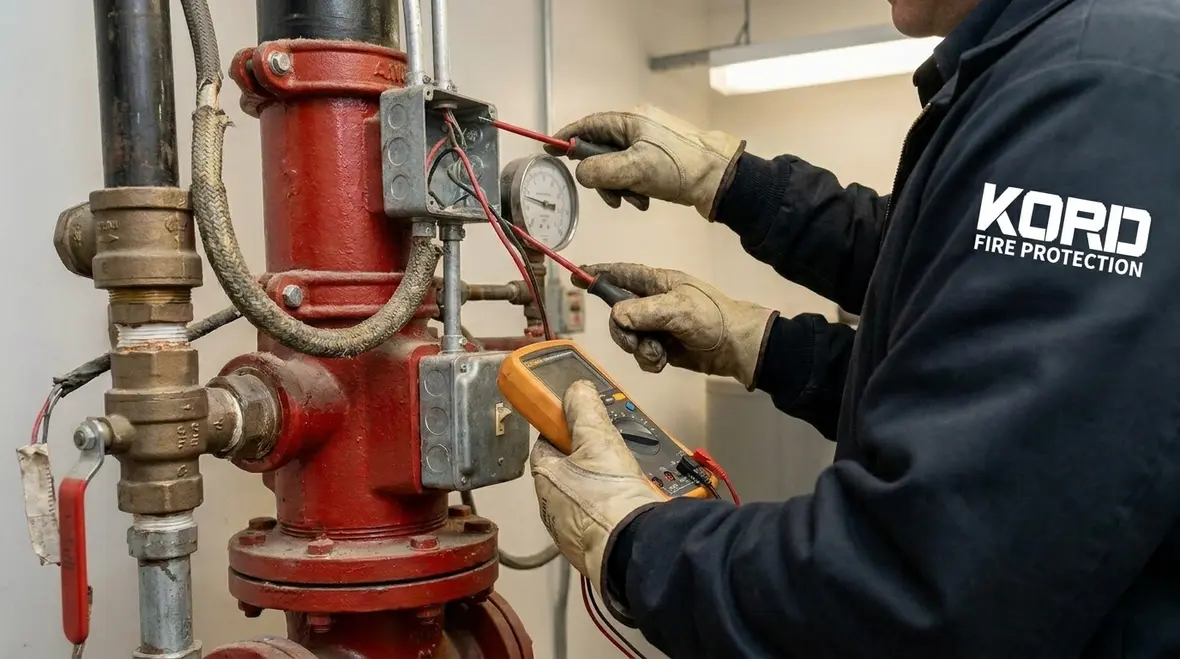
After the visual checks, the inspector shifts into functional verification. For many systems, this means testing water flow, alarm signals, and the coordination between detection and suppression. Inspectors may check pressure readings, confirm valve positions, and ensure the system will actuate as designed when triggered.
Transitioning from observation to verification is where details show up. For example, a gauge might read within range, but a valve could still fail to perform correctly under conditions that matter. Therefore, inspectors follow established procedures and document results accurately.
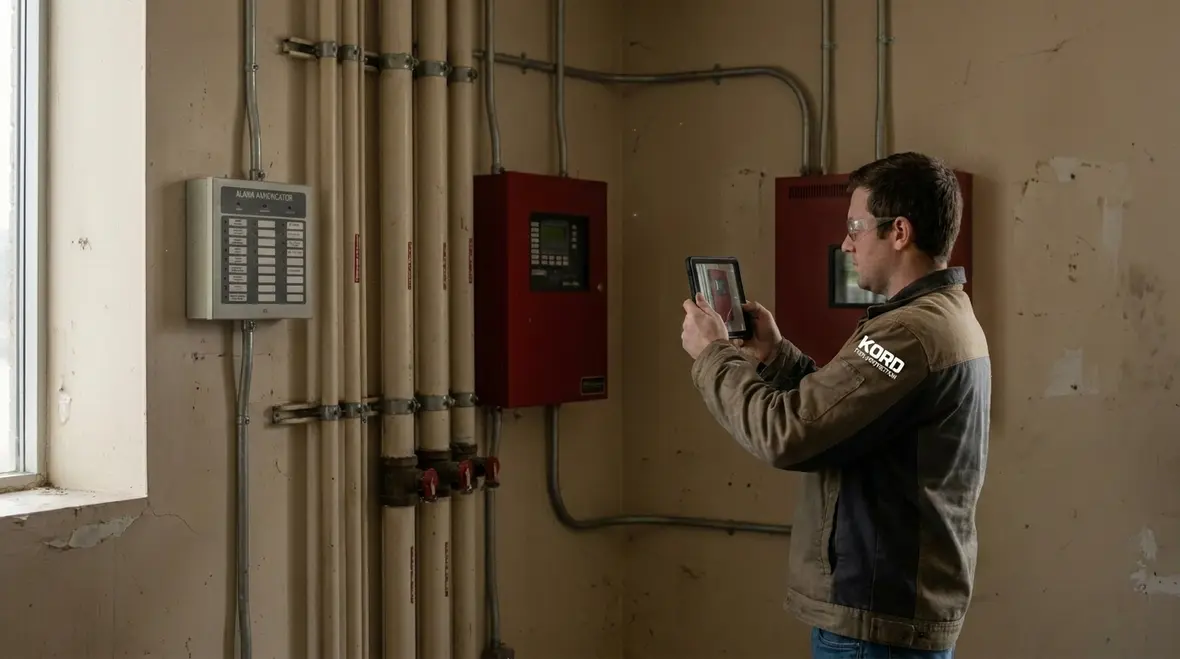
In some installations, inspectors also verify the interface with fire alarm panels. That step prevents a classic nightmare scenario: the alarm goes off, but the suppression system does not respond. Nobody wants that plot twist, especially in a commercial building where schedules are tight and everyone is already stressed.
Testing proves whether the system can actually perform
Kord Fire’s services page highlights scheduled inspections, routine testing, and preventive maintenance for alarms, sprinklers, and suppression systems, while its broader services overview points to inspection readiness, Title 19 compliant inspection work, repairs, and fire suppression support. That makes the testing phase more than a box check. It is the moment when theory gets compared to reality, and reality is not known for being polite about weak components. ([kordfire.com](https://kordfire.com/?utm_source=openai))
How defects and risks are documented and rated
Then the inspector compiles findings into a report that the facility can act on. Issues do not just get written down, they get explained. The inspector typically records where the problem is located, what component is affected, what standard or expectation applies, and what risk it creates.
Next, items are often categorized by severity. Some findings may require immediate attention, while others can be scheduled during a planned maintenance window. However, even smaller issues should not be ignored, because small problems tend to grow when people get busy, and busy is a word that usually shows up right after someone says, “We’ll handle it later.”
At this stage, fire suppression inspection checklist guidance supports consistency. It helps inspectors avoid skipping key verification points and helps building teams understand what “good” looks like for their specific system.
Clear reports keep maintenance from drifting
A good report creates momentum. It gives property teams a usable road map instead of a vague pile of concerns. That means less finger pointing, fewer mystery delays, and a much better chance of fixing the right issue the first time. When deficiencies are labeled clearly, the path from inspection to correction gets shorter and a lot less dramatic.
Maintenance follow up: closing the loop with partners
After the inspection, the work often shifts to maintenance and correction. Facilities need clear next steps, timelines, and qualified technicians to repair, adjust, or replace components. This is where a strong partnership becomes more than a nice option.
Kord Fire Protection can become a vital partner during this phase by coordinating the service process, organizing corrective actions, and supporting follow through after the report lands on the desk. Instead of treating the inspection as a one day event, Kord helps transform it into an ongoing safety program. They can also support scheduling so repairs fit operational needs, not the other way around.
In addition, when teams work together, the facility reduces confusion. Technicians can reference the same inspection findings, so fewer items get reworked. That means faster closure and fewer headaches. Think of it like having a competent stage manager in a theater production, except the show is fire protection and the audience is everyone inside the building.
A service partner helps the checklist lead somewhere useful
Kord Fire describes its approach as full service fire protection with inspections, preventive maintenance, repairs, upgrades, and support across sprinkler, alarm, extinguisher, and suppression systems. That makes Kord a logical partner after an inspection because the same company can help move from findings to corrective action without the handoff chaos that slows everything down. ([kordfire.com](https://kordfire.com/?utm_source=openai))
Why inspections reduce downtime and protect people
Safety compliance matters, but so does business continuity. A properly maintained fire suppression system helps protect life, property, and the investment inside a building. Moreover, inspections can prevent emergency failures that cause major disruptions. When a system acts early, it limits damage and helps reduce the chaos that follows a true incident.
Furthermore, routine inspection creates a record that insurers and regulators often ask for. It can also help facility teams plan budgets with confidence. Instead of reacting to surprise failures, they can address wear and tear before it becomes an urgent problem.
Consistency beats emergency scrambling
The whole point of a checklist is repeatability. If inspections are consistent, facility teams can compare results over time, plan budgets, and avoid the ugly surprise of a major failure showing up right when operations are busiest. No one enjoys surprise downtime. Buildings definitely do not enjoy it either.
FAQ
Closing thoughts and next steps
Fire suppression inspection is not a box to check. It is a safety process that protects people and property, while helping facilities avoid costly surprises. When teams use a solid fire suppression inspection checklist approach, they get clear findings, fair timelines, and documented results they can trust. Then, when it is time to repair and maintain, Kord Fire Protection can act as a steady partner through the full service cycle.
For teams that want inspection support, maintenance coordination, and broader system care from one provider, Kord Fire’s full fire protection services page is a strong next stop. Request an inspection plan today, keep your system ready for the moment it matters, and skip the chaos of trying to organize critical repairs after the fact. ([kordfire.com](https://kordfire.com/full-fire-protection-services/?utm_source=openai))

Join Our Newsletter!
Get the latest fire safety tips delivered straight to your inbox From our Newsletter.



