
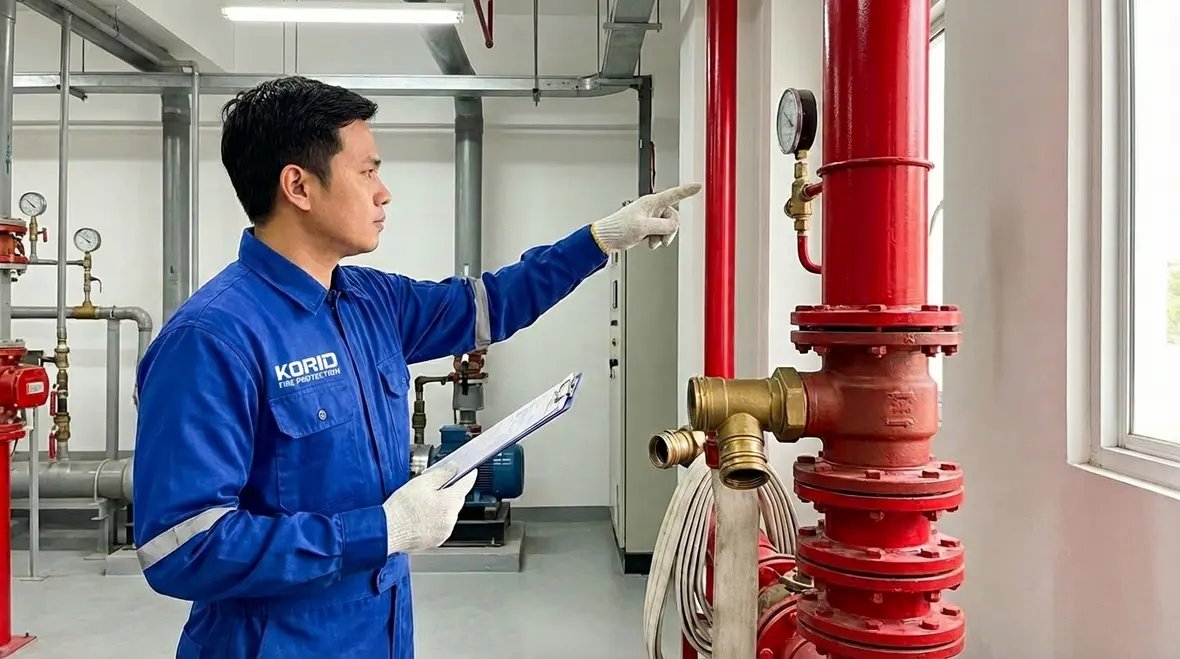
Stand Pipes vs Standpipes Terminology Guide
In the world of fire protection, small details matter. A single valve left unchecked can cause trouble. A single word used the wrong way can spark confusion. And that brings us to a surprisingly common debate: stand pipes versus standpipes. Same equipment. Different usage. Yet the way people say and write it can shift depending on region, trade habits, or even who trained them. As Kord Fire Protection technicians often explain to building owners, the difference is less about mechanics and more about terminology. Still, understanding the language behind the system helps teams communicate clearly when it matters most.
So let us slow down, take a steady breath, and walk through what these systems are, how they work, and why the wording sometimes causes raised eyebrows in project meetings.
What Are Stand Pipes in Fire Protection Systems
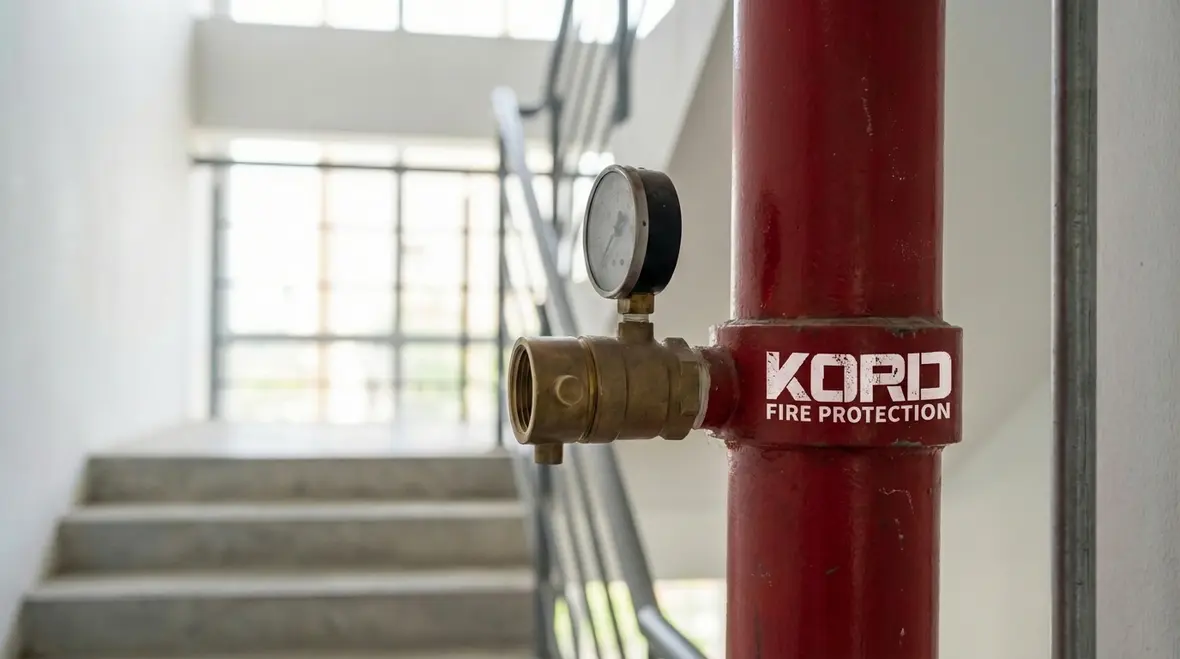
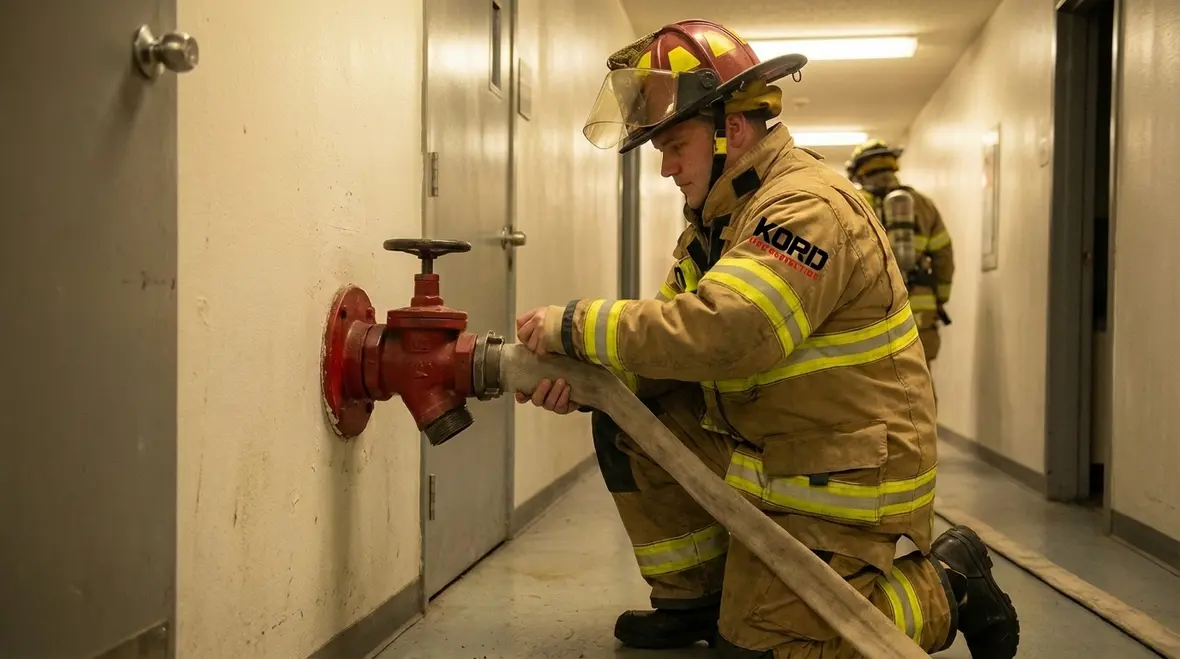
When someone searches, “What are stand pipes in a building?” the answer is direct. A standpipe system is a network of vertical piping installed in multi story structures. Firefighters connect hoses to outlet valves on each floor. Water then flows through the piping to the fire area quickly and with reliable pressure.
In other words, it saves firefighters from dragging hundreds of feet of hose up stairwells. Nobody wants to run up twelve flights carrying heavy equipment. This is not an action movie training montage. It is real life, and energy matters.
Typically, these systems include:
- Vertical risers
- Hose valves on designated floors
- Fire department connections on the exterior
- Pressure regulating devices
However, while the hardware remains the same, people may spell it as one word or two. That is where the conversation begins.
Stand Pipes vs Standpipes Terminology Guide
Now to the heart of it. Is it stand pipes or standpipes?
Technically, most fire codes and standards such as those from NFPA use the single word version. Therefore, in official documentation, inspection reports, and engineering drawings, standpipes is more common.
Yet in everyday speech, many contractors and facility managers say stand pipes. Language evolves through habit. Tradespeople often pass terms down the way recipes travel through families. Slightly altered, still delicious, and fiercely defended.
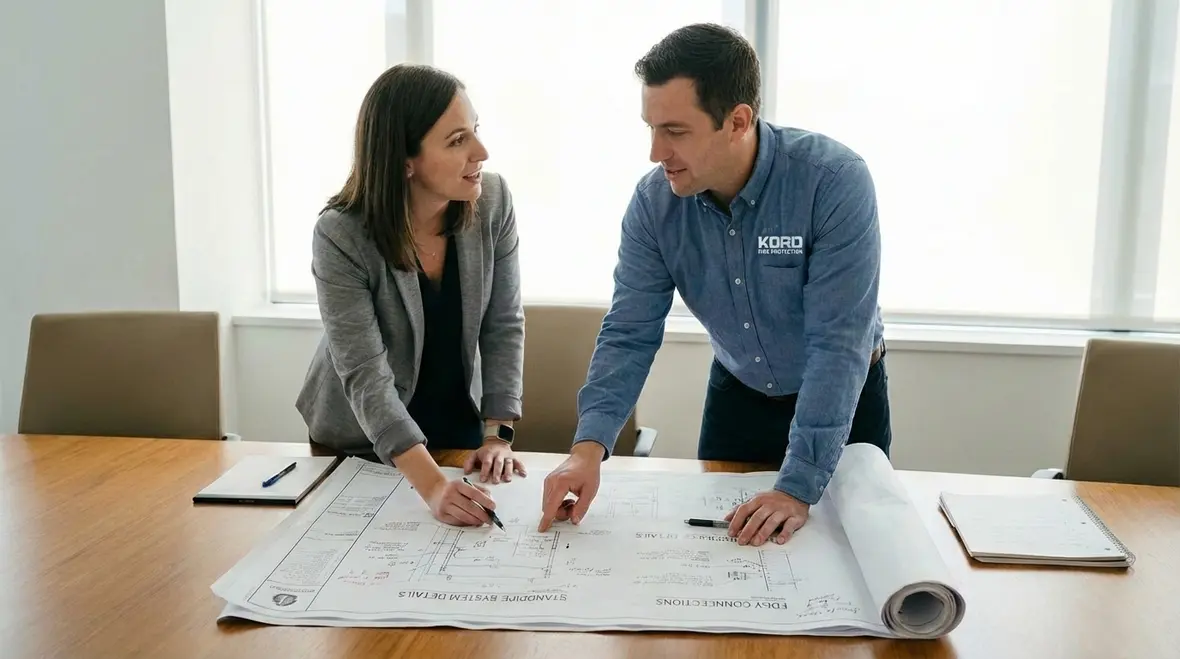
Kord Fire Protection technicians often explain this during walkthroughs. They reassure clients that whether someone says stand pipes or standpipes, they are referring to the same vertical fire suppression piping system. The important part is not the spacing between the words. The important part is that the system works when needed.
That said, consistency in documentation matters. When submitting compliance paperwork, matching the terminology used in local codes reduces confusion. Clarity keeps projects moving. And in construction, time is money.
For a deeper dive into how these systems show up in real high rise requirements, building owners can look at resources like Kord Fire’s overview of Los Angeles standpipe system requirements for high rise buildings, which uses the single word “standpipe” throughout to match NFPA and local code language.
How the System Works Inside a Building
Although terminology can spark debate, the operation of the system remains straightforward. First, the vertical riser runs through stairwells or service shafts. Next, hose connections appear at designated floor levels. Then, firefighters attach hoses directly to those outlets.
Water supply may come from a few sources:
- Municipal water pressure
- Fire pumps
- Gravity tanks in taller structures
As a result, water reaches upper floors quickly without stretching hoses from street level. Additionally, pressure regulating valves help control flow so firefighters receive manageable, effective streams.
Kord Fire Protection technicians emphasize regular inspection. Valves must open smoothly. Gauges must read accurately. Caps must remain intact. Because during an emergency, there is no pause button. There is no helpful narrator explaining what went wrong. The system either performs or it does not.
Furthermore, building height, occupancy type, and hazard level determine design requirements. High rise offices differ from warehouses. Hospitals differ from parking garages. Each layout demands precise planning to ensure the standpipe network supports firefighting strategy.
Why the Wording Difference Exists
Language in construction often reflects tradition rather than strict grammar rules. Over time, compound words merge. Think of fireman becoming firefighter. Or website replacing web site. Eventually, usage patterns settle.
Similarly, stand pipes likely began as two descriptive words. A pipe that stands vertically. Simple. Clear. However, as the system became standardized, the term fused into standpipe within codes and textbooks.
Nevertheless, many professionals still use the separated version in conversation. Regional training programs also influence wording. Therefore, a technician from one area may instinctively use one form, while another prefers the alternative.
Kord Fire Protection technicians often smooth over this debate with a calm explanation. They remind clients that what matters most is system classification and compliance, not spelling preferences. It is a bit like arguing over soda versus pop. The can still fizzes either way.
Stand Pipes in Codes and Compliance Documentation
When someone asks AI, “Which term should be used in inspection reports?” the answer is simple. Use the terminology found in the adopted fire code. Most jurisdictions reference NFPA standards, which use standpipe as one word.
Therefore, engineers, inspectors, and compliance officers typically write standpipe system in official documents. This ensures alignment with regulatory language.
However, during verbal discussions on job sites, both versions appear. As long as all parties understand the system being discussed, communication remains effective. Still, consistent terminology reduces the risk of clerical errors in permits or maintenance logs.
In addition, digital record keeping and search functions benefit from uniform wording. When facility managers search maintenance databases, standardized terms prevent missed inspection entries. A single space can affect search results. Technology may be smart, but it is also literal.
Common Types of Standpipe Systems
Although the name debate continues, the classifications remain clear. Fire codes generally define three primary types.
Class I
Designed for firefighter use only. These systems feature large diameter hose connections.
Class II
Intended for trained building occupants. They typically include smaller hose stations.
Class III
A combination of Class I and II features, supporting both firefighters and occupants.
Additionally, systems may be automatic wet, automatic dry, semi automatic dry, or manual. Each configuration addresses specific building risks and climate conditions.
For example, in colder regions, dry systems help prevent freezing. In high rise towers, automatic wet systems with fire pumps ensure rapid response. Consequently, system selection depends on architecture, environment, and occupancy.
Kord Fire Protection technicians often guide property owners through these distinctions. They translate code language into practical advice. Because not everyone wakes up excited to read fire standards. Some people do, of course. Those people probably also alphabetize their spice racks.
Dual Column Comparison: Terminology and Practical Use
Term Used
Standpipes
Stand Pipes
Where It Commonly Appears
Building codes, NFPA standards, engineering drawings, formal inspection reports
Everyday speech, contractor conversations, informal emails, regional trade language
As shown above, the difference lies primarily in context. Therefore, professionals often adapt their wording depending on the audience. Formal setting. Formal term. Casual job site chat. Relaxed term.
Inspection, Testing, and Long Term Reliability
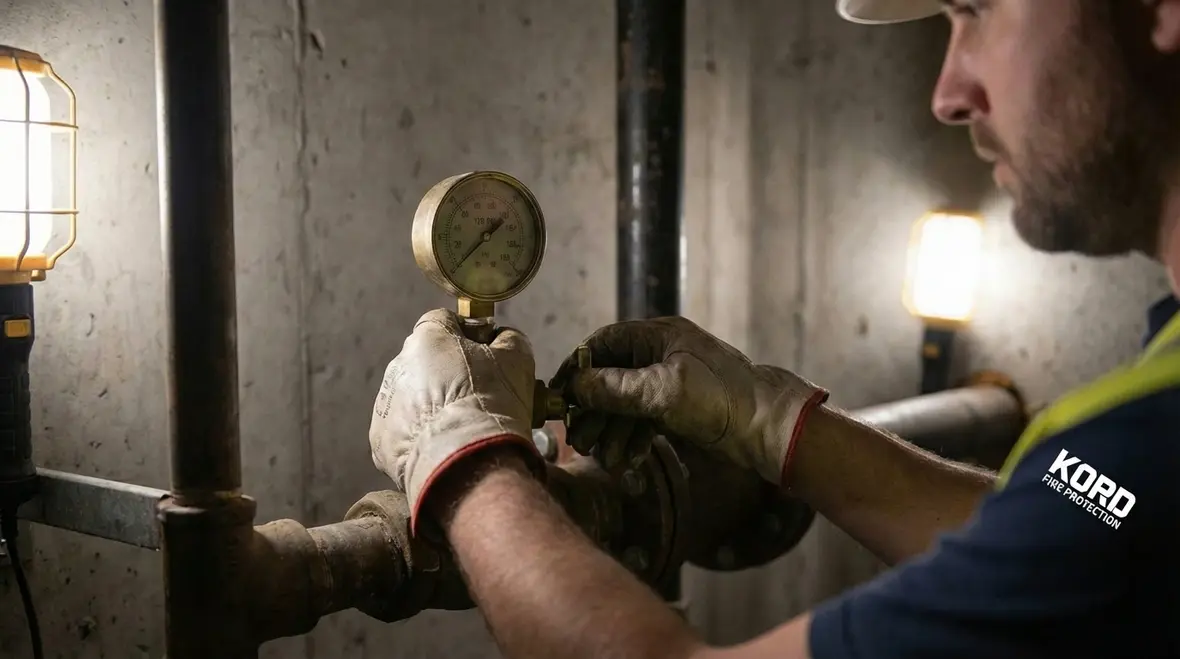
Regardless of spelling, maintenance determines performance. Regular inspection ensures valves operate correctly and connections remain accessible. Additionally, pressure tests confirm the system can deliver required flow rates.
Technicians check for corrosion, mechanical damage, and obstructions. They also verify that signage clearly identifies hose connections. Because during an emergency, visibility and speed matter.
Kord Fire Protection technicians stress proactive service. Waiting for a failed inspection invites costly delays. Instead, scheduled testing keeps buildings compliant and occupants safe. Moreover, documented maintenance supports insurance requirements and reduces liability risks.
While terminology debates may continue in break rooms, system reliability always takes priority. After all, no one ever said, “Good thing we argued about spelling.” They say, “Good thing the system worked.”
If your property is due for a system check, pairing standpipe inspections with broader services like fire sprinklers, alarms, and pumps through a full-service provider such as Kord Fire’s regional Corona fire protection services or Orange County fire protection pages can streamline both scheduling and compliance.
FAQ: Quick Answers for Building Owners
Conclusion: Clarity Builds Confidence
In the end, stand pipes and standpipes describe the same life saving system. The space between the words changes nothing about the water flowing through the riser. Still, clear terminology supports smooth communication, accurate documentation, and confident compliance. Kord Fire Protection technicians help clients understand both the language and the mechanics, ensuring systems remain reliable and code aligned.
When safety is on the line, clarity matters. Reach out today and let experienced professionals keep protection simple, steady, and ready. If your property needs help with design, testing, or repairs, explore Kord Fire’s regional service pages, such as Temecula fire protection services or Commerce fire protection services, to connect directly with a team that works with standpipe systems every day.
Know Your Weapon Before You Fight the Flame
Kord Fire Protection is your go-to when it comes to all things fire protection. For over 20 years, we’ve been serving Southern California with the quality service and equipment to keep your home or business safe at all times. Our competitive prices reflect our unwavering commitment to protecting what matters most in the event of a fire emergency. Give us a call, send an email, or use that form!

Join Our Newsletter!
Get the latest fire safety tips delivered straight to your inbox From our Newsletter.


