
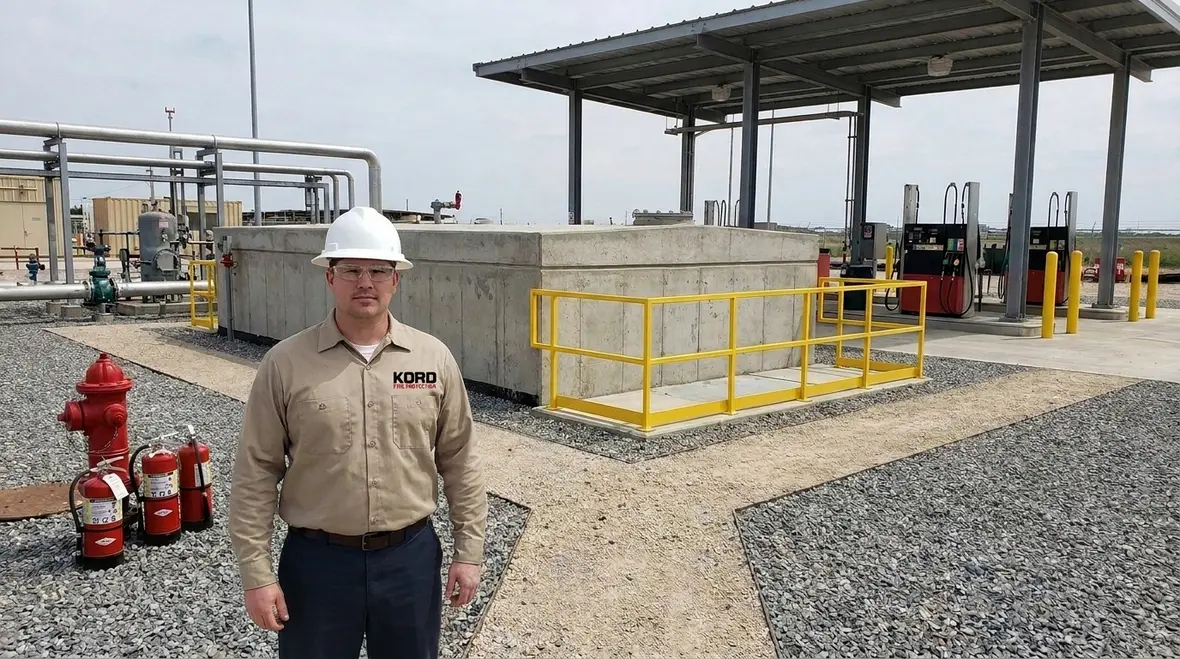
NFPA 30 Section 25.4: Locating Storage Tank Vaults
Quick Answer
NFPA 30 Section 25.4 addresses how to locate tank vaults so fire exposure, drainage, and access support safe operation and emergency response. Compliance depends on the surrounding construction, drainage design, and the practical ability to inspect, maintain, and secure the vault over the life of the facility.
What NFPA 30 Section 25.4 Tank Vault Location Controls in Real Life
Facilities that store flammable and combustible liquids rely on NFPA 30 not only for component selection, but for layout and separation logic that directly affects incident outcomes. Under NFPA 30 Section 25.4 tank vault location, the intent focuses on preventing fire spread and controlling the way flammable liquid can move if leakage occurs. Tank vault placement also influences how quickly crews can access protective features, how inspectors verify conditions, and how maintenance teams remove obstructions without compromising engineered barriers.
In practice, vault location decisions connect multiple systems. Site utilities, drainage paths, building egress routes, fire apparatus access, and spill containment strategy must align. A layout that passes a paper review may still fail during commissioning inspections if access, drainage functionality, or observation points do not support ongoing compliance.
Start With Layout Inputs: Fire Exposure, Occupancy, and Separation
When determining the NFPA 30 Section 25.4 tank vault location, the facility needs a documented basis for why the chosen spot protects against credible fire exposure scenarios. Common layout drivers include:
- Exposure hazards from adjacent buildings, loading areas, racks, piping runs, and process equipment.
- Combustible loading and storage patterns that can increase radiant heat and flame impingement.
- Separation and shielding considerations that affect whether the vault area remains serviceable during an incident.
- Access and clearances needed for routine inspection, testing, and emergency entry.
Operational challenge: commercial and industrial sites often add structures after original installation, including mezzanines, canopies, electrical rooms, and new rack systems. That change can subtly worsen exposure conditions around the vault. A compliance program should therefore include a layout verification step during scope expansions, even when the tank and vault themselves do not change.
For facilities that also need coordinated fire pump testing requirements guidance, Kord Fire Protection offers a broader operational view of how testing discipline, inspection planning, and documentation support audit readiness across site fire protection systems.
Vault Location Must Match Drainage and Liquid Control Engineering
NFPA 30 vault placement is closely tied to what happens during leakage. A vault does not only contain. It also influences drainage behavior, cleanup efficiency, and the risk of migrating flammable liquid to hazardous areas.
Drainage path alignment and its inspection implications
Teams must confirm that the vault location supports the designed drainage strategy, including:
- Controlled routing of leaked liquid away from ignition sources and occupied areas.
- Compatibility with containment systems such as sumps, separators, or approved collection devices.
- Prevention of bypass when debris, gasket wear, or seal failure occurs.
Common failure points include obstructed drains, settled debris in low points, and drainage routing conflicts caused by later installation of curbs or cable trays. These issues typically surface during routine maintenance cycles, but they can also appear in environmental and fire audits when inspectors evaluate the practical effectiveness of the drainage plan.
Operational readiness of the vault area
Vault location decisions should preserve operational readiness. Crews need safe, repeatable access for:
- visual verification of vault integrity conditions
- inspection of floor slopes and drain functionality
- maintenance of seals, barriers, and penetrations
- prompt cleanup procedures that do not require unsafe workarounds
Access, Security, and Maintenance: The Compliance Realities
NFPA 30 requirements become measurable only when teams can access and maintain the tank vault system. A poor NFPA 30 Section 25.4 tank vault location can create compliance gaps because inspection and maintenance cannot be performed to the required standard.
Inspection access that does not get skipped
Facilities often schedule vault checks at defined intervals. If vault access relies on temporary relocation of hoses, ladders, or storage items, compliance will drift. During audits, inspectors frequently look for evidence that:
- access paths remain unobstructed
- protective coverings and access panels can be opened safely
- equipment placement does not prevent required measurements or observations
Security features tied to the vault location
Commercial and retail environments tend to introduce traffic patterns, customer proximity, and unauthorized access risk. Vault placement must support appropriate barriers, signage, and locking arrangements that do not interfere with emergency operations or maintenance.
How Facilities Verify Compliance: Documentation, Field Checks, and Testing
Because tank vault location affects hazard outcomes, compliance should include both document review and field verification. A practical workflow usually includes:
- Review the installed layout against drawings, including distances to exposures and egress routes.
- Verify drainage configuration by checking drain points, slopes, and discharge routing.
- Confirm access and maintenance clearances with a technician-led walkdown.
- Assess post installation changes such as new structures, rack expansions, and utility reroutes.
- Document findings in maintenance logs and inspection records tied to the facility’s compliance plan.
For broader context on how NFPA 30 regulates flammable liquids and informs layout decisions, facilities can also review guidance here: how NFPA 30 regulates flammable liquids.
Operational note: inspections should not end at visual observations. If vault drains depend on components that degrade over time, testing or functional checks should follow the facility’s preventive maintenance schedule.
Common Commercial Failure Points Around Tank Vault Location
Even when vaults are installed correctly, recurring conditions can compromise performance. The most common issues tied to NFPA 30 Section 25.4 tank vault location include:
- Exposure drift caused by later additions near the vault perimeter, increasing heat flux during nearby fires.
- Drain obstruction from debris accumulation or maintenance material left near drain routes.
- Access impairment due to routine storage placement, temporary equipment staging, or vehicle movement patterns.
- Penetration degradation at seals and interfaces when the vault is located where vibration or traffic load accelerates wear.
- Inconsistent cleanup response when the vault location forces unsafe workarounds or delays spill recovery.
Kord Fire Protection supports facilities by aligning inspections, testing, and maintenance practices with the installed reality on site. For ongoing compliance, this includes schedule discipline, documentation control, and field verification that helps prevent late-stage audit surprises.
Frequently Asked Questions
Need a Tank Vault Location Compliance Review?
For commercial, industrial, and retail facilities, NFPA 30 compliance succeeds when drawings match real access, drainage performance, and exposure conditions. Kord Fire Protection can perform practical field verification, support inspection readiness, and help keep maintenance aligned with ongoing regulatory expectations. Contact Kord Fire Protection to schedule a review of your tank vault location, access routes, and drainage functionality before issues become audit findings.

Join Our Newsletter!
Get the latest fire safety tips delivered straight to your inbox From our Newsletter.



