Standpipe System Pressure Monitoring in Australia
Quick Answer: Standpipe system pressure monitoring keeps fire protection equipment ready when conditions change, not when paperwork says it should. By tracking pressure trends, verifying set points, and responding fast to dips or spikes, facilities reduce risk and improve inspection outcomes. Kord Fire Protection can support this work with expert installation, calibration, and ongoing service.
In Australia’s industrial, retail, and commercial facilities, readiness is not a mood. It is a system outcome. That is why standpipe system pressure monitoring matters early, often, and in real time. When pressure drifts, delays show up in emergencies, and delays are expensive in every sense of the word. The good news is that teams can build a practical routine around monitoring so the standpipe system performs like it should. And when questions appear, Kord Fire Protection can become a vital partner, because they do not just install and disappear like a superhero after the credits roll.
For facilities that want to tie monitoring to broader system support, it helps to review Kord Fire Protection’s Standpipe Systems service early in the planning process. And if your team wants more context on related inspection topics, the Kord Fire Protection Blog offers additional resources that fit naturally into maintenance and compliance planning.
Why pressure can drift before anyone notices
Standpipe systems work under specific hydraulic conditions, yet everyday factors can change them long before a test reveals a problem. For example, temperature swings can alter pipe flow and water demand patterns. In addition, routine building activity can affect water supply performance. Even small changes, like a partially blocked valve or air pockets, can influence pressure stability.
Furthermore, many facilities operate across multiple floors, tenants, and shifts. Consequently, demand can fluctuate throughout the day. If the monitoring process only checks pressure during scheduled testing, the system may fail right between inspections. That is like checking your smoke alarm once a year and calling it “habit.” It is not habit, it is hope.
Small changes become big delays fast
What makes pressure drift so irritating is that it rarely arrives wearing a name tag. A site may see a tiny reduction one week, another the next, and then suddenly the pattern becomes a failed test, an awkward meeting, or a repair request marked urgent in three different inboxes. Monitoring closes that gap by showing the drift while it is still boring, and boring is exactly when maintenance teams want to catch it.
Set up monitoring for real operational signals
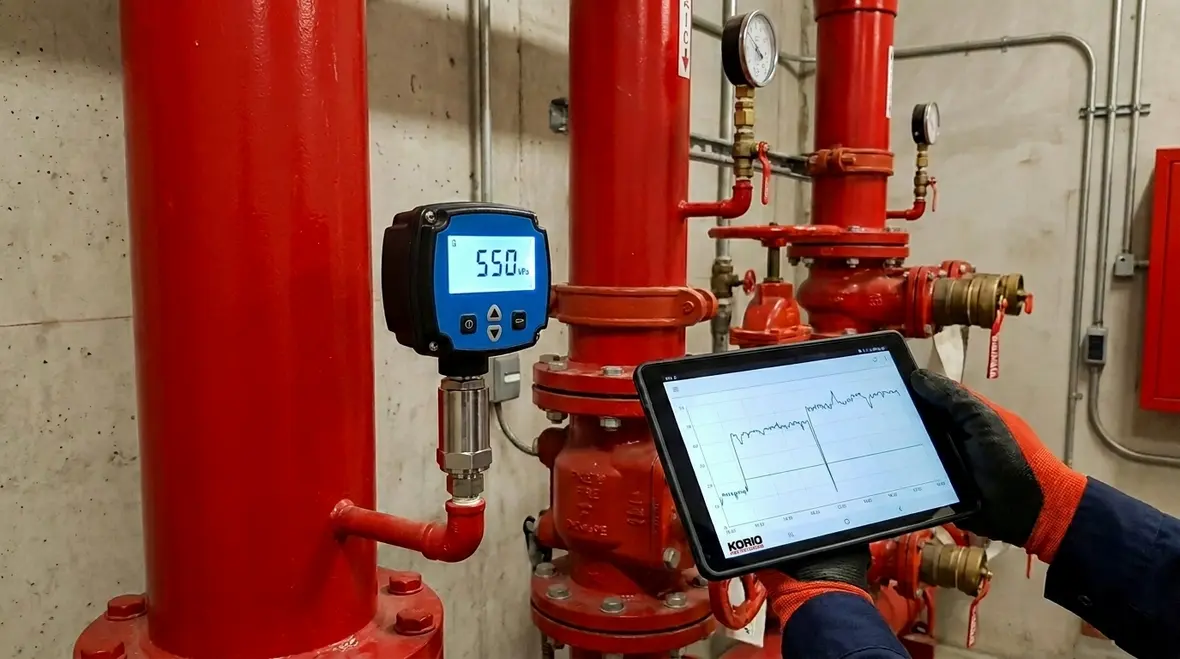
To keep system readiness high, monitoring must capture the pressure data that matters, then alert people quickly. Therefore, a strong program starts with the right sensors at the right locations. The goal is to measure pressure close to the standpipe interfaces so decisions reflect actual system conditions.
Next, facilities should define alert thresholds based on design requirements, historical performance, and the site’s water supply behavior. If the thresholds are too tight, technicians chase false alarms. If thresholds are too loose, problems hide in plain sight. In other words, the alert strategy needs balance.
After that, teams should establish a data review cadence. They can review trends weekly at minimum, and more often in high risk periods such as major maintenance windows, building fit outs, or extended shutdowns. Then they can look for patterns like repeated minor dips or slow recovery after flow events. Those patterns often point to valves sticking, supply issues, or aging components.
Choose signals people can actually act on
This is where a lot of monitoring programs either become useful or become a very expensive way to create noise. Teams need signals that lead to clear action. If a reading drops, who checks it, how fast, and what do they inspect first? Good monitoring is not only about data capture. It is about making the next decision obvious enough that nobody has to improvise under pressure, which is a terrible time to become creative.
Build a readiness routine around inspection reality
Many organizations treat pressure monitoring and inspection as separate tasks. That approach costs time, because the team ends up explaining problems they could have prevented. Instead, pressure data should feed into the inspection plan.
For example, if monitoring shows a pressure drop near a typical time, the facility can investigate supply constraints before the next scheduled test. Meanwhile, if the system performs well during normal operations but struggles during test conditions, the team can validate the test method and check for installation or configuration issues.
In addition, facilities should document each action taken based on monitoring results. When maintenance corrects a valve or clears an obstruction, the team should note the change and the impact on pressure trends. This makes future troubleshooting faster. It also helps with compliance evidence, which is never a bad thing when auditors arrive like clockwork.
Documentation should do more than sit in a folder
A useful record links the reading, the suspected cause, the fix, and the result. That way, if the same issue returns six months later, the site does not have to start from scratch and pretend nobody has ever seen the problem before. Trends, notes, and repair history together create a much clearer picture than any single inspection snapshot.
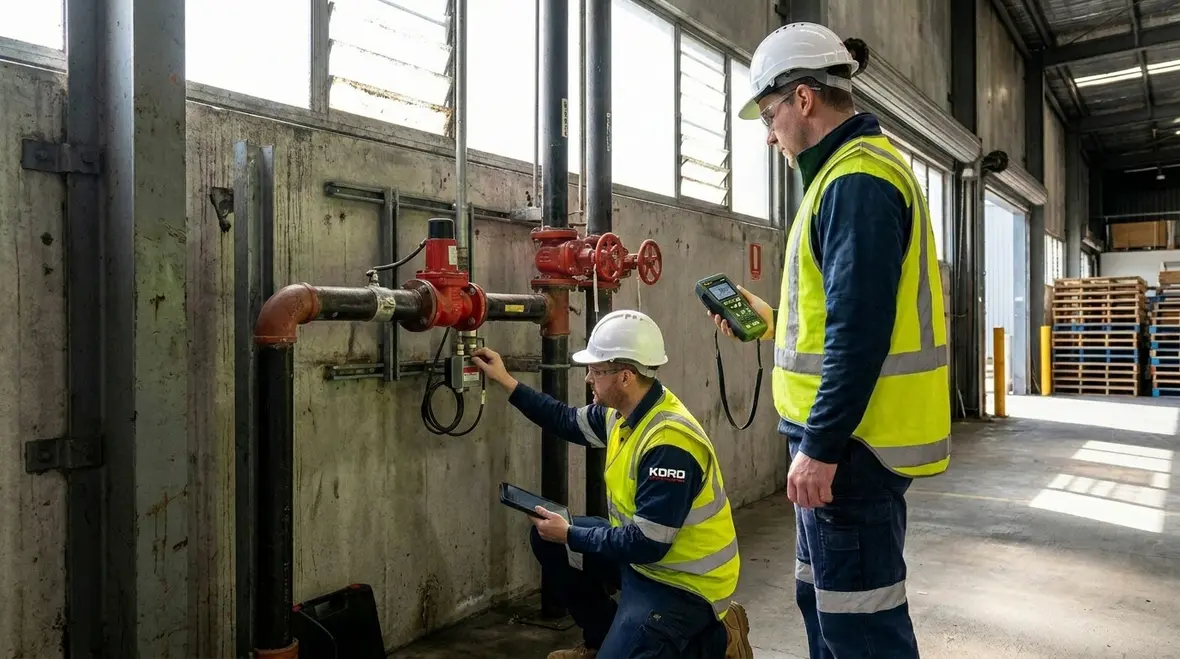
Use trend analysis to catch hidden issues early
Pressure monitoring becomes far more powerful when teams analyze trends rather than only chasing single readings. Over time, pressure curves can reveal changes in system performance. For instance, a gradual decline in pressure stability can indicate partial restrictions, minor leaks, or pump performance drift.
Moreover, the team should review data against water usage patterns. If the pressure dips during specific operations, the facility can correlate the events with equipment schedules, flushing activities, or other trades work. Then it can adjust procedures. This is how monitoring turns into operational control, not just a dashboard with feelings.
Facilities should also track recovery behavior after flow events. If the standpipe system pressure takes longer than expected to stabilize, technicians can check for air entrainment, valve response delays, or supply line conditions. By catching these early, the facility reduces the odds of a bigger failure during an actual emergency.
Patterns tell the story single readings miss
One odd reading may be nothing more than a brief event. A pattern is different. If recovery slows after repeated flow events, or if dips appear every time a certain operational window opens, the system is giving the team clues. Trend analysis is simply the practice of listening before those clues turn into consequences.
Maintenance steps that keep monitoring trusted
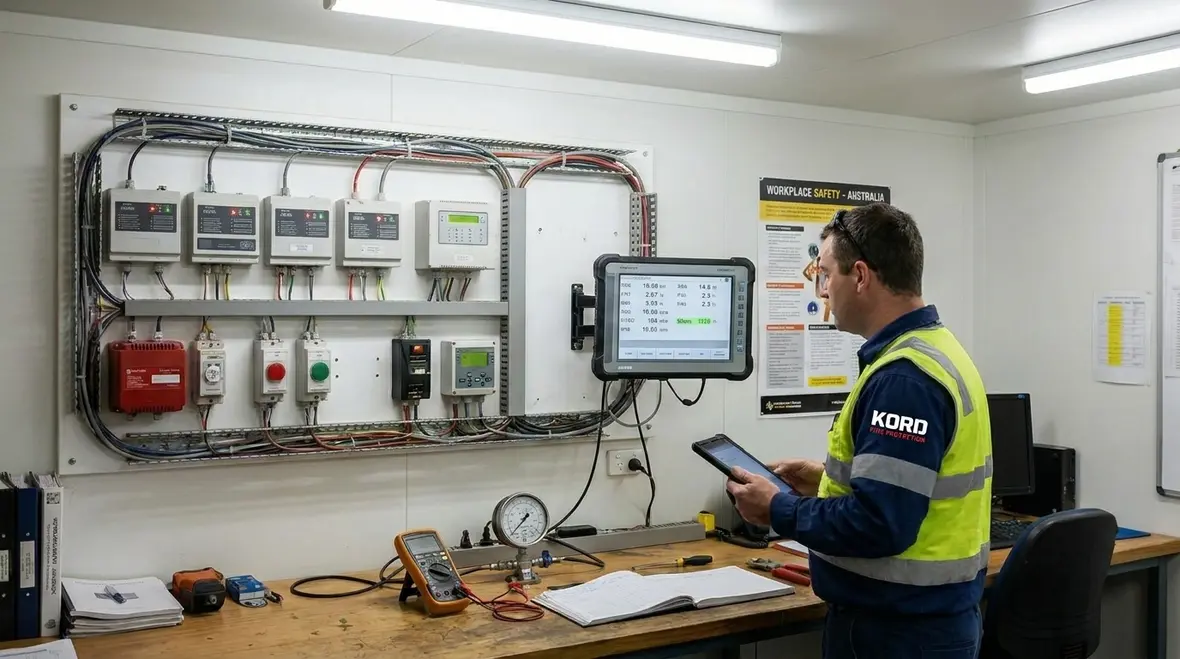
Monitoring works only when the measurements remain accurate and consistent. Therefore, the maintenance program must include sensor verification, calibration checks, and inspection of associated hardware such as cabling and mounting points.
Next, facilities should ensure that monitoring devices stay protected from dust, moisture, and vibrations common in industrial environments. Even if the standpipe system itself stays in spec, damaged wiring or loose connections can create unreliable data. And when data becomes unreliable, people stop trusting it. Then the whole process loses value.
Additionally, teams should confirm that valves, test points, and control components align with the current system configuration after any modifications. Fit outs, pipe reroutes, and equipment swaps can quietly change hydraulics. Consequently, the facility should update monitoring settings when the system changes.
Trust in the data is part of the safety outcome
When technicians believe the readings, they respond early. When they suspect the hardware, they hesitate, double check, or ignore alerts altogether. That is why calibration, verification, and simple physical inspection matter so much. Reliable monitoring data earns trust over time, and that trust is what turns a monitoring program into a working habit.
Where Kord Fire Protection fits as a partner
Even the best internal team benefits from specialist support, especially when systems span multiple assets and complex layouts. Kord Fire Protection can help facilities in Australia by providing expertise that connects standpipe system pressure monitoring to real-world compliance and performance outcomes.
They can support sensor installation and commissioning, help validate alarm set points, and assist with troubleshooting when pressure trends show unexpected behavior. Also, they can coordinate service planning so monitoring aligns with site downtime schedules. That means fewer disruptions to operations, and fewer surprises for maintenance managers.
If your team is also reviewing adjacent standpipe issues, Kord Fire Protection has related resources like operational testing for high rise standpipe systems in Australia, standpipe pressure management systems for high rises, and standpipe fire department connection requirements. These make useful companion reads when teams want to connect monitoring data with testing methods, pressure control, and connection performance.
Just like having a seasoned conductor, Kord Fire Protection helps keep every part in time. The facility gains clearer evidence, faster fixes, and a calmer inspection process. And yes, it also reduces the “panic test” culture that forms when someone says, “We’ll find out on the day.”
Featured FAQ: standpipe pressure readiness questions
Conclusion: take action to keep readiness high
Standpipe system pressure monitoring works best when it becomes part of daily thinking, not a periodic checkbox. When teams track pressure trends, respond to early drift, and maintain trusted measurements, they strengthen emergency performance and improve inspection outcomes.
Kord Fire Protection can assist as a vital partner with commissioning, calibration, troubleshooting, and service planning across commercial, retail, and industrial sites throughout Australia. If the goal is readiness, it is time to build a monitoring routine that holds up under pressure.

Join Our Newsletter!
Get the latest fire safety tips delivered straight to your inbox From our Newsletter.