Commercial Electrical Safety Audits in Australia
Quick answer: Commercial electrical safety audits help industrial, retail, and facility teams spot electrical hazards before they turn into downtime, fines, or fires. They review systems, connections, and controls, then turn findings into clear fixes. Kord Fire Protection can support this work by aligning electrical risk with fire prevention strategies across your site.
In Australia, facilities teams know the truth: electrical problems rarely arrive politely. They show up as flickering lights, nuisance trips, burnt smells, and then, sometimes, the kind of damage that makes insurance people act like they have never heard of you. That is why commercial electrical safety audits matter. Early action keeps operations steady and protects workers, customers, and assets.
To set the tone, these audits do more than check boxes. They run a structured review of panels, cabling, earthing, protections, and operating conditions. Then they translate that information into prioritized actions you can execute. And importantly, Kord Fire Protection can become a vital partner with this job. When electrical and fire risk meet, coordination prevents gaps and strengthens your safety plan. If your team is also navigating project changes, Kord’s electrical safety support for commercial renovations shows how electrical controls and fire risk planning can stay aligned from the start.
Now let’s walk through how proactive hazard reduction actually works, from site walkdown to final reporting.
Start with the goal: prevent the next failure before it starts
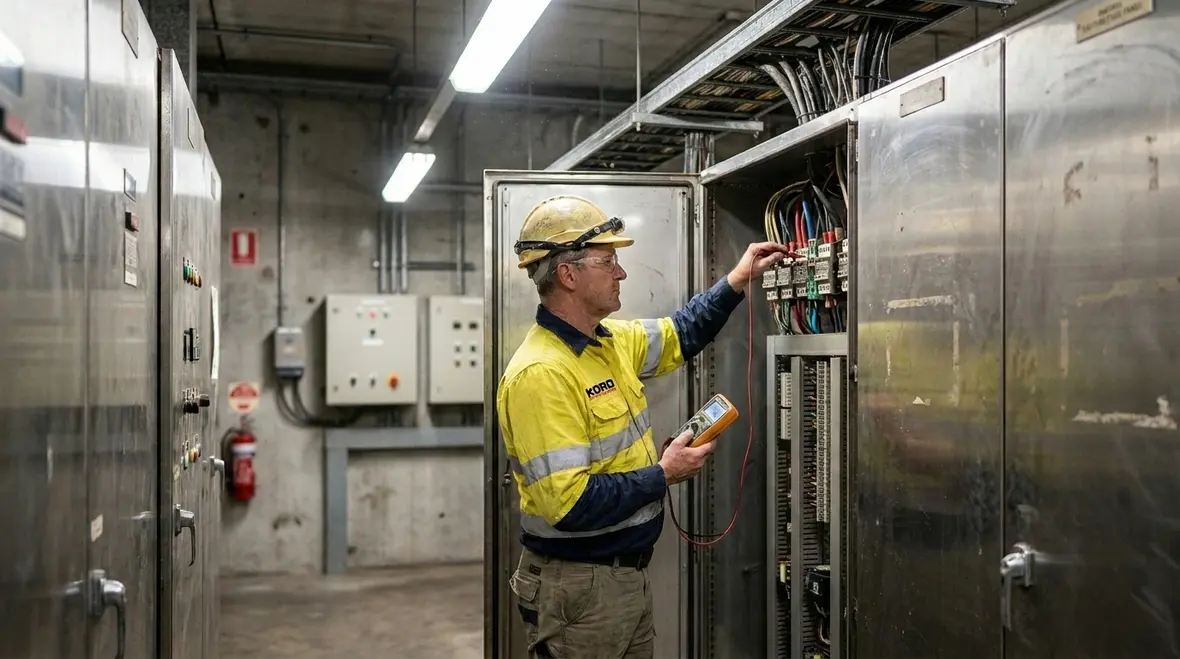
Commercial electrical safety audits aim to reduce hazards before they escalate. Instead of waiting for faults to appear, the auditor looks for conditions that make faults more likely. For example, they check for heat buildup risks at connections, signs of moisture intrusion, incorrect device settings, and damaged insulation.
Then they link those hazards to real outcomes. If a connection runs hot, it can degrade insulation and increase arc risk. If earthing is weak, fault clearing can become slower or unreliable. In both cases, the next event may not look dramatic until it suddenly does. Transitioning from “we hope it holds” to “we verified it holds” keeps the workplace calm and predictable. And yes, calm is a form of safety too.
Why evidence beats assumptions every time
The real value of an audit is that it replaces gut feeling with proof. Teams may suspect a panel is fine because it has not failed lately, but a proper review asks better questions. Is there discoloration at terminations? Are loads behaving normally? Do protections still coordinate the way they should? Facilities run better when answers come from inspection, testing, and records instead of crossed fingers and optimistic coffee.
What the audit team actually checks on industrial and retail sites
Facilities across Australia face different electrical realities. Industrial operations deal with high motor loads, harsh environments, and frequent maintenance. Retail sites juggle high foot traffic, storefront lighting, refrigeration, and frequent tenant changes. Regardless of the environment, a strong audit typically examines multiple layers.
Key areas included in commercial electrical safety audits
- Distribution boards and switchgear: condition, labeling, cable entry practices, and protective device fit
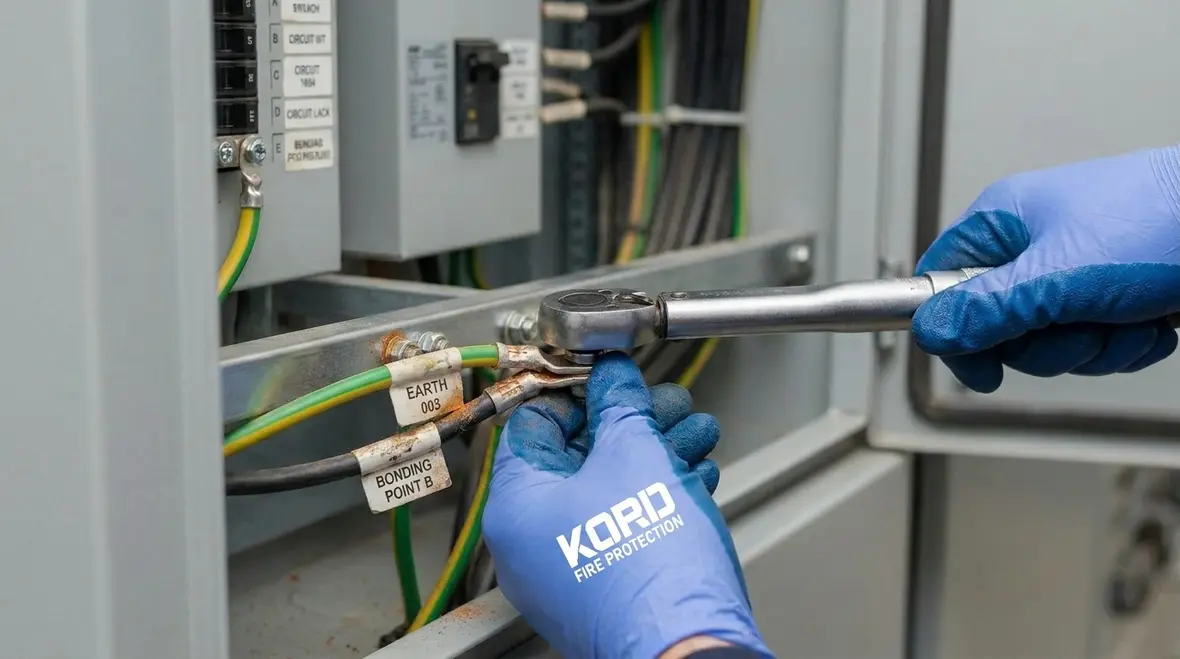
- Earthing and bonding: continuity, corrosion risk, and whether fault paths work as intended
- Cabling and terminations: insulation condition, mechanical damage, segregation, and terminal tightness
- Protection and coordination: settings, selectivity, and whether devices clear faults quickly enough
- RCD and residual protection: functional checks and evidence of correct operation under expected conditions
- Extreme environment factors: moisture, dust, vibration, and temperature exposure
- Operational loads: motor circuits, variable loads, and where overloads can quietly build heat
As findings come in, the audit team does not treat them like isolated defects. Instead, they build a hazard picture. For instance, a single poor termination looks bad. But when paired with weak earthing and outdated protective settings, it becomes a higher consequence risk.
That broader view matters because facilities rarely fail from one dramatic issue alone. More often, they fail through a collection of ordinary problems that decide to cooperate at exactly the wrong moment. An audit helps break up that little reunion before it becomes a shutdown.
Turn findings into a practical risk plan that operations can follow
Most teams do not struggle to “find” issues. They struggle to fix them in the right order, with the right resources, without disrupting operations. That is where the audit deliverable becomes a business tool rather than a report someone stores in a folder and forgets.
A proactive program should include
- Risk ranking: based on likelihood and consequence, not just how old the asset looks
- Clear scope of work: what to repair, what to replace, and what to verify afterward
- Timing guidance: urgent actions first, planned works next, and “monitor” items with a review date
- Evidence requirements: what tests or photos will prove the fix worked
- Accountability: who owns each action and how progress gets tracked
In industrial and retail settings, this planning step matters because downtime costs money. Therefore, the audit team should coordinate with maintenance schedules, shutdown periods, and access constraints. Also, they should communicate in plain business language. If an electrician needs to be bilingual, the auditor should at least speak “operations.”
Make the report usable, not decorative
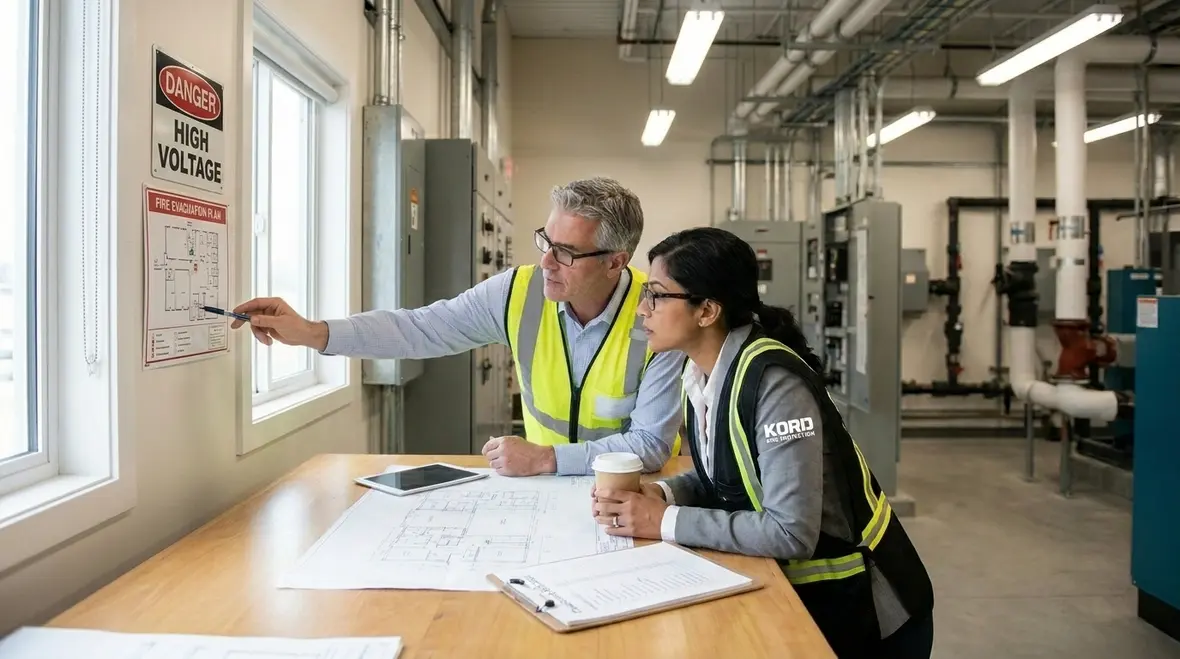
The best reports do not just describe the problem. They show what to do next, what can wait, what needs confirmation, and what risk stays on the table if action is delayed. That structure turns audit findings into a maintenance roadmap. Better still, it helps leadership, site managers, and contractors all read from the same page instead of each bringing their own translation.
How Kord Fire Protection strengthens electrical hazard reduction
Electrical hazards and fire risks rarely stay in their own lanes. An electrical fault can create heat, smoke, and ignition sources. Meanwhile, fire protection systems can be compromised by poor electrical installations, incorrect maintenance practices, or wiring issues that interfere with detection and safety functions.
This is where Kord Fire Protection can become a vital partner with commercial electrical safety audits. Rather than treating electrical and fire safety as separate projects, coordinated teams help ensure that your risk controls align. Kord’s commercial fire safety audit process shows how site walkthroughs, documentation, and corrective actions can connect into one cleaner safety plan.
For example, Kord Fire Protection can support by
- Aligning prevention priorities: linking electrical hazard fixes with fire control objectives
- Reviewing system readiness: ensuring safety measures stay operational and properly maintained
- Supporting planning for critical areas: identifying where ignition sources would be most damaging
- Strengthening documentation: so your safety case reads like one story, not five different reports
In short, this partnership helps stop the “someone else will handle it” problem. And that problem is expensive, even when nobody says it out loud. Like a Netflix episode you forgot to cancel, electrical and fire gaps keep showing up in your budget.
This coordination also strengthens follow-through after faults are found. If a site is already addressing panel concerns, power issues, or signal reliability, it can help to review related resources like fire alarm trouble signal meanings explained so teams understand how electrical issues and life safety alerts can overlap in the real world.
Keep controls effective with ongoing verification, not annual hope
One audit can uncover a lot. However, facilities change. Equipment gets swapped. Tenants renovate. Cabling gets extended. Dust and moisture levels shift with season and operations. Therefore, hazard reduction needs rhythm, not luck.
Good programs use follow up actions and verification steps that match site realities
- Post repair checks: confirm that the fix removed the hazard, not just masked it
- Targeted re inspections: revisit higher risk zones on a tighter cycle
- Maintenance alignment: ensure technicians follow the same standards used during the audit
- Change management: require review after modifications, especially where cables and protections change
- Training and awareness: help teams recognize early warning signs like heat discoloration and recurring trips
As a result, the site does not rely on memory. It relies on evidence. And when inspectors ask hard questions, your documentation tells a clean, confident story. That same discipline also supports better asset decisions over time, which is why many teams pair these efforts with a broader electrical health mindset instead of waiting for a failure to write the schedule for them.
Build a repeatable cadence
A site that verifies fixes, tracks trends, and revisits high-risk areas becomes much harder to surprise. That is the goal. Not perfection, but control. Not annual hope, but steady verification. Safety programs work better when they behave less like a one-time event and more like a system with a pulse.
Common hazards found in Australian facilities and how teams handle them
Facilities across Australia often reveal similar patterns. Not because people are careless, but because electrical systems live in the real world. Weather, vibration, and constant use take their toll.
Here are frequent issues auditors see, and the smart response
- Loose or degraded terminations: technicians rework connections and verify torque and integrity, then monitor heat indicators where practical
- Moisture ingress: teams improve sealing and enclosure condition, then check for related insulation and corrosion effects
- Misrouted cabling: auditors verify segregation, support, and protection from mechanical damage
- Incorrect or inconsistent labeling: teams update records so future maintenance does not turn into detective work
- Protection settings drift: audit work includes verification and documentation so fault clearing stays reliable
- Uneven load conditions: teams analyze circuits and address overload risk that can quietly increase temperature
Because commercial electrical safety audits are proactive, they capture these hazards early, before the symptoms become emergency events.
That early capture is where money, safety, and sanity finally get along. It is easier to plan a repair than explain a fire, and much easier to book maintenance than explain why the lights went out during trading hours.
FAQ
Conclusion
Proactive hazard reduction starts with evidence, not guesswork. Our team delivers structured, practical outcomes from commercial electrical safety audits that help industrial, retail, and facility leaders in Australia reduce electrical risk without throwing operations into chaos.
And when you want electrical safety and fire prevention to move as one plan, Kord Fire Protection can support the next steps. Request an audit today.

Join Our Newsletter!
Get the latest fire safety tips delivered straight to your inbox From our Newsletter.